Real Celebrities Never Die!
OR
Search For Past Celebrities Whose Birthday You Share
Died Age: 82
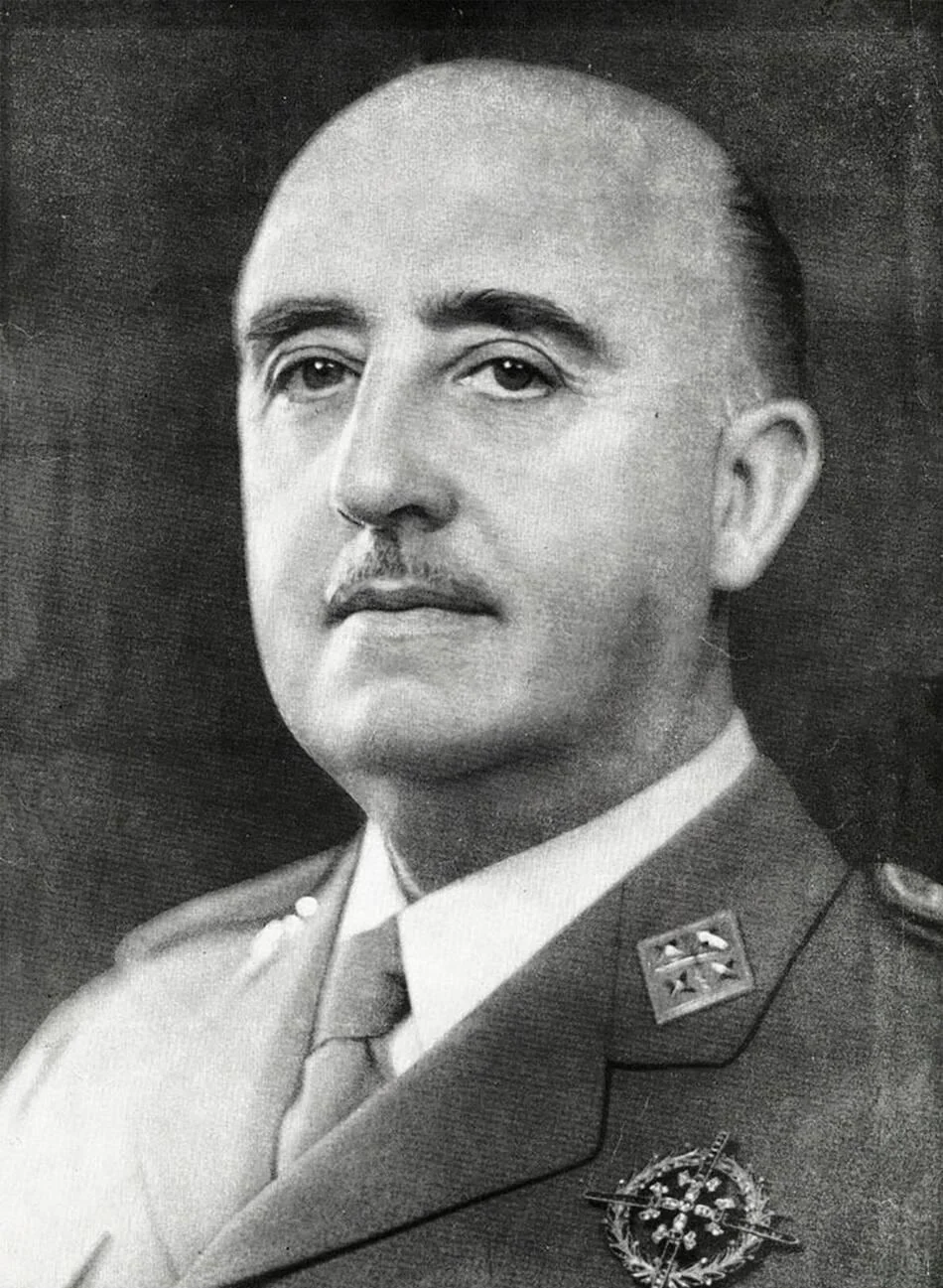
wikimedia.org
Francisco Franco
Birthday:
03 Dec, 1892
Date of Death:
20 Nov, 1975
Cause of death:
Heart failure
Nationality:
Spanish
Famous As:
Head of State (Caudillo)
Age at the time of death:
82
Francisco Paulino Hermenegildo Teódulo Franco Bahamonde's Quote's

“We do not believe in government through the voting booth.”
Francisco Paulino Hermenegildo Teódulo Franco Bahamonde
🔗 deadcelebrityhub.com
Francisco Franco: Early Life and Family Background
Francisco Franco Bahamonde was born on December 4, 1892, in Ferrol, Galicia, Spain. He grew up to become a military officer and dictator who held Spain in his grip from 1939 until his death in 1975. Known as “El Caudillo” (The Leader), Franco’s nearly 40-year rule left a lasting mark on Spain with his iron-fisted policies, efforts to modernize the economy, and a deep-rooted love for tradition. People still argue over what to make of him—his story’s a tangled mix of triumph and controversy. Franco came from a family tied to the sea, with a long line of naval folks behind him. His dad, Nicolás Franco Salgado-Araújo, climbed the ranks to vice admiral but had a wild side—gambling and chasing women were his vices. His mom, María del Pilar Bahamonde y Pardo de Andrade, was the opposite: a devout Catholic who taught Franco discipline and faith. Life at home wasn’t easy, with his father’s antics creating tension and eventually walking out on them. Young Franco dreamed of joining the navy like his family, but Spain’s loss in the Spanish-American War of 1898 threw a wrench in that plan—naval jobs dried up. So, at 14, he signed up for the Infantry Academy in Toledo instead. He was a small kid and got picked on for it, but he pushed through and graduated in 1910 as a second lieutenant.
Formative Years and Military Career
Franco’s military life started small but took off when he volunteered to fight in Morocco during Spain’s colonial wars. The brutal Rif Wars were his proving ground—he showed real leadership and shot up the ranks fast. By 1926, at just 33, he was Europe’s youngest general. That’s a big deal for someone so driven and sharp. Out there in Morocco, Franco earned a name as a tough, no-nonsense officer. Those gritty years shaped his hardline views and convinced him discipline was everything. In 1923, he married Carmen Polo y Martínez-Valdés, a woman from a fancy Asturian family. Her relatives weren’t thrilled about his humble roots, but their marriage stuck, giving them a daughter, Carmen Franco y Polo.
Rise to Power
Franco really stepped into the spotlight leading the Spanish Foreign Legion. By the 1930s, Spain was a mess—left-wing Republicans and right-wing Nationalists were at each other’s throats. Then, in 1936, after a big-shot conservative got assassinated, Franco joined a military coup against the Second Republic. That kicked off the Spanish Civil War (1936–1939), and Franco took charge of the Nationalist side. He teamed up with Nazi Germany and Fascist Italy, leaning on their help to win the war. By April 1939, Franco had crushed the Republicans and set himself up as Spain’s top dog, running things his way.
Dictatorship and Policies
Once in power, Franco wanted Spain to be a stronghold of old-school values, tied tight to the Catholic Church. He didn’t mess around—his regime shut down dissent with censorship, jail, and executions. Tens of thousands died during and after the war because of it. He also stamped out regional pride, banning Catalan and Basque languages from public use. Still, Franco pulled off some economic wins in the 1960s—the “Spanish Miracle” brought factories, growth, and better living for many. But freedom? That stayed off the table. He leaned hard on the Church, billing himself as its shield against communism and modern ideas. In 1947, he called Spain a monarchy but kept the throne empty until 1969, when he picked Prince Juan Carlos to take over.
Death and Legacy
Franco’s health started slipping in the late 1960s—Parkinson’s and other troubles wore him down. After a rough patch of medical emergencies in 1974 and 1975, he passed away on November 20, 1975, at 82, from cardiac arrest tied to peritonitis. His death closed a chapter of strict rule. They buried him first in the Valley of the Fallen, a huge monument he’d built, but in 2019, Spain dug him up as people wrestled with what he meant to the country. After he was gone, King Juan Carlos I led Spain into democracy within three years, tearing down Franco’s old systems and trying to heal the divides. Franco’s a lightning rod even now. Some say he kept Spain together and sparked growth in tough times; others can’t forgive the way he crushed freedoms and unleashed violence on his enemies. His shadow still looms over Spain, stirring up big questions about memory and fairness.
Profile Snapshot
Name:
Francisco Paulino Hermenegildo Teódulo Franco Bahamonde
Popular Name:
Francisco Franco
Gender:
Male
Cause of Death:
Heart failure
Spouse:
Carmen Polo
Place of Birth:
Ferrol, Galicia, Spain
Place of Death:
Madrid, Spain
Occupation / Profession:
Head of State (Caudillo)
Military officer
Politician
Personality Type
Logistician Practical and fact-minded individuals, whose reliability cannot be doubted. Franco’s methodical military approach, conservative values, and emphasis on order align with this type of personality.
Francisco Paulino Hermenegildo Teódulo Franco Bahamonde's Interesting Facts
At just 33 years old, Franco became the youngest general in Europe at the time, rising rapidly through Spain’s military ranks.
Despite his fascist allies, Franco kept Spain officially neutral during World War II, though he leaned toward Axis powers in the early years.
Francisco Franco ruled Spain as a dictator from 1939 until his death, after leading the Nationalist forces to victory in the Spanish Civil War.
Franco’s rule brought decades of authoritarian control, censorship, and repression, but also modernization and economic growth in Spain.
Franco was only 4 feet 10 inches tall as a young man but grew to 5 feet 4 inches.
He emerged as the leader of the Nationalist faction during the Spanish Civil War (1936–1939), with support from Nazi Germany and Fascist Italy.
Achievements & Awards
Became the youngest general in Europe at age 33 (1926).
Led the Nationalist victory in the Spanish Civil War.
Received the Laureate Cross of Saint Ferdinand, Spain’s highest military honor.
Ruled Spain for 36 years, maintaining political stability.
External Links
Additional Links
https://humanidades.com/en/francisco-franco/https://www.britannica.com/biography/Francisco-Franco/Francos-dictatorshiphttps://www.britannica.com/summary/Francisco-Francohttps://www.ebsco.com/research-starters/history/death-francohttps://www.jewishvirtuallibrary.org/francisco-franco-bahamondehttps://www.pbs.org/tpt/dictators-playbook/episodes/francisco-franco/https://www.wikidata.org/wiki/Q29179
Latest Profiles
People also viewed
Gerald Ford
Born14 Jul, 1913
Died26 Dec, 2006
NationalityAmerican
Age at time of death93
Colonel Sir Benjamin Thompson, Count Rumford
Born26 Mar, 1753
Died21 Aug, 1814
NationalityAmerican, British
Age at time of death61
James Stewart
Born20 May, 1908
Died02 Jul, 1997
NationalityAmerican
Age at time of death89
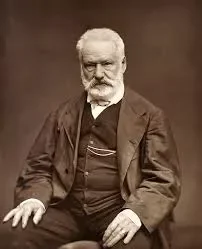
Victor Hugo
Born26 Feb, 1802
Died22 May, 1885
NationalityFrench
Age at time of death83
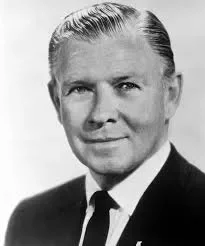
George Murphy
Born04 Jul, 1902
Died03 May, 1992
NationalityAmerican
Age at time of death89
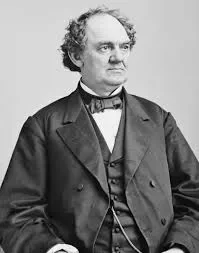
P. T. Barnum
Born05 Jul, 1810
Died07 Apr, 1891
NationalityAmerican
Age at time of death80
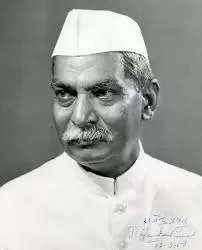
Rajendra Prasad
Born03 Dec, 1884
Died28 Feb, 1963
NationalityIndian
Age at time of death78
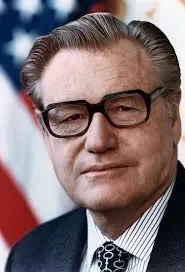
Nelson Rockefeller
Born08 Jul, 1908
Died26 Jan, 1979
NationalityAmerican
Age at time of death70

Ethan Allen
Born21 Jan, 1738
Died12 Feb, 1789
NationalityAmerican
Age at time of death51
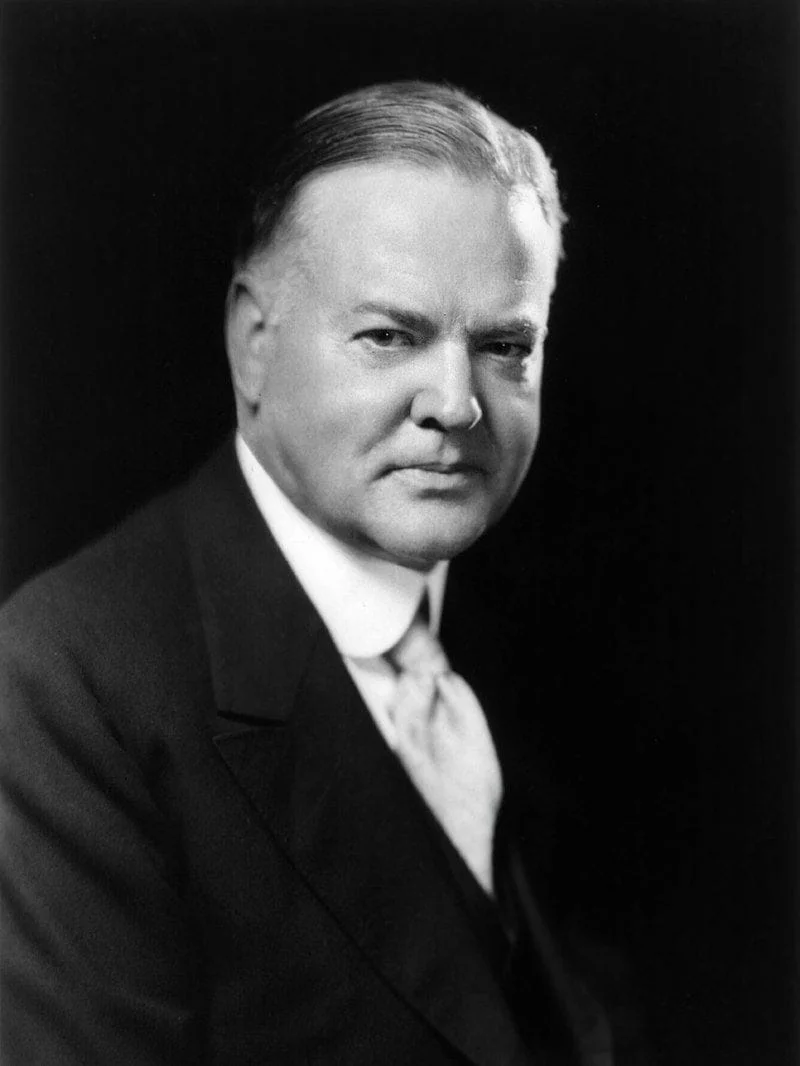
Herbert Hoover
Born10 Aug, 1874
Died20 Oct, 1964
NationalityAmerican
Age at time of death90
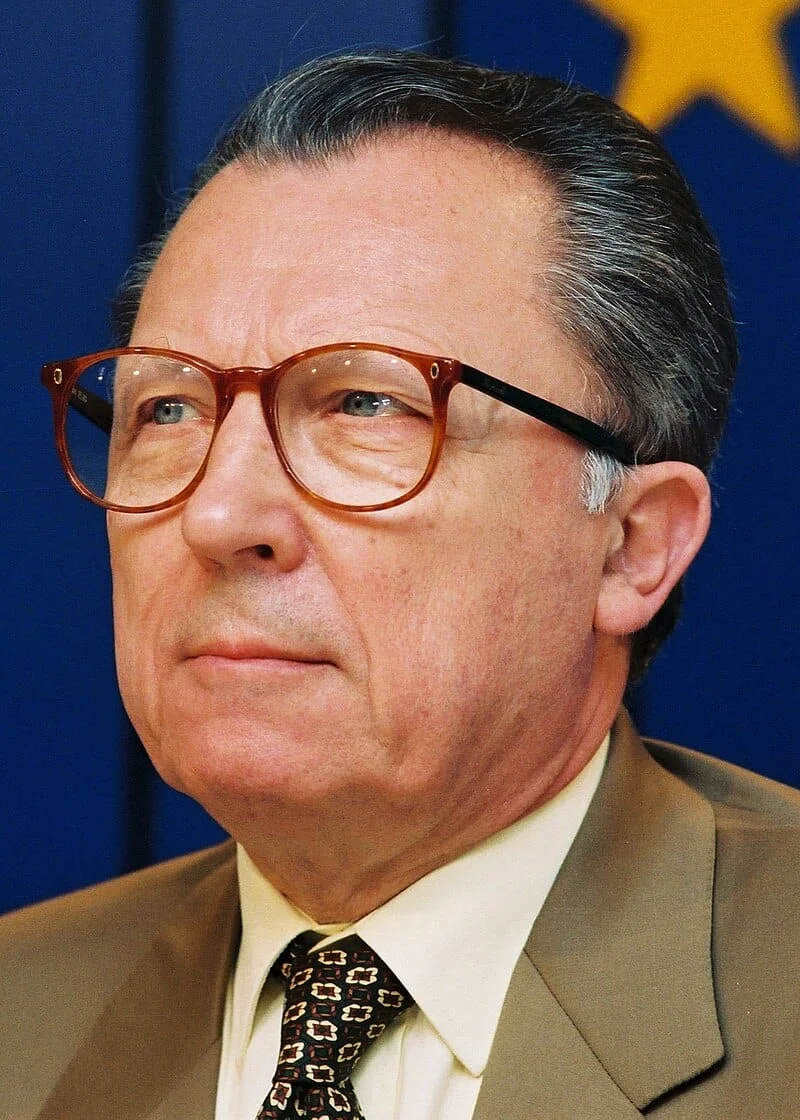
Jacques Delors
Born20 Jul, 1925
Died27 Dec, 2023
NationalityFrench
Age at time of death98
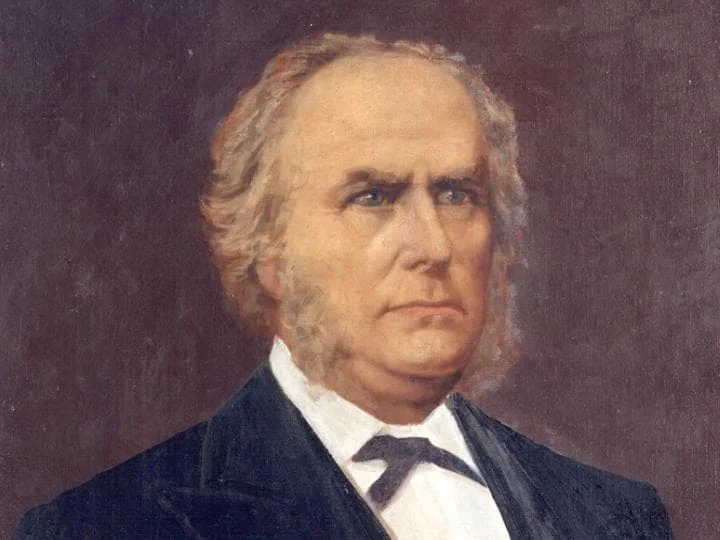
James Harrison
Born17 Apr, 1816
Died03 Sep, 1893
NationalityScottish,Australian
Age at time of death77
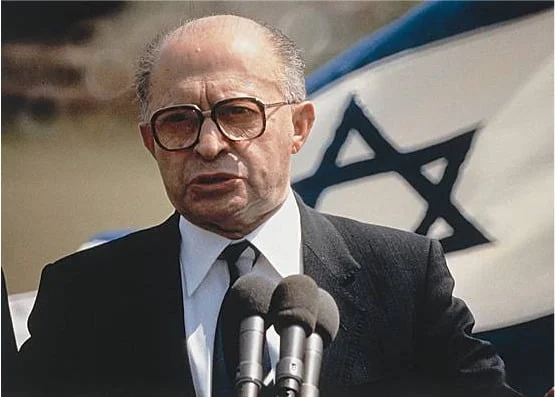
Menachem Begin
Born16 Aug, 1913
Died09 Mar, 1992
NationalityIsraeli
Age at time of death78
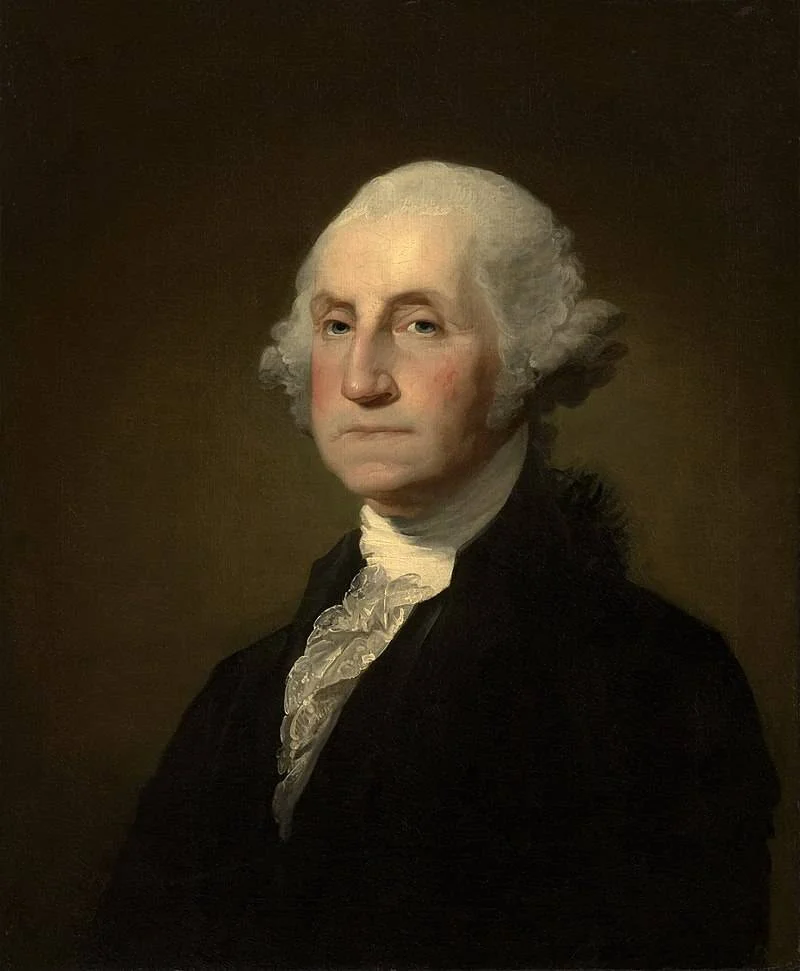
George Washington
Born22 Feb, 1732
Died14 Dec, 1799
NationalityAmerican
Age at time of death67
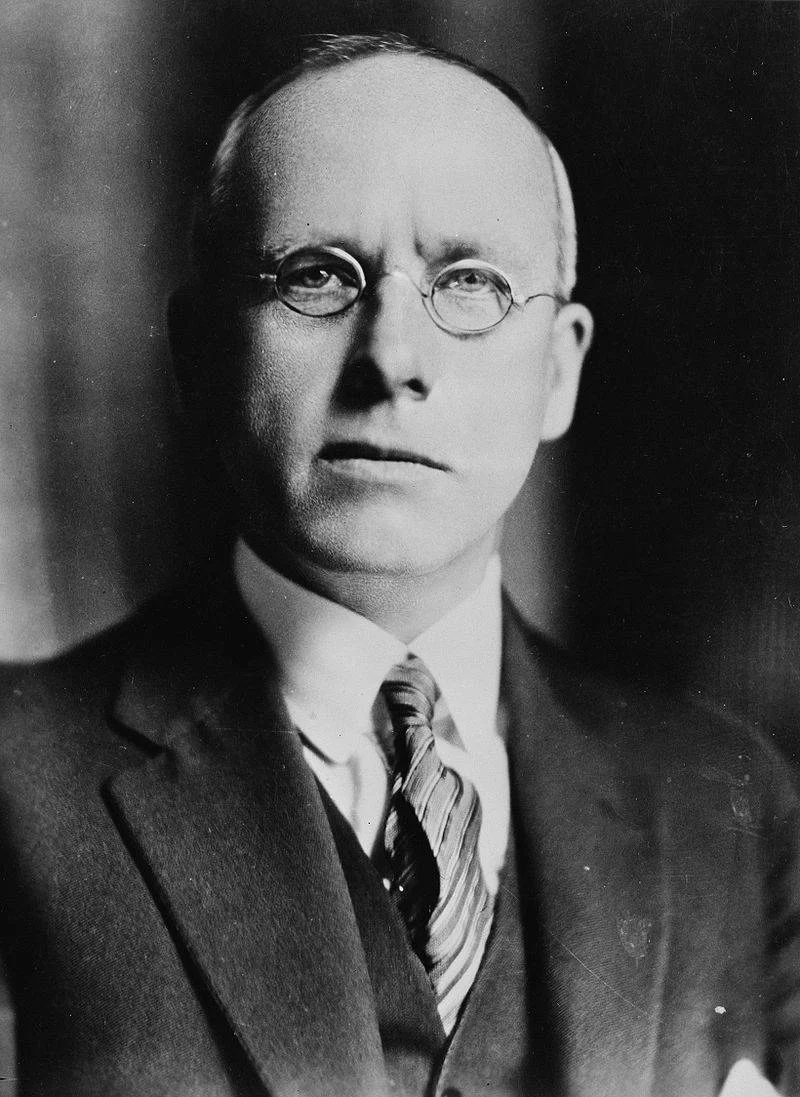
Peter Fraser
Born28 Aug, 1884
Died12 Dec, 1950
NationalityNew Zealand
Age at time of death66
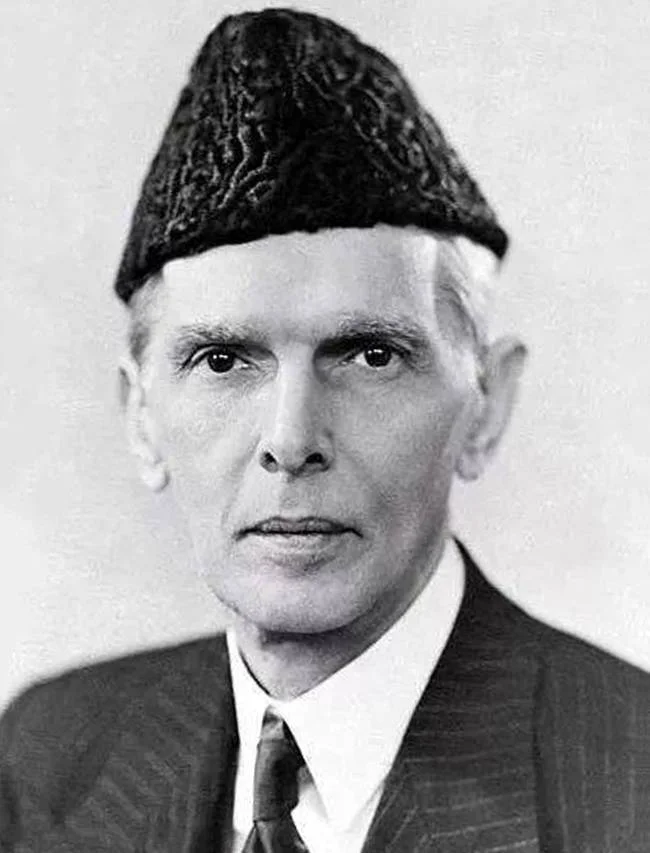
Muhammad Ali Jinnah
Born25 Dec, 1876
Died11 Sep, 1948
NationalityPakistani
Age at time of death71
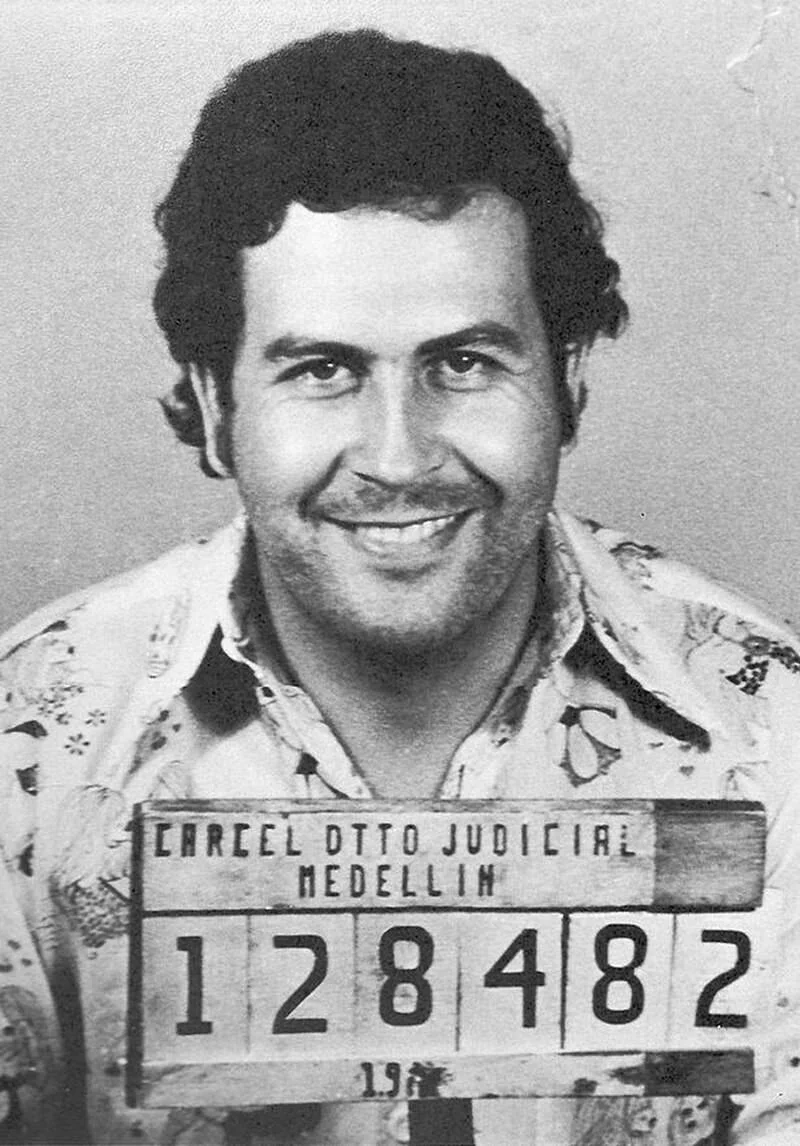
Pablo Escobar
Born01 Dec, 1949
Died02 Dec, 1993
NationalityColombian
Age at time of death44
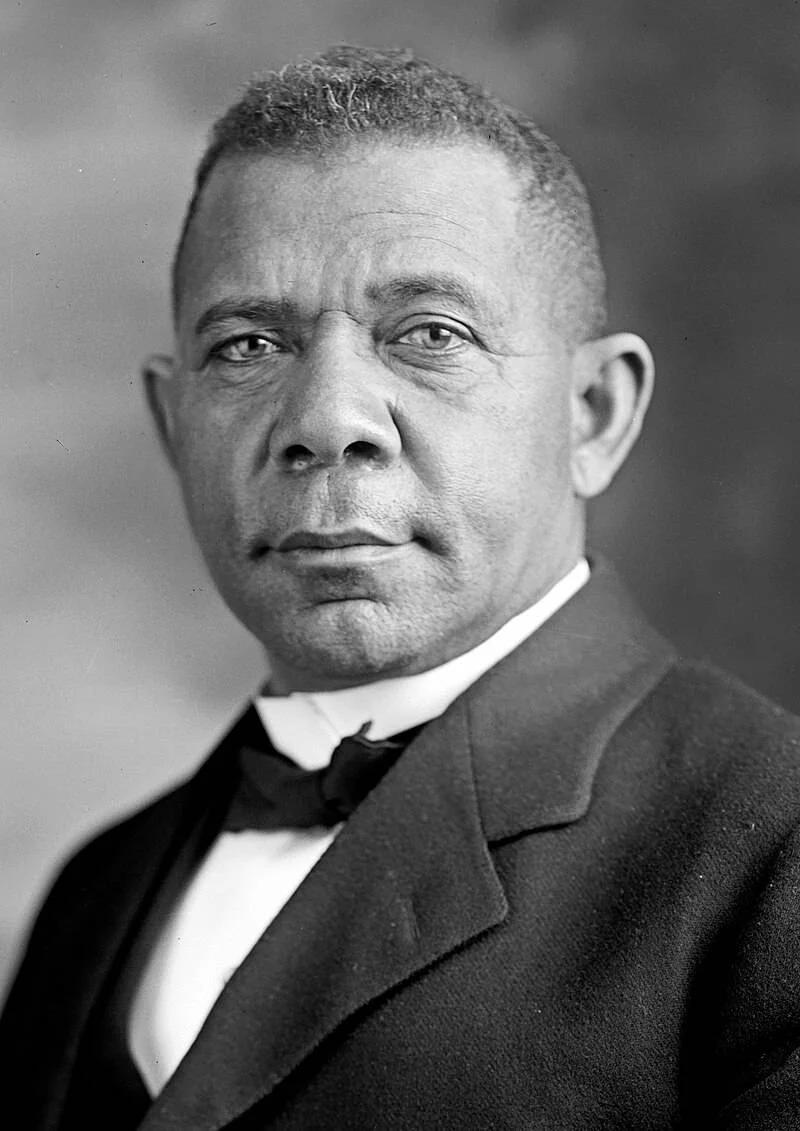
Booker T. Washington
Born05 Apr, 1856
Died14 Nov, 1915
NationalityAmerican
Age at time of death59
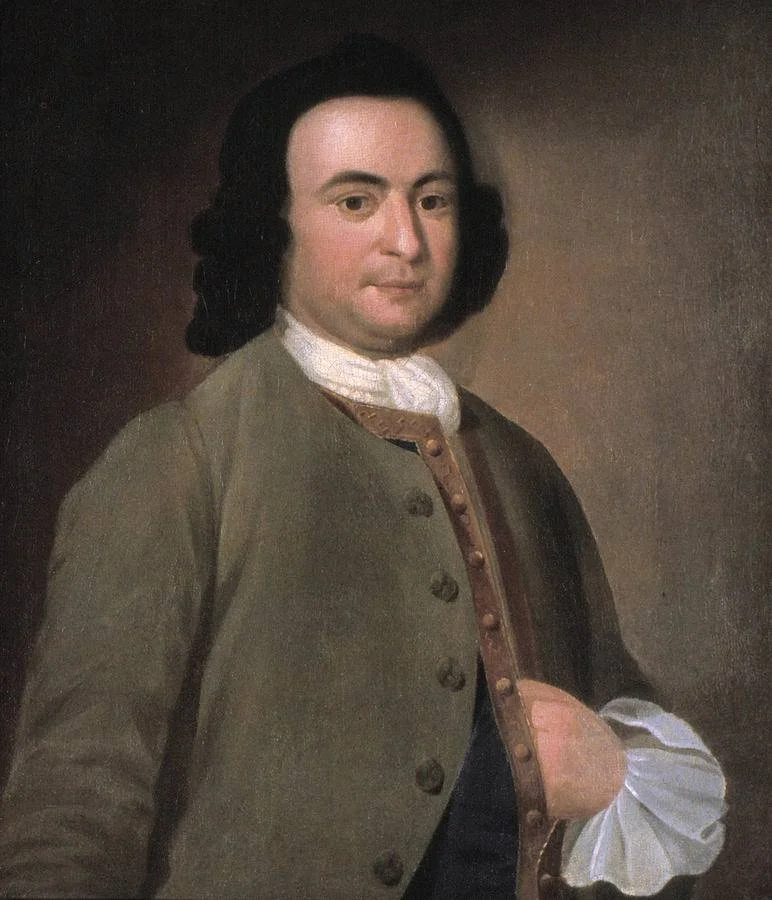
George Mason
Born11 Dec, 1725
Died07 Oct, 1792
NationalityAmerican, British
Age at time of death66
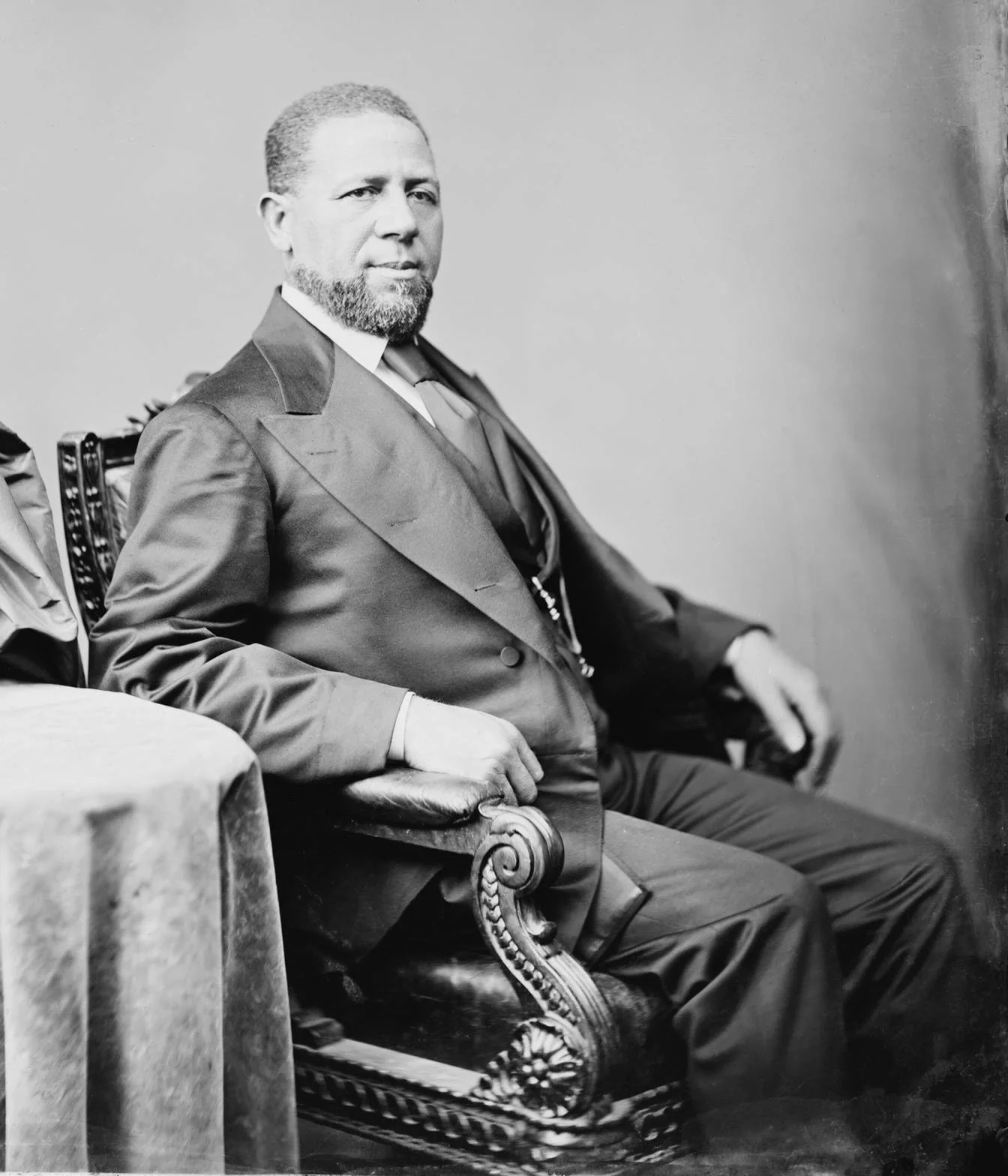
Hiram R. Revels
Born27 Sep, 1827
Died16 Jan, 1901
NationalityAmerican
Age at time of death73