Real Celebrities Never Die!
OR
Search For Past Celebrities Whose Birthday You Share
Died Age: 95
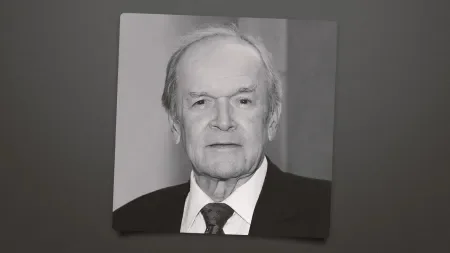
www.hollywoodreporter.com
Frank Price
Birthday:
16 May, 1930
Date of Death:
24 Aug, 2025
Cause of death:
Natural Causes
Nationality:
American
Famous As:
American television writer
Age at the time of death:
95
William Francis Price Jr.'s Quote's

“Unwilling to base my decisions on other people's perceptions, I spent a lot of my time reading scripts. From what I understand, however, that's the exception rather than the rule”
William Francis Price Jr.
🔗 deadcelebrityhub.com
Frank Price Early Life
Frank Price was a rare breed in Hollywood: a studio chief with a writer’s soul, a storyteller who navigated the cutthroat world of film and television with quiet ambition and a steady eye for risk. He rose from editing TV scripts to declaring greenlights on films that became cultural landmarks—Gandhi, Ghostbusters, The Karate Kid, Out of Africa. He believed deeply in the power of story, and his career reflects both the joys and the perils of trying to merge artistry with massive commercial scale. By the time he stepped back, his influence had shaped formats, launched careers, and helped define modern studio leadership.
William Francis “Frank” Price Jr. was born on May 17, 1930, in Decatur, Illinois. His early years were shaped by both instability and vivid exposure to the possibility of Hollywood. His family moved often—his father seeking work during the Great Depression took them through several cities. Meanwhile, his mother worked in the cafeteria of Warner Bros. in Glendale, California, which meant young Frank got to catch glimpses of film sets and screen legends—Errol Flynn, Humphrey Bogart, Olivia de Havilland—photos of which he would later treasure, inscribed “To Frankie.” This paradox of displacement and early proximity to cinema planted seeds: curiosity, imagination, the sense that stories mattered.
After high school, Frank served about a year in the U.S. Navy, then enrolled at Michigan State University. He later transferred to Columbia University, drawn by a love of writing. However, fate interrupted formal education: at 21, he dropped out to take a job reading story submissions for CBS Television. That moment, choosing story work over campus life, was one of his first career pivots—and turned out to be a foundational one.
Education & Formative Influences
Though he didn’t finish college, Frank’s education was rich—and self-directed. The reading and editing work he did early in his career sharpened his sense of plot, character, and what keeps an audience engaged. His time as a CBS story editor, followed by similar roles at Columbia Pictures and eventually Universal Television, exposed him not only to what makes a good script, but also to how production, pacing, network constraints, and budgets shape story in different ways.
Mentorship also mattered: his years at Universal under Lew Wasserman and Sid Sheinberg taught him lessons about both the creative side—what risks to take—and the business side—how to balance stakeholder pressure, corporate politics, and audience expectations.
Career Journey
Frank Price’s work can be divided into several phases: the script-to-television phase; rise in television executive ranks; studio leadership with Columbia and Universal; later independent production and legacy work.
Early Television Years
In the 1950s, Price got his start writing and editing scripts for CBS, then Columbia, then moved to Universal Television in 1959. He quickly made a mark by developing ambitious content: The Virginian, a 90-minute western series, was one of the first of its kind, and he was involved in early made-for-TV movies like The Doomsday Flight. He also supervised or shaped shows that became television staples—programs like Columbo, Kojak, The Rockford Files. In television, Price learned to spot what would work in front of the camera—voice, structure, character arcs—and how to collaborate with writers, producers, network executives.
Major Studio Leadership: Columbia and Universal
In 1978, he boldly left Universal Television to become president of Columbia Pictures. Under his leadership, Columbia released films that were both critical triumphs and box-office successes: Kramer vs. Kramer, Tootsie, Gandhi, The Karate Kid. He didn’t shy away from projects many considered risky; he saw promise where others saw danger.
Later, he returned to Universal in a top leadership role where he helped greenlight Back to the Future, Out of Africa, and other major films. But not all gambles paid off: among them was Howard the Duck, which flopped spectacularly and contributed to his departure from Universal. His time as executive was marked by a mix of massive hits, occasional misfires, internal politics, and the constant tension between art and commerce.
Independent Production & Later Years
After stepping down from studio executive positions, Price founded Price Entertainment. In this role he produced films that, while often lower in budget, were carefully selected and artistically driven: Shadowlands, Circle of Friends, A Bronx Tale, The Tuskegee Airmen, among others. He stayed active in evaluating scripts, championing emerging directors, and guiding projects until about 2001. As the industry changed—blockbusters, franchise movies, shifting distribution—he remained committed to story and to mentorship.
Personal Life
Frank Price married actress Katherine Crawford in 1965. Father to several sons, including Roy Price (who became a media executive in his own right) and David Price (a film director), he balanced intense studio responsibilities with family life. Though his work often required him to make tough decisions—saying no, taking risks, enduring criticism—those close to him describe him as thoughtful, low-key, quietly passionate about cinema. He collected memories: postcards from early sets, photos, drafts of scripts, always retaining a writer’s curiosity even in his executive roles.
One telling detail: while many studio executives are known for grand gestures or loud egos, Price was known for understatement—soft-spoken but firm, someone whose decisions often revealed themselves after audiences saw the final cut. His reputation for having an unreadable expression in meetings earned him nicknames, but those who worked with him say he listened deeply and judged on story, character, and heart.
Legacy
Frank Price passed away on August 25, 2025, in Santa Monica at age 95. He leaves behind a legacy that spans both television and film, business leadership and storytelling craft.
He played a key role in shaping modern television formats: helped popularize the made-for-TV movie, the miniseries, and the long dramatic series.
As a studio executive, he approved and shepherded films that have become cultural touchstones—stories that not only entertained but also earned awards, shaped careers, and reflected the shifts of Hollywood across decades.
He helped launch or support many filmmakers and stars through his vision—taking risks on new voices, not always playing safe, investing in projects that mattered.
His example shows one path for creative leadership: working from writing roots, staying curious, listening, being willing to both say yes and sometimes to walk away.
Conclusion
Frank Price’s life was a testament to the enduring power of story: not only in the films we remember, but in how those stories came to the screen—the decisions behind the “yeses” and “nos,” the confidence to try something new, the patience to wait when others demanded immediate returns. He was an executive who understood that great movies often begin with quiet convictions and risk, that leadership is less about prestige than responsibility, and that in Hollywood, the story behind the story counts. His impact will be felt whenever someone watches Ghostbusters and laughs, or Gandhi and reflects, or A Bronx Tale and connects—and remembers that someone believed enough to greenlight that dream.
Profile Snapshot
Name:
William Francis Price Jr.
Popular Name:
Frank Price
Gender:
Male
Cause of Death:
Natural Causes
Spouse:
Barbara Christensen
Phyllis Hull
Katherine Crawford
Place of Birth:
Decatur, Illinois, U.S.
Place of Death:
Santa Monica, California, U.S.
Occupation / Profession:
American television writer
Film studio executive
Personality Type
Defender: Frank Price appears as a driven, strategic leader who builds structure, systems, and emotionally engaging experiences; he pushes boundaries, prioritizes results, and inspires others while insisting on consistency and excellence.
William Francis Price Jr.'s Interesting Facts
Frank Price began his career as a television writer and editor before rising to become president and later chairman and CEO of Columbia Pictures.
He played a pivotal role in developing the made-for-TV movie and 90-minute miniseries formats, overseeing shows like The Virginian and The Six Million Dollar Man.
At Columbia Pictures, Price greenlit iconic films such as Gandhi, Tootsie, Ghostbusters, and The Karate Kid, all of which achieved critical and commercial success.
After leaving Universal Pictures, Price founded Price Entertainment, producing films like Shadowlands and A Bronx Tale.
Achievements & Awards
Frank Price was inducted into the International Aerobatics Hall of Fame in 1987, honoring his pioneering role in American aerobatics. He also founded the American Tiger Club, the first aerobatic organization in the United States, and played a key role in establishing the International Aerobatic Club.
External Links