Real Celebrities Never Die!
OR
Search For Past Celebrities Whose Birthday You Share
Died Age: 80

www.rollingstone.com
Françoise Hardy
Birthday:
17 Jan, 1944
Date of Death:
11 Jun, 2024
Cause of death:
Laryngeal cancer
Nationality:
French
Famous As:
Actress
Age at the time of death:
80
Françoise Madeleine Hardy's Quote's

“Style is something very simple; it’s a question of instinct.”
Françoise Madeleine Hardy
🔗 deadcelebrityhub.com
Early Life: A Quiet Girl with Big Dreams
To listen to Françoise Hardy is to be transported into a world of rain-streaked windows, whispered longing, and elegant restraint. With her haunting voice and introspective lyrics, she became more than just a pop star—she became the personification of wistful beauty in postwar Europe.
A singer, songwriter, fashion icon, and reluctant celebrity, Françoise Hardy defined the yé-yé generation while always standing slightly apart from it—cooler, quieter, more profound. Her story is one of a woman navigating fame on her own terms, channeling personal emotion into music that touched millions, and crafting a legacy built on authenticity, elegance, and introspection.
Françoise Madeleine Hardy was born on January 17, 1944, in Ninth Arrondissement, Paris, during the final, uncertain years of World War II. Raised primarily by her mother, she grew up in a modest household marked by emotional distance and financial hardship. Her father, largely absent, provided for the family but remained an aloof presence in her early life.
As a shy and sensitive child, Françoise found refuge in books and music. She described herself as lonely but imaginative—a girl who dreamed of love long before she ever experienced it. Music became her language of longing, and the radio, her first escape route.
On her 16th birthday, her father gave her a guitar. It was a small gesture—but it changed her life. She began writing songs almost immediately, drawing inspiration from French chanson, American folk, and the emotional clarity of singers like Charles Trenet and Paul Anka.
Education: Studying Words and Worlds
Françoise attended the Sorbonne, studying German and literature while harboring quiet ambitions of becoming a songwriter. She also briefly trained at the Petit Conservatoire de la Chanson, a school for aspiring singers run by Mireille Hartuch. But academic success took a backseat when she sent a demo tape to the Vogue label in 1961—and was signed shortly thereafter.
At just 18, Hardy was catapulted from anonymous student to national sensation.
Career Journey
Breakthrough and the Rise of a Reluctant Star
Her first hit, “Tous les garçons et les filles” (1962), was a melancholic anthem of adolescent longing. Sung with gentle conviction and minimal orchestration, it became an instant success—selling over two million copies and capturing the ache of every teenager who had ever felt alone at a school dance.
Hardy stood apart from her contemporaries in the yé-yé pop movement, which often favored bubblegum cheerfulness. She brought a literary quality to her lyrics and a sense of emotional realism to her performances. With her solemn gaze, soft voice, and androgynous style, she seemed both of her time and ahead of it.
She quickly became a pan-European icon, recording songs in English, Italian, and German. Artists like Mick Jagger called her the “ideal woman”; Bob Dylan dedicated poems to her. Yet she remained elusive—never courting fame, never entirely comfortable under the spotlight.
Fun Fact: Despite her success, Hardy suffered from extreme stage fright and rarely toured. Her discomfort with performance only added to her mystique.
Evolution as a Songwriter and Artist
Hardy insisted on writing her own material, something unusual—and often resisted—for female pop singers of the era. Her 1960s albums, particularly Mon amie la rose (1964) and La maison où j’ai grandi (1966), elevated her from teen idol to serious artist.
In the 1970s, she experimented with more ambitious musical textures—collaborating with Serge Gainsbourg, Gabriel Yared, and Michel Berger. Her voice matured, as did her themes: lost love, existential uncertainty, aging, and mortality.
Highlights include the cosmic-tinged Message Personnel (1973) and the introspective La Question (1971), an album influenced by Brazilian guitarist Tuca that was initially overlooked but later hailed as a masterpiece.
Later Career and Literary Turn
Hardy’s later albums, such as Clair-Obscur (2000) and L’Amour fou (2012), reflect a woman still searching for emotional truth. Sparse, poetic, and deeply personal, they show an artist aging with grace—unwilling to chase trends but always willing to explore inner landscapes.
She also published novels and memoirs, including Le Désespoir des singes (2008), offering candid insights into her life, career, and struggles with illness.
Despite recurring battles with cancer in her later years, Hardy continued to write and record, working on music even into her late 70s.
Personal Life: A Love Both Public and Private
Hardy’s long, complex relationship with fellow singer Jacques Dutronc became part of French pop mythology. They had one son, Thomas Dutronc, himself a successful musician. Though their romantic relationship evolved over time, the bond between them endured—a story of affection, independence, and quiet resilience.
Françoise was deeply private, often describing herself as an introvert. She preferred solitude to parties, introspection to interviews. Astrology fascinated her, as did philosophy, particularly Eastern mysticism and Jungian thought.
Legacy: The Velvet Soul of French Pop
Françoise Hardy redefined what it meant to be a pop star. She brought literary intelligence to pop songwriting, emotional honesty to a glossy genre, and dignity to an industry that often prizes artifice. Her voice—fragile yet wise, intimate yet universal—remains one of the most recognizable in European music.
Artists from Cat Power to Beach House, Charlotte Gainsbourg to Sufjan Stevens, have cited her as an influence. Her songs continue to appear in films, from Moonrise Kingdom to The Dreamers, ensuring that each new generation rediscovers her unique magic.
To this day, she remains an emblem of artistic integrity—proof that one can be a global icon without losing oneself in the process.
Françoise Hardy is not simply remembered—she is felt. In every sigh of her voice, every aching lyric, and every soul that ever loved in silence, her legacy lingers: a poet of longing, a beacon of quiet elegance, and a timeless voice for the tender-hearted.
Profile Snapshot
Name:
Françoise Madeleine Hardy
Popular Name:
Françoise Hardy
Gender:
Female
Cause of Death:
Laryngeal cancer
Spouse:
Jacques Dutronc
Place of Birth:
Paris, France
Place of Death:
Paris, France
Occupation / Profession:
Actress
Author
French singer
Songwriter
Personality Type
Mediator Poetic, kind and altruistic people, always eager to help a good cause. Françoise Hardy is a poetic, thoughtful, and deeply introspective soul who expresses her inner world through gentle creativity and emotional authenticity.
Françoise Madeleine Hardy's Interesting Facts
Besides singing, she is also a talented songwriter and has penned many of her own hits.
Françoise Hardy became an icon of the 1960s French yé-yé music scene with her melancholic and poetic songs.
Hardy was known for her effortlessly chic style, influencing fashion trends far beyond France.
She has had a long-lasting career, continuing to release music and perform for over five decades.
Achievements & Awards
Françoise Hardy received several prestigious awards throughout her career, including the Grand Prix de l'Académie Charles Cros in 2006 for her influence on French music.
She was also made an Officer of the French Legion of Honour in recognition of her cultural contributions.
External Links
Additional Links
Latest Profiles
People also viewed
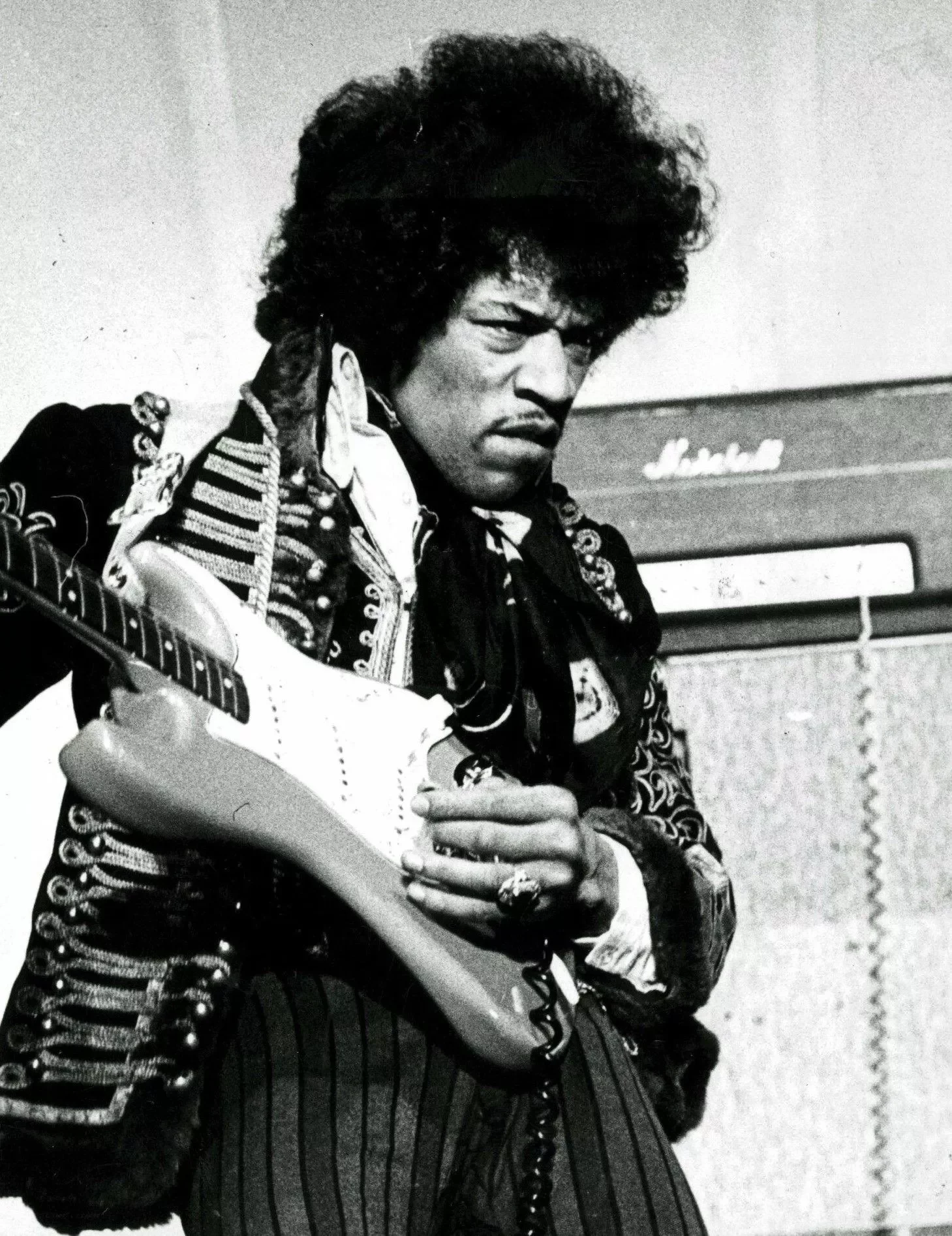
Jimi Hendrix
Born27 Nov, 1942
Died18 Sep, 1970
NationalityAmerican
Age at time of death27
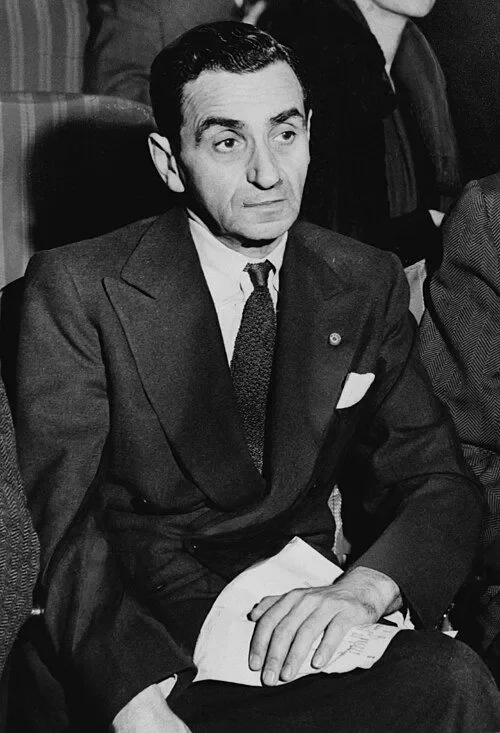
Irving Berlin
Born11 May, 1888
Died22 Sep, 1989
NationalityAmerican
Age at time of death101
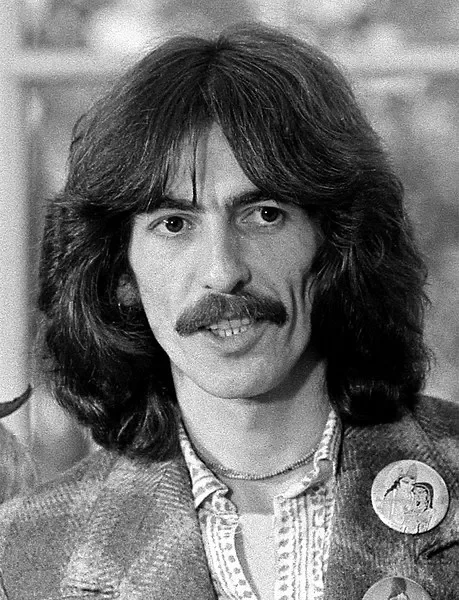
George Harrison
Born25 Feb, 1943
Died29 Nov, 2001
NationalityBritish
Age at time of death58
Eva Crane
Born12 Jun, 1912
Died06 Sep, 2007
NationalityBritish
Age at time of death95
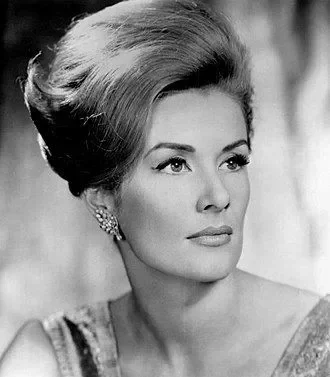
Sally Ann Howes
Born20 Jul, 1930
Died19 Dec, 2021
NationalityBritish, American
Age at time of death91
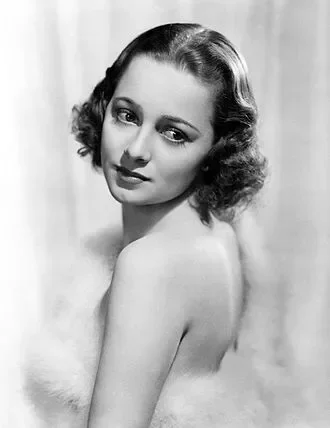
Olivia de Havilland
Born01 Jul, 1916
Died26 Jul, 2020
NationalityBritish, American
Age at time of death104
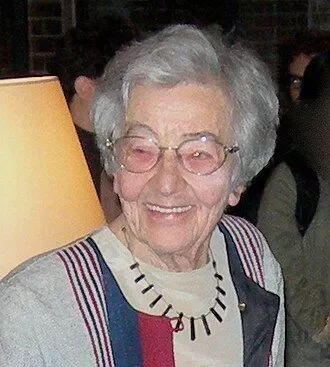
Ursula Franklin
Born16 Sep, 1921
Died22 Jul, 2016
NationalityGerman, Canadian
Age at time of death94
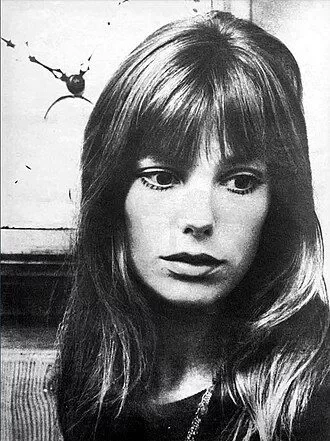
Jane Birkin
Born14 Dec, 1946
Died16 Jul, 2023
NationalityBritish, French
Age at time of death76
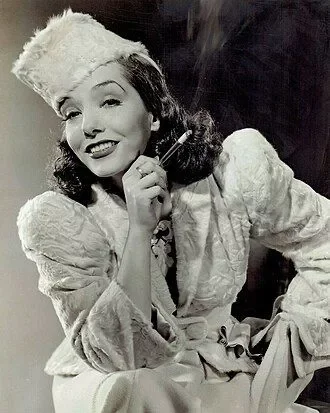
Lupe Vélez
Born18 Jul, 1908
Died14 Dec, 1944
NationalityMexican
Age at time of death36
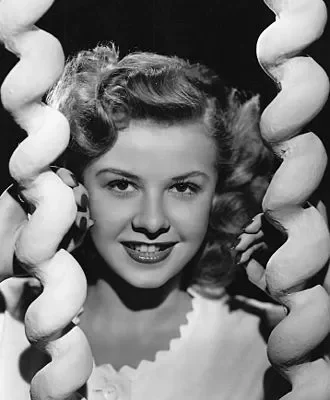
Vera-Ellen
Born16 Feb, 1921
Died30 Aug, 1981
NationalityAmerican German
Age at time of death60
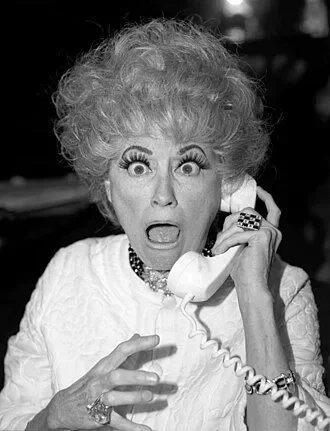
Phyllis Diller
Born17 Jul, 1917
Died20 Aug, 2012
NationalityAmerican
Age at time of death95
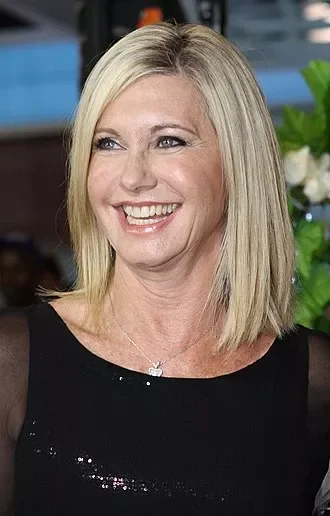
Olivia Newton-John
Born26 Sep, 1948
Died08 Aug, 2022
NationalityBritish, Australian
Age at time of death73
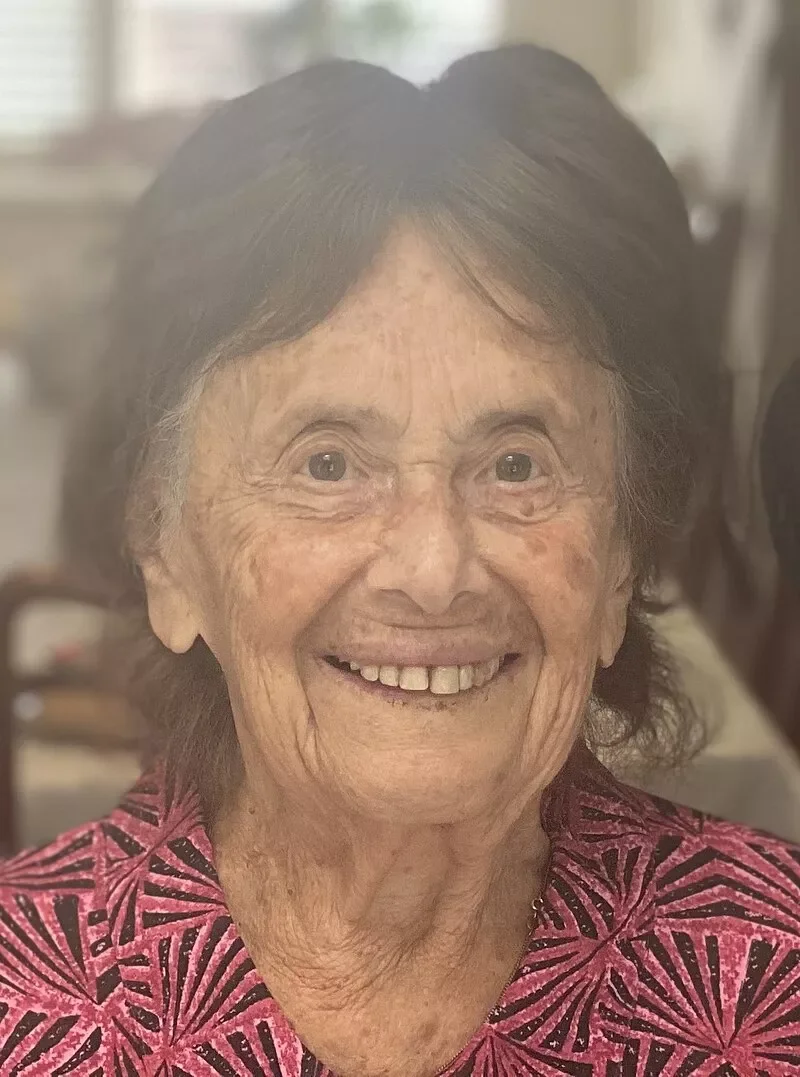
Lily Ebert
Born29 Dec, 1923
Died09 Oct, 2024
NationalityHungarian, British
Age at time of death100
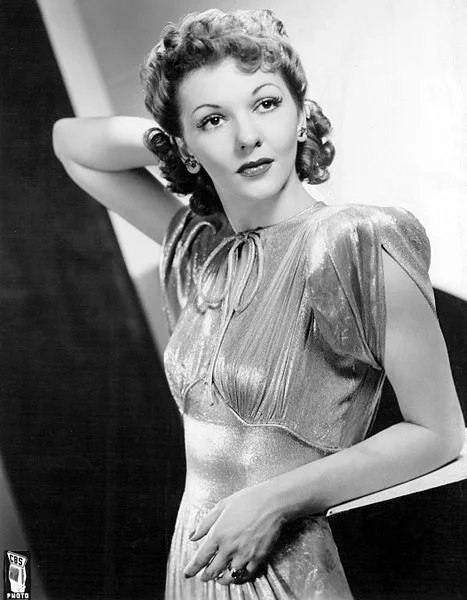
Mary Martin
Born01 Dec, 1913
Died03 Nov, 1990
NationalityAmerican
Age at time of death76
Jonas Cohn
Born01 Dec, 1869
Died28 Jan, 1947
NationalityGerman
Age at time of death77
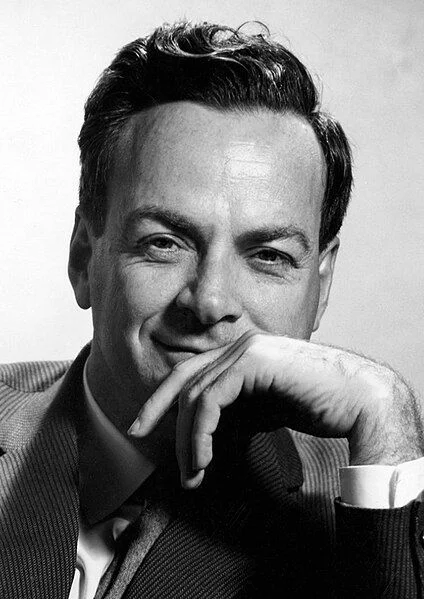
Richard Feynman
Born11 May, 1918
Died15 Feb, 1988
NationalityAmerican
Age at time of death69
Jim Morrison
Born08 Dec, 1943
Died03 Jul, 1971
NationalityAmerican
Age at time of death27

Biz Markie
Born08 Apr, 1964
Died16 Jul, 2021
NationalityAmerican
Age at time of death57
Marshall Brain
Born17 May, 1961
Died20 Nov, 2024
NationalityAmerican
Age at time of death63
Barry White
Born12 Sep, 1944
Died04 Jul, 2003
NationalityAmerican
Age at time of death58