Real Celebrities Never Die!
OR
Search For Past Celebrities Whose Birthday You Share
Died Age: 86

i.guim.co.uk
Frederick Forsyth
Birthday:
24 Aug, 1938
Date of Death:
08 Jun, 2025
Cause of death:
Not publicly specified
Nationality:
British
Famous As:
Novelist
Age at the time of death:
86
Early Life: The Making of a Watchful Mind
Frederick Forsyth has always lived between two worlds — one of shadow and one of story. A man whose fiction blurred the line between reporting and espionage, he turned real-world intrigue into gripping narratives that felt almost prophetic. Best known for The Day of the Jackal, his debut that redefined the modern thriller, Forsyth built a career on precision, daring, and a lifelong fascination with truth concealed beneath deception.
Frederick McCarthy Forsyth was born on August 25, 1938, in Ashford, Kent, into an England still recovering from the tremors of war. His father, a furrier, encouraged curiosity and independence — qualities that would later become hallmarks of Forsyth’s journalistic and literary life. As a boy, he was captivated by flight, devouring stories about World War II pilots and sketching Spitfires in the margins of his schoolbooks. The skies represented freedom and adventure — a theme that would echo throughout his writing.
At Tonbridge School, Forsyth’s sharp intellect and curiosity stood out. He wasn’t the type to accept things at face value; he wanted to know the “why” and “how” behind every story. By the time he joined the Royal Air Force at just 19, he was already fluent in French and German — a skill that would later prove invaluable in his globe-spanning career. Forsyth trained as a fighter pilot, a dream fulfilled, though he later said it also taught him something more enduring: discipline, observation, and the value of quick thinking in the face of chaos.
Education and the Journalist’s Eye
Forsyth’s academic journey was unconventional. Instead of pursuing university, he dove headfirst into the world of journalism. His education came from the field, not the classroom — from the streets of Paris to the front lines of war zones. Joining Reuters at 23, he became one of its youngest correspondents, quickly earning a reputation for his accuracy and composure under pressure. His time in Europe honed his understanding of geopolitics and the cold logic of power — knowledge that would later infuse his novels with authenticity unmatched in the genre.
Career: From War Zones to Bestsellers
The Reporter in Dangerous Places
Forsyth’s early career as a foreign correspondent was anything but ordinary. Working for Reuters and later the BBC, he reported from volatile regions, including Biafra during the Nigerian Civil War. In 1967, his firsthand reporting on the humanitarian disaster in Biafra — often defying official restrictions — revealed both his courage and his conviction. But it also marked a turning point: disillusioned with bureaucracy and censorship, he left journalism behind. What he took with him was invaluable — a wealth of real-world experience and an insider’s understanding of global politics and espionage.
The Writer Who Redefined the Thriller
In 1971, Forsyth published The Day of the Jackal, the story of a professional assassin hired to kill French President Charles de Gaulle. Written in just 35 days, it was a masterclass in research and realism. The novel’s meticulous detail — from fake passports to sniper mechanics — left readers convinced it could have been a classified dossier. The book’s success was explosive, earning Forsyth international fame and reshaping the spy thriller genre overnight.
He followed it with The Odessa File (1972) and The Dogs of War (1974), both blending journalistic precision with moral inquiry. Forsyth’s stories were never just about action; they probed the machinery of power, corruption, and human ambition. In The Fourth Protocol and The Devil’s Alternative, he wove Cold War tension with real political insight, showing that thrillers could be intelligent without losing their edge.
Later Work and Enduring Relevance
Even in later decades, Forsyth’s writing retained its urgency. Works like The Afghan and The Cobra reflected post-9/11 realities, proving that his instinct for the zeitgeist never dulled. His final novel, The Fox (2018), tackled cyber warfare — a modern echo of the spy games he once chronicled on Cold War soil. Alongside his fiction, his memoir The Outsider: My Life in Intrigue offered readers a glimpse into the real adventures behind his stories — from dodging secret police to navigating international crises.
Fun fact: Forsyth once admitted to working briefly with British intelligence, though he downplayed its significance with typical understatement. It was never clear where fact ended and fiction began — a mystery he seemed to enjoy cultivating.
The Man Behind the Mysteries
Away from the thrill and tension of his novels, Forsyth led a life marked by intellect and independence. He married twice and raised two sons, valuing family even amid a career steeped in secrecy and global travel. A lover of fast cars, flying, and classical music, he embodied the adventurer-scholar archetype: a man as comfortable discussing geopolitics as he was piloting an aircraft. Despite his fame, he lived quietly in rural England, maintaining the privacy befitting someone who knew too much about the world’s hidden corridors.
Legacy: The Master of Authentic Intrigue
Frederick Forsyth’s impact on literature is indelible. He elevated the thriller from pulp entertainment to an art form of precision, realism, and intellectual depth. His works inspired generations of writers and even intelligence professionals, who admired his uncanny accuracy. Forsyth didn’t just write about spies — he wrote about systems, motivations, and moral dilemmas that defined the modern age.
Through stories steeped in fact yet propelled by imagination, he gave readers not only suspense but insight into the world’s invisible power struggles. In doing so, he became more than a novelist — he became a chronicler of the clandestine truths that shape our reality.
Frederick Forsyth’s legacy endures in every well-researched thriller that dares to bridge the gap between truth and fiction — a testament to the man who lived both.
Profile Snapshot
Name:
Frederick McCarthy Forsyth
Popular Name:
Frederick Forsyth
Gender:
Male
Cause of Death:
Not publicly specified
Spouse:
Sandy Molloy
Carole Cunningham
Place of Birth:
Ashford, United Kingdom
Place of Death:
Jordans, United Kingdom
Occupation / Profession:
Novelist
Journalist
Personality Type
Virtuoso: Frederick Forsyth was a master strategist of words — a visionary who turned the world’s hidden realities into thrilling, razor-sharp stories.
Frederick McCarthy Forsyth's Interesting Facts
Forsyth began his career as a journalist for Reuters at just 23, making him one of the youngest correspondents in Europe.
He once worked with British intelligence during his reporting years, which inspired much of his later fiction.
A lifelong aviation enthusiast, he earned his pilot’s wings as a teenager and continued flying for much of his life.
Achievements & Awards
Frederick Forsyth achieved international fame with The Day of the Jackal, which became an instant classic and won the Edgar Allan Poe Award for Best Novel.
Over his career, he sold millions of copies worldwide, with several of his books adapted into acclaimed films.
He was appointed a Commander of the Order of the British Empire (CBE) in 1997 for his services to literature.
His reputation as one of the most authentic and influential thriller writers of the 20th century remains firmly intact.
Latest Profiles
People also viewed
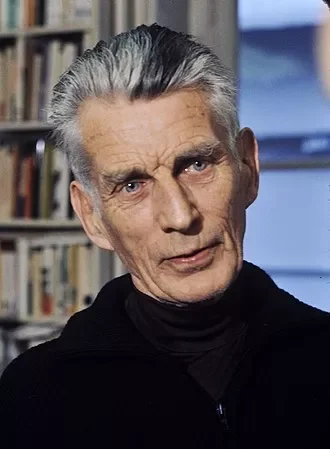
Samuel Beckett
Born13 Apr, 1906
Died22 Dec, 1989
NationalityIrish
Age at time of death83
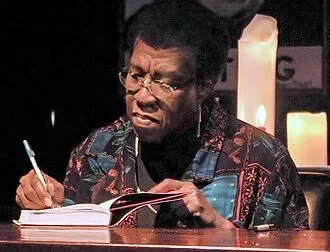
Octavia Butler
Born22 Jun, 1947
Died24 Feb, 2006
NationalityAmerican
Age at time of death58
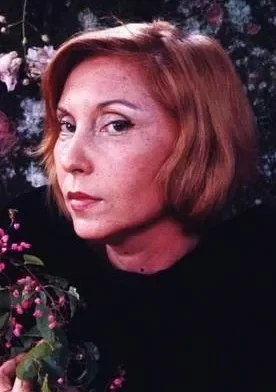
Clarice Lispector
Born10 Dec, 1920
Died09 Dec, 1977
NationalityBrazilian
Age at time of death56
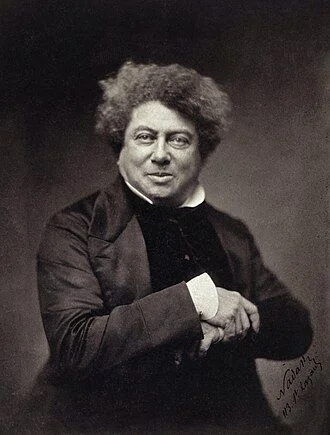
Alexandre Dumas
Born24 Jul, 1802
Died05 Dec, 1870
NationalityFrench
Age at time of death68
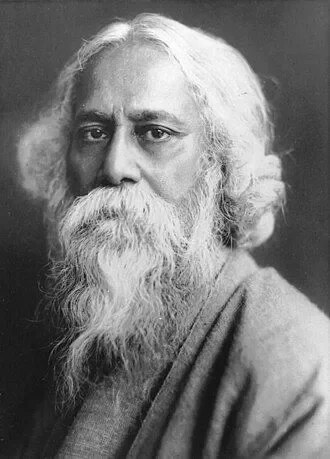
Rabindranath Tagore
Born07 May, 1861
Died08 Aug, 1941
NationalityIndian
Age at time of death80
George Trow
Born28 Sep, 1943
Died24 Nov, 2006
NationalityAmerican
Age at time of death63
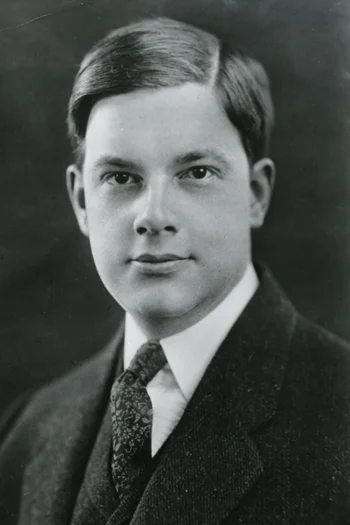
Joyce Kilmer
Born06 Dec, 1886
Died30 Jul, 1918
NationalityAmerican
Age at time of death31
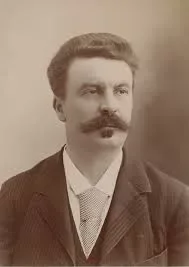
Guy de Maupassant
Born05 Aug, 1850
Died06 Jul, 1893
NationalityFrench
Age at time of death42
Victor Hugo
Born26 Feb, 1802
Died22 May, 1885
NationalityFrench
Age at time of death83
Rajendra Prasad
Born03 Dec, 1884
Died28 Feb, 1963
NationalityIndian
Age at time of death78
William Peter Blatty
Born07 Jan, 1928
Died12 Jan, 2017
NationalityAmerican
Age at time of death89
Nellie Bly
Born05 May, 1864
Died27 Jan, 1922
NationalityAmerican
Age at time of death57
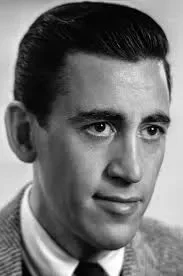
J. D. Salinger
Born01 Jan, 1919
Died27 Jan, 2010
NationalityAmerican
Age at time of death91
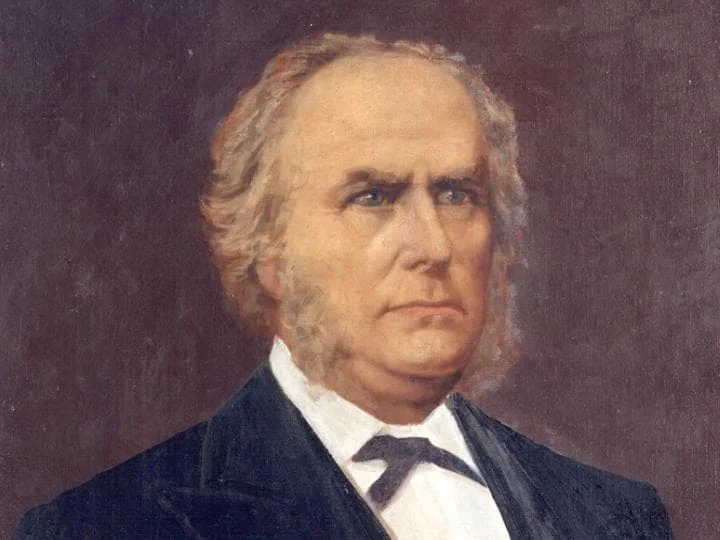
James Harrison
Born17 Apr, 1816
Died03 Sep, 1893
NationalityScottish,Australian
Age at time of death77
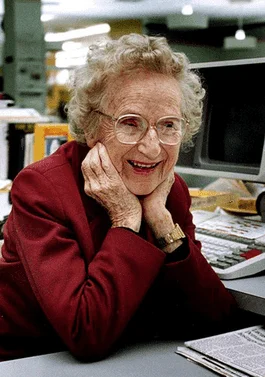
Carolyn Keene
Born20 Oct, 1925
Died28 May, 2002
NationalityAmerican
Age at time of death76
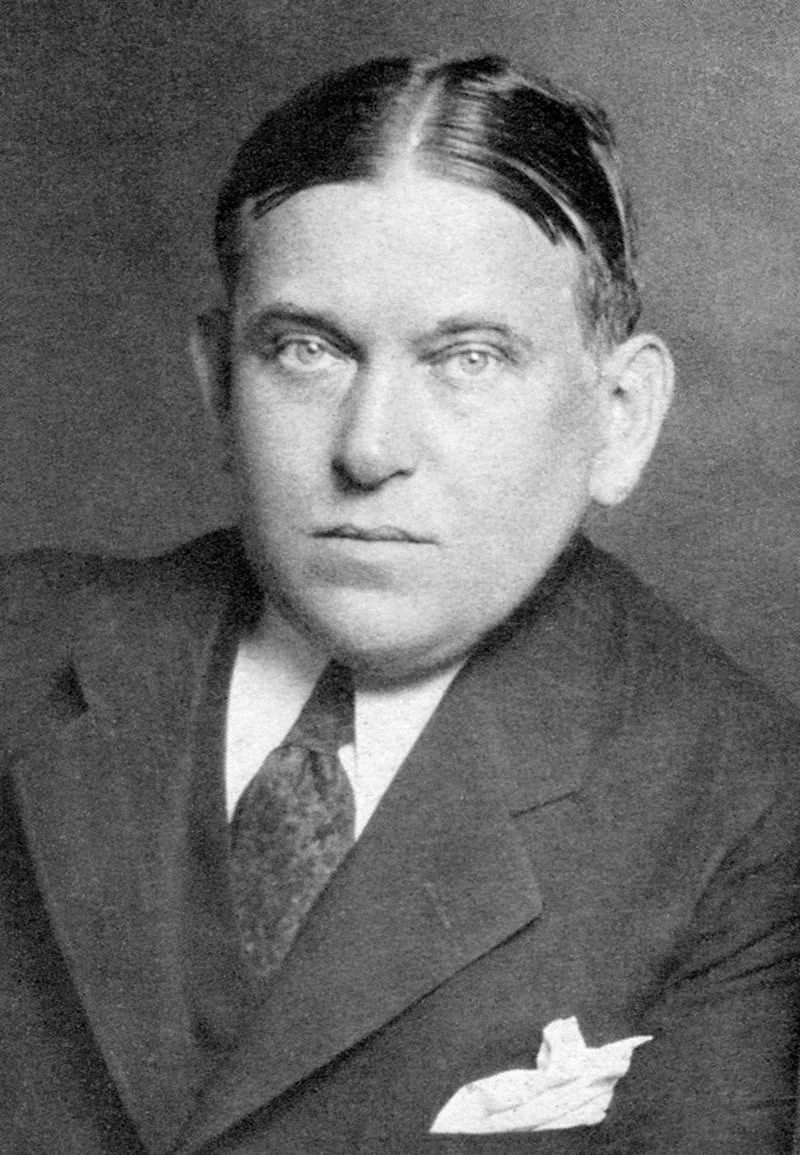
H. L. Mencken
Born12 Sep, 1880
Died29 Jan, 1956
NationalityAmerican
Age at time of death75
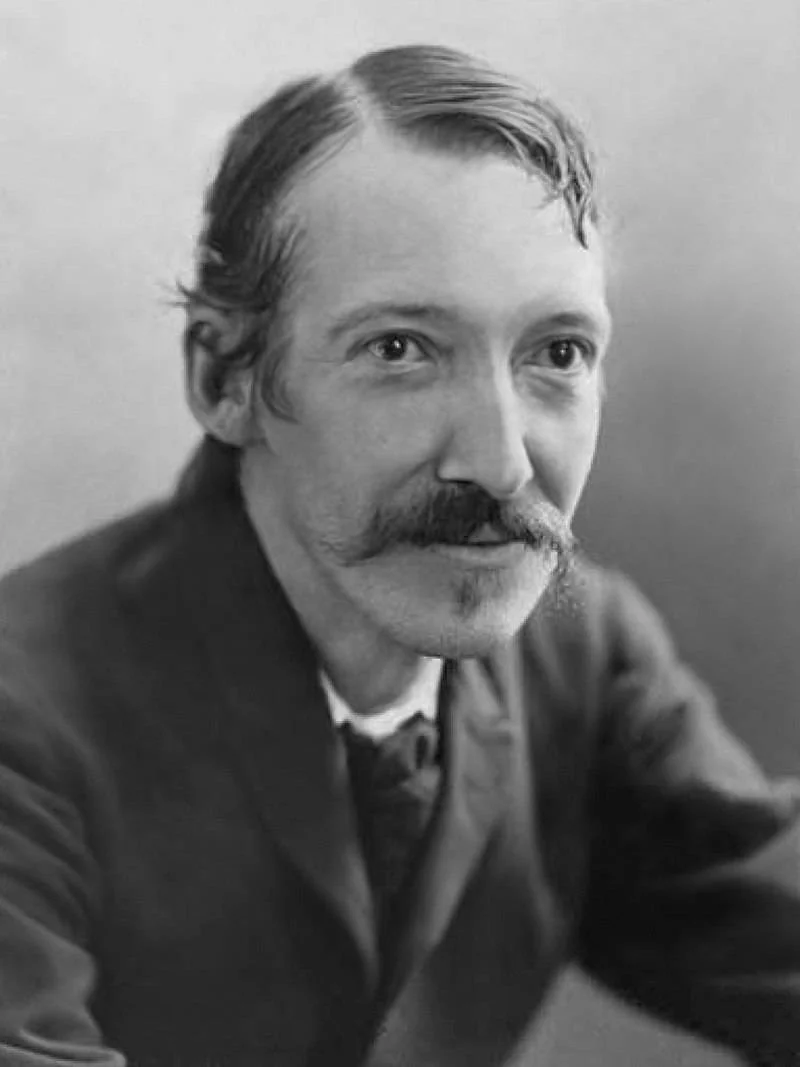
Robert Louis Steveson
Born13 Nov, 1850
Died03 Dec, 1894
NationalityBritish, Scotland
Age at time of death44
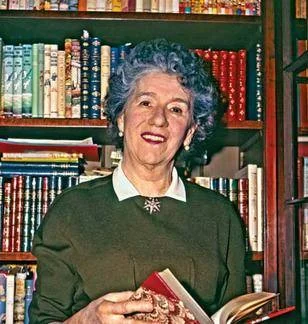
Enid Blyton
Born11 Aug, 1897
Died28 Nov, 1968
NationalityBritish
Age at time of death71
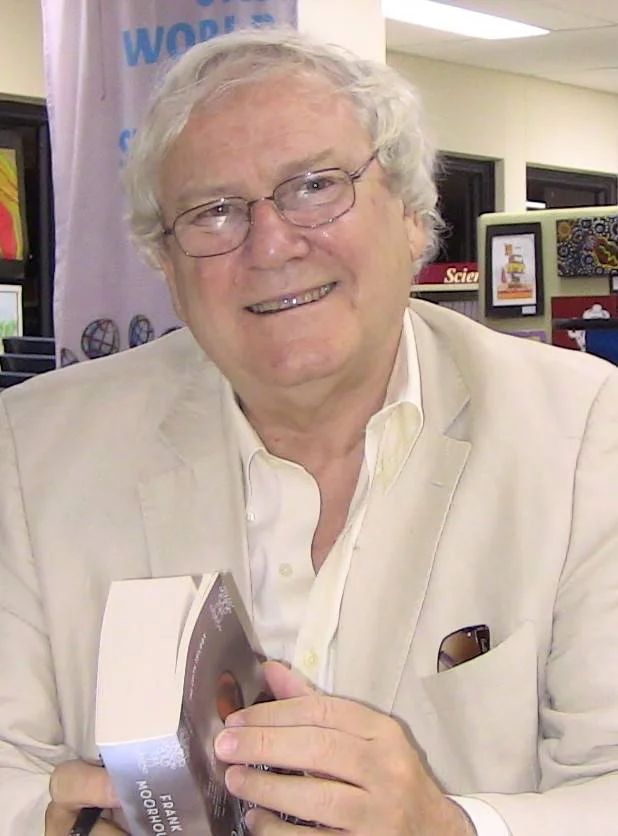
Frank Moorhouse
Born21 Dec, 1938
Died26 Jun, 2022
NationalityAustralian
Age at time of death83
Henry Morton Stanley
Born28 Jan, 1841
Died10 May, 1904
NationalityAmerican, British
Age at time of death63