Real Celebrities Never Die!
OR
Search For Past Celebrities Whose Birthday You Share
Died Age: 72
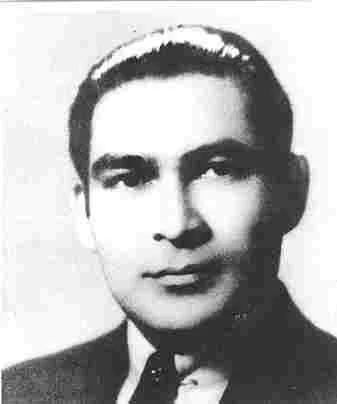
wikipedia.org
Fulgencio Batista
Birthday:
16 Jan, 1901
Date of Death:
06 Aug, 1973
Cause of death:
Heart attack
Nationality:
Cuban
Famous As:
Dictator
Age at the time of death:
72
Fulgencio Batista y Zaldívar's Quote's

“Castro is a bandit, not a liberator.”
Fulgencio Batista y Zaldívar
🔗 deadcelebrityhub.com
Early Life and Family Background
Fulgencio Batista y Zaldívar, born on January 16, 1901, in Banes, a small town in Cuba’s Oriente Province, rose from humble beginnings to become one of the most polarizing figures in Cuban history. His life was marked by two distinct periods of leadership—first as an elected president and later as a military dictator. His legacy remains deeply divisive, symbolizing both modernization and repression in mid-20th-century Cuba. Fulgencio Batista was born into a poor family of mixed racial heritage. His parents worked on a sugar plantation, which shaped his early understanding of Cuba’s socio-economic disparities. Despite these challenges, Batista displayed ambition and resilience. In 1921, he joined the Cuban Army as a stenographer, a position that allowed him to observe the inner workings of military and political power.
Education and Formative Years
Although Batista had limited formal education during his youth, his time in the military provided him with opportunities to learn and network. His rise through the ranks was fueled by his intelligence and ability to navigate the complex political landscape of Cuba during the turbulent 1920s and 1930s.
Personal Life
atista married Elisa Godínez Gómez in 1926, with whom he had three children. Later in life, he married Marta Fernández Miranda, his second wife, with whom he had five additional children. His personal life was marked by loyalty to his family, even as his political career often placed them under public scrutiny.
Rise to Power: The Revolt of the Sergeants
In September 1933, Batista emerged as a key figure in the “Revolt of the Sergeants,” a military coup that overthrew the provisional government of Carlos Manuel de Céspedes y Quesada. This rebellion catapulted Batista into prominence as he assumed control of the armed forces and became Cuba’s de facto leader. Although he initially ruled through puppet presidents, Batista consolidated his power by cultivating alliances with labor unions, student groups, and influential sectors of society.
First Presidency (1940–1944)
In 1940, Batista ran for president under a populist platform and won in one of Cuba’s first elections under its new constitution. During this term, he implemented significant reforms, including expanding education and public works programs. He also aligned Cuba with the Allies during World War II. Despite these achievements, his presidency was marred by allegations of corruption. After losing the 1944 election to Ramón Grau San Martín, Batista moved to Florida.
Return to Power: The Military Coup of 1952
Batista returned to Cuba in 1952 to run for president again but faced certain electoral defeat. Before the election could take place, he staged a military coup against President Carlos Prío Socarrás and seized power. This marked the beginning of his second period of rule, characterized by authoritarianism and close ties with U.S. business interests. During this time, Batista suspended constitutional liberties and aligned himself with wealthy landowners and American corporations. Havana became a playground for foreign investors and organized crime syndicates, while much of the Cuban population suffered from poverty and inequality. His regime faced growing opposition from revolutionary groups led by Fidel Castro and Che Guevara.
Downfall and Exile
By the late 1950s, widespread discontent with Batista’s repressive policies culminated in the Cuban Revolution. On January 1, 1959, after rebel forces captured Santa Clara under Che Guevara’s leadership, Batista fled Cuba for exile in the Dominican Republic. He eventually settled in Marbella, Spain.
Death and Legacy
Fulgencio Batista died on August 6, 1973, in Marbella at the age of 72. Officially reported as a heart attack, his death came just days before an alleged assassination attempt by agents loyal to Fidel Castro could be carried out. Batista’s legacy remains controversial. Supporters credit him with modernizing Cuba’s infrastructure and economy during his first presidency. Critics condemn his second regime for its corruption, human rights abuses, and deepening social inequalities that fueled revolutionary fervor. Today, he is remembered as both a reformer who sought progress for Cuba and a dictator whose actions contributed to its political upheaval.
Profile Snapshot
Name:
Fulgencio Batista y Zaldívar
Popular Name:
Fulgencio Batista
Gender:
Male
Cause of Death:
Heart attack
Spouse:
Elisa Godínez y Gómez
Marta Fernández Miranda
Place of Birth:
Banes, Oriente Province, Cuba
Place of Death:
Guadalmina, near Marbella, Spain
Occupation / Profession:
Dictator
Military Officer
Politician
Personality Type
Commander: Bold, imaginative and strong-willed leaders, always finding a way – or making one. He was known for his pragmatic leadership and authoritarian style.
Fulgencio Batista y Zaldívar's Interesting Facts
Batista worked as a tailor, carpenter, and cane cutter before joining the army.
He fled to the Dominican Republic and later Spain after the 1959 revolution.
He lived extravagantly in exile with millions in stolen wealth.
His regime was backed by the U.S. and the American mafia.
Achievements & Awards
Developed infrastructure projects like the Havana-Varadero highway.
Led the 1933 "Sergeants’ Revolt" to gain power.
Received the Order of Carlos Manuel de Céspedes (Cuba’s highest honor).
Served as elected President of Cuba (1940–1944).
Staged a coup to become dictator (1952–1959).
External Links
Additional Links
https://web.archive.org/web/20090222015325/http:/latinamericanhistory.about.com/od/historyofthecaribbean/a/08fbatista.htmhttps://www.britannica.com/biography/Fulgencio-Batistahttps://www.historylearningsite.co.uk/modern-world-history-1918-to-1980/the-cold-war/fulgencio-batista/https://www.imdb.com/name/nm0061145/bio/https://www.infoplease.com/people/who2-biography/fulgencio-batistahttps://www.pbs.org/wgbh/americanexperience/features/castro-fulgencio-batista-1901-1973/
Latest Profiles
People also viewed
Gerald Ford
Born14 Jul, 1913
Died26 Dec, 2006
NationalityAmerican
Age at time of death93
Colonel Sir Benjamin Thompson, Count Rumford
Born26 Mar, 1753
Died21 Aug, 1814
NationalityAmerican, British
Age at time of death61
James Stewart
Born20 May, 1908
Died02 Jul, 1997
NationalityAmerican
Age at time of death89
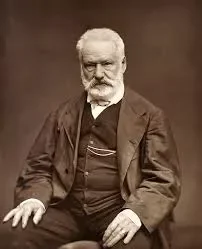
Victor Hugo
Born26 Feb, 1802
Died22 May, 1885
NationalityFrench
Age at time of death83
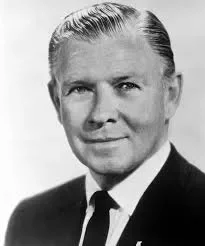
George Murphy
Born04 Jul, 1902
Died03 May, 1992
NationalityAmerican
Age at time of death89
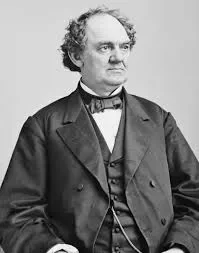
P. T. Barnum
Born05 Jul, 1810
Died07 Apr, 1891
NationalityAmerican
Age at time of death80
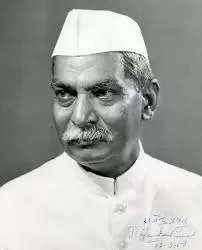
Rajendra Prasad
Born03 Dec, 1884
Died28 Feb, 1963
NationalityIndian
Age at time of death78
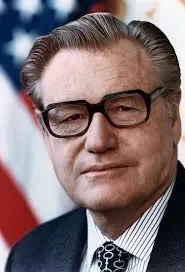
Nelson Rockefeller
Born08 Jul, 1908
Died26 Jan, 1979
NationalityAmerican
Age at time of death70

Ethan Allen
Born21 Jan, 1738
Died12 Feb, 1789
NationalityAmerican
Age at time of death51
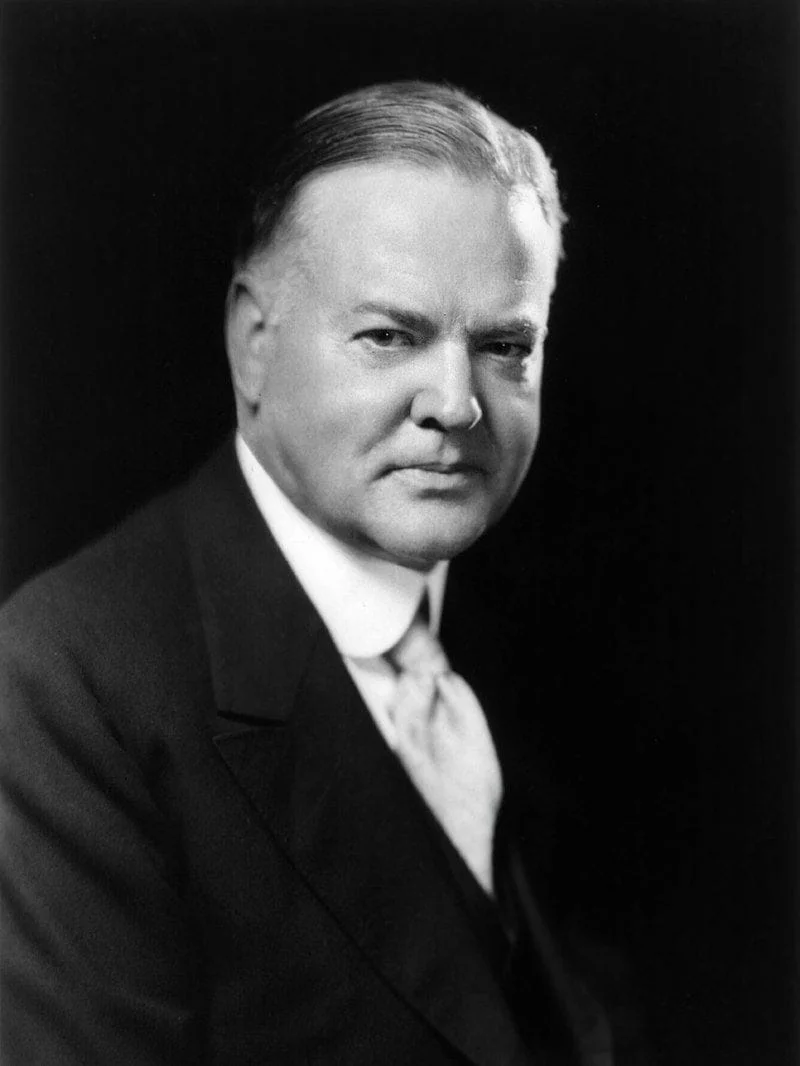
Herbert Hoover
Born10 Aug, 1874
Died20 Oct, 1964
NationalityAmerican
Age at time of death90
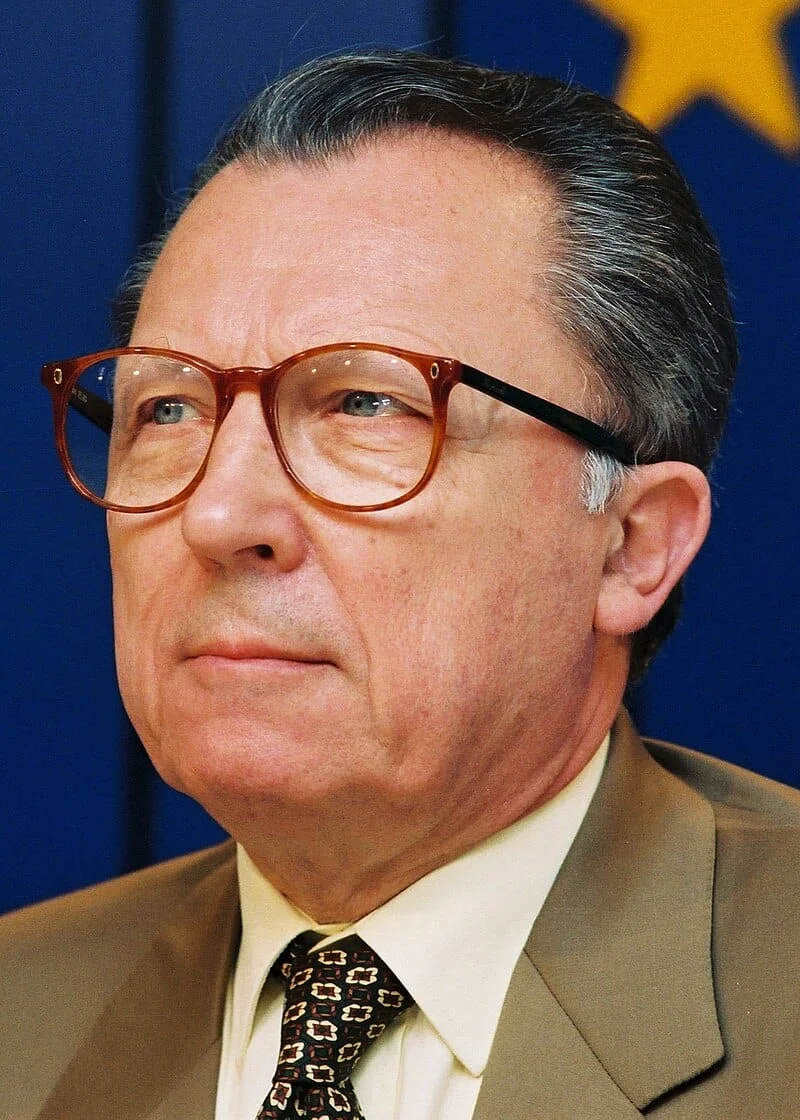
Jacques Delors
Born20 Jul, 1925
Died27 Dec, 2023
NationalityFrench
Age at time of death98
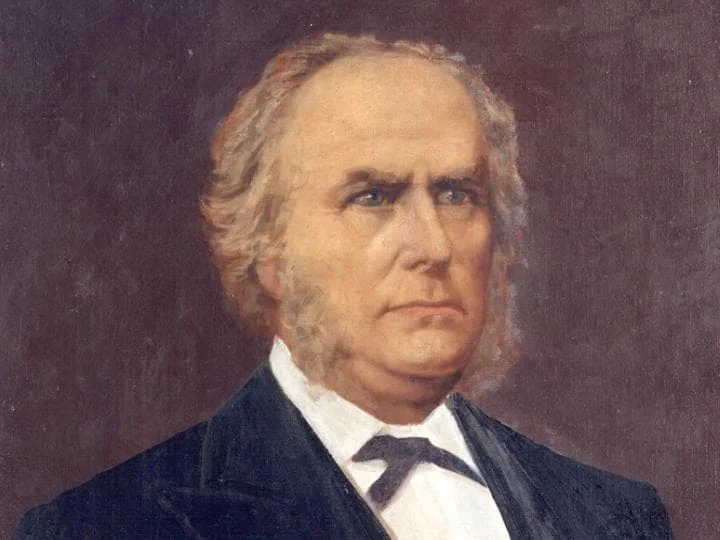
James Harrison
Born17 Apr, 1816
Died03 Sep, 1893
NationalityScottish,Australian
Age at time of death77
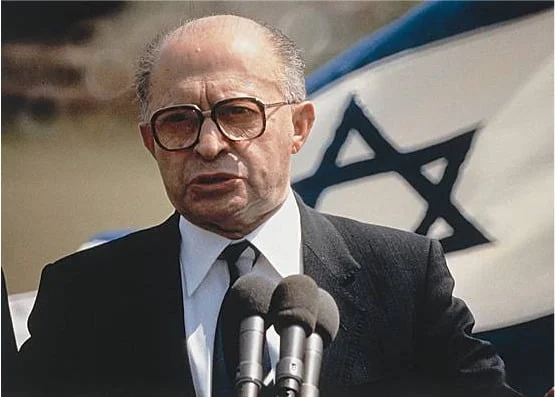
Menachem Begin
Born16 Aug, 1913
Died09 Mar, 1992
NationalityIsraeli
Age at time of death78
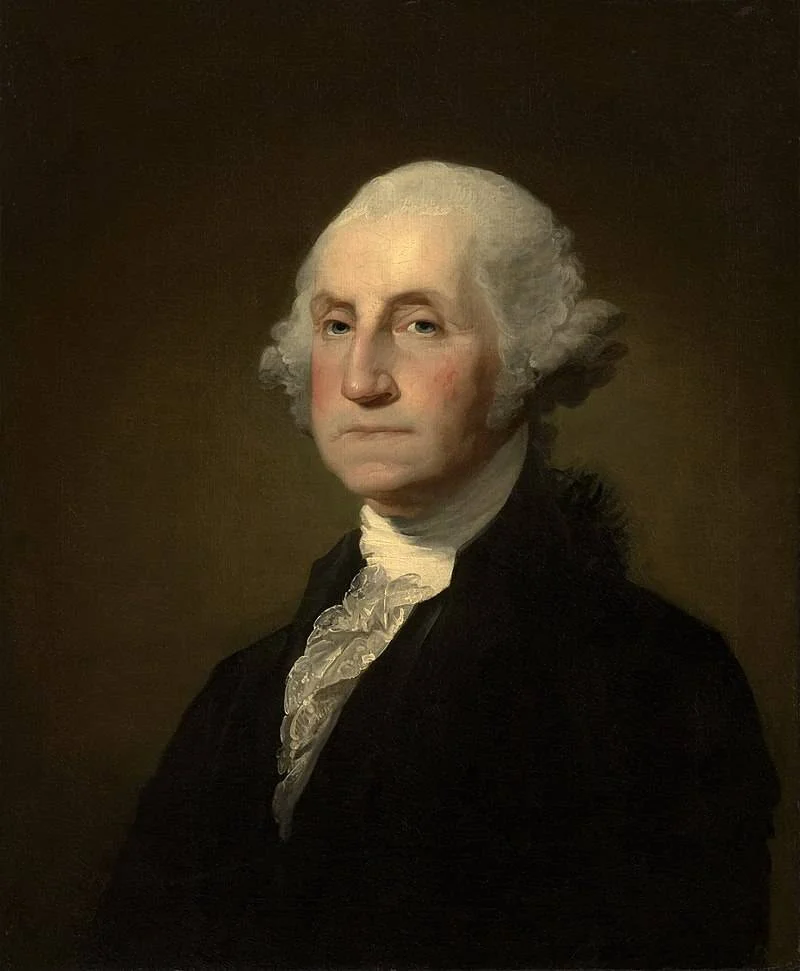
George Washington
Born22 Feb, 1732
Died14 Dec, 1799
NationalityAmerican
Age at time of death67
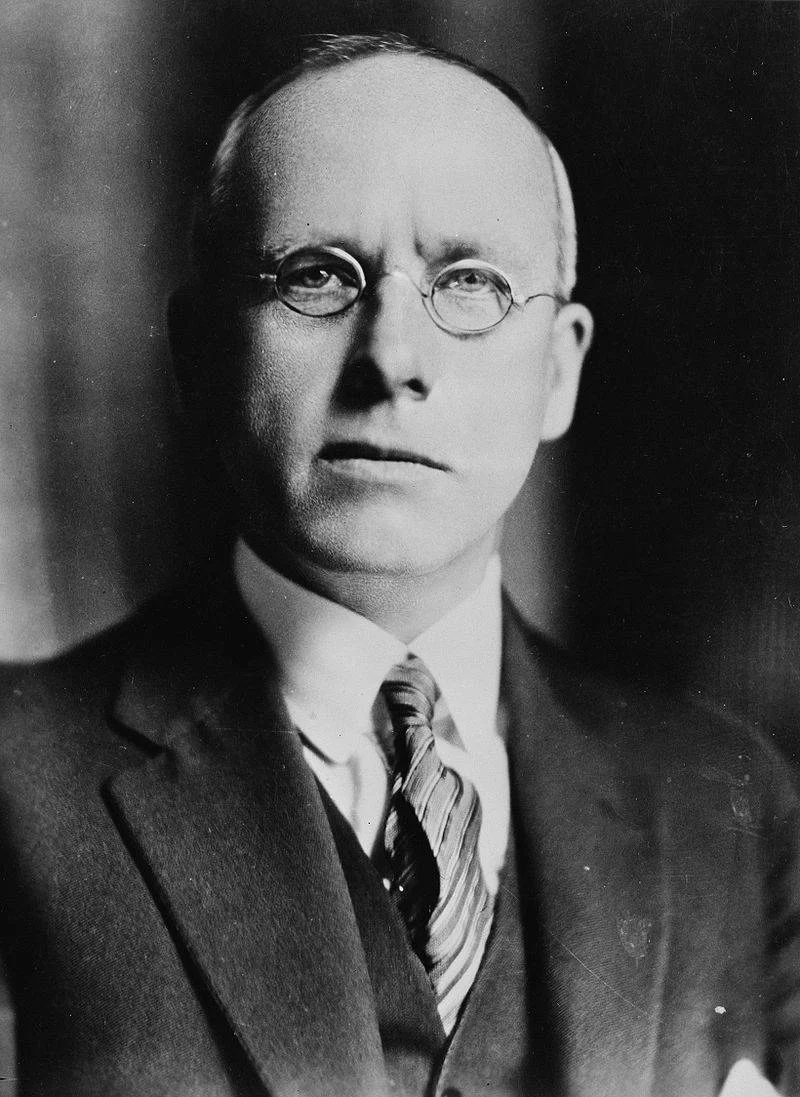
Peter Fraser
Born28 Aug, 1884
Died12 Dec, 1950
NationalityNew Zealand
Age at time of death66
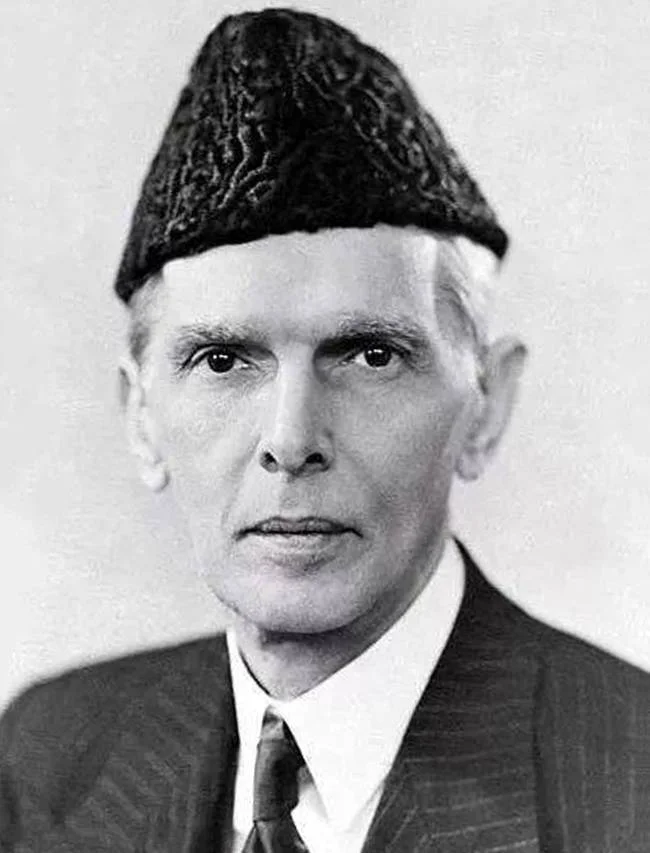
Muhammad Ali Jinnah
Born25 Dec, 1876
Died11 Sep, 1948
NationalityPakistani
Age at time of death71
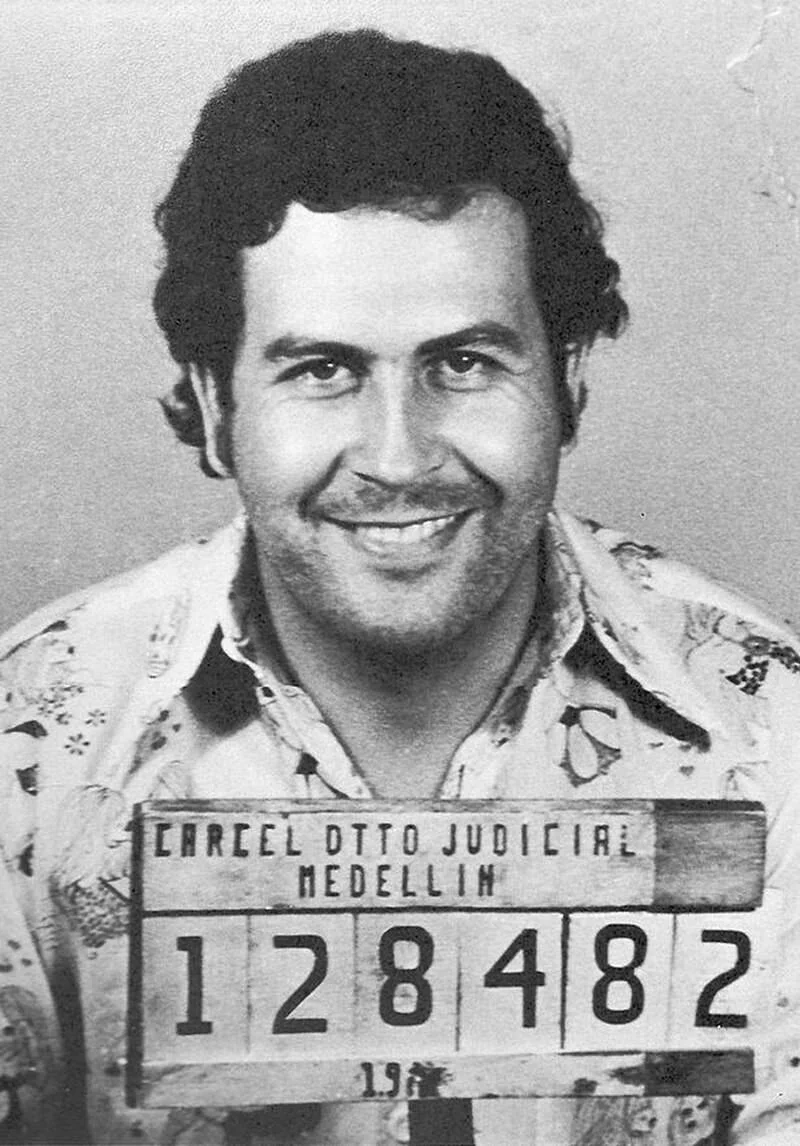
Pablo Escobar
Born01 Dec, 1949
Died02 Dec, 1993
NationalityColombian
Age at time of death44
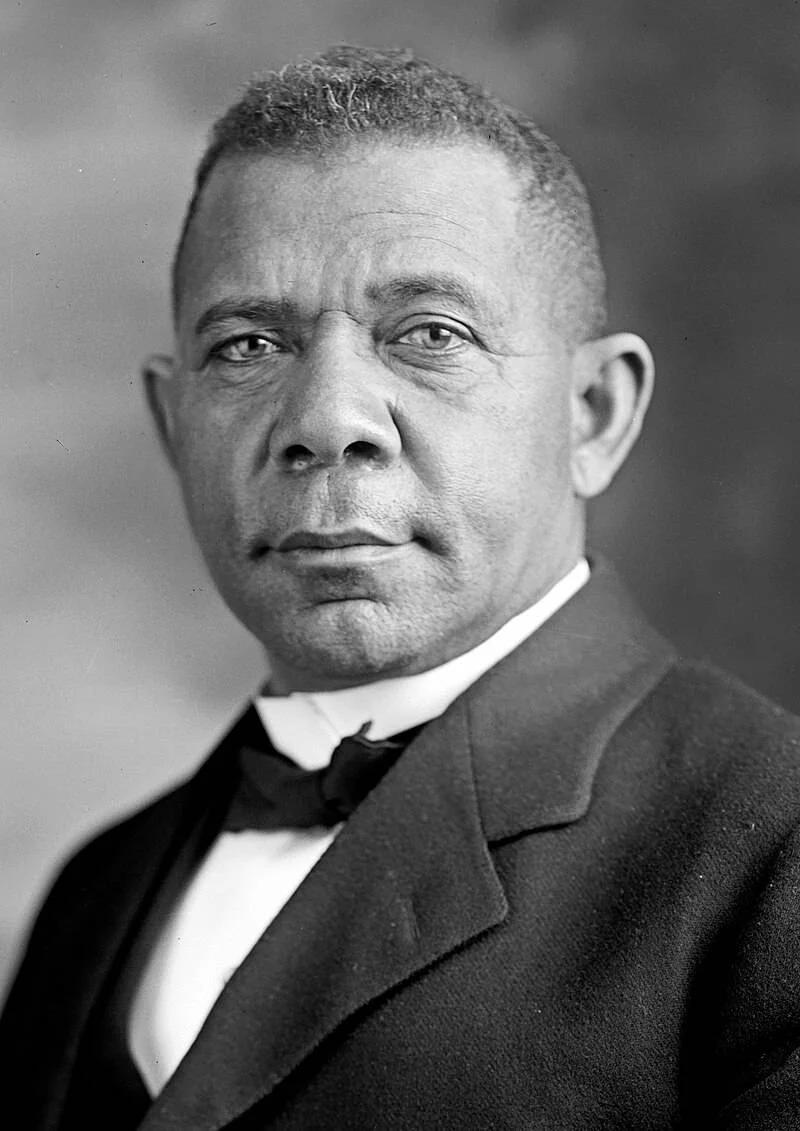
Booker T. Washington
Born05 Apr, 1856
Died14 Nov, 1915
NationalityAmerican
Age at time of death59
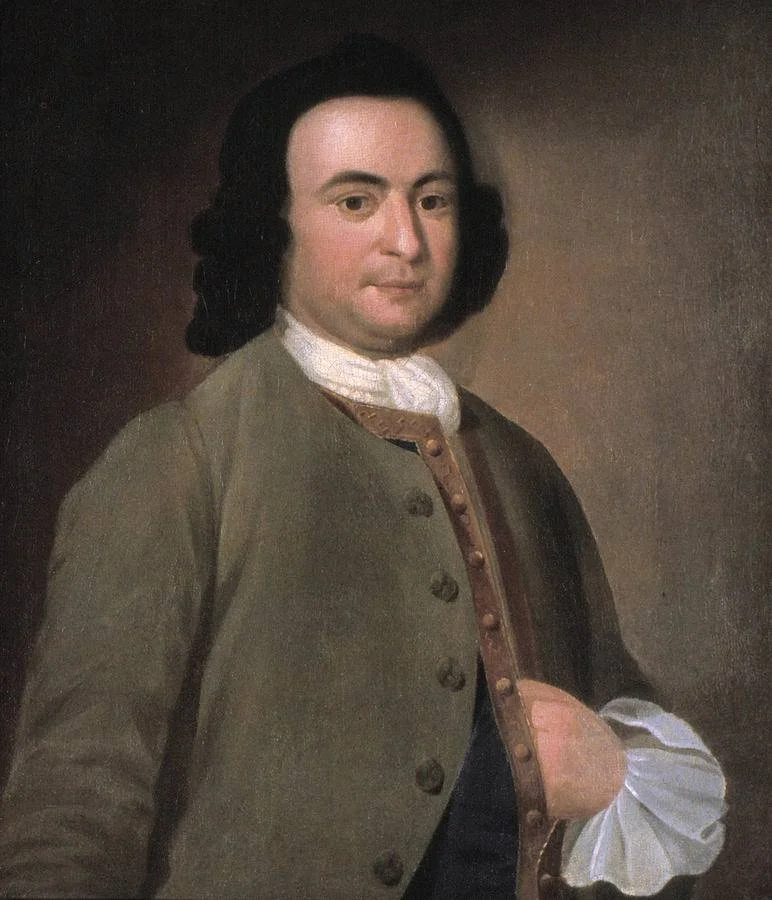
George Mason
Born11 Dec, 1725
Died07 Oct, 1792
NationalityAmerican, British
Age at time of death66
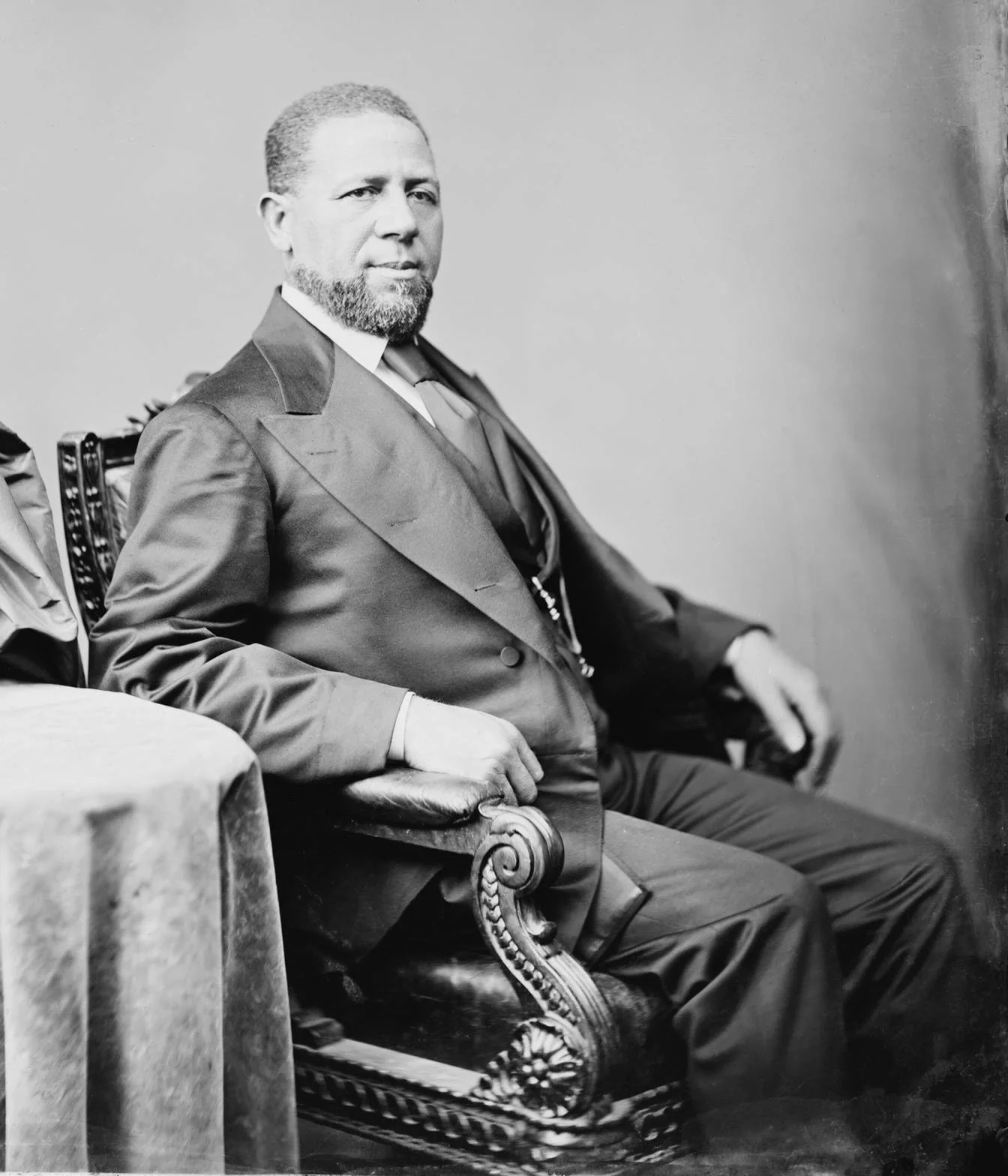
Hiram R. Revels
Born27 Sep, 1827
Died16 Jan, 1901
NationalityAmerican
Age at time of death73