Real Celebrities Never Die!
OR
Search For Past Celebrities Whose Birthday You Share
Died Age: 98
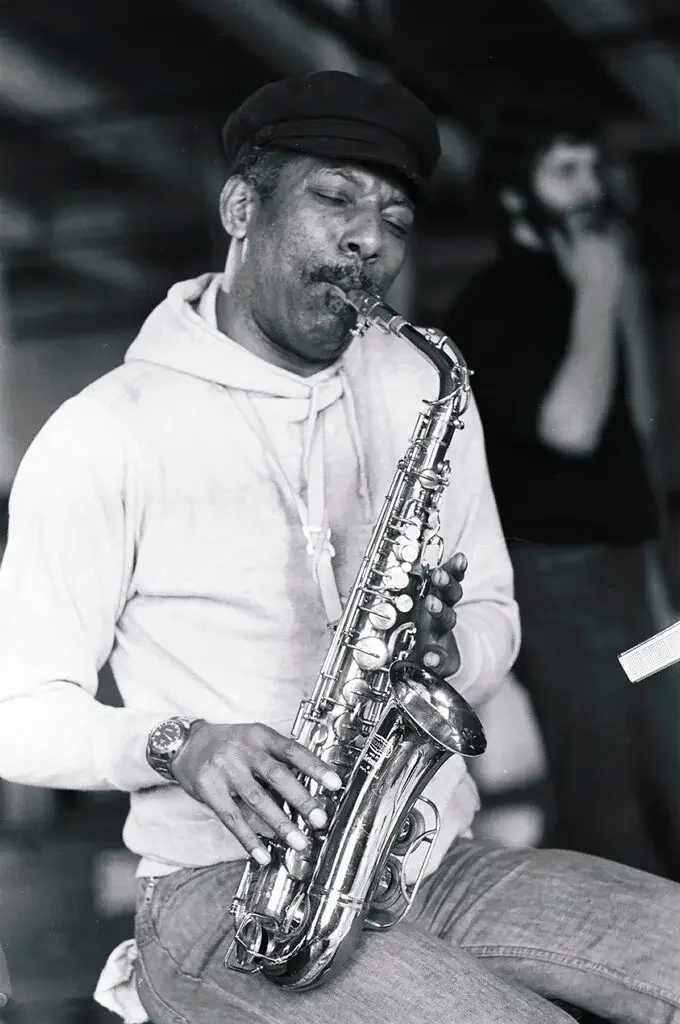
static01.nyt.com
Gene Barge
Birthday:
09 Aug, 1926
Date of Death:
02 Feb, 2025
Cause of death:
Natural Causes
Nationality:
American
Famous As:
Alto saxophonist
Age at the time of death:
98
James Gene Barge Jr.'s Quote's

“The saxophone was the instrument, coming up, that had the sound closest to the human voice. It was the one with the impact. It was the featured instrument in the band, so that was the one you wanted to play.”
James Gene Barge Jr.
🔗 deadcelebrityhub.com
Early Life: Gospel Roots and Southern Grit
In the background of countless hits that shaped the sound of American rhythm and blues, soul, and rock ‘n’ roll, you’ll find the soulful echo of Gene Barge’s saxophone—gritty, golden, and unforgettable. A man of many talents—saxophonist, songwriter, producer, arranger, and occasional actor—Barge, affectionately known as “Daddy G,” wasn’t always in the spotlight. But his influence ran deep, shaping the grooves of legends and leaving an indelible imprint on music history.
From gospel beginnings in Virginia to the buzzing studios of Chicago’s Chess Records and beyond, Gene Barge’s career is a masterclass in musical evolution, collaboration, and authenticity. He didn’t just play music—he infused it with heart, grit, and timeless cool.
Gene Barge was born on August 9, 1926, in Norfolk, Virginia, during a time when Jim Crow laws still ruled the South and Black artists often had to fight for recognition. Raised in a close-knit African American community, Barge’s early years were steeped in gospel music and the rhythms of southern life. His father was a minister, and the church provided not just spiritual guidance, but a stage for his earliest musical explorations.
He began playing saxophone in high school and quickly stood out for his expressive tone and intuitive phrasing. His talent took him to Norfolk State College, where he majored in music, laying the technical foundation for a life spent innovating across genres.
Fun Fact: Before hitting the national stage, Barge taught music in the Virginia public school system, helping nurture future musicians even as he honed his own craft.
Education: Training the Ear, Feeding the Soul
Barge’s formal education in music theory and composition gave him an edge as a performer and arranger. He could improvise like a jazzman but structure a piece with the precision of a classical composer. His combination of ear and intellect allowed him to move fluidly between genres—gospel, jazz, R&B, soul, and later, rock.
In the early 1950s, he made the leap from teacher to performer, joining the ranks of touring musicians and heading toward Chicago—the epicenter of electric blues and emerging soul.
Career Journey
Phase One: Saxophone Sessions and Southern Soul
Barge’s breakthrough came in the 1950s when he joined the Chess Records family in Chicago—a legendary label home to Muddy Waters, Howlin’ Wolf, and Etta James. His saxophone became an integral part of the label’s sound, appearing on classics like “Rescue Me” by Fontella Bass and “Who Do You Love?” by Bo Diddley.
With his gritty yet lyrical playing, Barge bridged the raw edge of blues with the smoother feel of soul. He also began working as an arranger and producer, shaping the sound behind the scenes while adding tasteful horn lines that elevated each track.
Trivia: Gene Barge played on Chuck Willis’s “C.C. Rider,” one of the early R&B hits that influenced the development of rock ‘n’ roll.
Phase Two: Producing Legends and Elevating Sound
In the 1960s and 70s, Barge expanded his reach. He co-produced and played with The Dells, Little Milton, Tyrone Davis, and Curtis Mayfield, among others. He became a trusted studio presence—not just for his musicality, but for his ability to read a room, keep a session flowing, and bring out the best in artists.
He also teamed up with Phil Upchurch and collaborated with The Rolling Stones, Koko Taylor, and Natalie Cole, his versatile style always adapting to the moment. Unlike many sidemen, Barge knew how to blend in without disappearing, giving tracks a distinct flavor without stealing the spotlight.
Phase Three: Later Years, Acting, and Recognition
As the years passed, Gene Barge continued to reinvent himself. In the 1980s and ‘90s, he worked with director Andrew Davis, appearing in films like Above the Law and The Fugitive, where his quiet authority translated seamlessly to the screen. Acting, like music, was just another form of storytelling for Barge.
He also toured extensively with the likes of Isaac Hayes and Ray Charles, bringing his timeless tone to global stages well into his seventies.
Personal Life: Humble Swagger and Lasting Influence
Despite a résumé that rivals some of the most celebrated names in American music, Gene Barge always carried himself with humility and warmth. Known for his stylish suits, dry wit, and deep laugh, he was a beloved mentor to younger musicians and a respected elder in Chicago’s tight-knit music scene.
He didn’t chase fame. He chased sound—authentic, soulful, and honest.
Legacy: The Quiet Architect of Sound
Gene Barge’s legacy isn’t confined to a single hit or headline moment. It lives in the texture of American music—in the horns that swell behind a soul singer’s cry, in the groove that drives a blues guitar, in the arrangements that turn a song into a timeless anthem.
He showed that mastery isn't about being the loudest in the room—it's about making everyone else sound better. Through his saxophone, his pen, and his guidance, Barge helped shape a golden era of music that still echoes today.
In many ways, he was the soul behind the soul—the man whose notes filled the spaces between the stars.
Gene Barge was more than a sideman—he was a musical statesman. A quiet giant whose saxophone spoke volumes, and whose touch elevated everything it graced. In honoring his legacy, we hear not just one man’s journey, but the story of American music itself—rooted in struggle, lifted by joy, and carried forward by rhythm.
Profile Snapshot
Name:
James Gene Barge Jr.
Popular Name:
Gene Barge
Gender:
Male
Cause of Death:
Natural Causes
Spouse:
Unknown
Place of Birth:
Norfolk, Virginia, U.S.
Place of Death:
Chicago, Illinois, U.S.
Occupation / Profession:
Alto saxophonist
American tenor
Personality Type
Commander Bold, imaginative and strong-willed leaders, always finding a way – or making one. Gene “Daddy G” Barge was a bold, strategic leader with unshakable confidence—always pushing forward, inspiring others, and pioneering new paths in music and entertainment.
James Gene Barge Jr.'s Interesting Facts
Barge contributed to many hit records by legendary artists like Chuck Berry and Etta James.
Besides music, Gene Barge has also appeared in several films, showcasing his versatility as an entertainer.
Gene Barge is a talented saxophonist and record producer known for his work in rhythm and blues and rock music.
He played a key role in shaping the sound of the classic Chicago soul scene during the 1960s.
Achievements & Awards
Gene Barge has been recognized for his outstanding contributions to music, particularly in blues and R&B.
His work behind the scenes and on stage earned him respect across multiple generations of artists.
Over his career, he received various honors celebrating his influence as a saxophonist, songwriter, and producer, including accolades from music heritage institutions and lifetime achievement acknowledgments for his role in shaping the Chicago soul sound.
External Links