Real Celebrities Never Die!
OR
Search For Past Celebrities Whose Birthday You Share
Died Age: 96
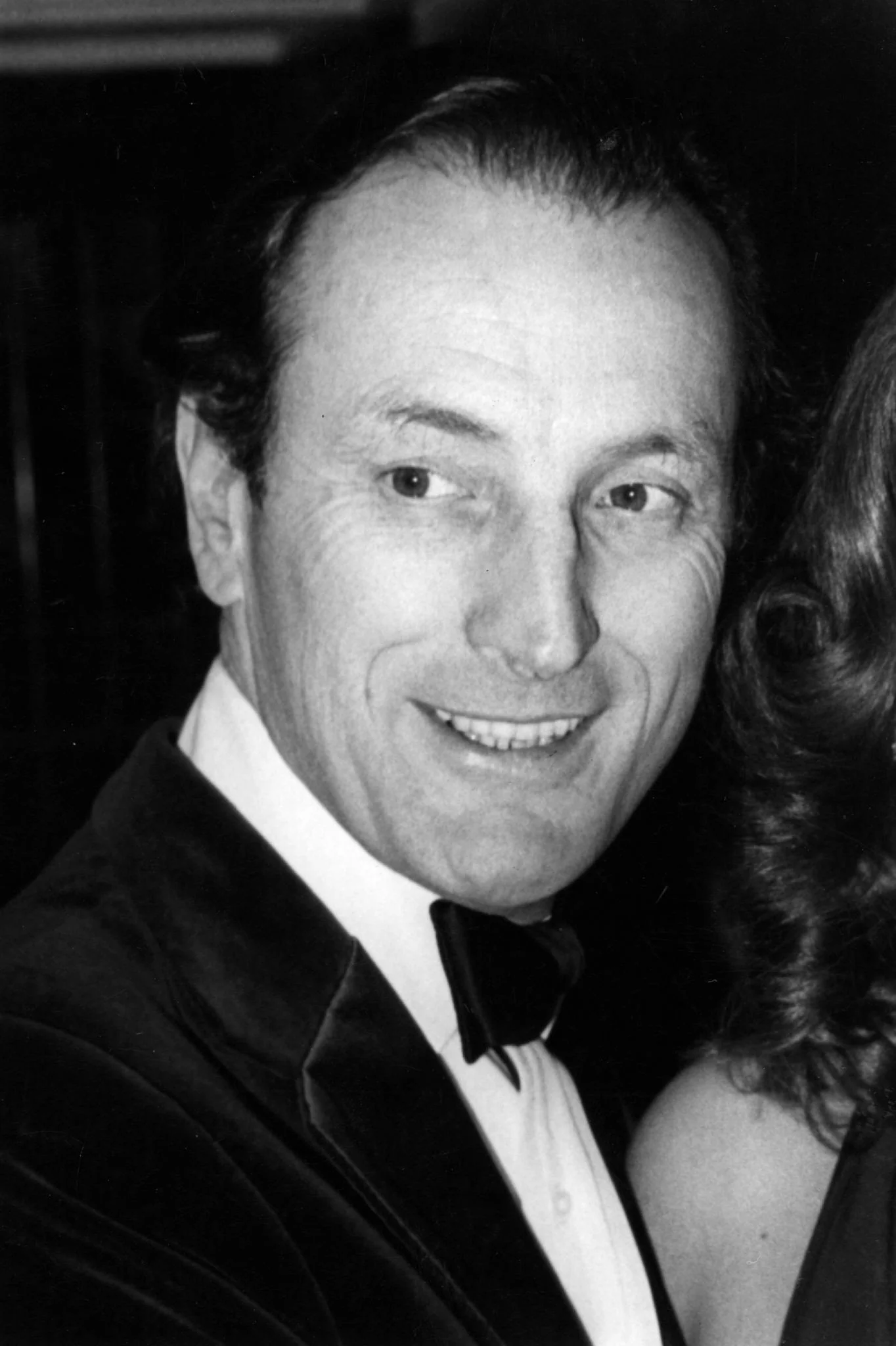
thehaileyburysociety.org
Gerald Harper
Birthday:
14 Feb, 1929
Date of Death:
01 Jul, 2025
Cause of death:
Parkinson's disease
Nationality:
British
Famous As:
Actor
Age at the time of death:
96
Gerald George Frederick Harper's Quote's

“I lived like a lord.”
Gerald George Frederick Harper
🔗 deadcelebrityhub.com
Early Life: A Path Unexpected
Gerald Harper moved through the world with an effortless grace — the kind of old-world charm that made him instantly memorable on stage, on television, and eventually over the radio waves. With his resonant voice, aristocratic bearing, and calm charisma, he became one of Britain’s most distinctive actors, embodying refinement at a time when television was still defining what a leading man should look and sound like.
Born in Barnet, Middlesex, in 1929, Gerald George Frederick Harper grew up in a comfortable household supported by his father’s career as a stockbroker. His early ambition was far from the arts; for a time, he imagined himself becoming a doctor. Yet at Haileybury, the boarding school that shaped much of his early character, he discovered an instinct for performance. The school’s dramatic traditions sharpened both his confidence and the refined diction that would later become his signature.
After completing national service as a second lieutenant in the Royal Artillery, Harper began medical studies — a path he soon realised wasn’t his calling. Unable to ignore the pull of the stage, he made a decisive pivot: he auditioned for the Royal Academy of Dramatic Art. When he was accepted, he quietly left behind the stethoscope in favour of scripts and footlights. That courageous shift became the true beginning of his life’s story.
Education and Early Steps into the Theatre
Graduating from RADA in 1951, Harper plunged into repertory theatre. He appeared at the London Arts Theatre, followed by a year at the Liverpool Playhouse, where he honed the discipline, versatility, and stagecraft that would define his long career. A London return in Charley’s Aunt alongside comedian Frankie Howerd further raised his profile.
These early years were formative rather than glamorous, but they established him as a young actor capable of both comedy and classical roles — a versatility that would serve him for decades.
Career Journey: From Ensemble Actor to Household Name
Early Career (1950s–early 1960s)
Harper’s early film and television appearances often cast him as officers, aristocrats, and upright professionals — roles that played naturally to his controlled elegance. Films such as The Admirable Crichton and A Night to Remember helped introduce him to broader audiences, even if he remained just outside the spotlight in these years.
Breakthrough to Stardom
Harper’s life changed dramatically in the mid-1960s when he became the star of Adam Adamant Lives!, playing an Edwardian adventurer revived into swinging ’60s London. It was a clever, stylish series, and Harper’s poised performance made him an unforgettable hero — a man out of time, yet strangely at home there.
Then came Hadleigh, the series that cemented his national fame. Portraying the thoughtful, principled James Hadleigh, Harper became a fixture in British living rooms throughout the 1970s. At its peak, the show drew immense audiences, and Harper — impeccably dressed and disarmingly composed — embodied a vision of contemporary British nobility. The popularity was such that he negotiated not only improved terms but temporary use of a real country estate, complete with staff — a quintessentially Harper flourish.
A Man of the Theatre, Always
Despite his television fame, Harper remained deeply connected to the stage. He performed with the Old Vic Company, took classical roles on both sides of the Atlantic, and received acclaim for playing Iago in Othello at the Bristol Old Vic. In the late 1970s, he stepped into the shoes of Sherlock Holmes in The Crucifer of Blood, bringing his signature poise to the legendary detective. Even decades later, he returned for touring productions, demonstrating his lifelong devotion to the craft.
Reinvention Through Radio
In the 1970s, Harper made another unexpected turn: radio presenting. His weekend programmes, known for their warmth and his trademark giveaways of roses and champagne, became beloved among listeners. His voice — smooth, distinctive, instantly recognisable — carried the same charm that had defined his screen persona, giving him a second wave of popularity.
Personal Life: The Man Behind the Charm
Harper’s personal life was marked by two marriages: first to actress Jane Downs, with whom he had a daughter, and later to Carla Rabaiotti, with whom he had a son. Both marriages ended in divorce. In his later years, he drew public attention for a long-term relationship with actress Sarah Alexander, a reminder that his charisma endured well beyond his period of television stardom.
Away from work, he loved fox-hunting, golf, and the ritual of handwritten letters. And in a detail that delighted those who knew him, he once admitted he tried never to let a day pass without a glass of champagne — a testament to his fondness for elegance in all things.
Legacy: A Refined Talent Remembered
When Gerald Harper passed away in 2025 at the age of 96, he left behind a legacy defined by refinement, versatility, and an unmistakable presence. He bridged the old world and the new — a classical stage actor who became a television star and later a radio personality. Through every reinvention, he remained true to himself: polished, composed, and quietly magnetic.
Harper is remembered not just for the characters he played but for the unique charm he brought to British entertainment. His career stands as a testament to adaptability, grace, and the enduring power of a well-crafted performance. In every medium he touched, Gerald Harper left an impression of elegance — a legacy as smooth and lasting as the voice that first carried him into the hearts of his audience.
Profile Snapshot
Name:
Gerald George Frederick Harper
Popular Name:
Gerald Harper
Gender:
Male
Cause of Death:
Parkinson's disease
Spouse:
Jane Downs
Place of Birth:
London, United Kingdom
Place of Death:
United Kingdom
Occupation / Profession:
Actor
Personality Type
Campaigner: Gerald Harper carried himself with effortless elegance, blending warmth, wit, and a quietly commanding charm that made every room — and every role — feel richer for his presence.
Gerald George Frederick Harper's Interesting Facts
Before becoming an actor, he studied medicine and completed national service as a second lieutenant in the Royal Artillery.
In the 1970s, he reinvented himself as a radio presenter, becoming known for sending listeners roses and champagne as part of his show’s signature charm.
Though he often played refined gentlemen, he once joked that he tried “never to let a day go by without drinking champagne,” a playful nod to his fondness for indulgence.
Achievements & Awards
Gerald Harper became a household name through his leading roles in Adam Adamant Lives! and, most famously, Hadleigh, which drew millions of viewers at its peak and made him one of Britain’s most recognisable television stars.
In 1969, he was voted “Actor of the Year” by readers of TV-Times, reflecting the height of his popularity.
Alongside television, he enjoyed a distinguished stage career with companies such as the Old Vic, touring internationally and earning praise for roles ranging from Shakespearean villains to sophisticated
External Links
Latest Profiles
People also viewed
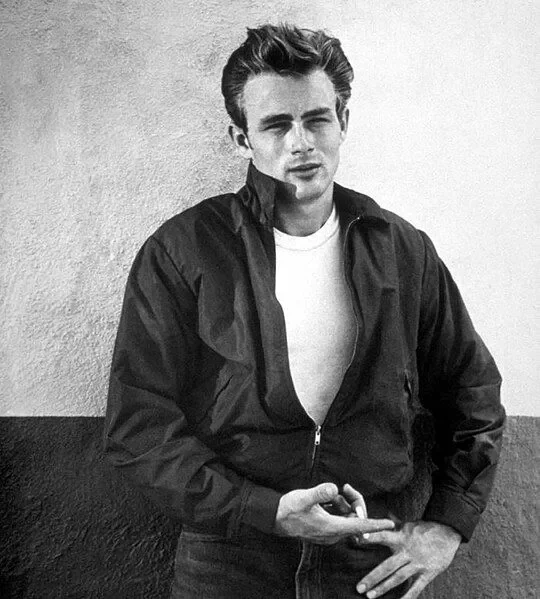
James Dean
Born08 Feb, 1931
Died30 Sep, 1955
NationalityAmerican
Age at time of death24
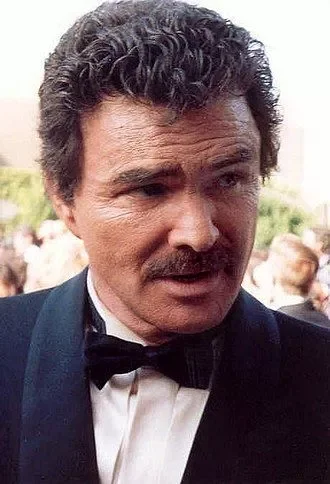
Burt Reynolds
Born11 Feb, 1936
Died06 Sep, 2018
NationalityAmerican
Age at time of death82
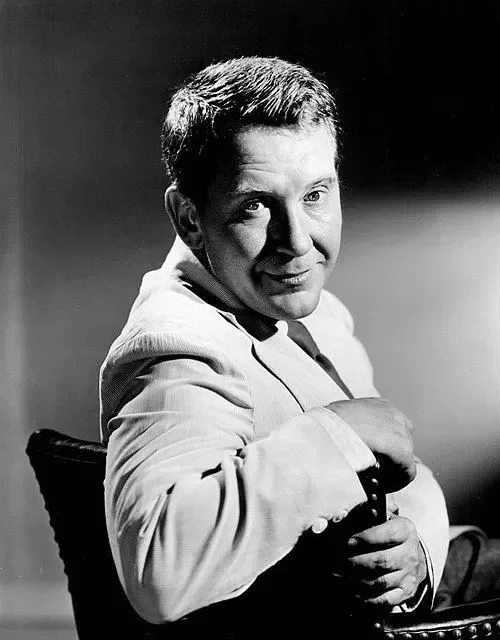
Oliver Burgess Meredith
Born16 Nov, 1907
Died09 Sep, 1997
NationalityAmerican
Age at time of death89
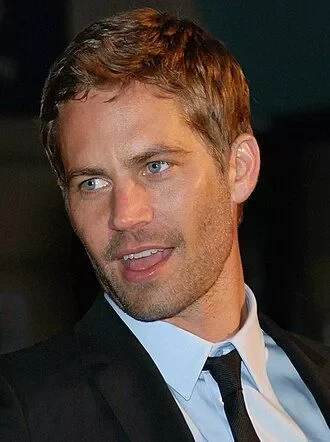
Paul Walker
Born12 Sep, 1973
Died30 Nov, 2013
NationalityAmerican
Age at time of death40
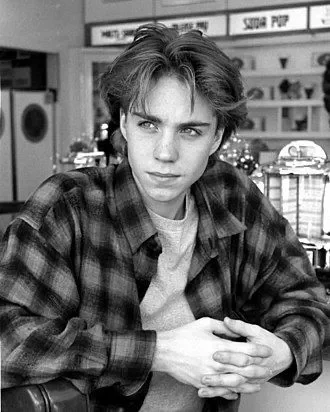
Jonathan Brandis
Born13 Apr, 1976
Died12 Nov, 2003
NationalityAmerican
Age at time of death27
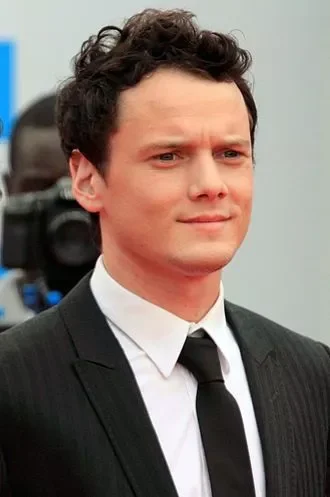
Anton Yelchin
Born11 Mar, 1989
Died19 Jun, 2016
NationalityAmerican
Age at time of death27
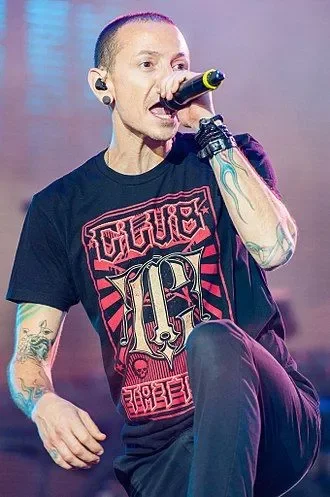
Chester Bennington
Born20 Mar, 1976
Died20 Jul, 2017
NationalityAmerican
Age at time of death41
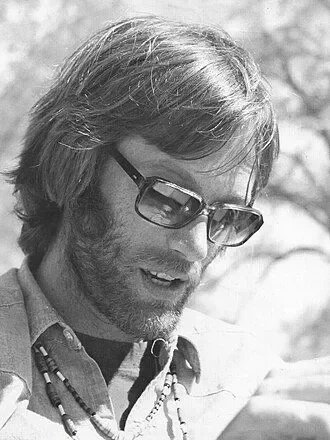
Peter Fonda
Born23 Feb, 1940
Died16 Aug, 2019
NationalityAmerican
Age at time of death79
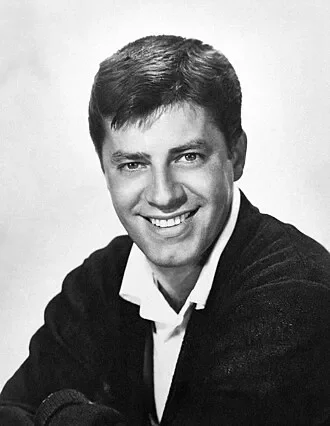
Jerry Lewis
Born16 Mar, 1926
Died20 Aug, 2017
NationalityAmerican
Age at time of death91
Marlon Brando
Born03 Apr, 1924
Died01 Jul, 2004
NationalityAmerican
Age at time of death80
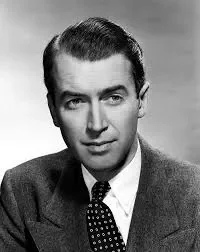
James Stewart
Born20 May, 1908
Died02 Jul, 1997
NationalityAmerican
Age at time of death89

Cory Monteith
Born11 May, 1982
Died13 Jul, 2013
NationalityCanadian
Age at time of death31
Christopher Lee
Born27 May, 1922
Died07 Jun, 2015
NationalityBritish
Age at time of death93
Paul Mooney
Born04 Aug, 1941
Died19 May, 2021
NationalityAmerican
Age at time of death79
George Murphy
Born04 Jul, 1902
Died03 May, 1992
NationalityAmerican
Age at time of death89
Fred Ward
Born30 Dec, 1942
Died08 May, 2022
NationalityAmerican
Age at time of death79
Frank Sinatra
Born12 Dec, 1915
Died14 May, 1998
NationalityAmerican
Age at time of death82
Eric Morecambe
Born14 May, 1926
Died28 May, 1984
NationalityBritish
Age at time of death58
DMX
Born18 Dec, 1970
Died09 Apr, 2021
NationalityAmerican
Age at time of death50
Alfred Hitchcock
Born13 Aug, 1899
Died29 Apr, 1980
NationalityAmerican, British
Age at time of death80