Real Celebrities Never Die!
OR
Search For Past Celebrities Whose Birthday You Share
Died Age: 87
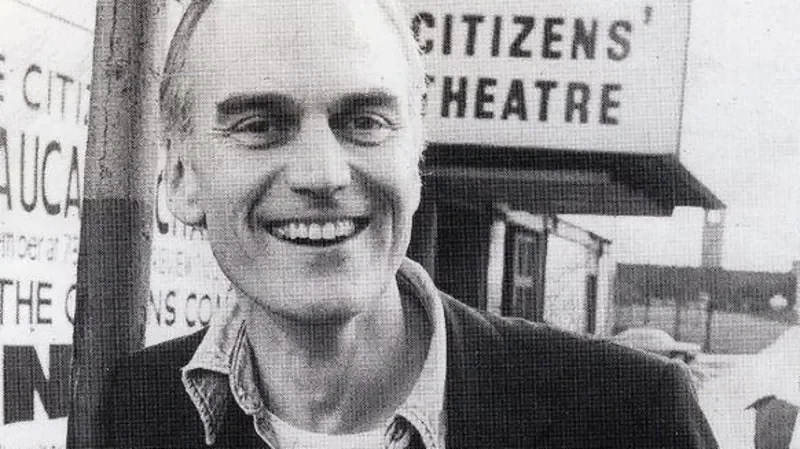
bbc.com
Giles Havergal
Birthday:
08 Jun, 1938
Date of Death:
22 Aug, 2025
Cause of death:
Heart Failure
Nationality:
Scottish
Famous As:
Scottish theatre director
Age at the time of death:
87
Early Life
Giles Havergal was a theatrical visionary whose work reshaped Scottish stage arts—and beyond—with boldness, elegance, and relentless curiosity. For over three decades, he transformed the Citizens Theatre in Glasgow into a stage for daring experiments, European classics reimagined, and stories that unsettled and uplifted in equal measure. An actor, director, adaptor, teacher, and administrator, Havergal balanced artistry and community, producing theatre that pushed boundaries yet welcomed every kind of audience. His life story is one of passionate leadership, risk-taking, aesthetic audacity, and cultural impact.
Giles Pollock Havergal was born on 9 June 1938 in Edinburgh, Scotland. His father, Henry MacLeod Havergal, was a musician, choirmaster, and teacher; his mother, Margaret (née Chitty), also encouraged culture and performance. From a young age, Giles grew up in an environment enriched by music, performance, and artistic discussion. These influences steered him toward the arts early on—and also shaped both a love of classic dramatic texts and a willingness to question tradition.
He was educated at Harrow School and later at Christ Church, Oxford. While there, theatre became more than pastime; student productions, experiments with staging, writing, and performance became central. Young Havergal was already drawn to the idea of theatre as something that could provoke, move, and challenge—not just comfort.
Education & Formative Influences
While attending Oxford, Havergal engaged deeply in college theatre: directing, performing, exploring texts, staging work that beckoned beyond the safe. This was also when he first met collaborators and friends who would help define his aesthetic: bold, textual, willing to re-interpret classics, open to European influences, and wanting theatre that wasn’t provincial.
His early professional steps followed this education: work in repertory theatre, first as actor, then director. These early years—modest theatres, small budgets, tight schedules—taught him adaptability, resourcefulness, and the imperative of grounding ambitious ideas in practical ability.
Career Journey
Giles Havergal’s career can be divided into phases: early directing, transformation at the Citizens Theatre, later work as actor and adaptor, and his role as teacher and elder statesman.
Phase One: Early Directing & Rising
After Oxford, Havergal began working in repertory theatres—Carlisle, Oldham, Barrow-in-Furness—learning the ropes of production, actor direction, set, costume, and finding his voice. In the mid-1960s, he took directing leadership at Watford Palace Theatre (1965-1969), including staging the British premiere of Tennessee Williams’s Sweet Bird of Youth. These roles sharpened his sense of how to dish up the bold and new alongside the beloved.
Phase Two: Citizens Theatre & Transformation (1969-2003)
In 1969, Havergal became artistic director of Glasgow’s Citizens Theatre, alongside Philip Prowse and Robert David MacDonald. Over the next 34 years, under their triumvirate, the Citizens became internationally known for daring repertoire and staging: Shakespeare, Brecht, the neglected Jacobeans, European dramatists, modern classics, often translated, often with radical design and provocative staging.
Early moments set the tone. One of his first productions was a controversial all-male Hamlet, with dark satin, heightened performance, shock value, even nudity. It drew outrage from some quarters—including cancellations of school group tickets—but it also put the theatre on the map: people took notice, tickets sold, conversation followed.
He also emphasized accessibility: extremely low pricing policies (including 50p tickets for all seats in some seasons), free previews, welcoming audience engagement. He believed theatre should not be an elite space but one in which people from many backgrounds could encounter bold art.
Some of his signature productions include his adaptation of Travels with My Aunt (1989), which began in Glasgow and later went to London (winning an Olivier Award), and his one-man adaptation of Thomas Mann’s Death in Venice, which he performed across national and international stages.
Phase Three: Adapting, Acting & Later Works
Even as his administrative tenure at the Citizens ended in 2003, his creative work did not stop. He continued acting, adapting works, directing opera and theatre abroad—even tackling complex and philosophically dense source material. He traveled, staged work in translation, pushed for interpretations that challenged form and audience expectations.
He worked with many opera companies (Scottish Opera, Opera North, Welsh National Opera, and others), bringing his theatrical sense into musical theatres. He stayed engaged with adaptation: turning novels into plays, performing solo pieces that demanded both textual fidelity and theatrical imagination. His later career was less about reinvention and more about distillation: taking what he had learned and applying it in new settings, with older wisdom.
Personal Life
Though much of Havergal’s story is in his theatre, his private life and personality helped sustain his long influence. He was described by many peers and critics as gracious, warm, with a deep sense of theatre as communal—not hierarchical. He made a point (whenever possible) of being in the foyer to greet audience members on opening nights—to see faces, hear impressions, feel the connection between artist and public.
He had family roots steeped in arts and education—his father’s role in the Scottish music theatre establishment; his own love of teaching in later years. Students and collaborators found in him both exacting standards and generous mentorship.
He remained modest about awards, acclaim, though he received many: he was appointed CBE, honored with major theatre awards, and his productions won Olivier Awards and international recognition. But he often emphasized that what mattered more was the work, the people, the audience, the risk.
Legacy
Giles Havergal passed away on 23 August 2025, aged 87. But what he leaves behind is a transformed theatre culture in Scotland and a resonant example to theatre-makers everywhere.
He made the Citizens Theatre a landmark: a place where classics and modern works alike were staged with daring, where audience expectations were interrogated, and where artistic risk was central to identity.
He nurtured generations of actors, writers, designers: people who came through the Citizens or worked in productions he directed, many of whom went on to international careers. His aesthetic choices—bold design, provocative staging, textual exploration, ensemble working—became part of how important theatre in the UK and abroad evolved.
He proved that accessibility and artistic ambition need not be enemies: that low ticket prices, open previews, community engagement could coexist with serious, radical theatre.
His adaptations of works like Travels with My Aunt and Death in Venice remain reference points for how to translate dense or novelistic texts into stage plays while preserving both integrity and theatrical life.
As teacher and mentor, he influenced a wide network across the UK and internationally—having taught in conservatoires, invited guest direction, engaged with students late in life, sharing both theatrical craft and his belief that theatre matters deeply to public life, not just art.
Conclusion
Giles Havergal’s life was theatre in its fullest sense: heart, intellect, spectacle, risk, communion. He showed that one person—with collaborators, with vision, with courage—can shift cultural terrain. From Edinburgh childhood through dramatic student years, early directorial gambles, decades of shaping a regional theatre into a centre of innovation, to later years of acting, adapting, teaching—he remained attuned to both the practical and the poetic.
His legacy is not just in productions remembered or awards received, but in the audiences who saw something unfamiliar, in artists who felt encouraged to take chances, in a city that came to see theatre as essential. In Scotland, and well beyond, Giles Havergal will be remembered as a master of daring beauty, theatrical generosity, and uncompromising artistry—a maker of moments that still linger long after the curtains fall.
Profile Snapshot
Name:
Giles Pollock Havergal
Popular Name:
Giles Havergal
Gender:
Male
Cause of Death:
Heart Failure
Spouse:
Margret
Place of Birth:
Edinburgh, Scotland
Place of Death:
United Kingdom
Occupation / Profession:
Scottish theatre director
Actor
Personality Type
Executive: Giles Havergal was a visionary, audacious leader of theatre who fused bold artistic innovation with deep social commitment—fearlessly transforming classics, mentoring emerging talent, and making high art accessible to all, while running operations with both daring imagination and steadfast discipline.
Giles Pollock Havergal's Interesting Facts
Giles Havergal is a renowned Scottish theatre director, actor, and writer known for his innovative interpretations of classic plays.
He served as the artistic director of Glasgow’s Citizens Theatre for over three decades, shaping its distinctive bold and experimental style.
Havergal has adapted numerous literary works for the stage, including works by Anton Chekhov and Edgar Allan Poe.
He has been recognized with multiple awards for his contributions to theatre, including honorary degrees and lifetime achievement accolades.
Achievements & Awards
Giles Havergal received a CBE in 2002 for his services to theatre and held honorary doctorates from several Scottish universities, including Glasgow and Strathclyde. He was also the first recipient of the CATS Whiskers award in 2003, recognizing his decades of leadership at the Citizens Theatre. In addition, he was awarded the St Mungo Prize in 1994 for his outstanding contributions to the city of Glasgow.
External Links
Additional Links
Latest Profiles
People also viewed
James Dean
Born08 Feb, 1931
Died30 Sep, 1955
NationalityAmerican
Age at time of death24
Burt Reynolds
Born11 Feb, 1936
Died06 Sep, 2018
NationalityAmerican
Age at time of death82
Oliver Burgess Meredith
Born16 Nov, 1907
Died09 Sep, 1997
NationalityAmerican
Age at time of death89
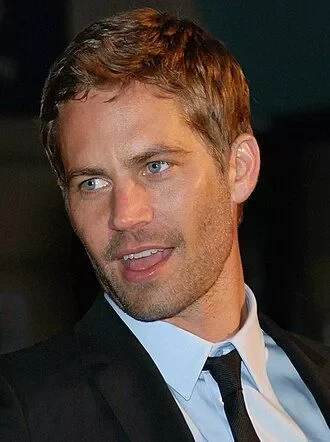
Paul Walker
Born12 Sep, 1973
Died30 Nov, 2013
NationalityAmerican
Age at time of death40
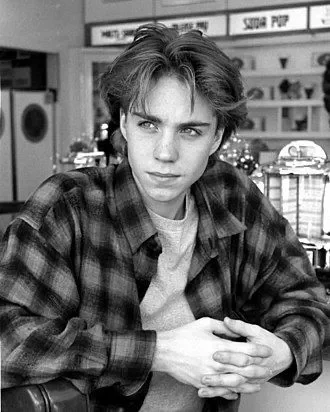
Jonathan Brandis
Born13 Apr, 1976
Died12 Nov, 2003
NationalityAmerican
Age at time of death27
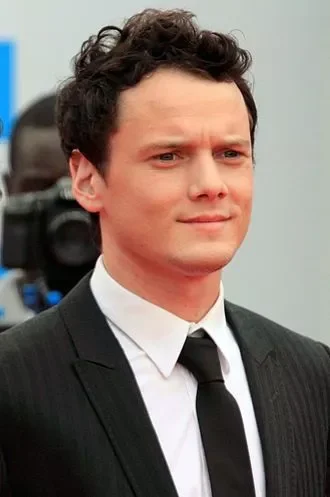
Anton Yelchin
Born11 Mar, 1989
Died19 Jun, 2016
NationalityAmerican
Age at time of death27
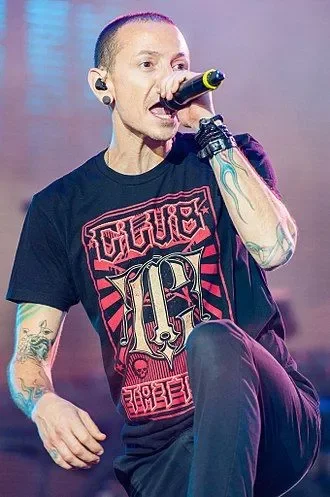
Chester Bennington
Born20 Mar, 1976
Died20 Jul, 2017
NationalityAmerican
Age at time of death41
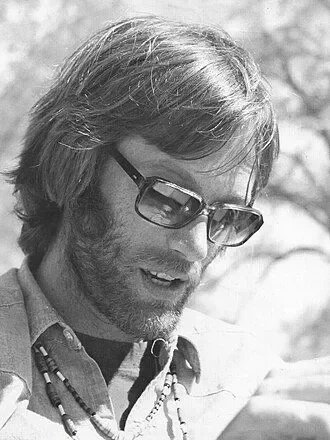
Peter Fonda
Born23 Feb, 1940
Died16 Aug, 2019
NationalityAmerican
Age at time of death79
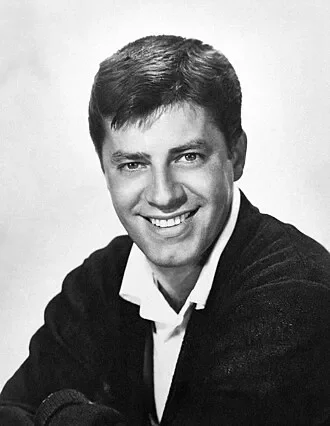
Jerry Lewis
Born16 Mar, 1926
Died20 Aug, 2017
NationalityAmerican
Age at time of death91
Marlon Brando
Born03 Apr, 1924
Died01 Jul, 2004
NationalityAmerican
Age at time of death80
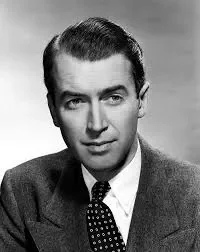
James Stewart
Born20 May, 1908
Died02 Jul, 1997
NationalityAmerican
Age at time of death89
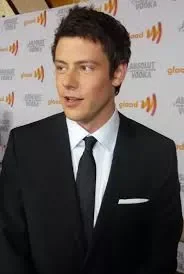
Cory Monteith
Born11 May, 1982
Died13 Jul, 2013
NationalityCanadian
Age at time of death31
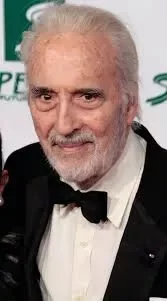
Christopher Lee
Born27 May, 1922
Died07 Jun, 2015
NationalityBritish
Age at time of death93
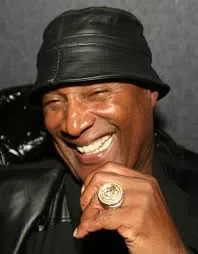
Paul Mooney
Born04 Aug, 1941
Died19 May, 2021
NationalityAmerican
Age at time of death79
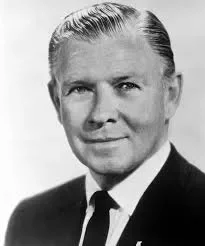
George Murphy
Born04 Jul, 1902
Died03 May, 1992
NationalityAmerican
Age at time of death89
Fred Ward
Born30 Dec, 1942
Died08 May, 2022
NationalityAmerican
Age at time of death79
Frank Sinatra
Born12 Dec, 1915
Died14 May, 1998
NationalityAmerican
Age at time of death82
Eric Morecambe
Born14 May, 1926
Died28 May, 1984
NationalityBritish
Age at time of death58
DMX
Born18 Dec, 1970
Died09 Apr, 2021
NationalityAmerican
Age at time of death50
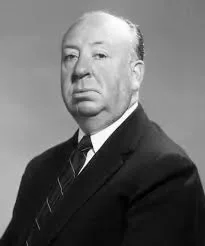
Alfred Hitchcock
Born13 Aug, 1899
Died29 Apr, 1980
NationalityAmerican, British
Age at time of death80