Real Celebrities Never Die!
OR
Search For Past Celebrities Whose Birthday You Share
Died Age: 95
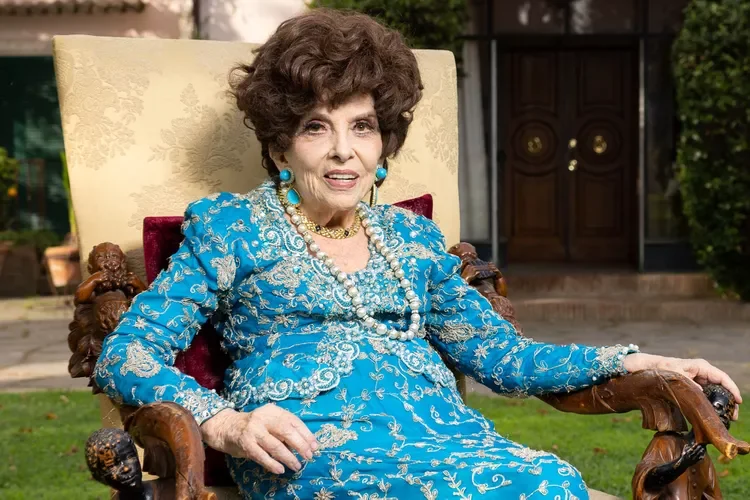
people.com
Gina lollobrigida
Birthday:
04 Jul, 1927
Date of Death:
16 Jan, 2023
Cause of death:
Natural causes
Nationality:
Italian
Famous As:
Italian actress
Age at the time of death:
95
Luigia "Gina" Lollobrigida OMRI's Quote's

“I studied painting and sculpting at school and became an actress by mistake.”
Luigia "Gina" Lollobrigida OMRI
🔗 deadcelebrityhub.com
Early Life: A Mountain Girl with Fire in Her Eyes
Gina Lollobrigida was known as “La Lollo” to fans across Europe. She captivated the world with a rare fusion of Mediterranean beauty, fierce independence, and unrelenting ambition. She moved through life not just as an actress, but also as a sculptor, photojournalist, and political voice. Hers was a story of glamour and grit—a woman who rose from the rubble of war-torn Italy to become an icon, only to redefine herself again and again in pursuit of something greater than fame.
Born Luigina Lollobrigida on July 4, 1927, in the rustic mountain town of Subiaco, Italy, Gina grew up in a modest household alongside three sisters. Her father was a furniture maker, and their postwar life was far from easy. But even as a child, she was anything but ordinary. With a sharp wit and an artistic bent, she was more interested in drawing and singing than conforming to expectations. “I was born stubborn,” she would later quip, and that stubbornness became the engine of her transformation.
Subiaco, nestled in the Apennines, gave her more than a childhood—it gave her a stage. She often wandered its cobbled streets, dreaming of opera and art. During World War II, her family was displaced when their home was bombed. The trauma was formative: it instilled in her both resilience and a sense of urgency to live fully.
Education: Beauty Meets Brains
Long before the silver screen called her name, Lollobrigida studied sculpture and painting at Rome’s Academy of Fine Arts. She never saw herself as a movie star. She turned down early screen tests and was suspicious of being typecast for her beauty. But modelling work—sparked by her striking looks—soon followed, and so did an unexpected foray into pageants. In 1947, she placed third in the Miss Italia contest, garnering just enough attention to attract the attention of film directors.
Despite the glitter of cinema, Lollobrigida never let go of her artistic roots. Throughout her life, she returned again and again to sculpture and photography, insisting, “I am an artist, not a star.” It was a conviction that made her career choices more intentional—and her image more enigmatic.
Career Journey: From Silver Screen Sensation to International Star
The Early Climb (Late 1940s–Early 1950s):
Lollobrigida's acting debut occurred in the late 1940s, with appearances in Italian comedies and melodramas. However, it was her role in Fanfan la Tulipe (1952), opposite Gérard Philipe, that first hinted at her screen magnetism. Her real breakout, however, came with Bread, Love and Dreams (1953), a performance that earned her international acclaim and confirmed her as Italy’s leading screen siren.
Hollywood Beckons—but on Her Terms (1950s):
In an era when European actresses often surrendered to the Hollywood machine, Lollobrigida was a rare exception. When legendary mogul Howard Hughes tried to lure her to the U.S. with a long-term contract, she famously outmanoeuvred him by refusing to be locked down. “He thought he could own me,” she later said. Instead, she carved her transatlantic career, appearing in films like Beat the Devil (1953) with Humphrey Bogart and Trapeze (1956) with Burt Lancaster and Tony Curtis.
By the mid-1950s, she was one of the highest-paid actresses in Europe. Known for her curves and charisma, she was dubbed “the most beautiful woman in the world,” a title immortalised in the 1955 film La Donna Più Bella del Mondo. But her performances were more than skin-deep. In Come September (1961) with Rock Hudson, she showcased a comedic flair that surprised many critics.
Later Career and Reinvention (1970s–1990s):
As cinema evolved, so did Lollobrigida. Rather than fade into supporting roles, she pivoted toward her original loves—photography and sculpture. Her photographic portfolio was astonishingly eclectic: she interviewed Fidel Castro, photographed Indira Gandhi, and even captured a series of intimate portraits of Salvador Dalí.
In the 1990s, she returned to the public eye in unexpected ways, including a brief run for the European Parliament in 1999. Always bold, always restless, she never stopped seeking new canvases for her creativity.
Behind the Glamour: A Complex Personal Life
Gina’s personal life was as intriguing as her career. She married Slovenian doctor Milko Skofic in 1949, and they had one son, Andrea. Although the marriage ended in the 1970s, Lollobrigida never remarried, despite not lacking suitors. Her independence remained non-negotiable.
In later years, her personal affairs drew public interest and occasional controversy, including legal disputes over finances and companionship. But through it all, she remained defiantly herself: witty, fiercely intelligent, and unafraid of solitude.
She was fluent in several languages, enjoyed flying (she even earned a pilot’s license), and loved sculpting in bronze, once saying, “When I sculpt, I feel closest to God.”
An Enduring Legacy of Art, Strength, and Defiance
Gina Lollobrigida passed away in January 2023 at the age of 95, leaving behind a dazzling legacy that transcends cinema. She wasn’t just a movie star—she was a symbol of postwar Italy’s artistic resurgence, of female autonomy in a male-dominated industry, and of reinvention on one’s terms.
From the cobblestones of Subiaco to the red carpets of Cannes, she lived life with operatic flair. Today, she is remembered not just for her beauty, but for her brilliance—a woman who refused to be defined by anyone but herself.
Profile Snapshot
Name:
Luigia "Gina" Lollobrigida OMRI
Popular Name:
Gina lollobrigida
Gender:
Female
Cause of Death:
Natural causes
Spouse:
Milko Skofic
Place of Birth:
Subiaco, Italy
Place of Death:
Rome, Italy
Occupation / Profession:
Italian actress
Model
Photojournalist
Sculptor
Personality Type
Commander Bold, imaginative and strong-willed leaders, always finding a way – or making one. Gina turned ambition into art and never let anyone else write her script.
Luigia "Gina" Lollobrigida OMRI's Interesting Facts
In 2013, she sold her jewellery collection at Sotheby’s for nearly $5 million and donated the proceeds to stem cell research.
In the 1970s, she became an accomplished sculptor, exhibiting her work in cities such as Paris and Moscow.
She once turned down a role in Ben-Hur, one of the biggest films of the time, because she didn’t want to move to Hollywood.
Achievements & Awards
Beyond acting, her work as a photojournalist earned global respect—she even photographed Fidel Castro and authored acclaimed photographic books.
Gina Lollobrigida was one of the most celebrated European actresses of the 1950s and 1960s, earning international acclaim with films like Bread, Love and Dreams, Trapeze, and Come September.
In her later years, she was also recognised for her contributions to the arts with lifetime achievement awards and honorary degrees
She won multiple David di Donatello Awards (Italy's equivalent of the Oscars), a Golden Globe for Come September, and was honoured with a Legion of Honour from France.
Latest Profiles
People also viewed
Jane Birkin
Born14 Dec, 1946
Died16 Jul, 2023
NationalityBritish, French
Age at time of death76
Leonardo da Vinci
Born15 Apr, 1452
Died02 May, 1519
NationalityItalian
Age at time of death67
Whitney Houston
Born09 Aug, 1963
Died11 Feb, 2012
NationalityAmerican
Age at time of death48
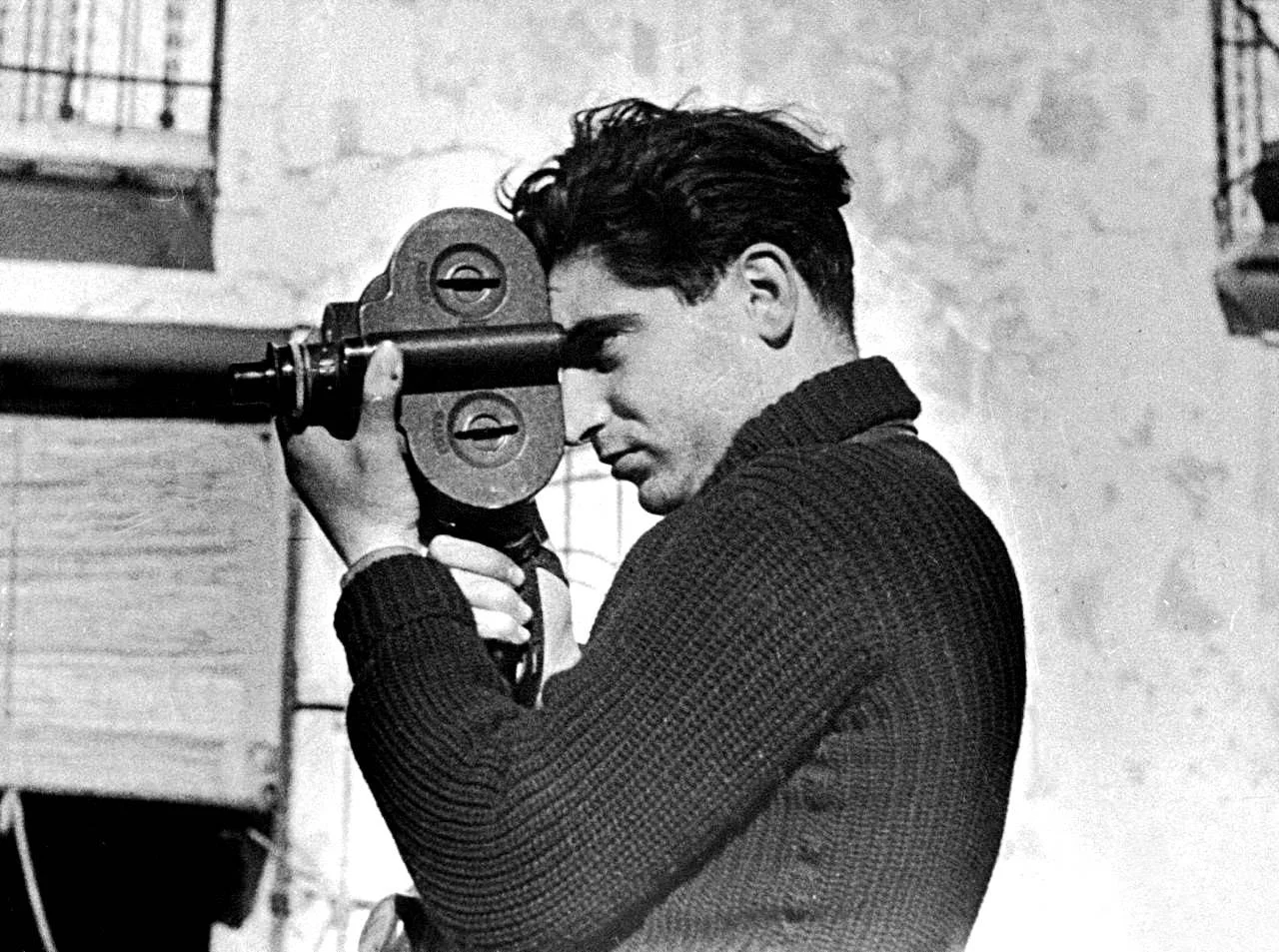
Robert Capa
Born22 Oct, 1913
Died25 May, 1954
NationalityHungarian, American
Age at time of death40
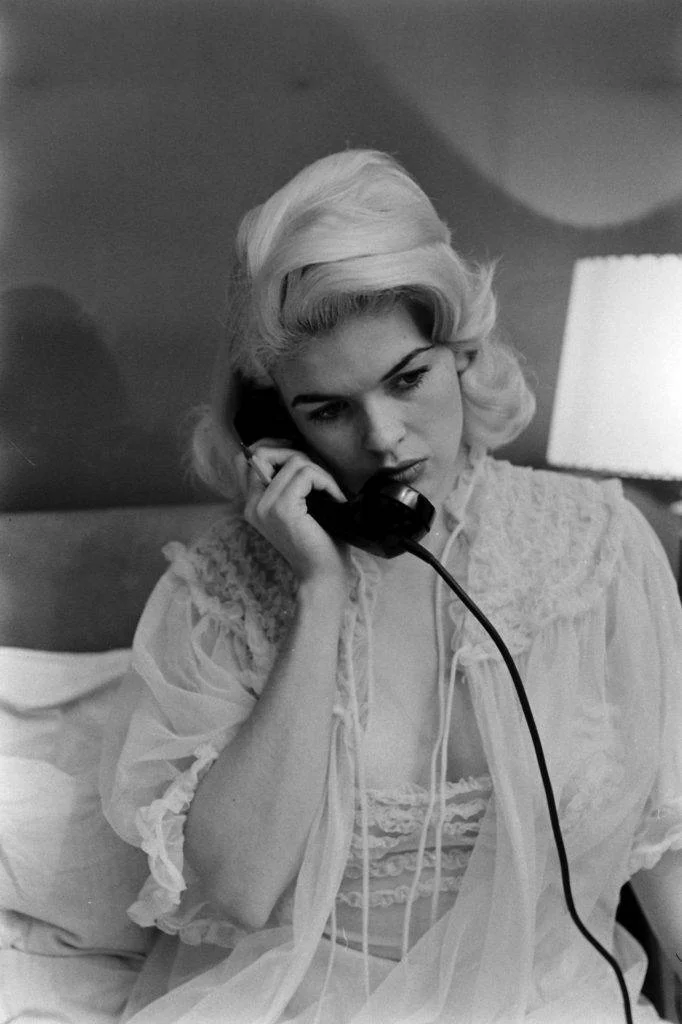
Jayne Mansfield
Born19 Apr, 1933
Died29 Jun, 1967
NationalityAmerican
Age at time of death34
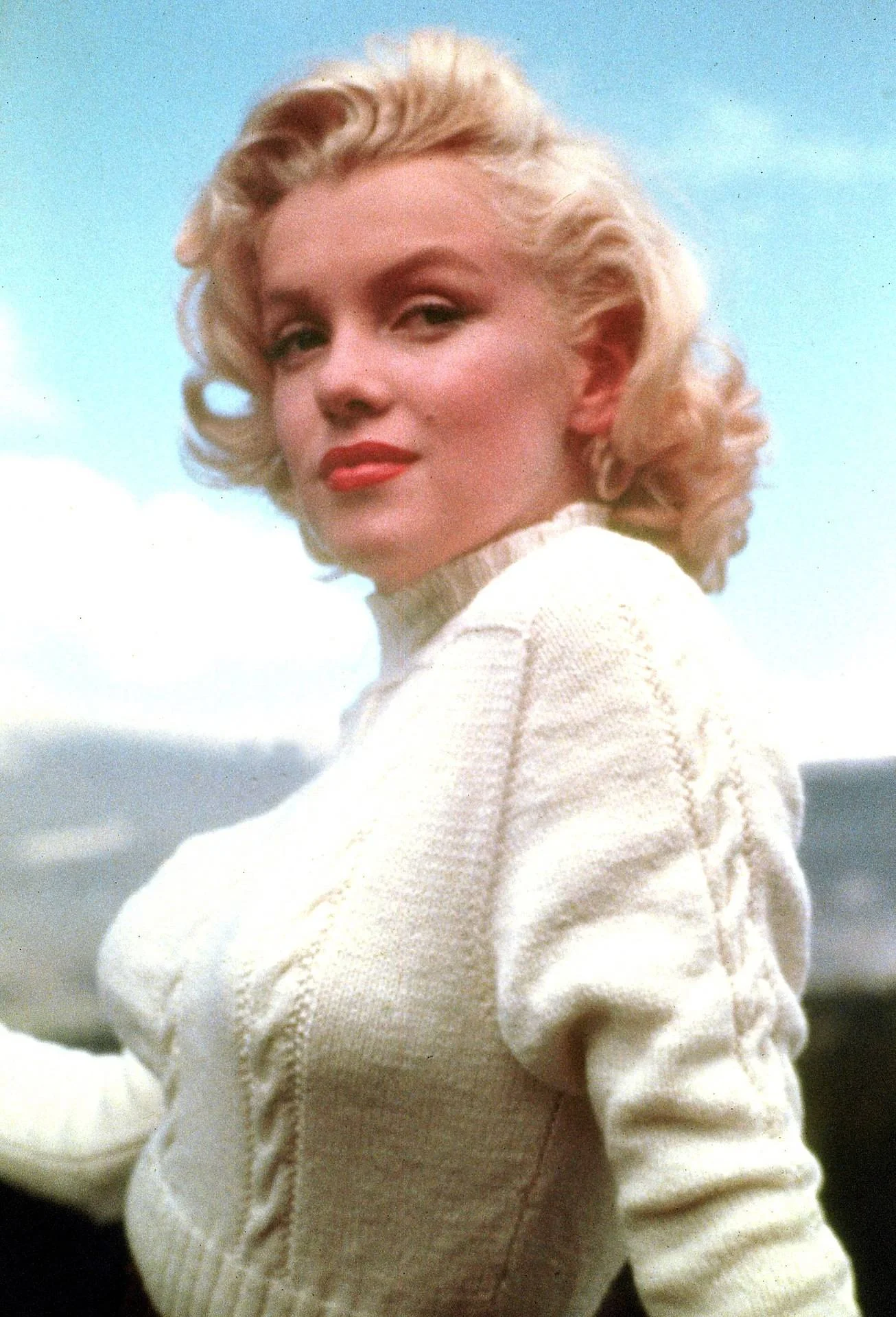
Marilyn Monroe
Born01 Jun, 1926
Died04 Aug, 1962
NationalityAmerican
Age at time of death36
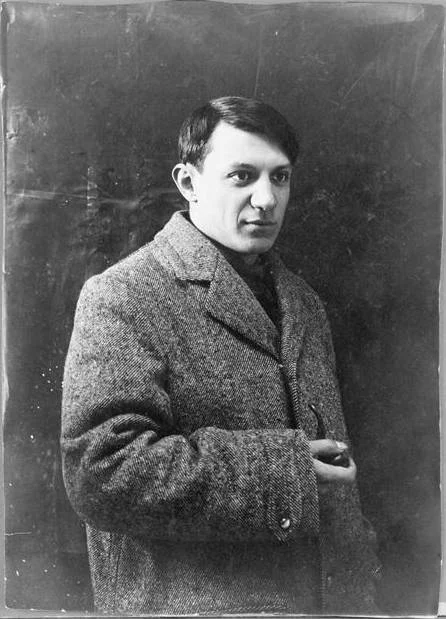
Pablo Picasso
Born25 Oct, 1881
Died08 Apr, 1973
NationalitySpanish
Age at time of death91
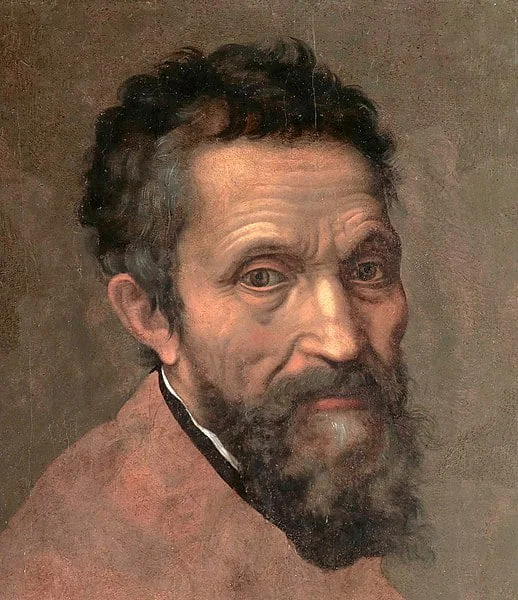
Michelangelo
Born06 Mar, 1475
Died18 Feb, 1564
NationalityItalian
Age at time of death88
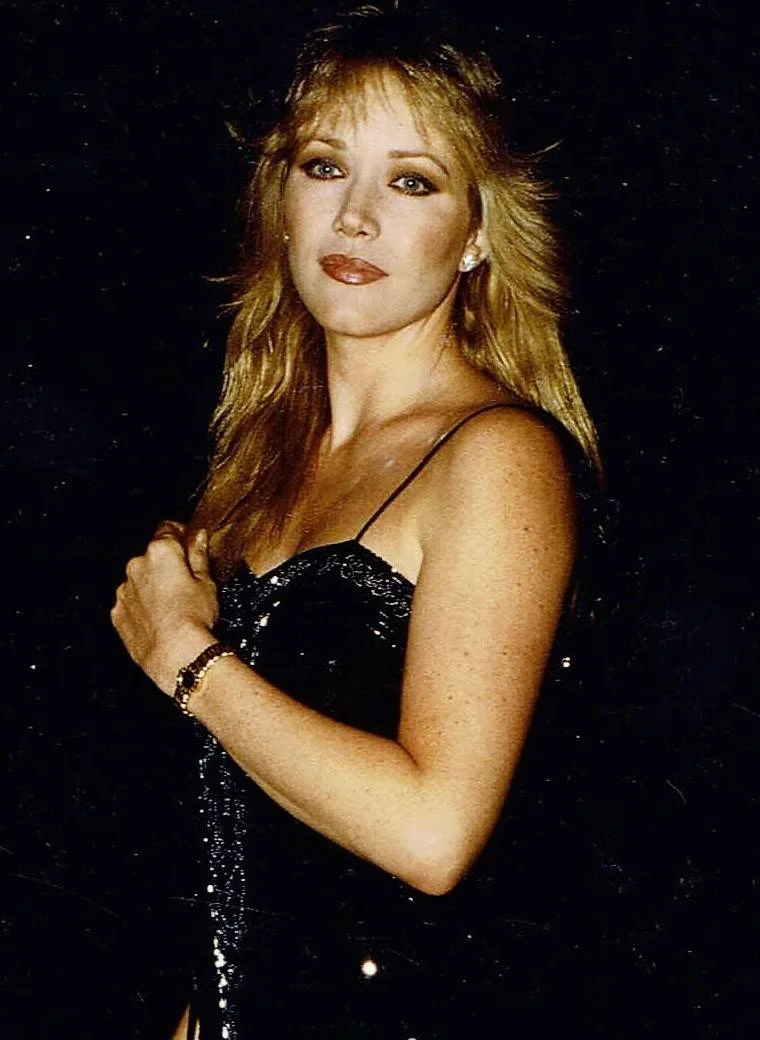
Tanya Roberts
Born15 Oct, 1949
Died04 Jan, 2021
NationalityAmerican
Age at time of death71
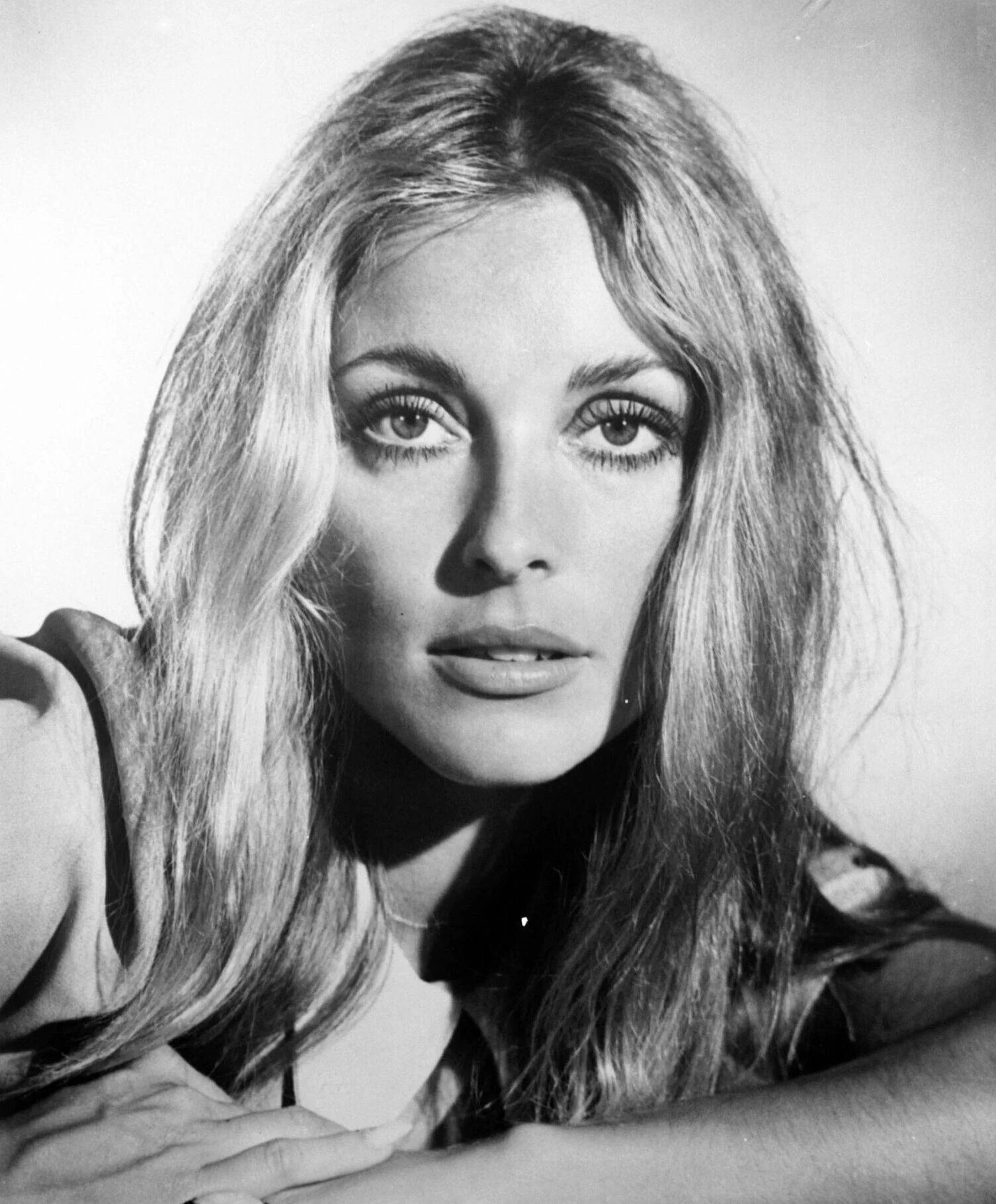
Sharon Tate
Born24 Jan, 1943
Died09 Aug, 1969
NationalityAmerican
Age at time of death26

Naya Rivera
Born12 Jan, 1987
Died08 Jul, 2020
NationalityAmerican
Age at time of death33
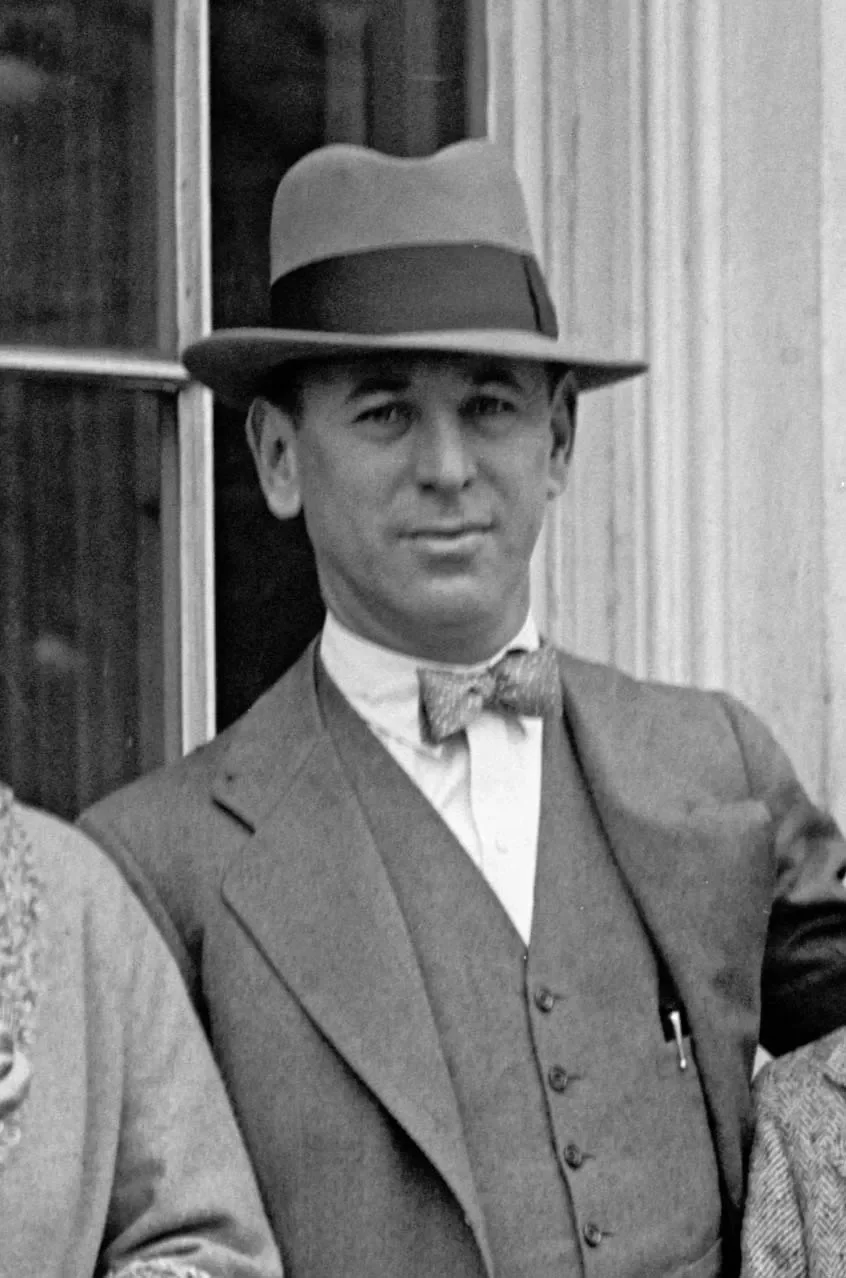
Rube Goldberg
Born04 Jul, 1883
Died07 Dec, 1970
NationalityAmerican
Age at time of death87

Sarah Harding
Born17 Nov, 1981
Died05 Sep, 2021
NationalityBritish
Age at time of death39
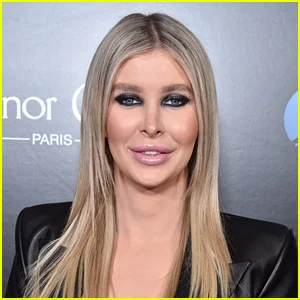
Sophia Hutchins
Born31 Mar, 1996
Died01 Jul, 2025
NationalityAmerican
Age at time of death29