Real Celebrities Never Die!
OR
Search For Past Celebrities Whose Birthday You Share
Died Age: 73
www.nytimes.com
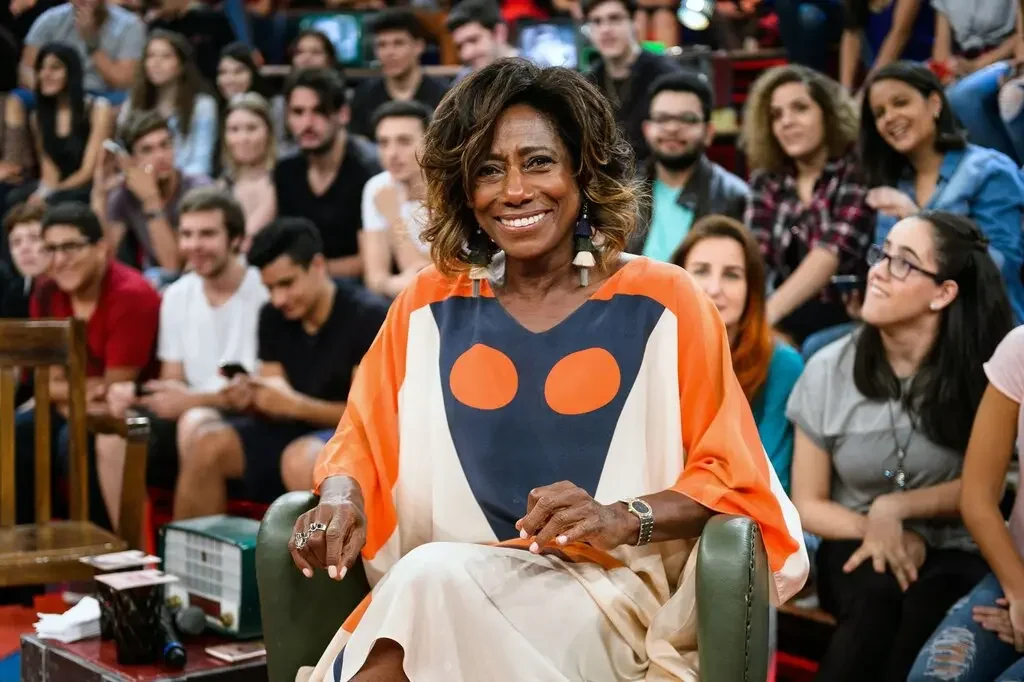
Glória Maria
Birthday:
14 Aug, 1949
Date of Death:
01 Feb, 2023
Cause of death:
Lung Cancer
Nationality:
Brazilian
Famous As:
Brazilian journalist
Age at the time of death:
73
Glória Maria Matta da Silva 's Quote's

“I don't want to be an example of anything. I just want to be myself.”
Glória Maria Matta da Silva
🔗 deadcelebrityhub.com
Beginnings in Rio’s Cultural Canvas
Glória Maria’s journey was one of firsts—Brazil’s first Black female TV correspondent, an intrepid globe-trotter, and a cultural icon who brought distant worlds into the homes of millions. With a warm laugh and unshakeable courage, she transformed the face of Brazilian journalism, making stories of adventure, empathy, and diversity part of the nation’s shared memory.
Born in 1949 on São Sebastião Island and raised in real-world Rio de Janeiro, Glória was keenly aware of Brazil’s rich disparities—economic, racial, and social. Her parents, modest and supportive, instilled in her a belief that every voice matters, regardless of color or background. She grew up navigating cobbled streets and crowded buses, her curiosity always propelling her beyond familiar neighborhoods.
Finding Her Voice in Television
In her teens, she worked at a radio station, absorbing the rhythm of storytelling. At 22, she became one of the first women to host major Brazilian TV news programs. It wasn’t just fashion or glamor; she brought substance: reports on society’s margins, ventures into favelas, and truthful conversations that often turned uncomfortable. Her presence on screen was unpretentious, assertive, and honest—qualities that became her trademark.
Chronicles Around the World
Glória’s fearless spirit found purpose in travel. Whether reporting from remote Andean villages, on board yachts in the South Pacific, or curling alongside Inuit families in the Arctic, she prioritized human connection over spectacle. She dove into lived experiences—offering viewers insight into global cultures with warmth and humility. Her journalistic lens brought gravity to crises, joy to celebrations, and dignity to faces often ignored by headlines alone.
Pioneering and Advocacy in Journalism
Breaking barriers was more than a personal feat—it became her mission. As Brazil’s first Black TV correspondent, she knew the spotlight came with responsibility. She mentored young reporters of color, advocated for diversity on screen, and challenged newsroom culture from within. Her career inspired a generation of journalists to believe they could tell Brazil’s story—for all Brazilians.
Beyond the Camera: Passion and Presence
Off-camera, Glória lived with curiosity and courage. She voyaged solo, adopted daring tattoos, and embraced aging openly—showing millions that wisdom, beauty, and confidence could coexist. A mother whose love rippled through family, she understood that steadiness at home amplified her power in public.
She also shared a vision for a compassionate Brazil—speaking at conferences, donating to charitable causes, and pushing for inclusive representation in the media. Her life beyond journalism mirrored her on-screen authenticity.
A Legacy of Inclusion and Inspiration
When Glória Maria passed away in 2024, Brazil collectively paused. What remained was more than news footage or awards—it was her embodiment of possibility. She taught that journalism could feel like family, that the unfamiliar could become intimate, and that courage wasn’t found in volume but in visible presence.
Her legacy lives on in the young journalists she guided—particularly women and people of color—who now carry her courage forward. In classrooms, in newsrooms, and on television, her story is remembered as proof that one person’s conviction can reshape an industry and, in turn, a nation.
Glória didn’t just report the world—she believed in it. And in that belief, she invited an entire country to see itself more clearly, more compassionately, and more boldly than ever before.
Profile Snapshot
Name:
Glória Maria Matta da Silva
Popular Name:
Glória Maria
Gender:
Female
Cause of Death:
Lung Cancer
Spouse:
Eric Auguin
Place of Birth:
Rio de Janeiro, DF
Place of Death:
Rio de Janeiro, DF
Occupation / Profession:
Brazilian journalist
Reporter
Television presenter
Personality Type
Campaigner: Enthusiastic, creative and sociable free spirits, who can always find a reason to smile. Glória Maria was an enthusiastic, curious, and sociable trailblazer who radiated energy and compassion, inspiring people through her adventurous spirit, deep cultural empathy, and fearless storytelling as she traveled the world and connected with people from all walks of life.
Glória Maria Matta da Silva 's Interesting Facts
Glória Maria was the first Black woman to present the news on Brazilian television, breaking racial barriers in journalism.
She became widely known for her adventurous reporting, including bungee jumping, skydiving, and smoking a pipe with a Rastafarian in Jamaica during live segments.
Over her decades-long career at TV Globo, she reported from over 100 countries, making her one of Brazil's most traveled journalists.
Despite being a public figure, she was known for keeping her personal life very private, including the adoption of her two daughters from Bahia.
Achievements & Awards
Glória Maria was widely celebrated for her pioneering role in journalism and broadcasting.
She was recognized by local and national institutions in Brazil for her influential work and commitment to representation in the media.
Following her passing, a significant journalism prize was named in her honor, reflecting her lasting impact on the profession.
External Links
Additional Links
Latest Profiles
People also viewed

Caroline Flack
Born09 Nov, 1979
Died15 Feb, 2020
NationalityBritish
Age at time of death40
Michael Parkinson
Born28 Mar, 1935
Died16 Aug, 2023
NationalityBritish
Age at time of death88

Steve Wright
Born26 Aug, 1954
Died12 Feb, 2024
NationalityEnglish
Age at time of death69