Real Celebrities Never Die!
OR
Search For Past Celebrities Whose Birthday You Share
Died Age: 100
wikipedia.org
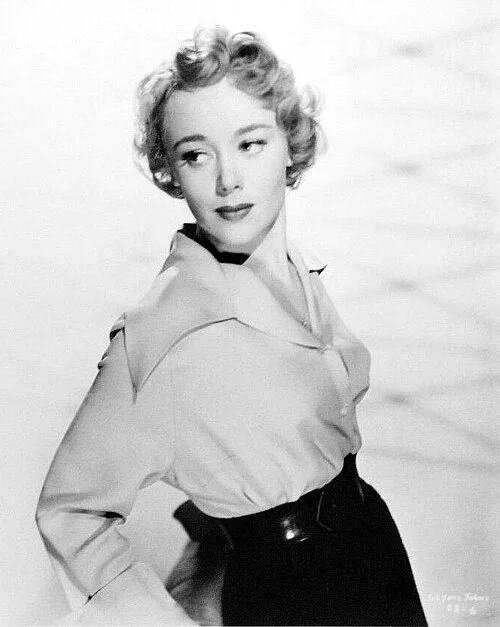
Glynis Johns
Birthday:
05 Oct, 1923
Date of Death:
04 Jan, 2024
Cause of death:
Natural causes
Nationality:
British
Famous As:
Actress
Age at the time of death:
100
Glynis Margaret Payne Johns's Quote's

“I don’t think I’ve ever retired—I just keep going.”
Glynis Margaret Payne Johns
🔗 deadcelebrityhub.com
Early Years and Education
Glynis Margaret Payne Johns, a British actress, dancer, and singer, was born on October 5, 1923, in Pretoria, South Africa. Her birth took place while her parents were on tour. Johns was born into a theatrical family, with her father, Mervyn Johns, being a Welsh actor and her mother, Alyce Steele-Wareham, an accomplished concert pianist. Glynis’s talent for performing arts was evident from a young age in. She joined the London Ballet School when she was five, and her exceptional talent was quickly observed. She combined rigorous dance training with her academic studies at Clifton High School in Bristol and South Hampstead High School in London. She received 25 gold medals for her performances.
Rising Star in Film and Theatre
Glynis Johns’s first film role was in the 1938 movie “South Riding”. In 1941, she achieved a breakthrough with her role in the war drama “49th Parallel,” earning her a National Board of Review Award for Best Acting. This achievement led to a series of significant parts in British films during the 1940s and 50s. John’s ability to adapt made her successful in film, television, and theatre. Her Broadway debut was in 1952, and she continued to shine on stage and film for the rest of her career. Films like “Miranda” (1948) and “The Court Jester” (1955) highlighted her comedic skills and charisma.
Iconic Role in Mary Poppins
The role Glynis Johns played in 1964 made her world famous. In Disney’s “Mary Poppins,” she played Mrs. Winifred Banks and sang the iconic “Sister Suffragette”. This performance won her the hearts of audiences young and old, ensuring her status as a cinematic icon.
Broadway Triumph and Tony Award
John was talented in more areas than just film. Stephen Sondheim’s “A Little Night Music” had its 1973 Broadway premiere with her in the role of Desiree Armfeldt. A Tony Award for Best Actress in a Musical was given to her for her performance of “Send in the Clowns,” a song Sondheim composed with her unique vocal abilities in mind.
Personal Life and Resilience
Throughout her life, Glynis Johns faced both happiness and challenges. She had four marriages; her first, to Anthony Forwood, resulted in her one child, Gareth. Although Johns fought cancer and alcoholism, he showed remarkable resilience. Christian Science and yoga, along with a healthy lifestyle, helped her live a long life.
Legacy and Final Years
Glynis Johns’ impressive eight-decade career spanned over 60 films and 30 plays, culminating in awards such as an Oscar nomination for “The Sundowners” (1960). She possessed a unique vocal style—Sondheim called it “like an unmade bed”—and the talent to imbue each role with charm and depth. Glynis Johns passed away peacefully on January 4, 2024, at the age of 100, in an assisted living home in Los Angeles. Her passing closed a chapter in Hollywood history; she was among the final surviving stars of its Golden Age. John’s memorable performances and profound impact on generations of actors and audiences ensure her legacy continues. Glynis Johns’ life shows talent, perseverance, and unwavering dedication to her craft. A dancing prodigy in her youth, she captivated audiences throughout her life, charming them until her final performance as a centenarian. Her impact on film, television, and theatre is lasting, leaving a legacy of inspiration and joy.
Profile Snapshot
Name:
Glynis Margaret Payne Johns
Popular Name:
Glynis Johns
Gender:
Female
Cause of Death:
Natural causes
Spouse:
Anthony Forwood
David Foster
Cecil Henderson
Elliott Arnold
Place of Birth:
Pretoria, Union of South Africa (now South Africa)
Place of Death:
Los Angeles, California, USA
Occupation / Profession:
Actress
Dancer
Singer
Personality Type
Consul: Extraordinarily caring, social and popular people, always eager to help. Glynis Johns. Was known for sociability, charm, and a nurturing presence—traits evident in her roles and interviews..
Glynis Margaret Payne Johns's Interesting Facts
Her film debut was at age 15 in South Riding (1938).
She turned down the role of Mrs. Voorhees in Friday the 13th (1980).
She was the oldest living Oscar nominee at the time of her death at 100.
Stephen Sondheim wrote "Send in the Clowns" specifically for her distinctive voice.
Achievements & Awards
Honored as a Disney Legend in 1998.
Nominated for an Academy Award for Best Supporting Actress for The Sundowners (1960).
Received a Drama Desk Award for A Little Night Music (1973).
Won a National Board of Review Award for Best Supporting Actress for The Sundowners (1960).
Won a Tony Award for Best Actress in a Musical for A Little Night Music (1973).
External Links
Additional Links
https://en.wikipedia.org/wiki/Glynis_Johnshttps://www.bfi.org.uk/news/glynis-johns-obituary-veteran-british-star-mary-poppins-mirandahttps://www.broadwayworld.com/people/Glynis-Johns/https://www.imdb.com/name/nm0424318/bio/https://www.independent.co.uk/arts-entertainment/films/news/glynis-johns-death-mary-poppins-age-b2473487.html
Latest Profiles
People also viewed
Jimi Hendrix
Born27 Nov, 1942
Died18 Sep, 1970
NationalityAmerican
Age at time of death27

Jesse Powell
Born12 Sep, 1971
Died13 Sep, 2022
NationalityAmerican
Age at time of death51
George Harrison
Born25 Feb, 1943
Died29 Nov, 2001
NationalityBritish
Age at time of death58
Tony Bennett
Born03 Aug, 1926
Died21 Jul, 2023
NationalityAmerican
Age at time of death96
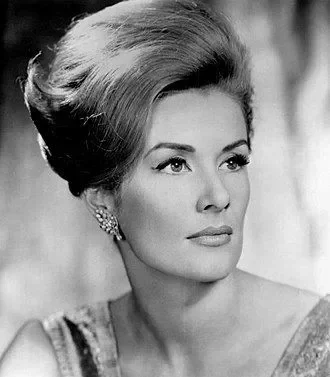
Sally Ann Howes
Born20 Jul, 1930
Died19 Dec, 2021
NationalityBritish, American
Age at time of death91

Olivia de Havilland
Born01 Jul, 1916
Died26 Jul, 2020
NationalityBritish, American
Age at time of death104
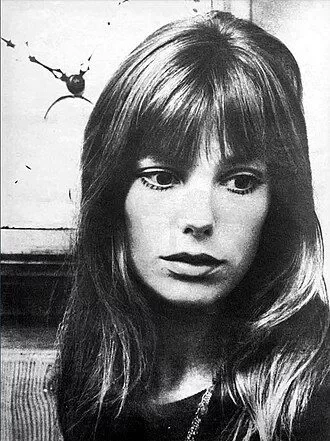
Jane Birkin
Born14 Dec, 1946
Died16 Jul, 2023
NationalityBritish, French
Age at time of death76

Chester Bennington
Born20 Mar, 1976
Died20 Jul, 2017
NationalityAmerican
Age at time of death41
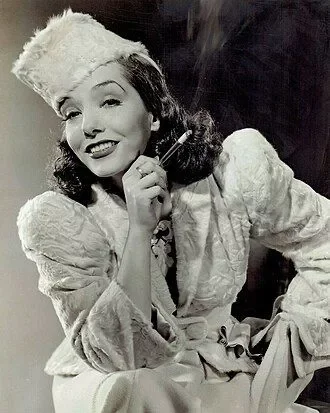
Lupe Vélez
Born18 Jul, 1908
Died14 Dec, 1944
NationalityMexican
Age at time of death36
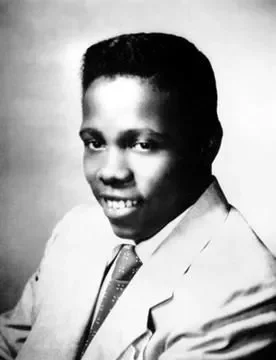
Johnny Ace
Born09 Jun, 1929
Died25 Dec, 1954
NationalityAmerican
Age at time of death25
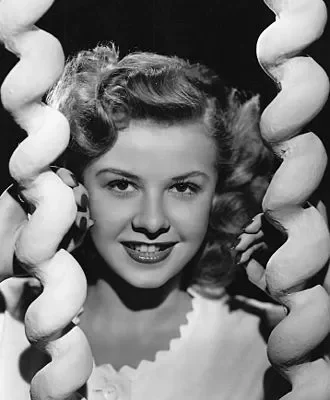
Vera-Ellen
Born16 Feb, 1921
Died30 Aug, 1981
NationalityAmerican German
Age at time of death60
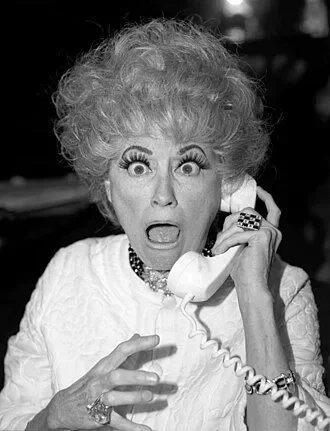
Phyllis Diller
Born17 Jul, 1917
Died20 Aug, 2012
NationalityAmerican
Age at time of death95
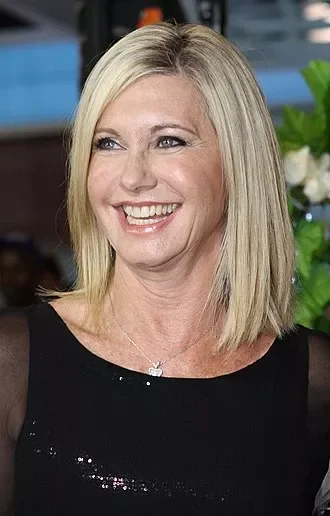
Olivia Newton-John
Born26 Sep, 1948
Died08 Aug, 2022
NationalityBritish, Australian
Age at time of death73
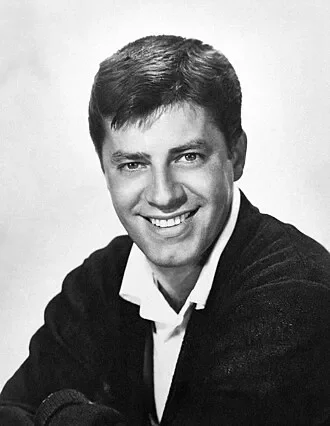
Jerry Lewis
Born16 Mar, 1926
Died20 Aug, 2017
NationalityAmerican
Age at time of death91

Cissy Houston
Born30 Sep, 1933
Died07 Oct, 2024
NationalityAmerican
Age at time of death91

Mary Martin
Born01 Dec, 1913
Died03 Nov, 1990
NationalityAmerican
Age at time of death76

Jim Morrison
Born08 Dec, 1943
Died03 Jul, 1971
NationalityAmerican
Age at time of death27

Christopher Lee
Born27 May, 1922
Died07 Jun, 2015
NationalityBritish
Age at time of death93

Biz Markie
Born08 Apr, 1964
Died16 Jul, 2021
NationalityAmerican
Age at time of death57

Billie Holiday
Born07 Apr, 1915
Died17 Jul, 1959
NationalityAmerican
Age at time of death44