Real Celebrities Never Die!
OR
Search For Past Celebrities Whose Birthday You Share
Died Age: 72

www.sowetanlive.co.za
Goodwill Zwelithini
Birthday:
13 Jul, 1948
Date of Death:
11 Mar, 2021
Cause of death:
Diabetes
Nationality:
South African
Famous As:
Politician
Age at the time of death:
72
Goodwill Zwelithini kaBhekuzulu's Quote's
“A nation that forgets its roots is a nation that cannot grow.”
Goodwill Zwelithini kaBhekuzulu
🔗 deadcelebrityhub.com
Early Life: Royal Roots and a Nation in Flux
King Goodwill Zwelithini kaBhekuzulu was a bridge between eras, a keeper of ancient Zulu traditions in the whirlwind of modern South Africa. For over five decades, he reigned not from the sidelines of ceremonial pageantry, but from the centre of his people's cultural heartbeat. His story is one of ancestral legacy, deep cultural pride, and a constant balancing act between heritage and change.
Born on July 27, 1948, in Nongoma, KwaZulu-Natal, Goodwill Zwelithini entered the world as a prince already tethered to destiny. He was the eldest son of King Cyprian Bhekuzulu kaSolomon and Queen Thomozile Jezangani Ndwandwe, and his childhood unfolded in the shadow of tradition and expectation.
As a child, he was immersed in the rich oral history of the Zulu people, sitting by firesides and listening to tales of Shaka Zulu’s military genius, the resilience of the Zulu nation, and the sacred responsibility of royal blood. But his youth was not cloistered. Growing up during the apartheid era meant that while his family held ancestral power, they lived within a system that sought to diminish Black identity and leadership. This contradiction of inherited authority within a politically oppressed system would shape his view of leadership forever.
One little-known fact: as a teenager, Goodwill was known for sneaking away from formal royal duties to ride horses and explore the rolling hills of Zululand, often without an entourage, which was something unheard of for a Zulu royal.
Education: The Making of a King
King Zwelithini’s early education was local, rooted in Nongoma, before attending the Bekezulu College of Chiefs. This institution was designed specifically for the children of traditional leaders, blending standard academics with the political and cultural teachings necessary to prepare young royals for leadership. Here, Zwelithini was not only trained in statecraft but also in the spiritual and ceremonial rites central to Zulu kingship.
He was not a scholar in the Western academic sense, but he was deeply educated in the lore, history, and customs of his people. His advisors often remarked on his remarkable memory and his ability to recall generations of Zulu genealogy without hesitation.
His formal education was interrupted when, at just 20 years old, his father died. As heir to the throne, Zwelithini was thrust into the spotlight. Given the political tensions of the time, he was temporarily moved to Saint Helena for his protection, delaying his coronation for three years.
Career with the Crown
King Goodwill Zwelithini ascended the throne in 1971, during a turbulent chapter in South Africa’s history. Apartheid was still deeply entrenched, and the role of traditional leaders was both symbolically revered and politically manipulated.
In the early years, Zwelithini was cautious. He often said that being king was less about power and more about presence. He rebuilt the Umkhosi Wokweshwama (First Fruits Ceremony) and the Umkhosi woMhlanga (Reed Dance), two ancient rituals that had fallen out of regular practice. These ceremonies not only revived Zulu pride but also turned the king into a cultural icon.
What few expected was his charisma. Despite being a traditional monarch, Zwelithini understood modern media and used it subtly. His appearances in tailored suits at international forums, his fluent English, and his measured speeches helped him straddle two worlds: ancestral leadership and diplomatic relevance.
Major Achievements: A Cultural Custodian with Political Clout
In the 1980s and 1990s, as South Africa moved toward democracy, Zwelithini became more politically vocal. He walked a tightrope supporting Zulu nationalism while trying to remain above party politics. His alliance with the Inkatha Freedom Party (IFP), led by his cousin Mangosuthu Buthelezi, was both a strength and a source of controversy.
But even amid political storms, his cultural influence was unwavering. He revived and popularised Zulu traditions, elevating them to national and even global stages. Tourists and dignitaries flocked to see the pageantry of Zulu ceremonies. Under his leadership, the Reed Dance grew to become a major cultural event, with thousands of maidens participating annually, showcasing purity, pride, and unity.
He was also a land custodian, holding nearly 30% of KwaZulu-Natal under the Ingonyama Trust, a land trust established by law. While the trust drew legal scrutiny and debate, many rural Zulus credited it with protecting their homes from market forces and preserving communal ownership.
King Zwelithini was known to be a huge fan of boxing, often hosting matches and encouraging youth participation in the sport as a means of discipline and self-pride.
Later Career: Voice of Tradition in a Changing Nation
In the post-apartheid era, Zwelithini remained a central figure in South African cultural life. He occasionally drew criticism, such as for controversial remarks on social issues, but remained staunchly committed to his role as cultural leader rather than political operator.
He engaged with HIV/AIDS education, promoted agricultural projects, and worked to expand rural development programs in KwaZulu-Natal. His speeches in later years were increasingly focused on unity, morality, and the need for youth to reclaim their heritage.
Though not a politician, he wielded soft power with remarkable precision, offering blessings to presidents, hosting international figures, and reminding South Africa that the soul of a nation often lies in its traditions.
Personal Life: The Man Behind the Crown
King Zwelithini was a polygamist, as is customary among Zulu royalty, and had six wives and at least 28 children. He was known to be a devoted father, often bringing his children to public events and grooming some for leadership roles within the royal structure.
He loved traditional music and was known to hum Zulu hymns during private moments. Friends and aides described him as a man of routine—an early riser, tea lover, fond of quiet walks in the royal gardens.
Despite the pomp, he preferred simplicity in daily life. His humour was dry, and he had a reputation for remembering people’s names and birthdays, a rare trait for someone who met thousands each year.
Legacy: A King Remembered
When King Goodwill Zwelithini passed away in March 2021 due to complications from diabetes, the mourning was national. He had reigned for nearly 50 years, making him the longest-serving Zulu monarch in recorded history.
His legacy is one of resilience and relevance. He preserved and elevated Zulu customs at a time when many feared such identities would be lost to modernisation. He reminded his people that tradition is not the opposite of progress but its foundation.
More than just a monarch, he was a living link between precolonial glory and democratic promise. His funeral was declared a special official category 1 event, attended by heads of state, tribal leaders, and ordinary citizens alike.
Today, King Goodwill Zwelithini is remembered not only as a ruler of a people but as a steward of culture, a figure who wore the leopard-skin crown not to command fear, but to inspire pride.
Profile Snapshot
Name:
Goodwill Zwelithini kaBhekuzulu
Popular Name:
Goodwill Zwelithini
Gender:
Male
Cause of Death:
Diabetes
Spouse:
Zola Zelusiwe Mafu
Nompumelelo Mchiza
Mantfombi Dlamini
Sibongile Winifred Dlamini
Buthle MaMathe
Thandikela Jane Ndlovu
Place of Birth:
Nongoma, South Africa
Place of Death:
Durban, South Africa
Occupation / Profession:
Politician
Personality Type
Protagonist: Charismatic and inspiring leaders, able to mesmerise their listeners. Avatar of the Campaigner (ENFP) personality type A wise and inspiring leader who united people by honouring tradition, guiding with heart, and standing strong through change.
Goodwill Zwelithini kaBhekuzulu's Interesting Facts
He once considered becoming a commercial farmer and had a strong personal interest in agriculture, especially livestock breeding.
The king enjoyed listening to traditional Zulu praise poetry and could recite several verses by memory.
Despite his traditional role, he was fascinated by modern technology and often requested briefings on global innovations from his advisors.
Achievements & Awards
King Goodwill Zwelithini revived and institutionalised major Zulu cultural ceremonies like the Reed Dance and First Fruits Festival, restoring pride in Zulu identity.
He played a significant role in rural development initiatives and land preservation through the Ingonyama Trust, which he chaired.
Internationally respected, he was honoured for promoting cultural heritage and received numerous accolades from traditional and civic organisations for his leadership, including honorary doctorates and diplomatic recognition across Africa.
External Links
Additional Links
Latest Profiles
People also viewed
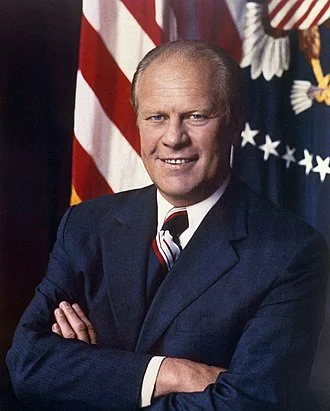
Gerald Ford
Born14 Jul, 1913
Died26 Dec, 2006
NationalityAmerican
Age at time of death93
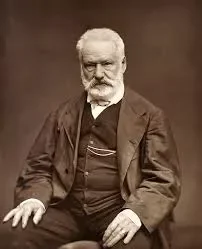
Victor Hugo
Born26 Feb, 1802
Died22 May, 1885
NationalityFrench
Age at time of death83
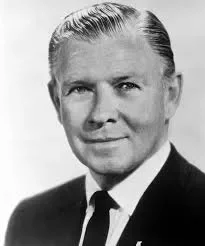
George Murphy
Born04 Jul, 1902
Died03 May, 1992
NationalityAmerican
Age at time of death89
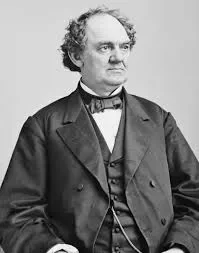
P. T. Barnum
Born05 Jul, 1810
Died07 Apr, 1891
NationalityAmerican
Age at time of death80
Rajendra Prasad
Born03 Dec, 1884
Died28 Feb, 1963
NationalityIndian
Age at time of death78
Nelson Rockefeller
Born08 Jul, 1908
Died26 Jan, 1979
NationalityAmerican
Age at time of death70

Ethan Allen
Born21 Jan, 1738
Died12 Feb, 1789
NationalityAmerican
Age at time of death51
Herbert Hoover
Born10 Aug, 1874
Died20 Oct, 1964
NationalityAmerican
Age at time of death90
Jacques Delors
Born20 Jul, 1925
Died27 Dec, 2023
NationalityFrench
Age at time of death98
James Harrison
Born17 Apr, 1816
Died03 Sep, 1893
NationalityScottish,Australian
Age at time of death77
Menachem Begin
Born16 Aug, 1913
Died09 Mar, 1992
NationalityIsraeli
Age at time of death78
Peter Fraser
Born28 Aug, 1884
Died12 Dec, 1950
NationalityNew Zealand
Age at time of death66
Muhammad Ali Jinnah
Born25 Dec, 1876
Died11 Sep, 1948
NationalityPakistani
Age at time of death71
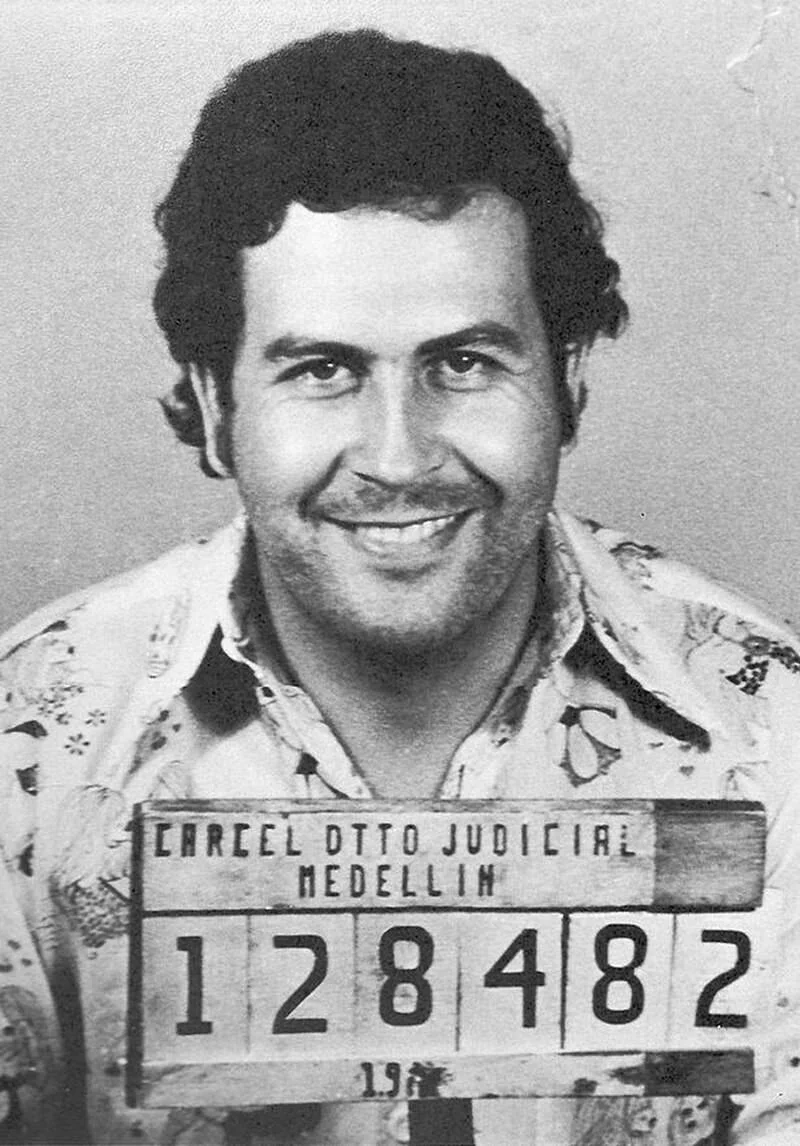
Pablo Escobar
Born01 Dec, 1949
Died02 Dec, 1993
NationalityColombian
Age at time of death44
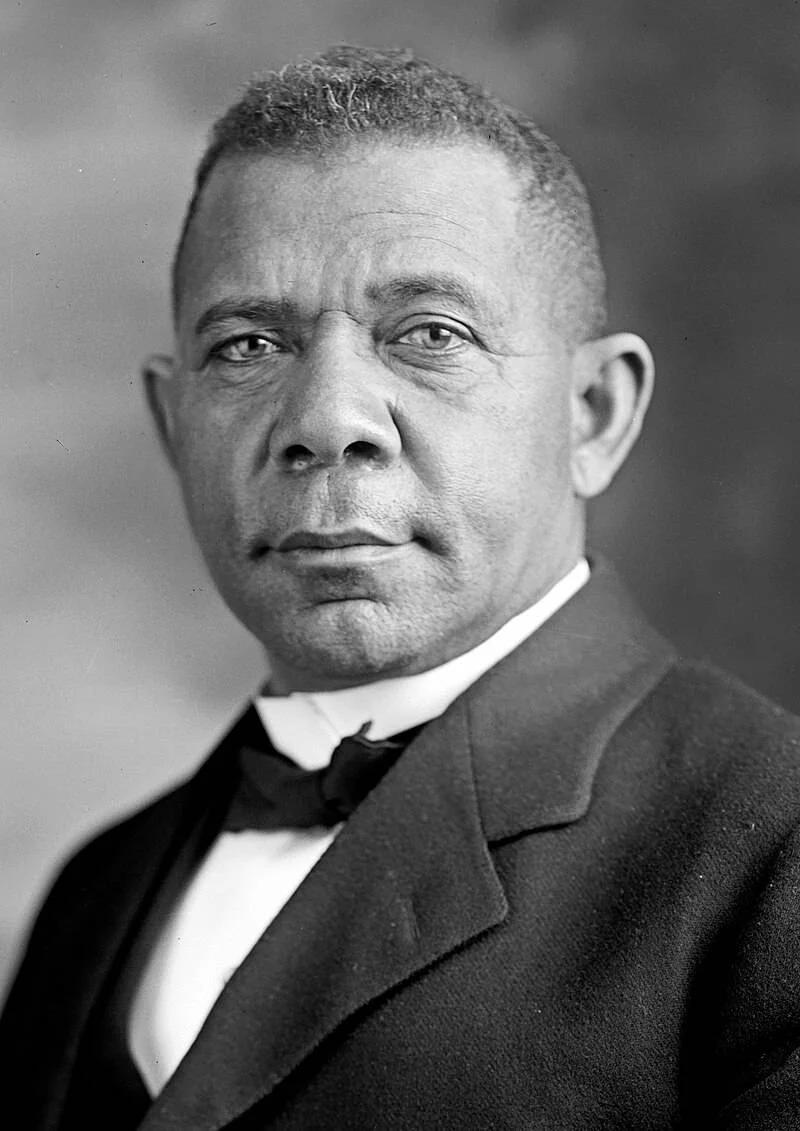
Booker T. Washington
Born05 Apr, 1856
Died14 Nov, 1915
NationalityAmerican
Age at time of death59
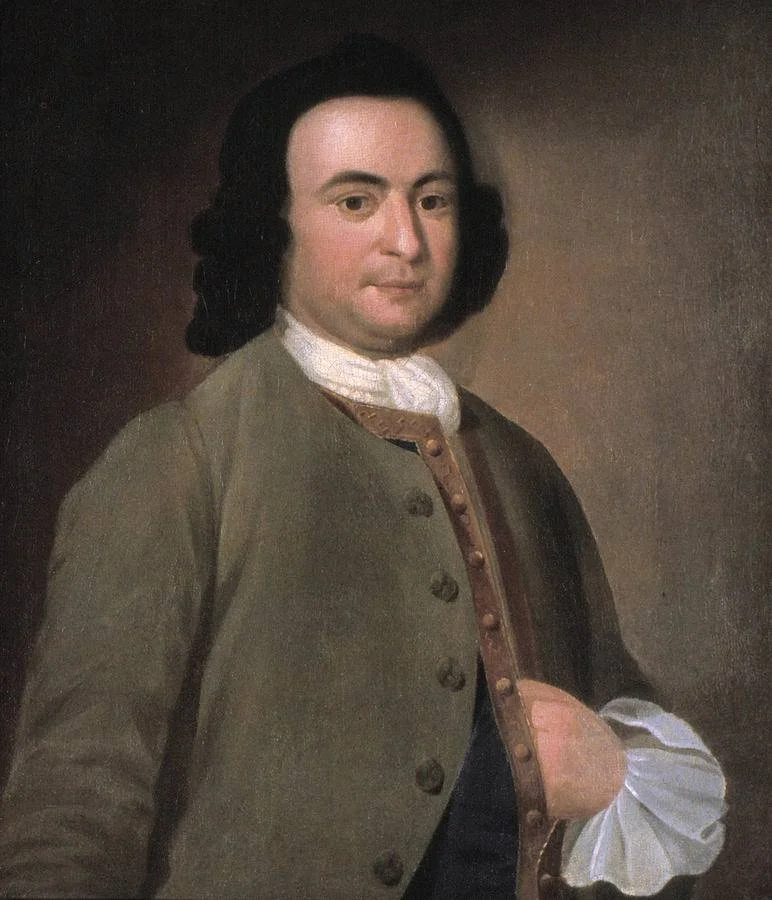
George Mason
Born11 Dec, 1725
Died07 Oct, 1792
NationalityAmerican, British
Age at time of death66
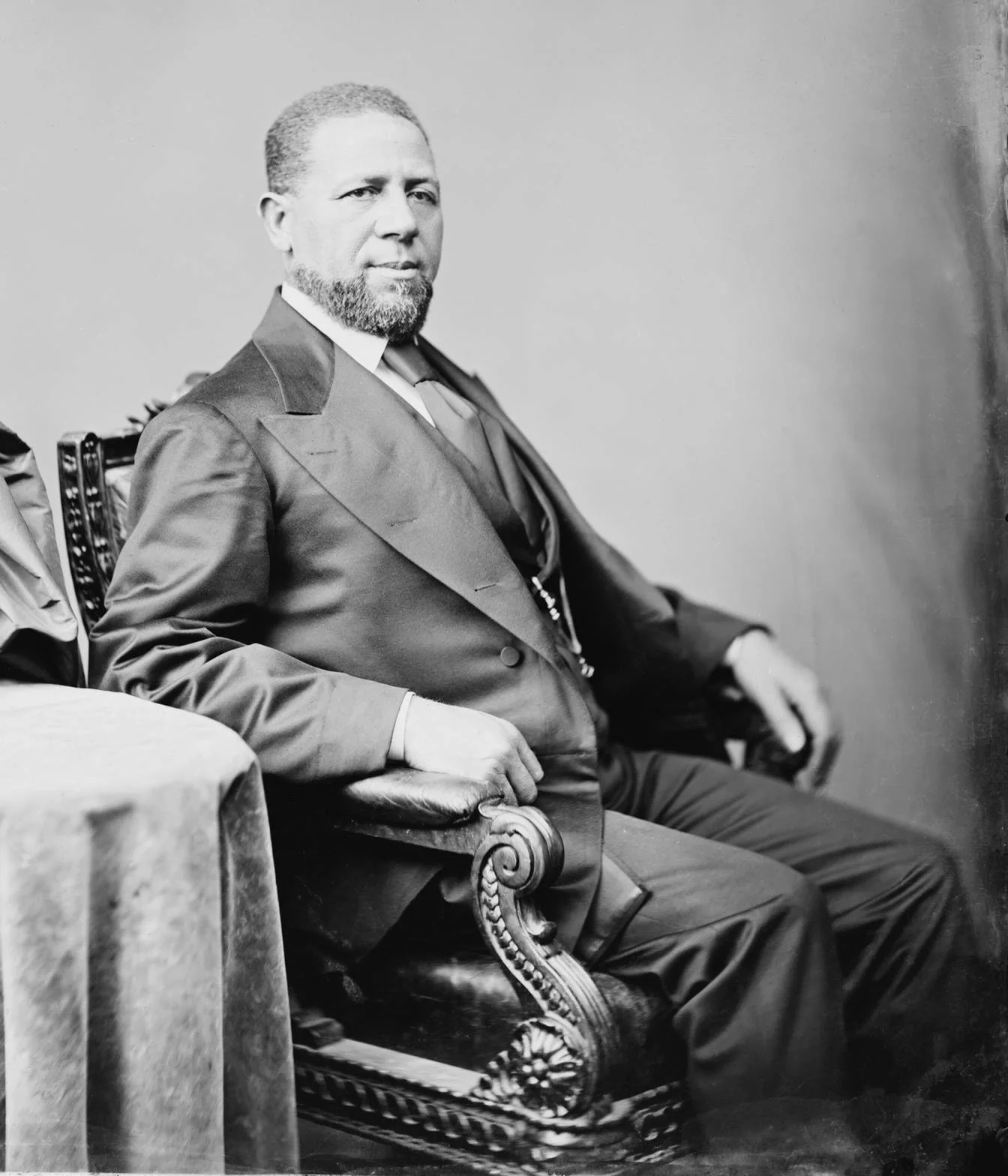
Hiram R. Revels
Born27 Sep, 1827
Died16 Jan, 1901
NationalityAmerican
Age at time of death73
Sheikh Mujibur Rahman
Born17 Mar, 1920
Died15 Aug, 1975
NationalityIndian, Pakistani, Bangladeshi
Age at time of death55
Ronald Reagan
Born06 Feb, 1911
Died05 Jun, 2004
NationalityAmerican
Age at time of death93
Robert Menzies
Born20 Dec, 1894
Died15 May, 1978
NationalityAustralian
Age at time of death83