Real Celebrities Never Die!
OR
Search For Past Celebrities Whose Birthday You Share
Died Age: 73
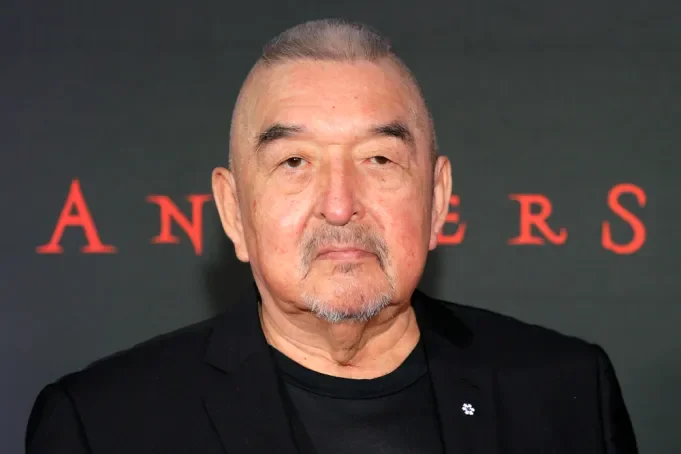
variety.com
Graham Greene
Birthday:
21 Jun, 1952
Date of Death:
31 Aug, 2025
Cause of death:
Natural causes
Nationality:
Canadian
Famous As:
Actor
Age at the time of death:
73
Graham Greene's Quote's

“I don’t get angry. I get even, but in a good way—by doing better work.”
Graham Greene
🔗 deadcelebrityhub.com
Early Life
Graham Greene has long stood as one of Canada’s most distinctive voices in film and television—a performer whose quiet intensity and deep authenticity have made him a bridge between worlds. Known for his powerful presence in films like Dances with Wolves and Thunderheart, Greene’s career tells the story of perseverance, identity, and artistry rooted in both his heritage and his humanity.
Born on June 22, 1952, in Six Nations Reserve, Ontario, Graham Greene grew up surrounded by the stories and traditions of his Oneida heritage. His early life was a balance between rural community and the wider Canadian world—a duality that would later shape the emotional depth he brought to his characters. Greene’s childhood was not glamorous; he worked a variety of jobs, from carpenter to welder, before ever stepping into a theatre. Yet, even in those early days, he carried an instinct for performance—a way of observing people, understanding silence, and listening deeply, qualities that would become the trademarks of his craft.
Education and Early Pursuits
Greene’s formal path to acting began at the Centre for Indigenous Theatre’s Native Theatre School in Toronto, where he discovered both his voice and a mission. His education wasn’t only technical—it was cultural and personal. He learned to merge storytelling traditions with contemporary performance, finding ways to portray Indigenous experiences with dignity and nuance. This period also marked the start of his lifelong commitment to representation—ensuring that Indigenous characters were seen not as stereotypes, but as complex, fully human individuals.
Early Career: Finding a Voice
Greene’s acting career began in the 1970s on stage, where he developed his reputation in productions that often challenged audiences’ preconceptions about Indigenous life. He soon transitioned into television and radio, where his smooth, resonant voice made him a natural fit. In those early years, he took on a range of small roles that reflected both opportunity and limitation—work that paid the bills but rarely gave him the chance to show his depth. Still, Greene persevered, guided by a belief that meaningful stories would eventually find him.
Breakthrough and Major Achievements
That moment arrived in 1990 with Dances with Wolves. Greene’s portrayal of Kicking Bird, a wise and empathetic Lakota medicine man, earned him an Academy Award nomination for Best Supporting Actor—the first for a First Nations actor. The role transformed his career overnight and, more importantly, reshaped how Hollywood saw Indigenous performers.
Following that success, Greene appeared in a range of powerful roles that showcased his versatility—from the spiritual mentor in Thunderheart to the wry humor of Die Hard with a Vengeance and the quiet strength in The Green Mile. He balanced major Hollywood productions with independent films and television, never losing sight of stories that reflected truth and community.
Fun fact: Greene is also a talented musician and once played in a rock band before pursuing acting—a detail that hints at his lifelong relationship with rhythm and storytelling in all forms.
Later Career and Continued Influence
As his career matured, Greene became not only a performer but also a mentor. He took on roles in Indigenous-led projects such as Northern Exposure and Longmire, and lent his voice to animated features and narration work that brought Indigenous stories to younger audiences. His later work, including Wind River and The Wilds, reflects a deepened sense of purpose—using his platform to illuminate truths about identity, resilience, and justice.
Greene’s on-screen presence remains unmistakable: calm but commanding, capable of expressing strength with a glance or silence with meaning.
Personal Life
Off-screen, Greene’s life has been marked by both humour and humility. He is known for his down-to-earth personality and his dry wit, often poking fun at the unpredictability of fame. He has spoken candidly about the challenges of the entertainment industry and the importance of staying grounded in his culture and family. Though private about much of his personal life, Greene’s devotion to community and his support for Indigenous artists speak volumes about the values he carries beyond the camera.
Legacy
Graham Greene’s legacy reaches far beyond awards or film credits. He opened doors in an industry that had long been closed to Indigenous performers, proving that authenticity and artistry are not mutually exclusive but deeply intertwined. His performances have given audiences not just entertainment, but empathy—offering glimpses into cultures and perspectives too often overlooked.
Today, Greene stands as a trailblazer and storyteller whose journey continues to inspire new generations of Indigenous actors. His life is a testament to the power of persistence, identity, and quiet strength—a reminder that true representation begins with truth itself.
Profile Snapshot
Name:
Graham Greene
Popular Name:
Graham Greene
Gender:
Male
Cause of Death:
Natural causes
Spouse:
Hilary Blackmore
Place of Birth:
Ohsweken, Canada
Place of Death:
Stratford, Canada
Occupation / Profession:
Actor
Recording artist
Personality Type
Campaigner: Graham Greene was a storyteller whose compassion and conviction shine through every role he inhabits.
Graham Greene's Interesting Facts
Before acting, Greene worked as a sound engineer for rock bands and even performed music himself.
He once worked as a welder and carpenter, trades he learned before pursuing the arts.
Despite his global fame, he has said he prefers a simple, private life in Ontario, close to his roots.
Achievements & Awards
Graham Greene earned international acclaim for his portrayal of Kicking Bird in Dances with Wolves (1990), which earned him an Academy Award nomination for Best Supporting Actor—the first for a First Nations actor.
Over the years, he has appeared in more than a hundred films and television projects, including Thunderheart, The Green Mile, and Wind River, each showcasing his range and quiet power.
In recognition of his contributions to Canadian and Indigenous arts, he was appointed a Member of the Order of Canada in 2015.
His enduring career stands as a milestone in the representation of Indigenous voices in mainstream cinema.
External Links
Latest Profiles
People also viewed
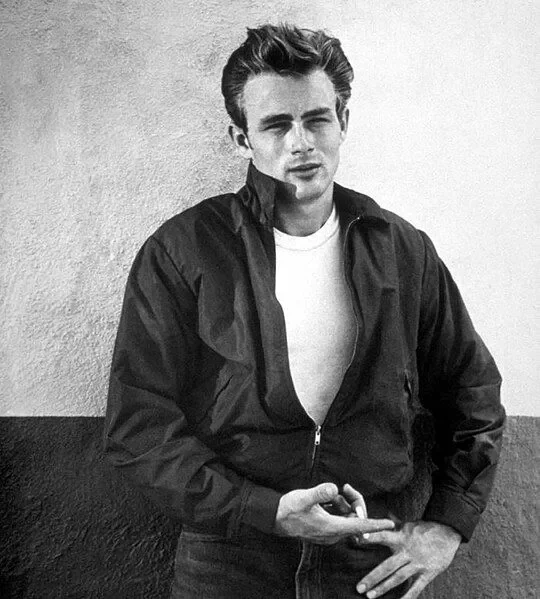
James Dean
Born08 Feb, 1931
Died30 Sep, 1955
NationalityAmerican
Age at time of death24
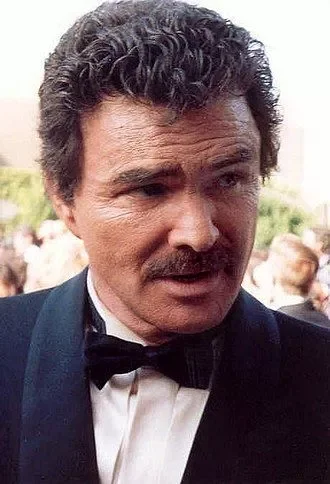
Burt Reynolds
Born11 Feb, 1936
Died06 Sep, 2018
NationalityAmerican
Age at time of death82
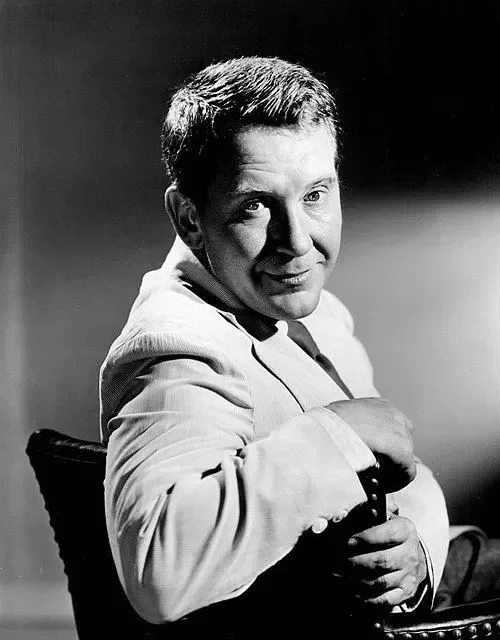
Oliver Burgess Meredith
Born16 Nov, 1907
Died09 Sep, 1997
NationalityAmerican
Age at time of death89
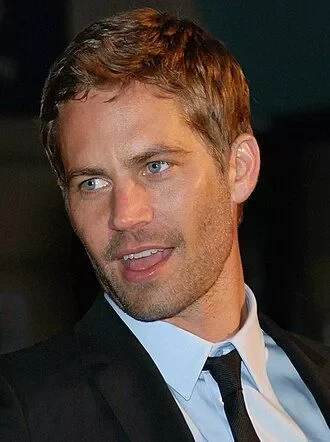
Paul Walker
Born12 Sep, 1973
Died30 Nov, 2013
NationalityAmerican
Age at time of death40
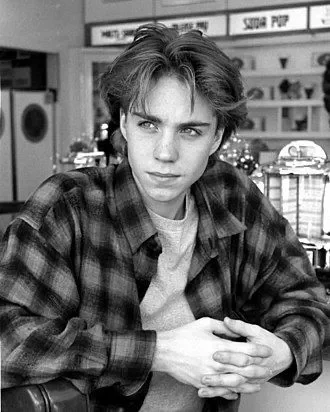
Jonathan Brandis
Born13 Apr, 1976
Died12 Nov, 2003
NationalityAmerican
Age at time of death27
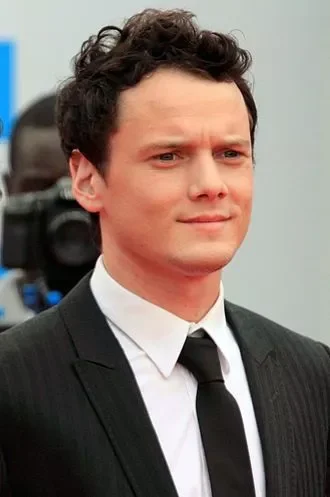
Anton Yelchin
Born11 Mar, 1989
Died19 Jun, 2016
NationalityAmerican
Age at time of death27
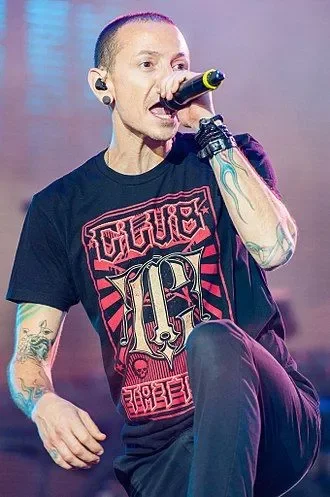
Chester Bennington
Born20 Mar, 1976
Died20 Jul, 2017
NationalityAmerican
Age at time of death41
Peter Fonda
Born23 Feb, 1940
Died16 Aug, 2019
NationalityAmerican
Age at time of death79
Jerry Lewis
Born16 Mar, 1926
Died20 Aug, 2017
NationalityAmerican
Age at time of death91
Marlon Brando
Born03 Apr, 1924
Died01 Jul, 2004
NationalityAmerican
Age at time of death80
James Stewart
Born20 May, 1908
Died02 Jul, 1997
NationalityAmerican
Age at time of death89

Cory Monteith
Born11 May, 1982
Died13 Jul, 2013
NationalityCanadian
Age at time of death31
Christopher Lee
Born27 May, 1922
Died07 Jun, 2015
NationalityBritish
Age at time of death93
Paul Mooney
Born04 Aug, 1941
Died19 May, 2021
NationalityAmerican
Age at time of death79
George Murphy
Born04 Jul, 1902
Died03 May, 1992
NationalityAmerican
Age at time of death89
Fred Ward
Born30 Dec, 1942
Died08 May, 2022
NationalityAmerican
Age at time of death79
Frank Sinatra
Born12 Dec, 1915
Died14 May, 1998
NationalityAmerican
Age at time of death82
Eric Morecambe
Born14 May, 1926
Died28 May, 1984
NationalityBritish
Age at time of death58
DMX
Born18 Dec, 1970
Died09 Apr, 2021
NationalityAmerican
Age at time of death50
Alfred Hitchcock
Born13 Aug, 1899
Died29 Apr, 1980
NationalityAmerican, British
Age at time of death80