Real Celebrities Never Die!
OR
Search For Past Celebrities Whose Birthday You Share
Died Age: 66
cdne-mag-prod-old.azureedge.net
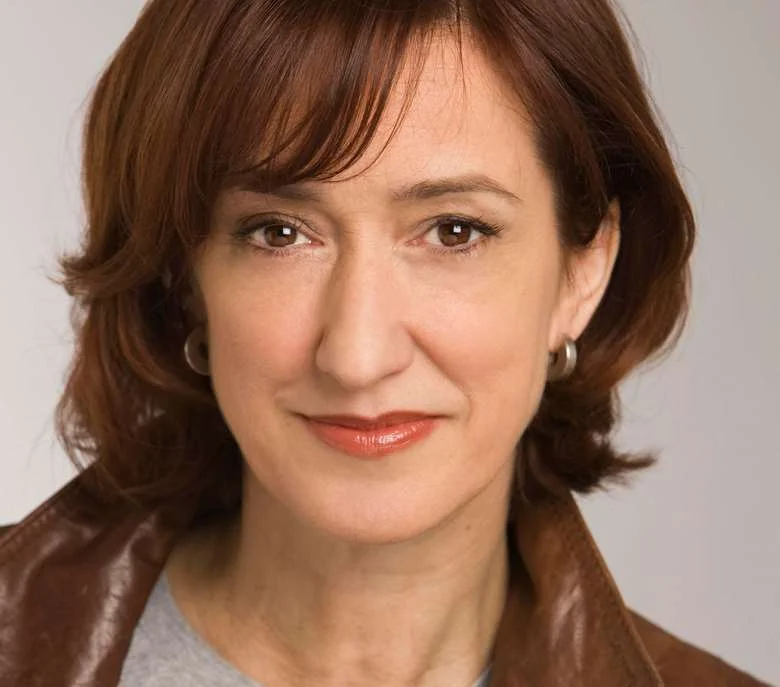
Haydn Gwynne
Birthday:
21 Mar, 1957
Date of Death:
20 Oct, 2023
Cause of death:
Cancer
Nationality:
British
Famous As:
Actress
Age at the time of death:
66
Haydn Gwynne's Quote's

“Theatre teaches you to listen. Really listen. That’s rare, and that’s powerful.”
Haydn Gwynne
🔗 deadcelebrityhub.com
Early Life: Rooted in Curiosity, Raised in Artistry
Haydn Gwynne was never the kind of performer who demanded the spotlight, but became one of Britain’s most cherished actors. Whether she was commanding the stage as a Shakespearean queen or stealing scenes on television with her razor-sharp timing, Gwynne radiated a quiet intensity that lingered long after the curtain fell. Her story, much like her performances, unfolded with grace, grit, and a magnetic sincerity that made her unforgettable.
Born in Sussex on March 21, 1957, Haydn Gwynne grew up in an atmosphere that subtly nudged her toward the creative arts. Her father was a linguist, which perhaps explains her early fascination with words, cadence, and the rhythm of speech. She was named “Haydn” after the composer, which was a curious choice for a girl in the 1950s and one she carried with quiet pride. Her upbringing was cultured but not indulgent, shaped more by books than by bravado. It was an environment that encouraged deep thinking, attentive listening, and speaking only when it truly mattered.
Though she had early inklings of performance while participating in school plays and local productions, it wasn’t a straight shot to the spotlight. Gwynne was always intellectually driven, choosing to study sociology at the University of Nottingham. It was a discipline that would later inform her understanding of characters and motivations. However, her heart yearned for something more expressive, and she eventually trained at the Webber Douglas Academy of Dramatic Art, where the seeds of her dramatic range began to blossom.
Education: The Stage as a Sociological Canvas
Before she ever set foot on a West End stage, Gwynne was teaching English as a second language in Italy. It was an unconventional detour that reflects her innate curiosity about people and cultures. That same curiosity would shape her acting career. Her academic foundation provided her with a cerebral approach to characters, while her life experiences added emotional resonance.
What many don’t know is that Gwynne spoke fluent Italian and had once considered a career in academia. But the call of the stage was too loud to ignore. Her training at Webber Douglas marked her artistic rebirth, where intellect met instinct, and she learned to speak not just to audiences, but for them.
Career Journey: From Rising Flame to National Treasure
The Early Spark
Gwynne’s professional acting debut came later than most, in her early thirties—a fact that gave her early performances a maturity that critics quickly noted. Her breakthrough came with the satirical newsroom sitcom Drop the Dead Donkey in the early 1990s, where she played the sharp-tongued editor Alex Pates. Her comedic timing was impeccable, dry without being cruel, and emotionally precise. It won her a BAFTA nomination and made her a household name.
Commanding the Stage
Though television gave her visibility, theatre remained her first love. She became a fixture in British theatre, often choosing roles that challenged norms. She played Margaret Thatcher in The Audience, Lady Wishfort in The Way of the World, and Queen Elizabeth in Richard III. Her portrayal of dance teacher Mrs. Wilkinson in Billy Elliot: The Musical was a career-defining moment—she originated the role in London and reprised it on Broadway, earning Olivier and Tony Award nominations. Her performance balanced steel and softness, grit and grace, which was a perfect metaphor for her artistic journey.
Later Work and Turning Points
Even in her later years, Gwynne refused to rest on her laurels. She starred in The Windsors, a riotous satire of the British royal family, where her portrayal of Camilla Parker Bowles became a cult favourite, arch, hilarious, and delightfully unhinged. She could lampoon with the best of them, but never without nuance.
In 2023, Gwynne returned to the stage in The Great British Bake Off Musical, a role she took on shortly before her cancer diagnosis. True to form, she faced illness privately and courageously, continuing to perform with a strength that moved colleagues and fans alike. She passed away on October 20, 2023, leaving behind a portfolio that was as diverse as it was distinguished.
Personal Life: Quiet Depths Behind the Curtain
Offstage, Haydn Gwynne was fiercely private. She lived in London with her partner and two sons, preferring dinner tables and bookshops to red carpets. Friends described her as intellectually curious, deeply empathetic, and irresistibly witty—someone who could quote Shakespeare and crack a joke in the same breath. She adored crossword puzzles, loved swimming, and had an affinity for Italian espresso.
One lesser-known fact: Gwynne had a deep love for jazz and often imagined an alternate life as a lounge singer. It wasn’t far-fetched with a voice that had that smoky, spellbinding quality.
Legacy: A Voice That Echoes Beyond the Stage
Haydn Gwynne’s legacy isn’t defined by fame but by finesse. She was the actor’s actor—trusted, admired, and quietly revered. In an industry that often rewards the loudest, she stood out by speaking softly but carrying an emotional weight that could level a room. Her performances—whether in musical theatre, political satire, or classical drama—were marked by truth and intelligence. She gave herself entirely to each role, inhabiting rather than performing, and in doing so, made her characters unforgettable.
She leaves behind not just a catalogue of brilliant work but a template for what it means to build a career with integrity, wit, and unwavering commitment. In every role, Haydn Gwynne reminded us that art is not just about visibility but also voice. And hers will be echoing for years to come.
Profile Snapshot
Name:
Haydn Gwynne
Popular Name:
Haydn Gwynne
Gender:
Female
Cause of Death:
Cancer
Spouse:
Jason Phipps
Place of Birth:
Hurstpierpoint, United Kingdom
Place of Death:
London, United Kingdom
Occupation / Profession:
Actress
Personality Type
Architect Imaginative and strategic thinkers, with a plan for everything. Haydn Gwynne was a thoughtful, quietly powerful woman who combined intellect and artistry to leave a lasting mark without ever needing to shout.
Haydn Gwynne's Interesting Facts
Haydn was an avid swimmer and found peace and clarity in water, often calling it her “reset button.”
She initially planned to become a linguist and was fluent in Italian, having even taught English in Rome before pursuing a career in acting.
She once performed in an all-female production of Henry IV at the Donmar Warehouse, embracing gender-swapped roles with bold enthusiasm.
Achievements & Awards
Haydn Gwynne earned widespread acclaim for her portrayal of Mrs. Wilkinson in Billy Elliot the Musical, earning both an Olivier Award nomination and a Tony Award nomination for the role.
In recognition of her contributions to drama, she was made an Honorary Doctor of Arts by the University of Nottingham.
She was also BAFTA-nominated for her performance in the hit TV satire Drop the Dead Donkey, showcasing her impeccable comedic timing.
Throughout her career, she became a standout presence on both stage and screen, with notable roles in The Crown, The Windsors, and Rome.
External Links
Latest Profiles
People also viewed
Sally Ann Howes
Born20 Jul, 1930
Died19 Dec, 2021
NationalityBritish, American
Age at time of death91
Olivia de Havilland
Born01 Jul, 1916
Died26 Jul, 2020
NationalityBritish, American
Age at time of death104
Jane Birkin
Born14 Dec, 1946
Died16 Jul, 2023
NationalityBritish, French
Age at time of death76
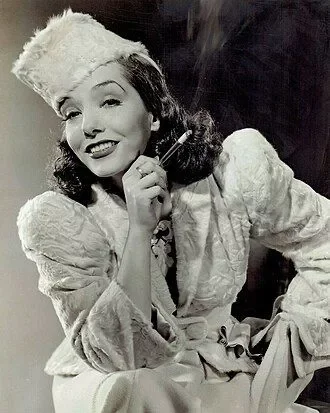
Lupe Vélez
Born18 Jul, 1908
Died14 Dec, 1944
NationalityMexican
Age at time of death36
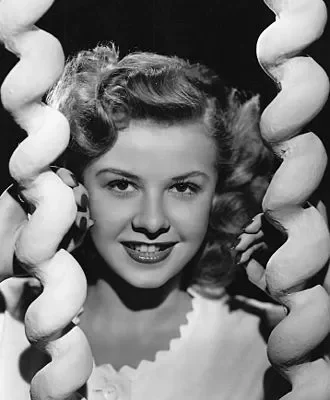
Vera-Ellen
Born16 Feb, 1921
Died30 Aug, 1981
NationalityAmerican German
Age at time of death60
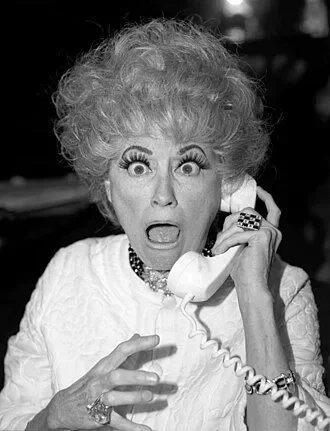
Phyllis Diller
Born17 Jul, 1917
Died20 Aug, 2012
NationalityAmerican
Age at time of death95
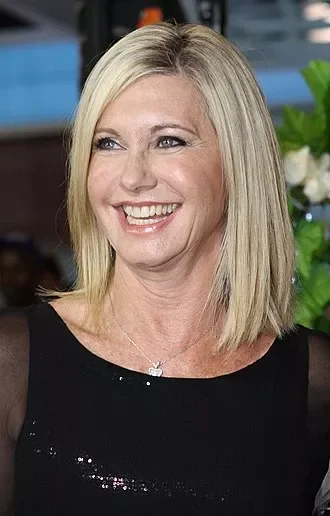
Olivia Newton-John
Born26 Sep, 1948
Died08 Aug, 2022
NationalityBritish, Australian
Age at time of death73
Mary Martin
Born01 Dec, 1913
Died03 Nov, 1990
NationalityAmerican
Age at time of death76
Tina Turner
Born26 Nov, 1939
Died24 May, 2023
NationalityAfrican, American
Age at time of death83
Tawny Kitaen
Born05 Aug, 1961
Died07 May, 2021
NationalityAmerican
Age at time of death59
Gloria Swanson
Born27 Mar, 1899
Died04 Apr, 1983
NationalityAmerican
Age at time of death84
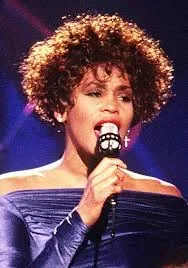
Whitney Houston
Born09 Aug, 1963
Died11 Feb, 2012
NationalityAmerican
Age at time of death48
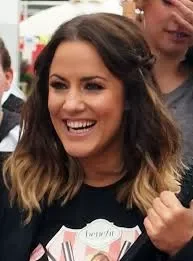
Caroline Flack
Born09 Nov, 1979
Died15 Feb, 2020
NationalityBritish
Age at time of death40
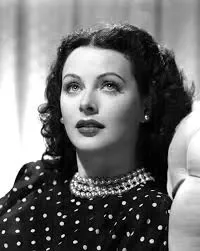
Hedy Lamarr
Born09 Nov, 1914
Died19 Jan, 2000
NationalityAmerican
Age at time of death85
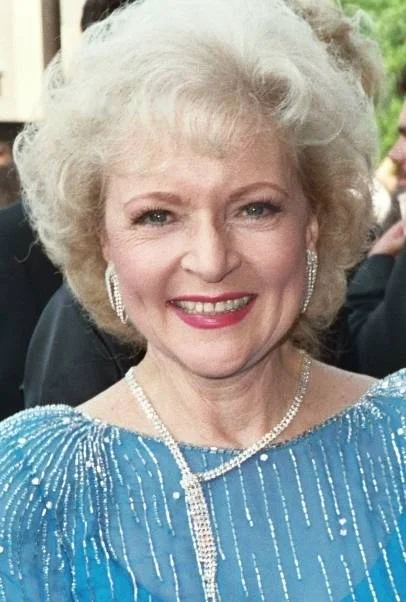
Betty White
Born30 Nov, 1922
Died31 Dec, 2021
NationalityAmerican
Age at time of death99
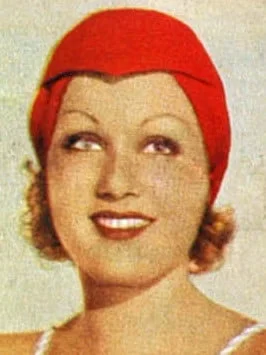
Grace Bradley
Born21 Sep, 1913
Died21 Sep, 2010
NationalityAmerican
Age at time of death97

Brittany Murphy
Born10 Nov, 1977
Died20 Dec, 2009
NationalityAmerican
Age at time of death32
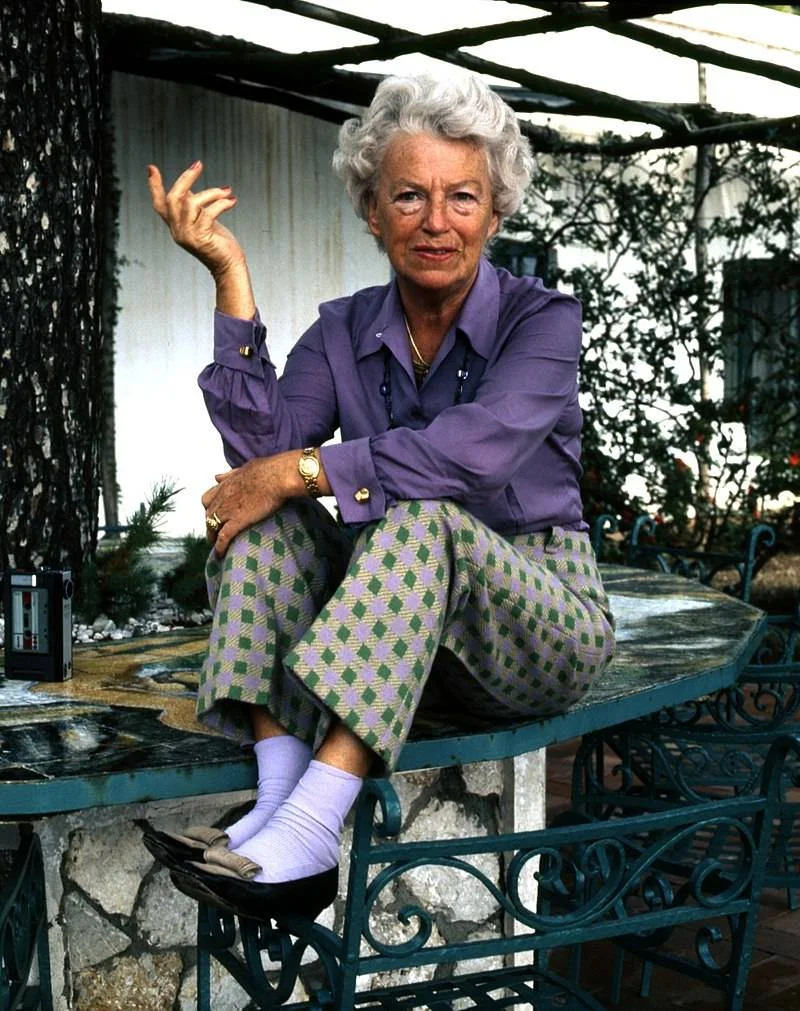
Gracie Fields
Born09 Jan, 1898
Died27 Sep, 1979
NationalityBritish, Italian
Age at time of death81
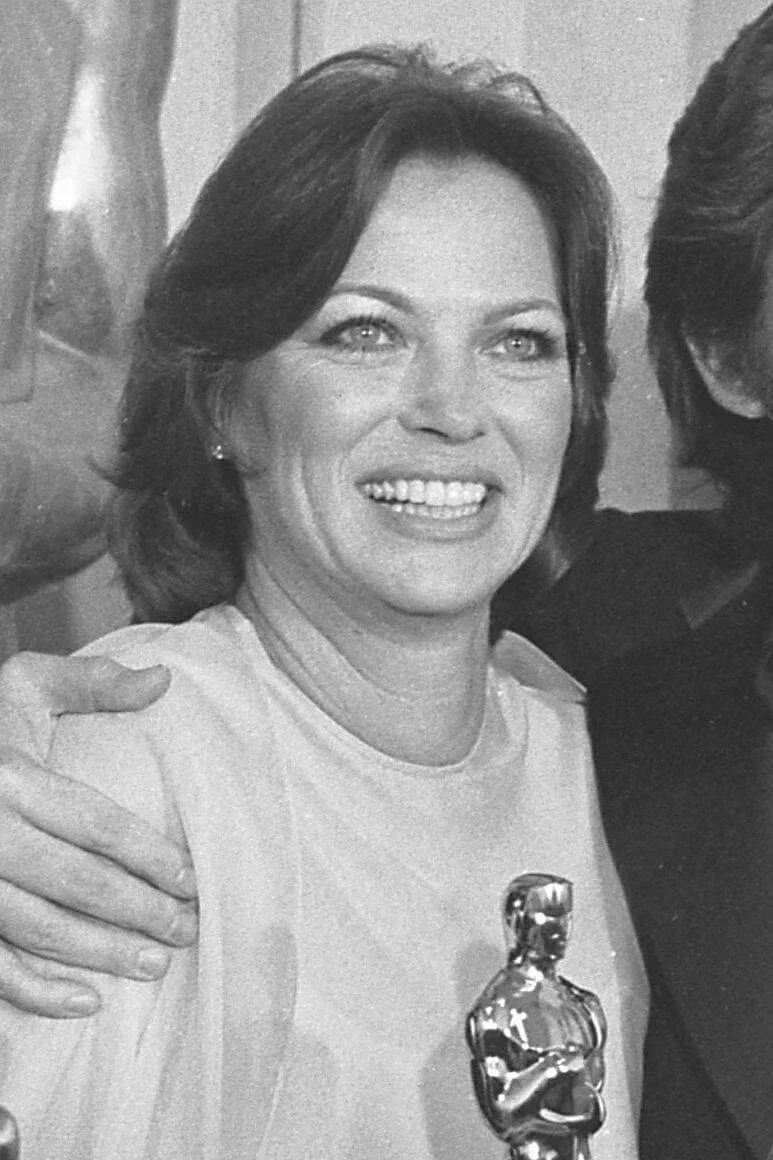
Louise Fletcher
Born22 Jul, 1934
Died23 Sep, 2022
NationalityAmerican
Age at time of death88
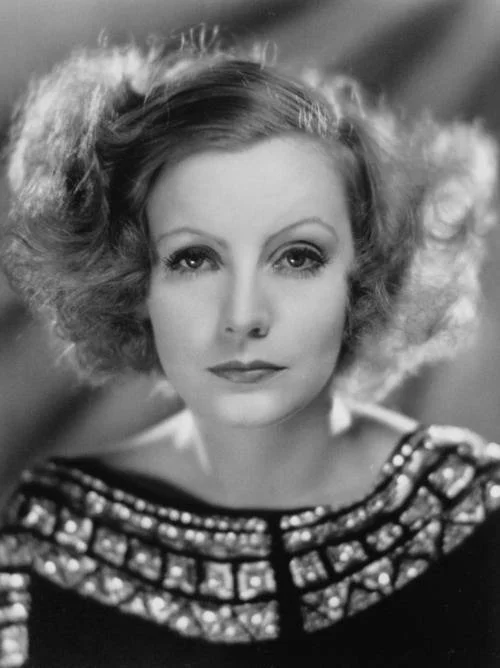
Greta Garbo
Born18 Sep, 1905
Died15 Apr, 1990
NationalitySwedish, American
Age at time of death84