Real Celebrities Never Die!
OR
Search For Past Celebrities Whose Birthday You Share
Died Age: 89
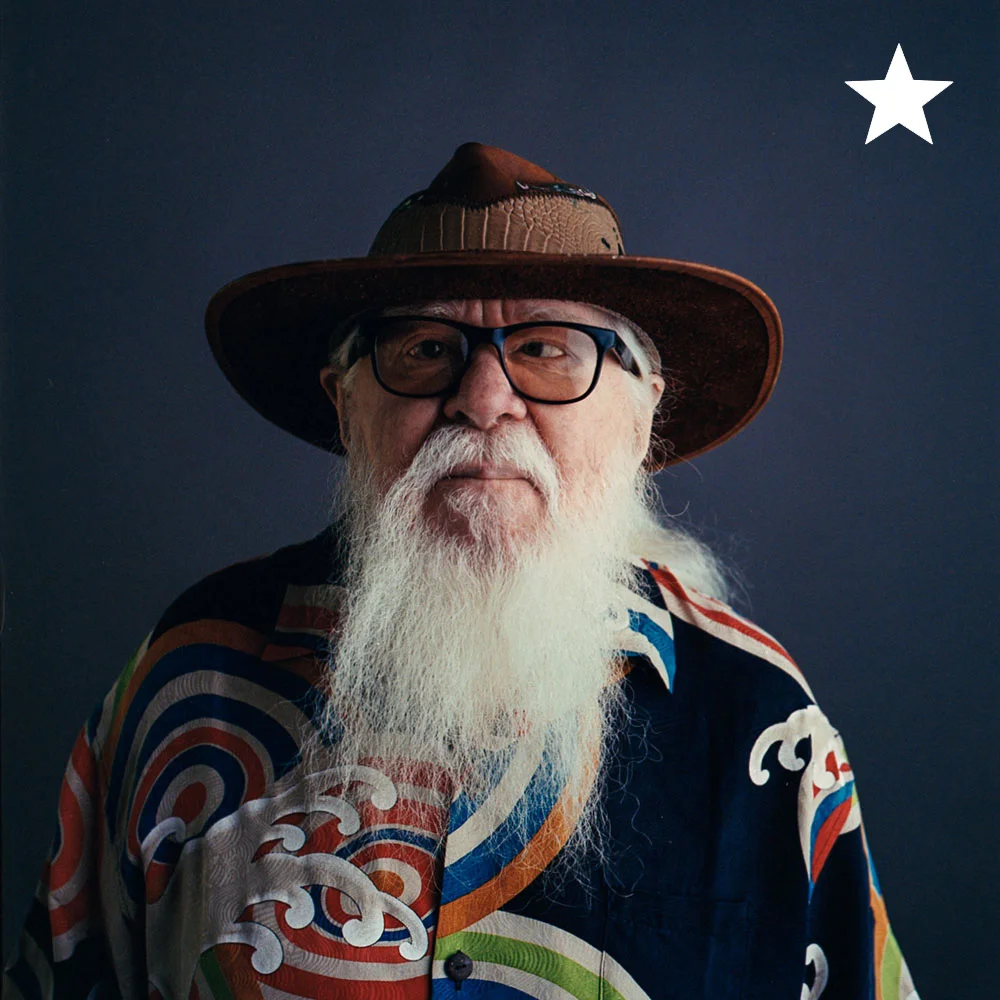
rocinante.com.br
Hermeto Pascoal
Birthday:
21 Jun, 1936
Date of Death:
12 Sep, 2025
Cause of death:
Multiple organ failure
Nationality:
Brazilian
Famous As:
Composer
Age at the time of death:
89
Hermeto Pascoal Oliveira da Costa's Quote's

“Music is everywhere; you just have to open your ears.”
Hermeto Pascoal Oliveira da Costa
🔗 deadcelebrityhub.com
Early Life: Music in the Fields
Hermeto Pascoal is often described as the “wizard of sound,” a title that feels almost literal once you encounter his music. With his wild white hair, boundless energy, and an uncanny ability to coax melody from anything—teapots, toys, typewriters, even water—Pascoal redefined what it means to make music. A composer, multi-instrumentalist, and improviser without limits, he turned the everyday world into an orchestra and became one of Brazil’s most original and universally respected musicians.
Hermeto Pascoal was born in 1936 in Lagoa da Canoa, a small rural community in the northeastern Brazilian state of Alagoas. The son of farmers, he grew up without electricity or modern conveniences—but surrounded by the natural music of his environment: the rustling of sugarcane, the calls of birds, the rhythm of rain on tin roofs. Albino since birth, he was sensitive to sunlight and spent much of his childhood indoors, experimenting with sounds rather than playing in the fields.
His father, a local accordion player, introduced him to music early on. Hermeto’s first instrument was a cracked accordion his father repaired, and from that moment, he seemed to live inside sound. Because he couldn’t afford lessons or instruments, he learned to imitate melodies on pots, bottles, and even squeaky toys—habits that never left him. Those early improvisations laid the foundation for his lifelong philosophy: music exists everywhere, if you know how to listen.
Education: Learning by Ear and Instinct
Pascoal never received a formal musical education in the traditional sense. He couldn’t read music as a child, yet his ear was so precise that he could reproduce complex harmonies by instinct alone. Later, as a teenager, he began playing in local forró and choro groups, absorbing Brazil’s rich rhythmic traditions. When he moved to Recife and then to Rio de Janeiro, he immersed himself in Brazil’s bustling music scene, learning from experience rather than academia.
That autodidactic journey became a defining part of his identity. Pascoal often said that music “comes from the heart, not from paper.” Still, his self-taught mastery led him to one of the most sophisticated harmonic vocabularies in modern jazz—proof that intuition can rival, and sometimes surpass, formal education.
Career Journey
The Early Years: From the Northeast to the World
In the 1950s and 60s, Pascoal’s reputation began to spread as he played with regional bands and radio orchestras. His move to Rio de Janeiro was pivotal. There he joined Som Quatro and later Quarteto Novo, a groundbreaking group that blended Brazilian folk rhythms with modern jazz harmonies. Quarteto Novo’s sound—percussive, earthy, and harmonically daring—paved the way for a new wave of Brazilian instrumental music and introduced Pascoal’s restless creativity to a national audience.
Crossing Borders: The Miles Davis Chapter
Pascoal’s leap to international fame came in 1971 when Miles Davis invited him to contribute to the album Live-Evil. Davis reportedly called him “the most impressive musician in the world,” a compliment Pascoal wore with humility and humour. On that record, Pascoal’s improvisations—raw, mystical, and spontaneous—stood out even amid Davis’s avant-garde experiments. It was the moment the world discovered Brazil’s “sound sorcerer.”
The 1970s–1980s: The Era of Experimentation
Returning to Brazil, Pascoal assembled ensembles that mirrored his eclectic imagination. His group, O Grupo, became a laboratory for sonic exploration, blending jazz, folk, classical, and pure improvisation. He released a string of influential albums, including Slaves Mass (1977) and Cérebro Magnético (1980), where frogs, pigs, and waterfalls became instruments alongside flutes and pianos.
During this period, Pascoal’s performances became legendary—part concert, part spectacle. He might lead musicians through dense orchestrations one moment, then improvise using a kettle or a child’s toy the next. He was as much a philosopher as a performer, preaching the idea that “music is universal; it’s made of life itself.”
Later Career: Mentor and Innovator
In later decades, Pascoal became a revered mentor to younger musicians while continuing to compose prolifically. One of his most astonishing projects came in 1996, when he announced he would write a piece of music for every day of the year—366 compositions, including one for leap day. True to his word, he completed the monumental task, later collected in the Calendário do Som.
Even in his 80s, Pascoal remained indefatigable, performing worldwide and improvising with the same childlike wonder he had in Alagoas. His concerts could last hours, often stretching into spontaneous jams with the audience or bandmates.
Personal Life: The Man Behind the Magic
Offstage, Pascoal is as endearing as he is eccentric. He is known for his humour, warmth, and deep connection to nature. He often speaks of sound as a living force—something spiritual that binds people together. Despite his fame, he has always remained close to his roots, returning often to his hometown and speaking with pride about Brazil’s musical diversity.
Legacy: The Universal Musician
Hermeto Pascoal’s legacy transcends genre and geography. He has been called a genius by musicians from Chick Corea to Egberto Gismonti, yet he prefers the label of “musical worker.” His influence can be heard across generations of Brazilian jazz, experimental music, and beyond. More than a composer or performer, Pascoal is a philosopher of sound—someone who redefined the boundaries of what music could be.
His life stands as a testament to creativity without limits: a poor albino boy from rural Brazil who turned the whole world into his instrument. In every note, whistle, and clang, Hermeto Pascoal reminds us that the truest music doesn’t come from perfection—it comes from curiosity, courage, and joy
Profile Snapshot
Name:
Hermeto Pascoal Oliveira da Costa
Popular Name:
Hermeto Pascoal
Gender:
Male
Cause of Death:
Multiple organ failure
Spouse:
Aline Morena
Late Ilza da Silva
Place of Birth:
Lagoa da Canoa, State of Alagoas, Brazil
Place of Death:
Rio de Janeiro, State of Rio de Janeiro, Brazil
Occupation / Profession:
Composer
Multi-instrumentalist
Personality Type
Mediator: Hermeto Pascoal was a joyful sound explorer who turned the ordinary world into music and the act of living into art.
Hermeto Pascoal Oliveira da Costa's Interesting Facts
Pascoal can play more than a dozen instruments, from the flute and accordion to bottles and teapots.
He once recorded music underwater, using the sounds of bubbles and movement as part of the rhythm.
He calls his style “música universal” (“universal music”) because he believes it transcends genres, languages, and cultures.
Achievements & Awards
Hermeto Pascoal’s career spans over seven decades, marked by groundbreaking contributions to Brazilian music and jazz.
He has collaborated with global icons like Miles Davis and Airto Moreira, composed hundreds of works, including his monumental Calendário do Som, and is celebrated as one of Brazil’s greatest living composers.
Pascoal has received multiple honours, including the Latin Grammy Lifetime Achievement Award (2019), in recognition of his profound impact on world music.
His compositions continue to be performed internationally, influencing generations of musicians and composers.
External Links
Additional Links
Latest Profiles
People also viewed
Irving Berlin
Born11 May, 1888
Died22 Sep, 1989
NationalityAmerican
Age at time of death101
Rabindranath Tagore
Born07 May, 1861
Died08 Aug, 1941
NationalityIndian
Age at time of death80
Barry White
Born12 Sep, 1944
Died04 Jul, 2003
NationalityAmerican
Age at time of death58
Nina Simone
Born21 Feb, 1933
Died21 Apr, 2003
NationalityAmerican
Age at time of death70
W.C. Handy
Born16 Nov, 1873
Died28 Mar, 1958
NationalityAmerican
Age at time of death84
Johnny Otis
Born28 Dec, 1921
Died17 Jan, 2012
NationalityAmerican
Age at time of death90

Lata Mangeshkar
Born28 Sep, 1929
Died06 Feb, 2022
NationalityIndian
Age at time of death92
Ray Charles
Born23 Sep, 1930
Died10 Jun, 2004
NationalityAmerican
Age at time of death73
Francis Hopkinson
Born02 Oct, 1737
Died09 May, 1791
NationalityAmerican
Age at time of death53
Richard Strauss
Born11 Jun, 1864
Died08 Sep, 1949
NationalityGerman
Age at time of death85
Charlie Chaplin
Born16 Apr, 1889
Died25 Dec, 1977
NationalityBritish
Age at time of death88
Elliot Smith
Born06 Aug, 1969
Died21 Oct, 2003
NationalityAmerican
Age at time of death34
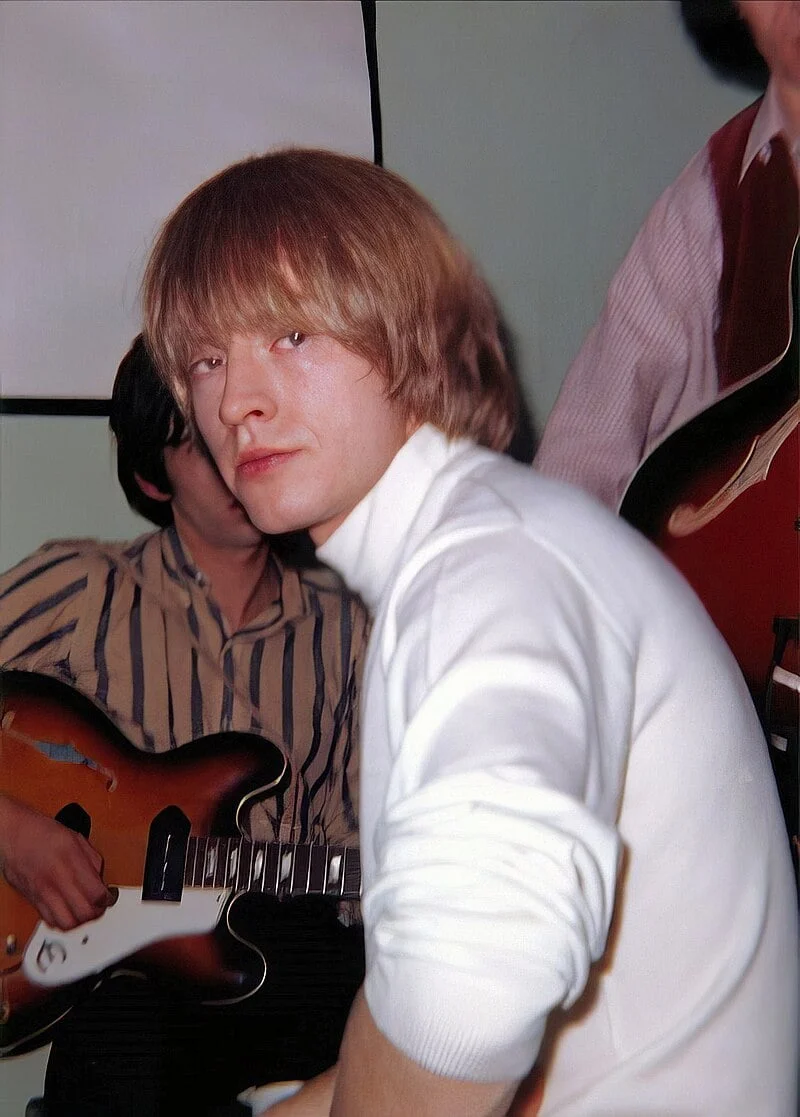
Brian Jones
Born28 Feb, 1942
Died03 Jul, 1969
NationalityBritish
Age at time of death27
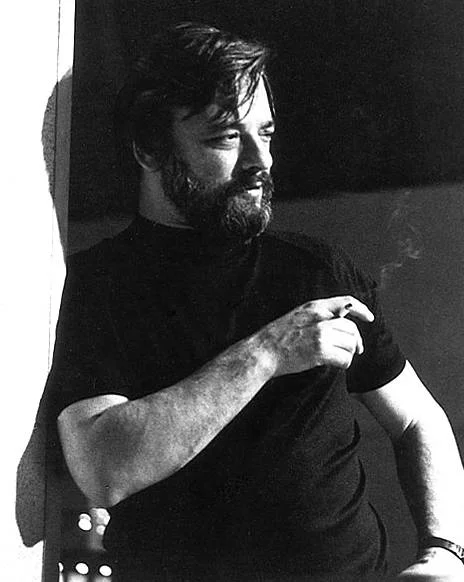
Stephen Sondheim
Born22 Mar, 1930
Died26 Nov, 2021
NationalityAmerican
Age at time of death91
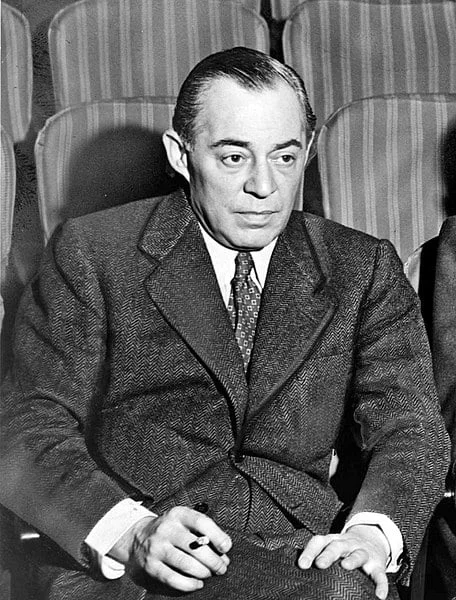
Richard Rodgers
Born28 Jun, 1902
Died30 Dec, 1979
NationalityAmerican
Age at time of death77
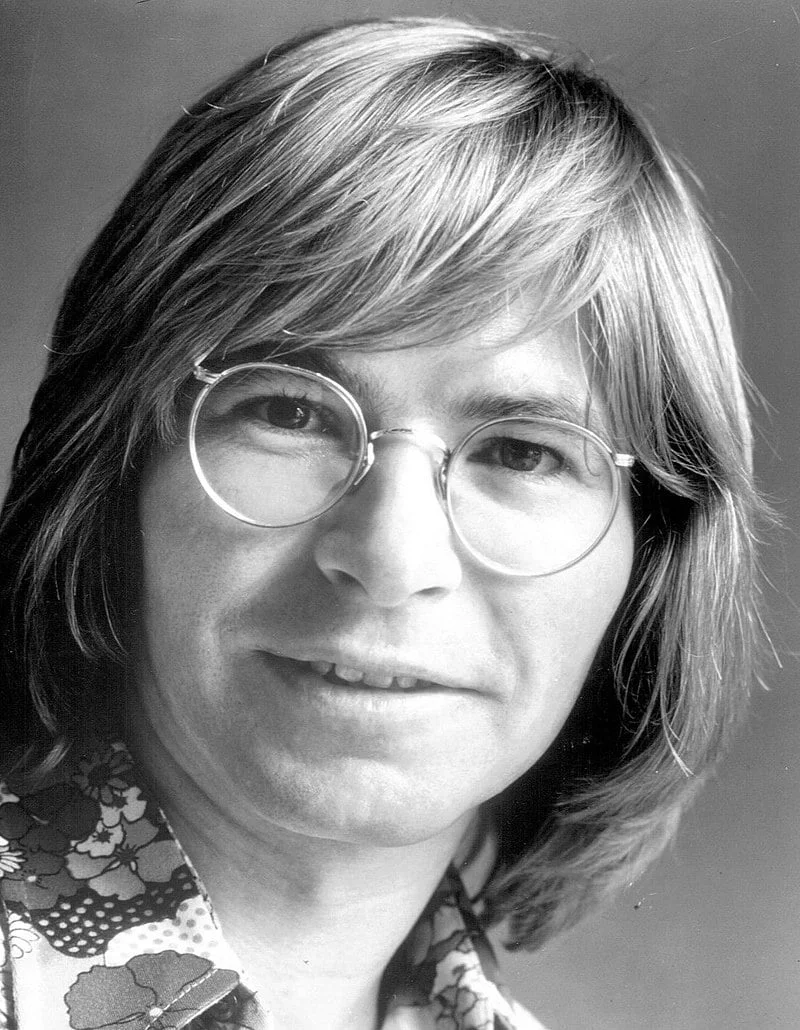
John Denver
Born31 Dec, 1943
Died12 Oct, 1997
NationalityAmerican
Age at time of death53
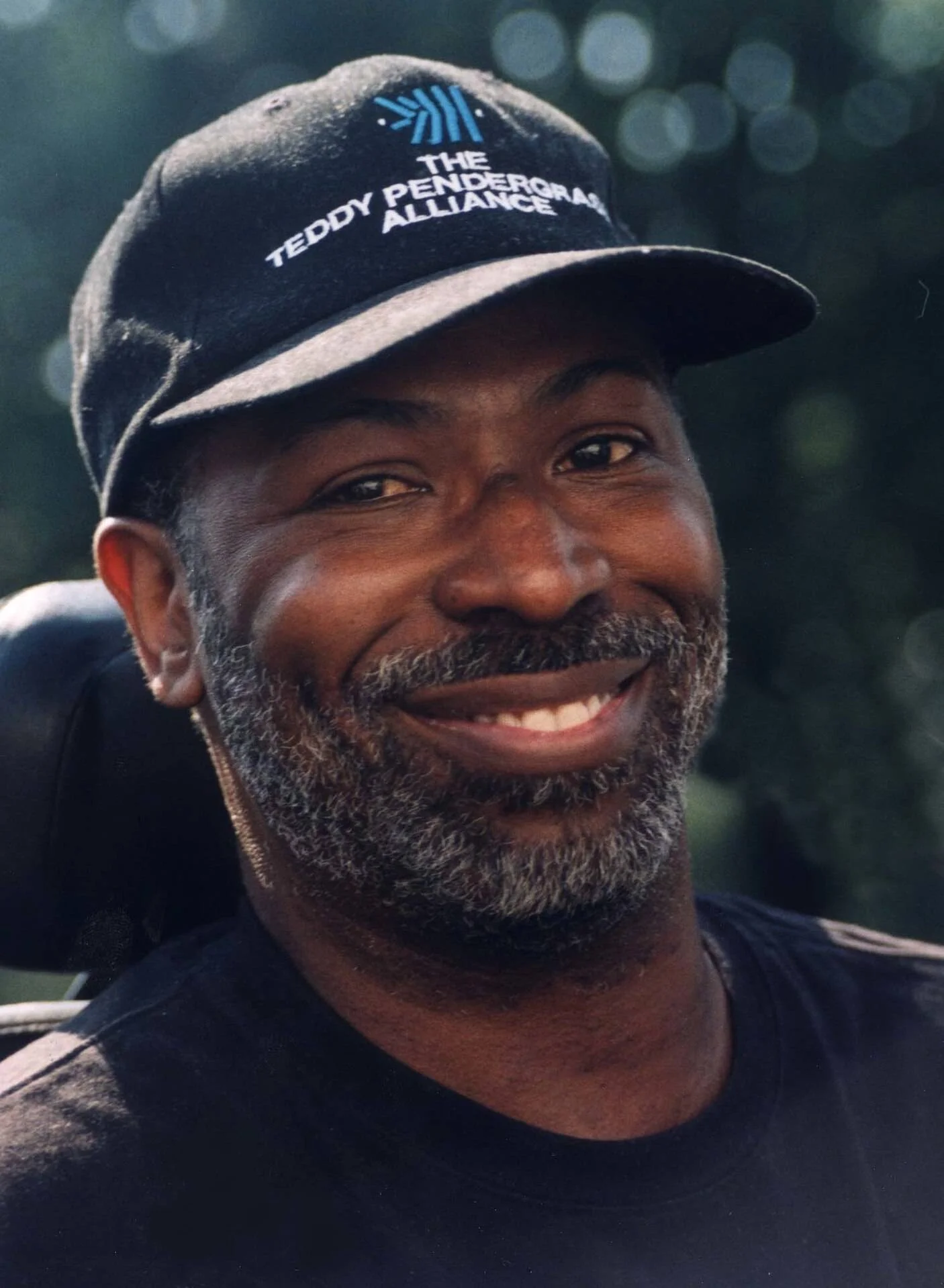
Teddy Pendergrass
Born26 Mar, 1950
Died13 Jan, 2010
NationalityAmerican
Age at time of death59
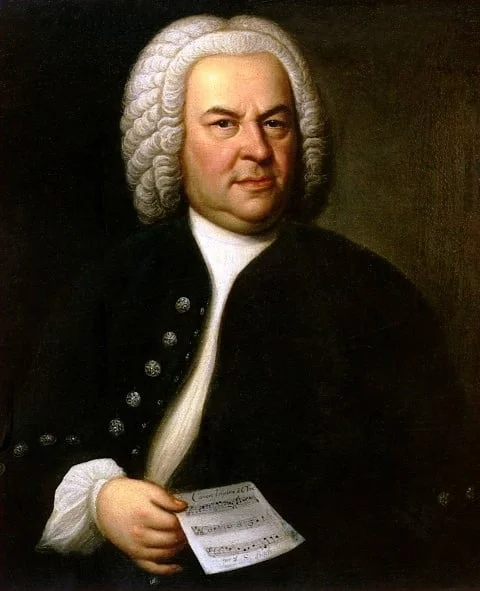
J S Bach
Born31 Mar, 1685
Died28 Jul, 1750
NationalityGerman
Age at time of death65
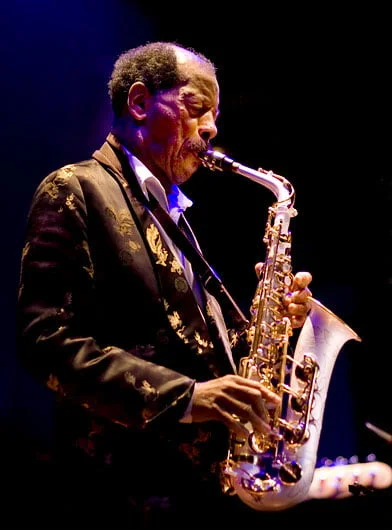
Ornette Coleman
Born09 Mar, 1930
Died11 Jun, 2015
NationalityAmerican
Age at time of death85
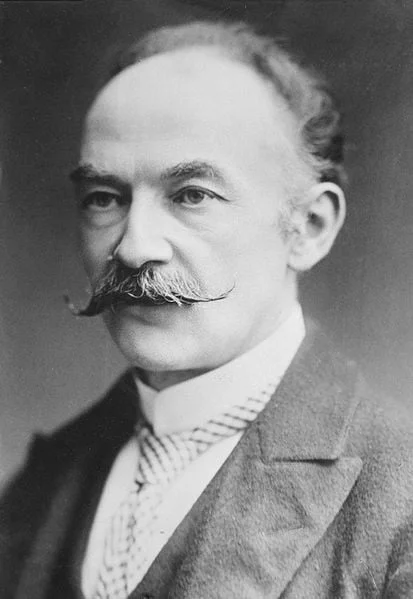
Thomas Hardy
Born02 Jun, 1840
Died11 Jan, 1928
NationalityBritish
Age at time of death87