Real Celebrities Never Die!
OR
Search For Past Celebrities Whose Birthday You Share
Died Age: 63
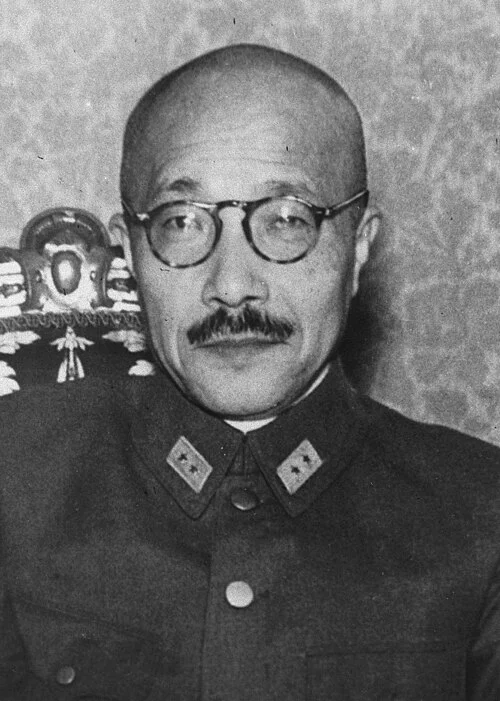
wikipedia.org
Hideki Tojo
Birthday:
29 Dec, 1884
Date of Death:
23 Dec, 1948
Cause of death:
Execution by hanging
Nationality:
Japanese
Famous As:
Military Officer
Age at the time of death:
63
Hideki Tojo's Quote's

“Japan’s mission is to establish peace in East Asia.”
Hideki Tojo
🔗 deadcelebrityhub.com
Hideki Tojo: Early Life and Background
Hideki Tojo, a central figure in Japan’s militaristic expansion during World War II, was born on December 30, 1884, in the Kojimachi district of Tokyo, Japan. His upbringing and career were profoundly shaped by his heritage as the oldest son of a samurai family. His dad, Hidenori Tojo, had a military career, serving first as a lieutenant colonel in the Sino-Japanese War and then a major general during the Russo-Japanese War. A strong sense of duty and discipline developed in young Hideki due to his military upbringing.
Education and Formative Years
Tojo’s education reflected his family’s military traditions. In 1899, he entered the Army Cadet School and later graduated from the Imperial Japanese Army Academy in 1905. His academic excellence continued at the Army Staff College, where he graduated with honors in 1915. During his formative years, Tojo was known for his sharp intellect and uncompromising work ethic, earning him the nickname kamisori (the razor) for his decisive and sharp demeanor. In 1919, Tojo was sent to Europe for three years to study military strategies and systems. This exposure to Western powers shaped his views on global politics but also reinforced his belief in Japan’s need for self-reliance and militaristic strength.
Personal Life
Hideki Tojo married Katsuko Ito in 1909. The couple had three sons and four daughters. Despite his stern public image, Tojo was described as a devoted family man who maintained a strict yet affectionate relationship with his children.
Military Career and Rise to Power
Tojo’s competence and dedication led to a swift advancement in his military career. He achieved the rank of lieutenant general by 1936, and took the position of chief of staff for the Kwantung Army in Manchuria. In this role, he played a significant part in Japan’s aggressive expansion into China and Inner Mongolia. His leadership during these campaigns solidified his reputation as a staunch nationalist and militarist. Prime Minister Konoe appointed Tojo as Minister of War in the year 1940. He supported Japan’s entry into the Tripartite Pact, bringing Japan into the Axis. Tojo replaced Konoe as Japan’s Prime Minister on October 18, 1941. In addition to his role as prime minister, he held the War Ministry and later expanded his authority to include Commerce and Industry.
Leadership During World War II
Tojo’s tenure as prime minister coincided with Japan’s most aggressive phase during World War II. He authorized the attack on Pearl Harbor on December 7, 1941, which brought the United States into the war. Under his leadership, Japan pursued its vision of a “Greater East Asia Co-Prosperity Sphere,” aiming to dominate East Asia through military conquest. Despite initial successes, Japan faced significant setbacks by mid-1944. The fall of Saipan marked a turning point in the Pacific War, leading to growing domestic criticism of Tojo’s leadership. On July 18, 1944, he resigned from all his positions.
Trial and Execution
After Japan’s surrender in 1945, Tojo attempted suicide but survived. The International Military Tribunal for the Far East tried him after his arrest by Allied forces. A death sentence was his punishment for the war crimes he committed while orchestrating Japan’s wartime atrocities. Hideki Tojo faced execution by hanging at Tokyo’s Sugamo Prison on December 23, 1948.
Legacy
Hideki Tojo remains one of the most controversial figures in Japanese history. While some view him as a symbol of Japan’s wartime militarism, others see him as a scapegoat for broader systemic failures within the Japanese government and military during World War II. His legacy continues to spark debate about accountability and the consequences of militaristic policies.
Profile Snapshot
Name:
Hideki Tojo
Popular Name:
Hideki Tojo
Gender:
Male
Cause of Death:
Execution by hanging
Spouse:
Katsuko Ito
Place of Birth:
Kōjimachi, Tokyo, Japan
Place of Death:
Sugamo Prison, Tokyo, Japan
Occupation / Profession:
Military Officer
Politician
Personality Type
Executive: Excellent administrators, unsurpassed at managing things – or people. He was known for order, decisiveness, and strong leadership qualities.
Hideki Tojo's Interesting Facts
He shaved his head as a sign of military discipline.
He was nicknamed "Razor" for his sharp mind and strict demeanor.
His family descended from 17th-century samurai.
Tojo attempted suicide with a pistol after Japan’s surrender but survived and was arrested.
Achievements & Awards
Became General of the Imperial Japanese Army.
Consolidated military and political power as a wartime leader.
Led Japan into World War II with the Pearl Harbor attack in 1941. Received the Order of the Rising Sun (1st Class).
Served as Prime Minister of Japan (1941–1944).
External Links
Additional Links
https://study.com/academy/lesson/hideki-tojo-in-ww2-biography-quotes-facts-death.htmlhttps://study.com/academy/lesson/video/hideki-tojo-in-ww2-biography-quotes-facts-death.htmlhttps://www.britannica.com/biography/Tojo-Hidekihttps://www.encyclopedia.com/people/history/japanese-history-biographies/hideki-tojohttps://www.historycrunch.com/hideki-tojo.htmlhttps://www.imdb.com/name/nm0865692/bio/https://www.potterswaxmuseum.com/wwii/hideki-tojo/
Latest Profiles
People also viewed
Gerald Ford
Born14 Jul, 1913
Died26 Dec, 2006
NationalityAmerican
Age at time of death93
Colonel Sir Benjamin Thompson, Count Rumford
Born26 Mar, 1753
Died21 Aug, 1814
NationalityAmerican, British
Age at time of death61
James Stewart
Born20 May, 1908
Died02 Jul, 1997
NationalityAmerican
Age at time of death89
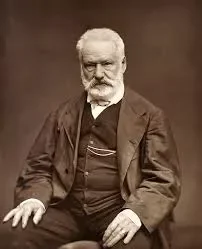
Victor Hugo
Born26 Feb, 1802
Died22 May, 1885
NationalityFrench
Age at time of death83
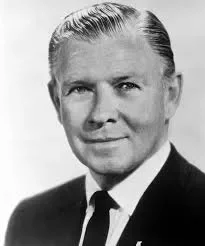
George Murphy
Born04 Jul, 1902
Died03 May, 1992
NationalityAmerican
Age at time of death89
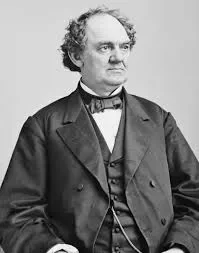
P. T. Barnum
Born05 Jul, 1810
Died07 Apr, 1891
NationalityAmerican
Age at time of death80
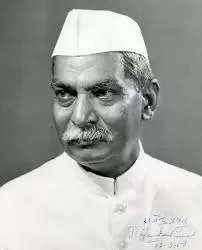
Rajendra Prasad
Born03 Dec, 1884
Died28 Feb, 1963
NationalityIndian
Age at time of death78
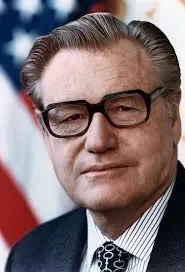
Nelson Rockefeller
Born08 Jul, 1908
Died26 Jan, 1979
NationalityAmerican
Age at time of death70

Ethan Allen
Born21 Jan, 1738
Died12 Feb, 1789
NationalityAmerican
Age at time of death51
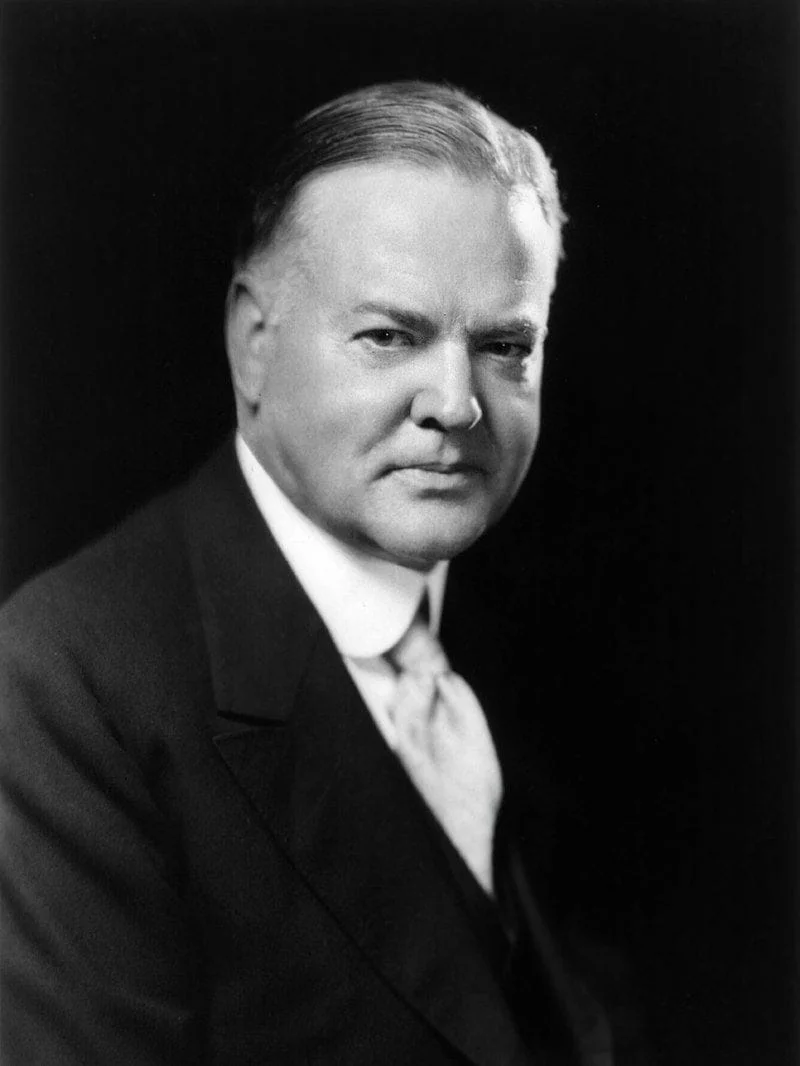
Herbert Hoover
Born10 Aug, 1874
Died20 Oct, 1964
NationalityAmerican
Age at time of death90
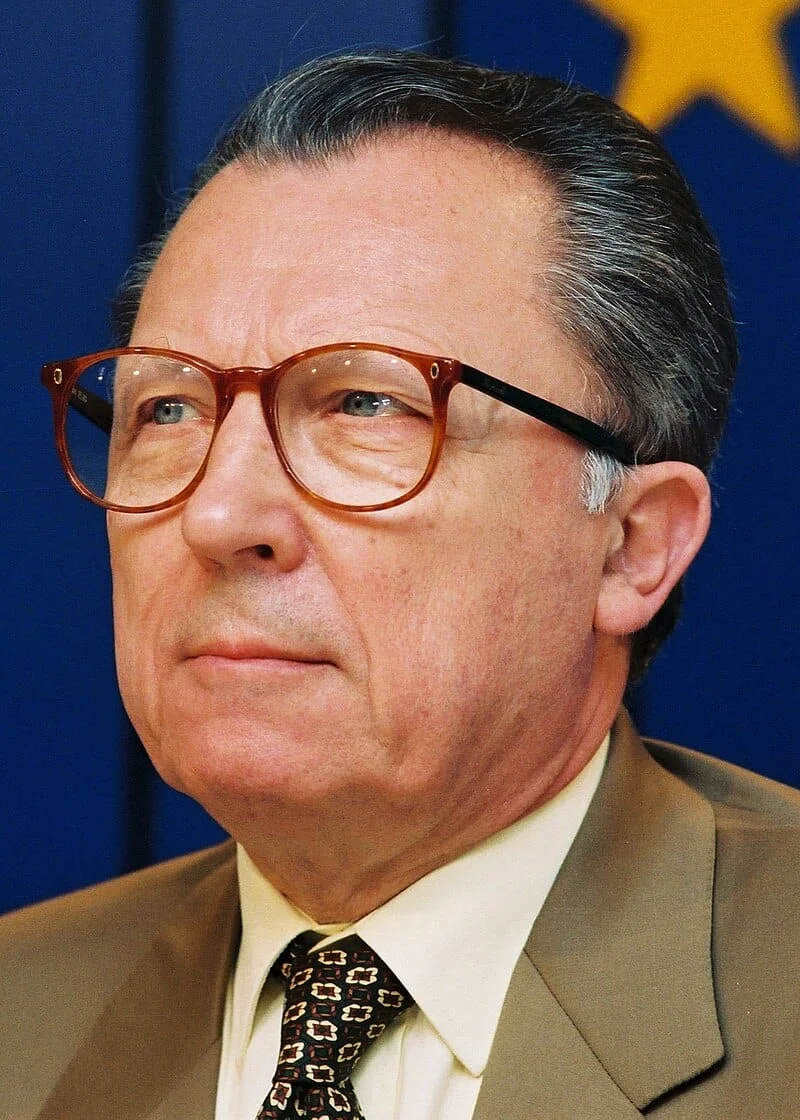
Jacques Delors
Born20 Jul, 1925
Died27 Dec, 2023
NationalityFrench
Age at time of death98
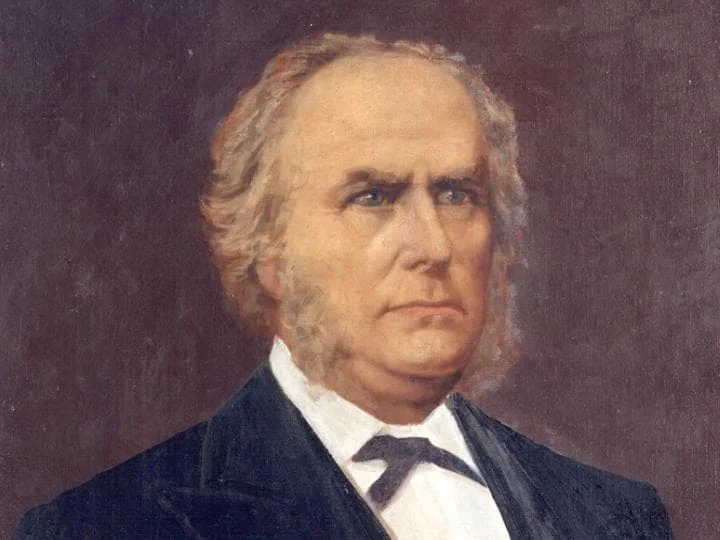
James Harrison
Born17 Apr, 1816
Died03 Sep, 1893
NationalityScottish,Australian
Age at time of death77
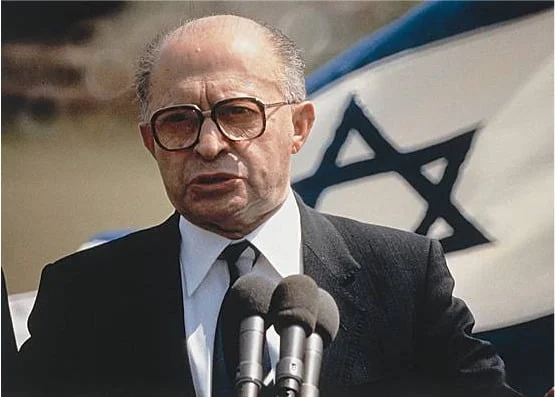
Menachem Begin
Born16 Aug, 1913
Died09 Mar, 1992
NationalityIsraeli
Age at time of death78
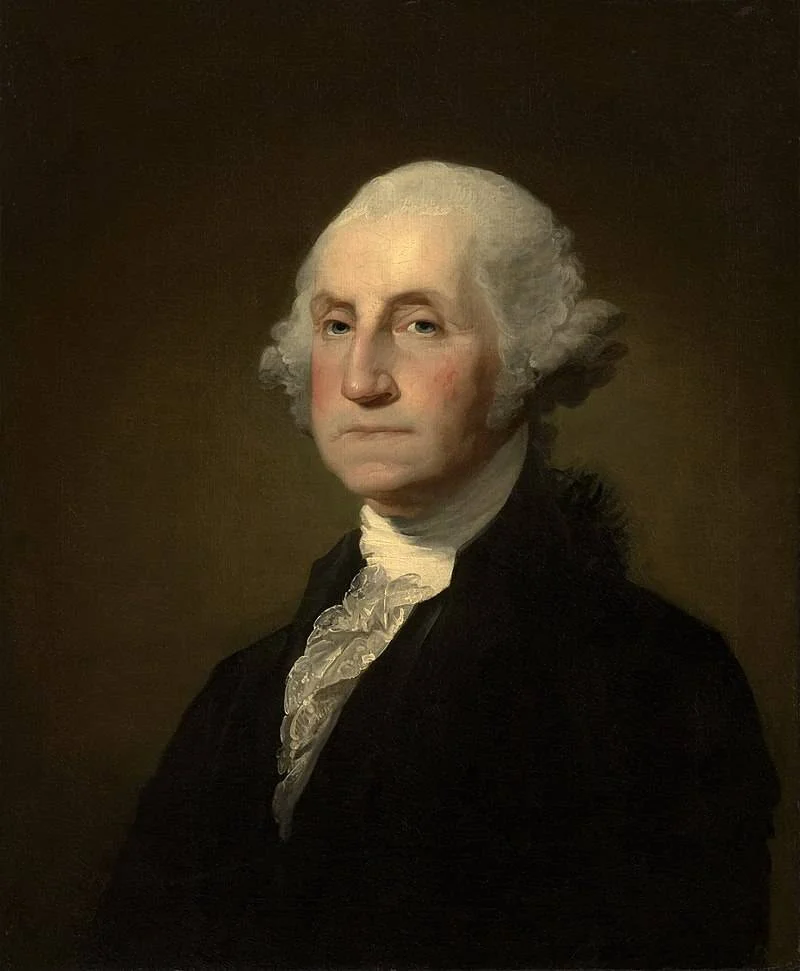
George Washington
Born22 Feb, 1732
Died14 Dec, 1799
NationalityAmerican
Age at time of death67
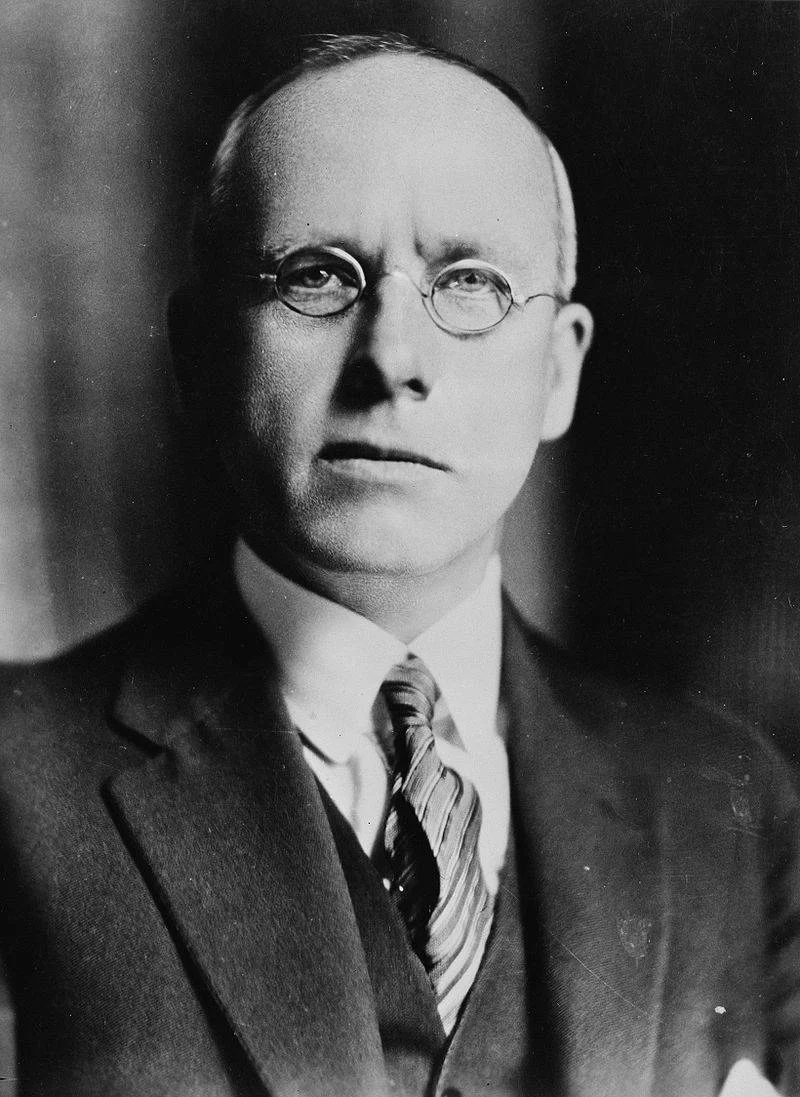
Peter Fraser
Born28 Aug, 1884
Died12 Dec, 1950
NationalityNew Zealand
Age at time of death66
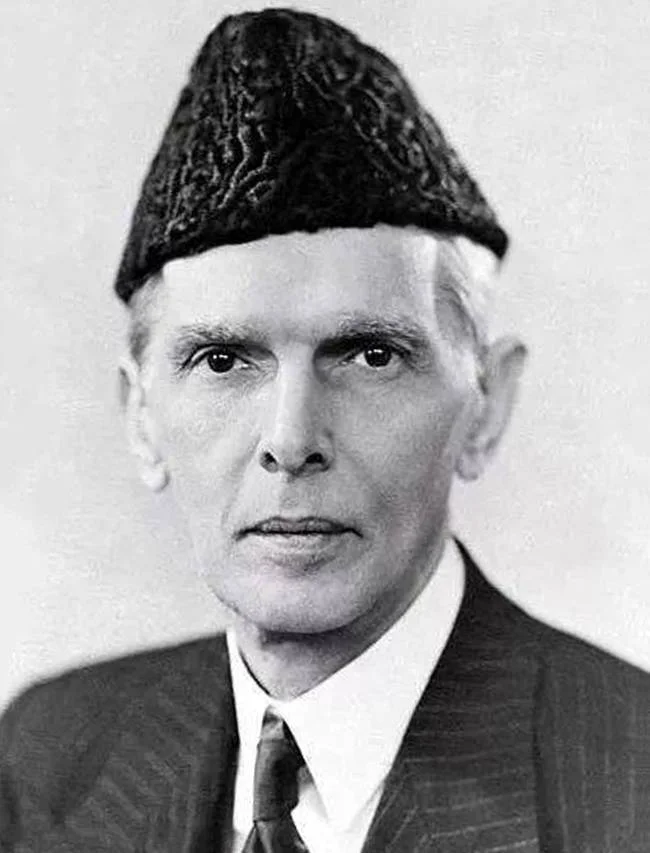
Muhammad Ali Jinnah
Born25 Dec, 1876
Died11 Sep, 1948
NationalityPakistani
Age at time of death71
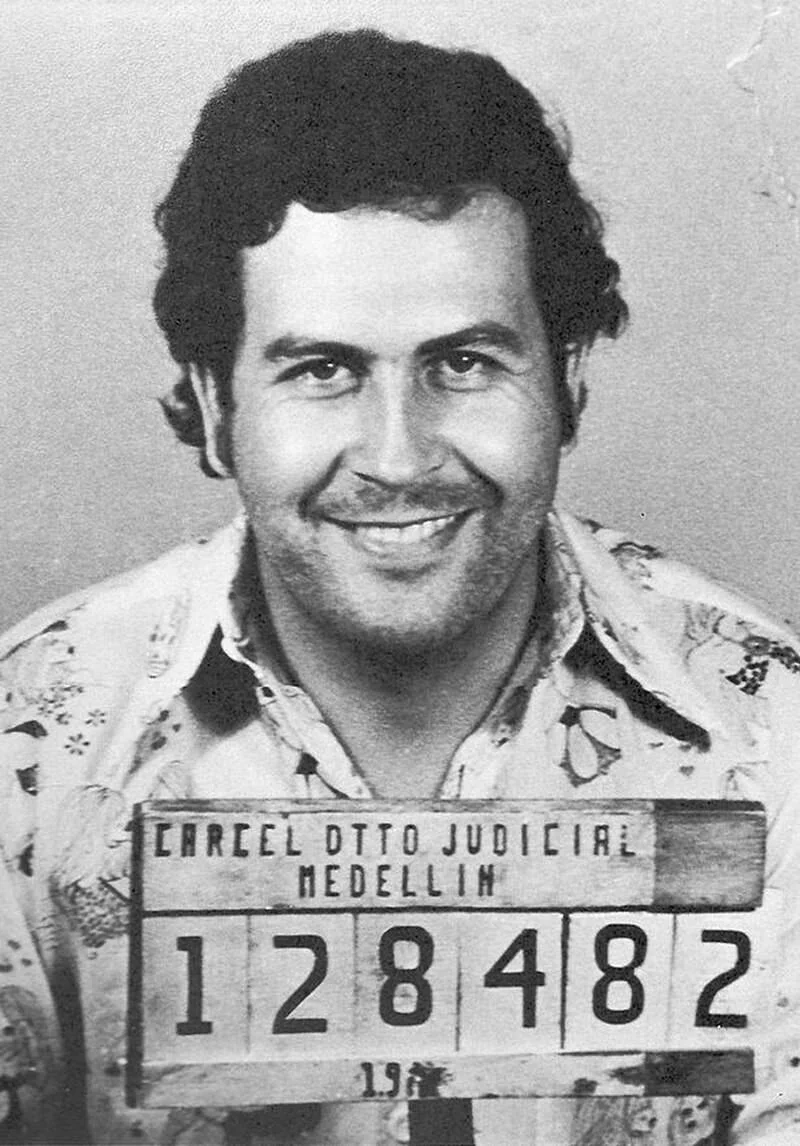
Pablo Escobar
Born01 Dec, 1949
Died02 Dec, 1993
NationalityColombian
Age at time of death44
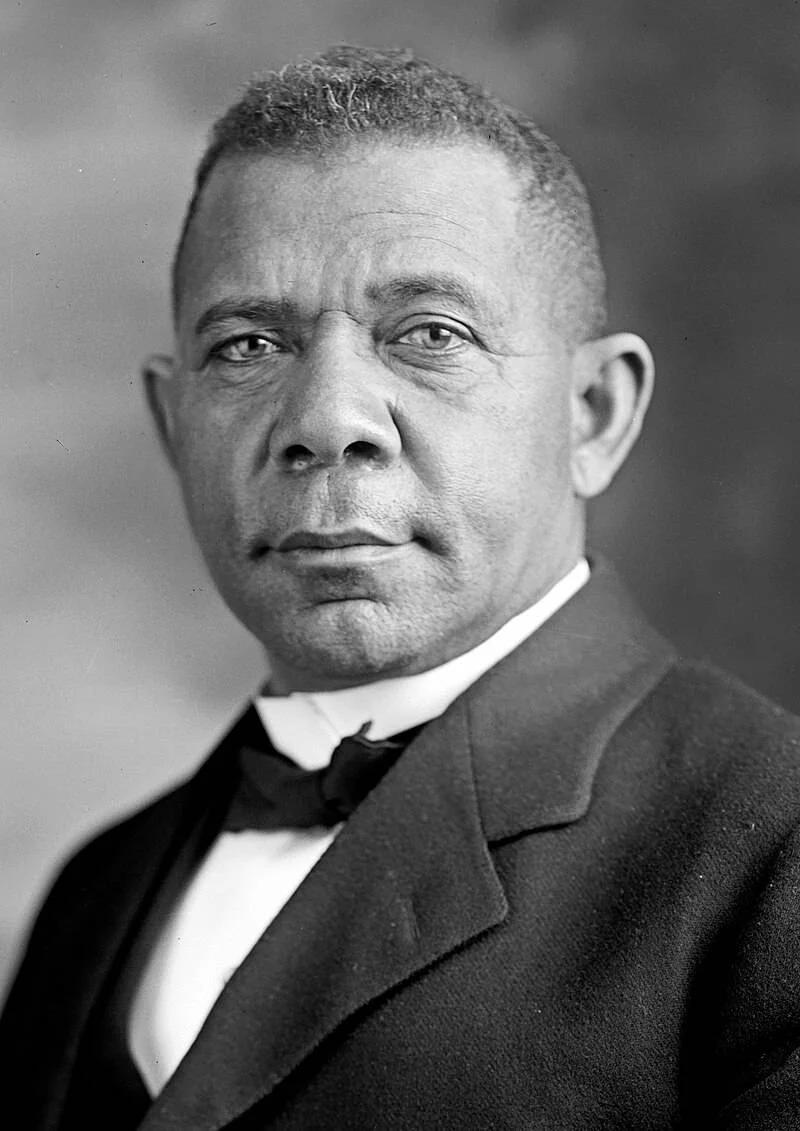
Booker T. Washington
Born05 Apr, 1856
Died14 Nov, 1915
NationalityAmerican
Age at time of death59
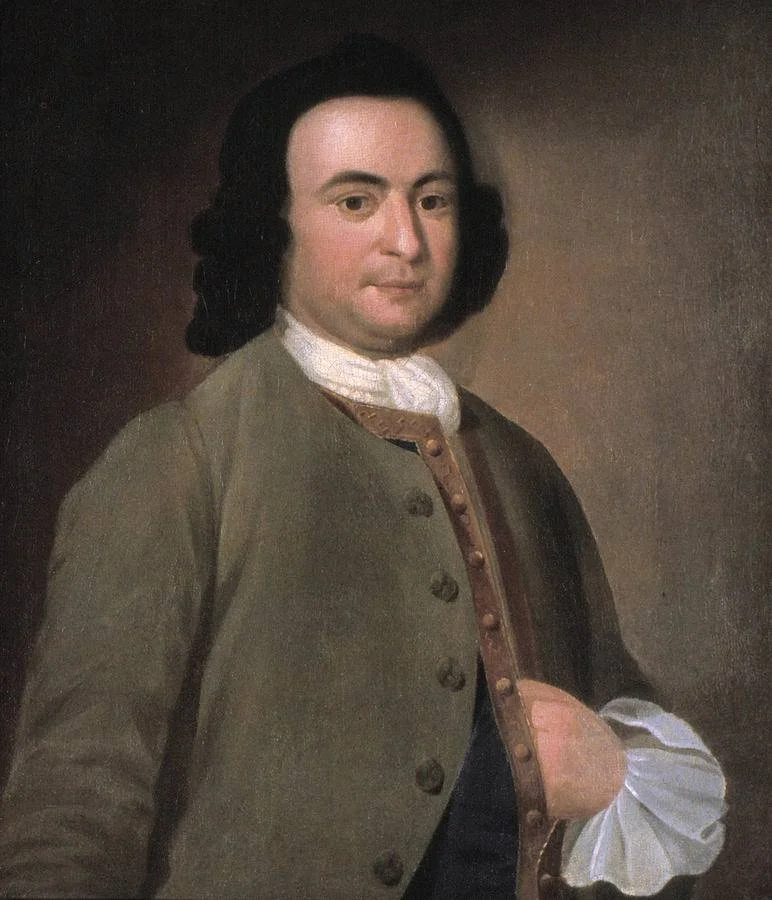
George Mason
Born11 Dec, 1725
Died07 Oct, 1792
NationalityAmerican, British
Age at time of death66
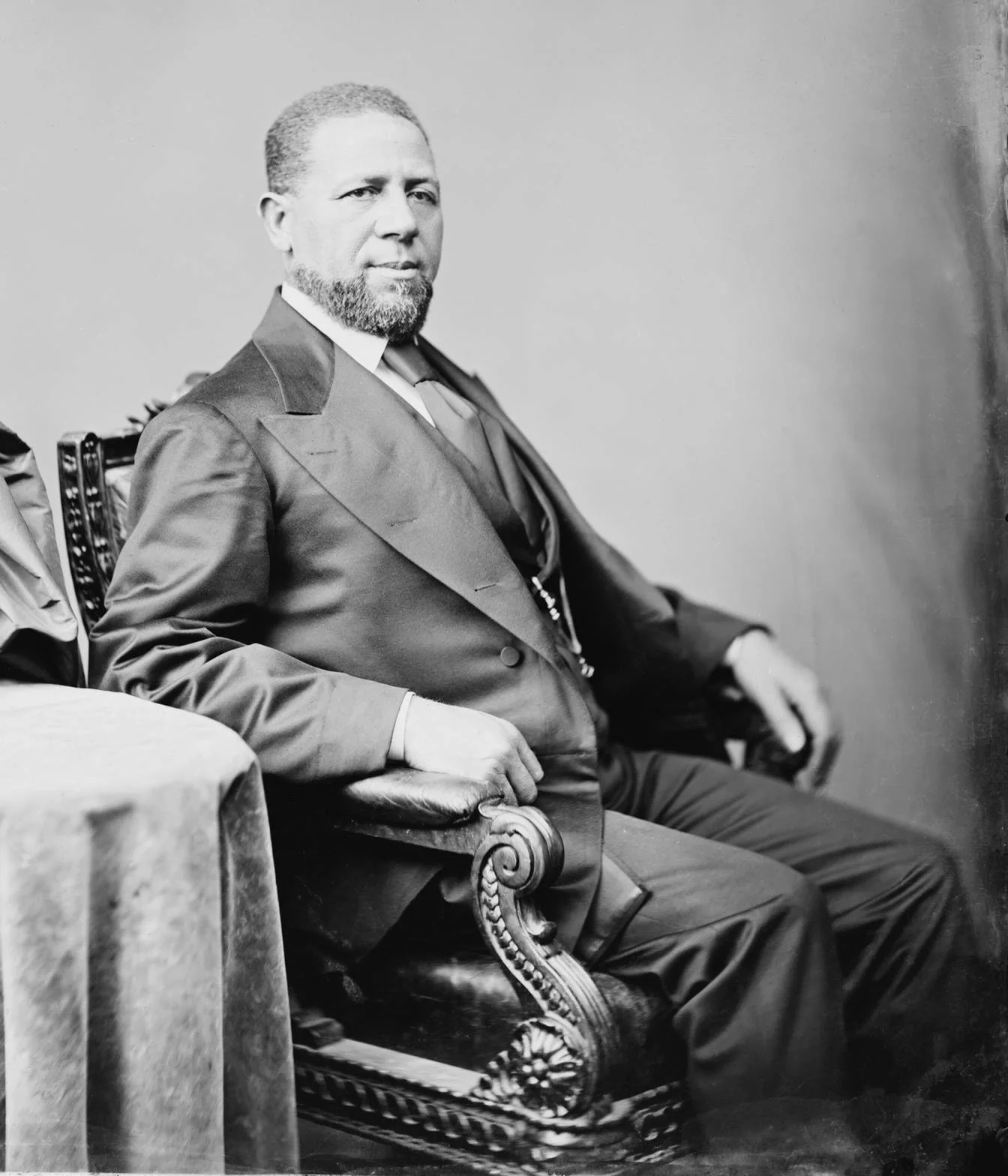
Hiram R. Revels
Born27 Sep, 1827
Died16 Jan, 1901
NationalityAmerican
Age at time of death73