Real Celebrities Never Die!
OR
Search For Past Celebrities Whose Birthday You Share
Died Age: 79
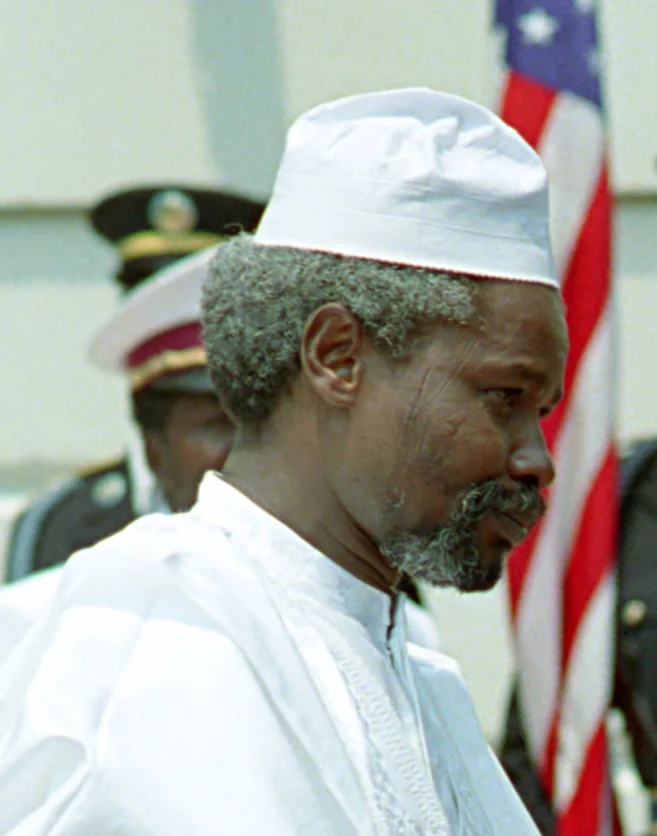
wikimedia.org
Hissène Habré
Birthday:
13 Aug, 1942
Date of Death:
24 Aug, 2021
Cause of death:
COVID-19
Nationality:
Chadian
Famous As:
Military Leader
Age at the time of death:
79
Hissène Habré's Quote's

“Chad will never bow to foreign domination.”
Hissène Habré
🔗 deadcelebrityhub.com
Biography of Hissène Habré
Hissène Habré, often dubbed "Africa's Pinochet," was a Chadian politician whose time in power left a lasting and divisive imprint on his nation and beyond. Born on August 13, 1942, in the isolated town of Faya-Largeau in northern Chad, he grew up among shepherds in a family tied to the Anakaza branch of the Daza people, part of the broader Toubou community. His childhood unfolded against the harsh backdrop of the Sahel and the complexities of French colonial influence in Chad.
Early Life and Education
Habré showed a sharp mind from a young age. After finishing primary school in his hometown, he caught the eye of colonial officials, who helped him secure a scholarship to study in France. There, he enrolled at the renowned Institute of Higher International Studies in Paris, earning a political science degree. Those years abroad opened his eyes to global ideas about power and leadership, fueling his drive to take charge back home. Returning to Chad in 1971, he took a short stint as a deputy prefect before diving headfirst into revolutionary politics. His political path kicked off with FROLINAT, a rebel movement challenging Chad’s southern-led government. Habré climbed the ranks fast, leading the Second Liberation Army. But rifts within FROLINAT pushed him to break away and start his own group, the Armed Forces of the North (FAN), which later paved his way to the top.
Personal Life
Hissène Habré kept his personal world quieter than his public one. After fleeing to Senegal, he married Fatime Raymonde, and they raised four kids together. His family settled into life there, with Raymonde once saying their children felt more at home in Senegal than Chad. Even with his global infamy, Habré wove himself into Senegalese life, connecting with local Islamic circles.
Political Career and Rise to Power
Habré burst onto the world stage in 1974 with the "Claustre affair," when his fighters snatched several Europeans, including French archaeologist Françoise Claustre, and demanded ransom. It was a bold move that highlighted his cunning, though it soured ties with rivals like Goukouni Oueddei. In 1978, he stepped into Chad’s shaky government as Prime Minister under President Félix Malloum, but their alliance crumbled fast, dragging the country deeper into chaos. By 1982, with France and the U.S. backing him as a counterweight to Libya’s Muammar Gaddafi, Habré stormed N’Djamena and claimed the presidency.
Rule and Legacy
From 1982 to 1990, Habré ran Chad with an iron grip, forging a one-party state under his National Union for Independence and Revolution (UNIR). His secret police, the Documentation and Security Directorate (DDS), became infamous for brutal human rights violations. On his watch, tens of thousands of Chadians—especially from ethnic groups he saw as risks—faced torture or death. Some estimates peg the death toll above 40,000. Yet Habré also steered Chad through the Libyan-Chadian conflict, scoring big wins in the Toyota War (1986–1987) that burnished his image as a clever military mind. Still, those triumphs couldn’t quiet the growing unrest over his harsh rule. In December 1990, Idriss Déby’s coup toppled him, sending Habré packing to Senegal.
Trial and Conviction
For years after his escape, survivors of Habré’s regime fought relentlessly for justice. In 2016, an African Union-supported court in Senegal found him guilty of crimes against humanity—like rape, torture, and mass slaughter—and locked him up for life. It was a groundbreaking case, the first time one African country judged another’s leader under universal jurisdiction. Many cheered it as a human rights win, though others pointed out it fell short on compensating victims.
Death and Legacy
Hissène Habré passed away on August 24, 2021, at 79 in Dakar, Senegal, after catching COVID-19 in prison. His death drew a line under one of Africa’s most notorious dictatorships, yet left lingering questions about justice for those he harmed. Habré’s story still splits opinions. Some credit him with shielding Chad from Libyan overreach, while far more see him as a figure of raw cruelty and oppression. His trial broke new ground in holding leaders to account, but it also laid bare the unfinished work of making things right for survivors of his regime’s
Profile Snapshot
Name:
Hissène Habré
Popular Name:
Hissène Habré
Gender:
Male
Cause of Death:
COVID-19
Spouse:
Fatime Raymonde Habré
Place of Birth:
Faya-Largeau, French Equatorial Africa (now Chad)
Place of Death:
Dakar, Senegal
Occupation / Profession:
Military Leader
Politician
Personality Type
Executive Excellent administrators, unsurpassed at managing things – or people. Habré’s authoritarian control, focus on order, and decisive military leadership align with the “Executive” type, reflecting his pragmatic and commanding nature.
Hissène Habré's Interesting Facts
Habré rose to power with support from the United States and France, who saw him as a bulwark against Libyan influence in Africa during the Cold War.
He was overthrown in 1990 by Idriss Déby and fled to Senegal, where he lived in exile for over two decades.
His regime was marked by widespread human rights abuses, including torture, political repression, and the deaths of an estimated 40,000 people.
Hissène Habré was a Chadian politician and military leader who ruled Chad as its president from 1982 to 1990.
In 2016, Habré became the first former African head of state to be convicted of human rights crimes in another African country, sentenced to life in prison for crimes against humanity.
Achievements & Awards
Became President of Chad in 1982.
Defeated Libyan forces in the Toyota War (1987).
Led the FROLINAT rebel group in the 1970s.
Received military training in France.
Served as Prime Minister of Chad in 1978.
External Links
Additional Links
https://simple.wikipedia.org/wiki/Hiss%C3%A8ne_Habr%C3%A9https://www.bbc.com/news/world-africa-18927845https://www.famousbirthdays.com/people/hissene-habre.htmlhttps://www.fidh.org/en/issues/litigation/litigation-against-individuals/hissene-habre-case/questions-answers-on-hissene-habre-s-casehttps://www.hrw.org/news/2018/02/07/hissene-habre-case-trust-fund-victimshttps://www.voanews.com/a/africa_habres-victims-analysts-reflect-his-legacy/6209972.html
Latest Profiles
People also viewed
Gerald Ford
Born14 Jul, 1913
Died26 Dec, 2006
NationalityAmerican
Age at time of death93
Victor Hugo
Born26 Feb, 1802
Died22 May, 1885
NationalityFrench
Age at time of death83
George Murphy
Born04 Jul, 1902
Died03 May, 1992
NationalityAmerican
Age at time of death89
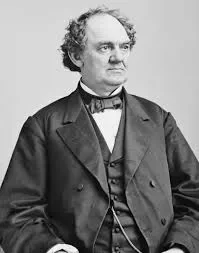
P. T. Barnum
Born05 Jul, 1810
Died07 Apr, 1891
NationalityAmerican
Age at time of death80
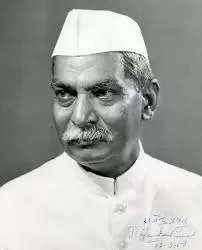
Rajendra Prasad
Born03 Dec, 1884
Died28 Feb, 1963
NationalityIndian
Age at time of death78
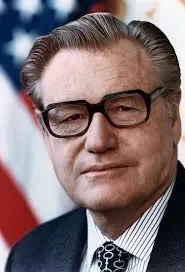
Nelson Rockefeller
Born08 Jul, 1908
Died26 Jan, 1979
NationalityAmerican
Age at time of death70

Ethan Allen
Born21 Jan, 1738
Died12 Feb, 1789
NationalityAmerican
Age at time of death51
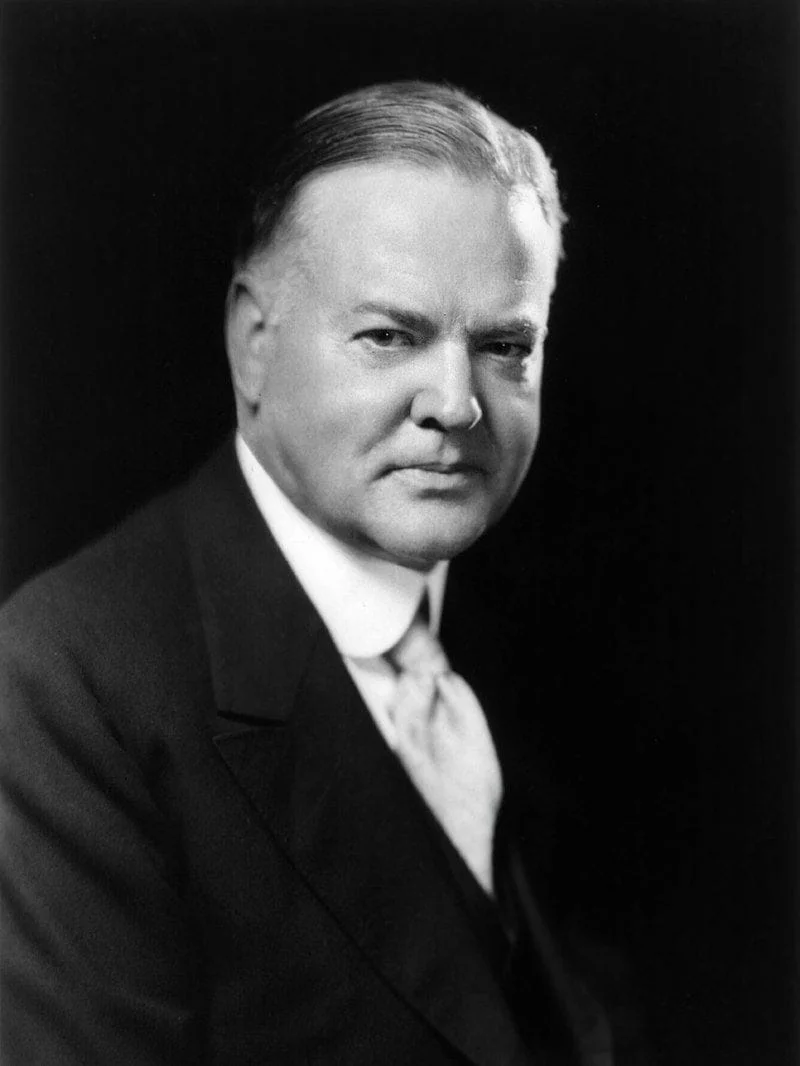
Herbert Hoover
Born10 Aug, 1874
Died20 Oct, 1964
NationalityAmerican
Age at time of death90
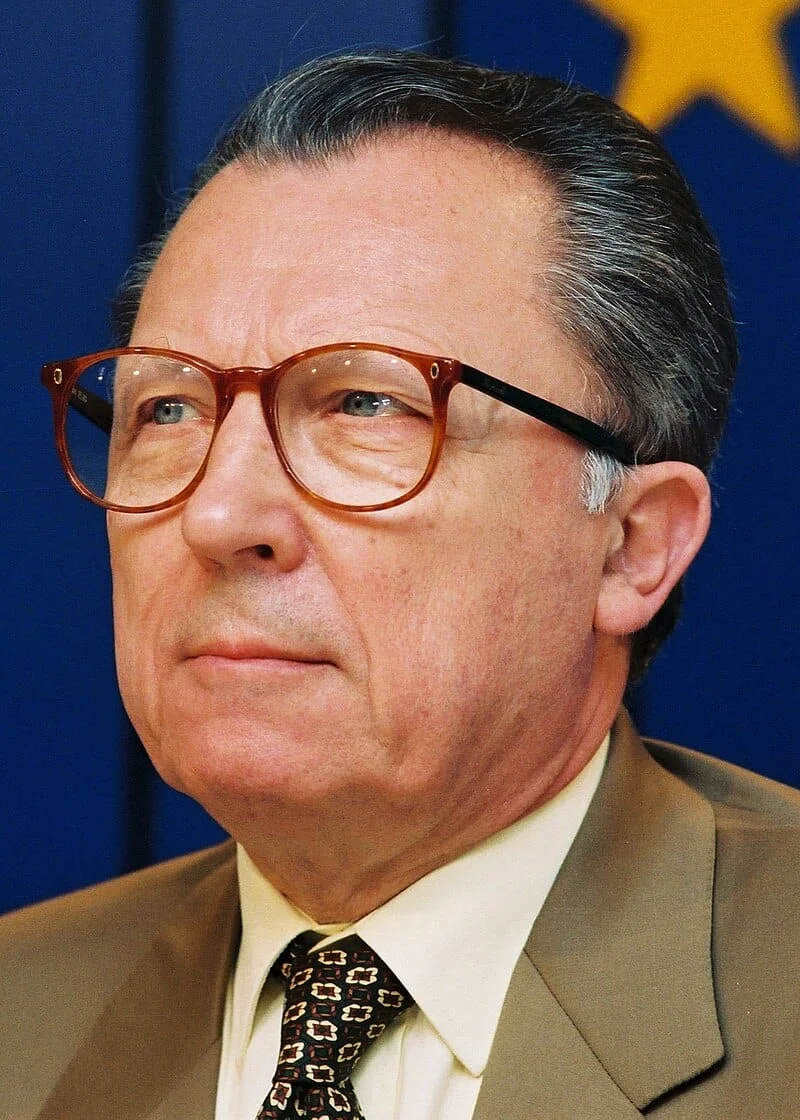
Jacques Delors
Born20 Jul, 1925
Died27 Dec, 2023
NationalityFrench
Age at time of death98
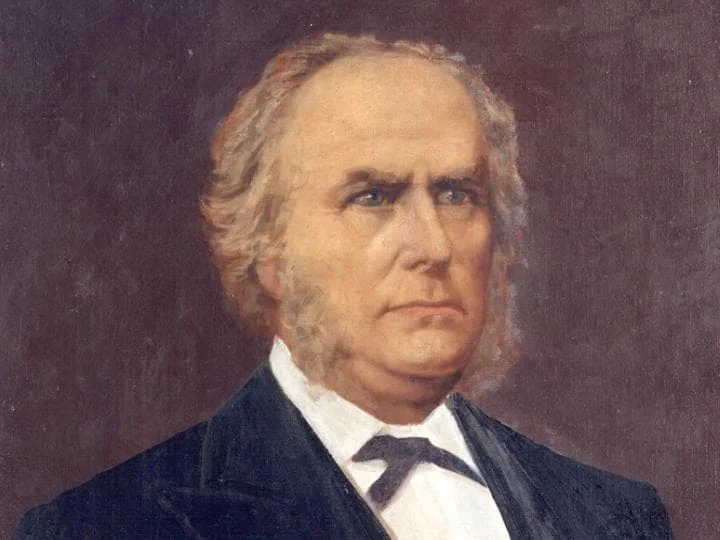
James Harrison
Born17 Apr, 1816
Died03 Sep, 1893
NationalityScottish,Australian
Age at time of death77
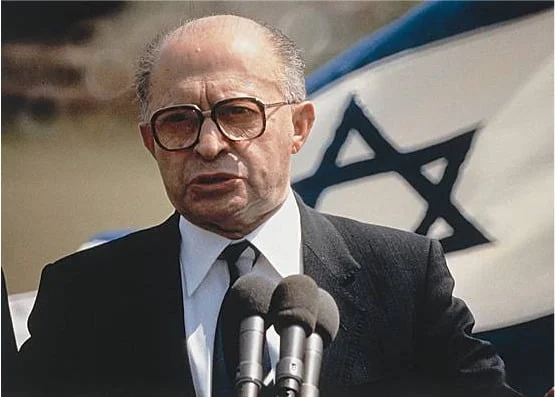
Menachem Begin
Born16 Aug, 1913
Died09 Mar, 1992
NationalityIsraeli
Age at time of death78
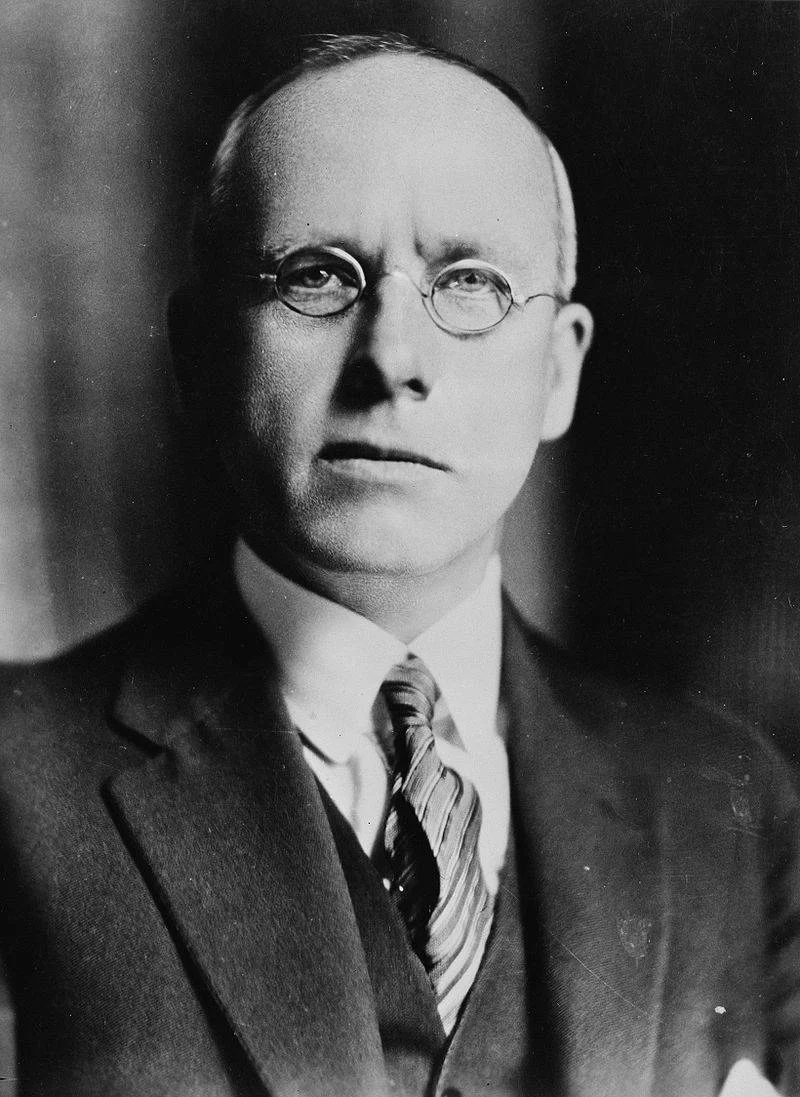
Peter Fraser
Born28 Aug, 1884
Died12 Dec, 1950
NationalityNew Zealand
Age at time of death66
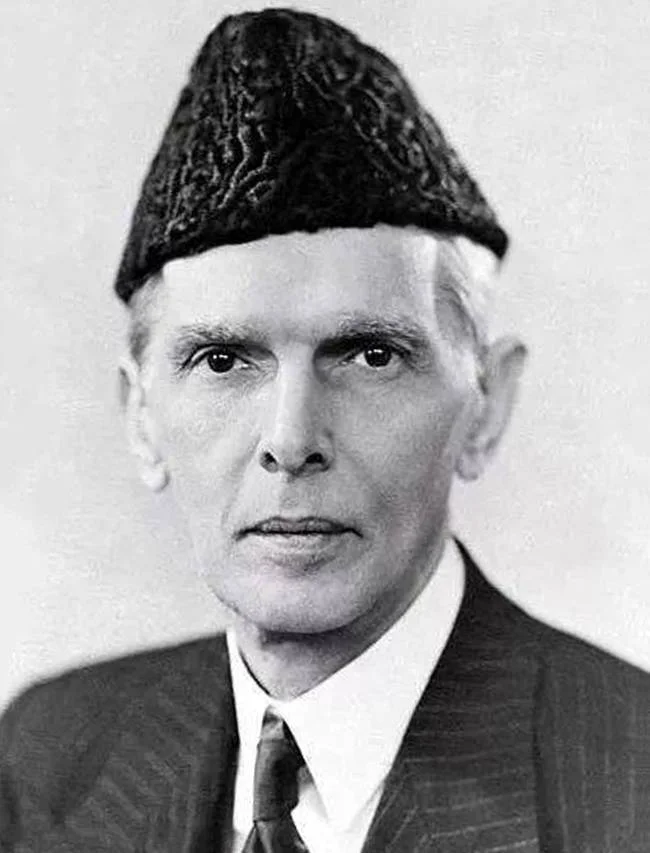
Muhammad Ali Jinnah
Born25 Dec, 1876
Died11 Sep, 1948
NationalityPakistani
Age at time of death71
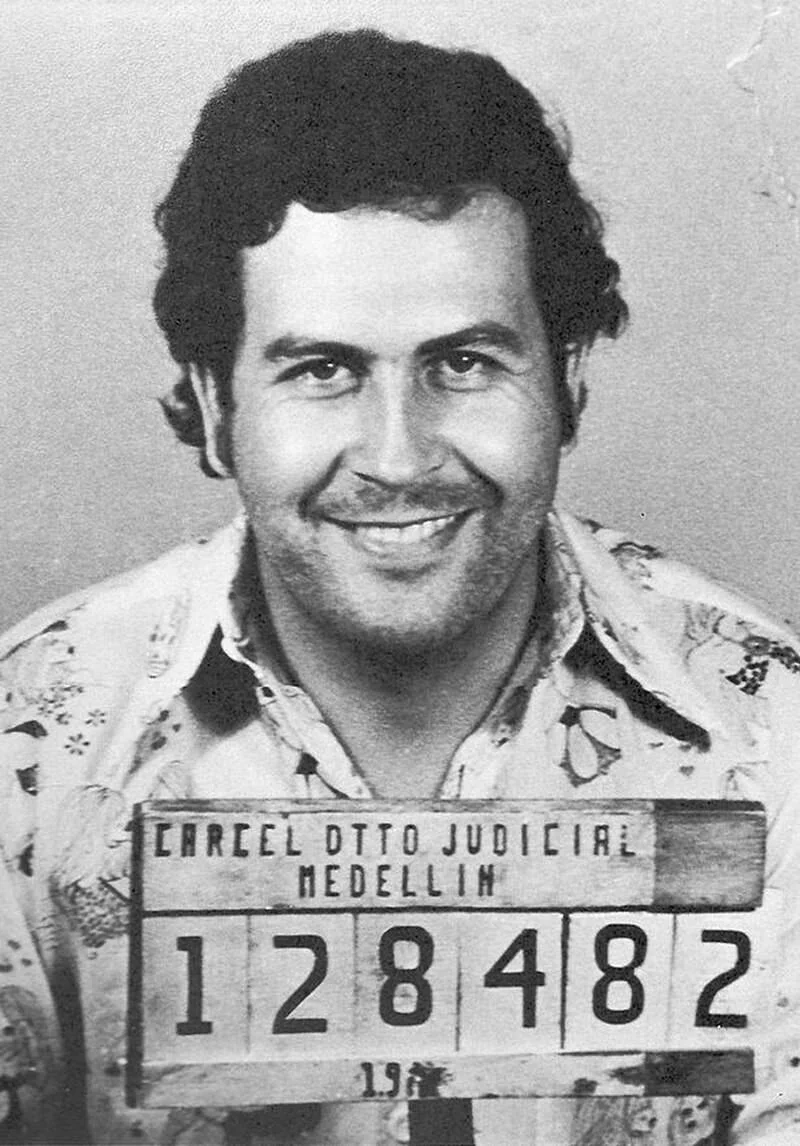
Pablo Escobar
Born01 Dec, 1949
Died02 Dec, 1993
NationalityColombian
Age at time of death44
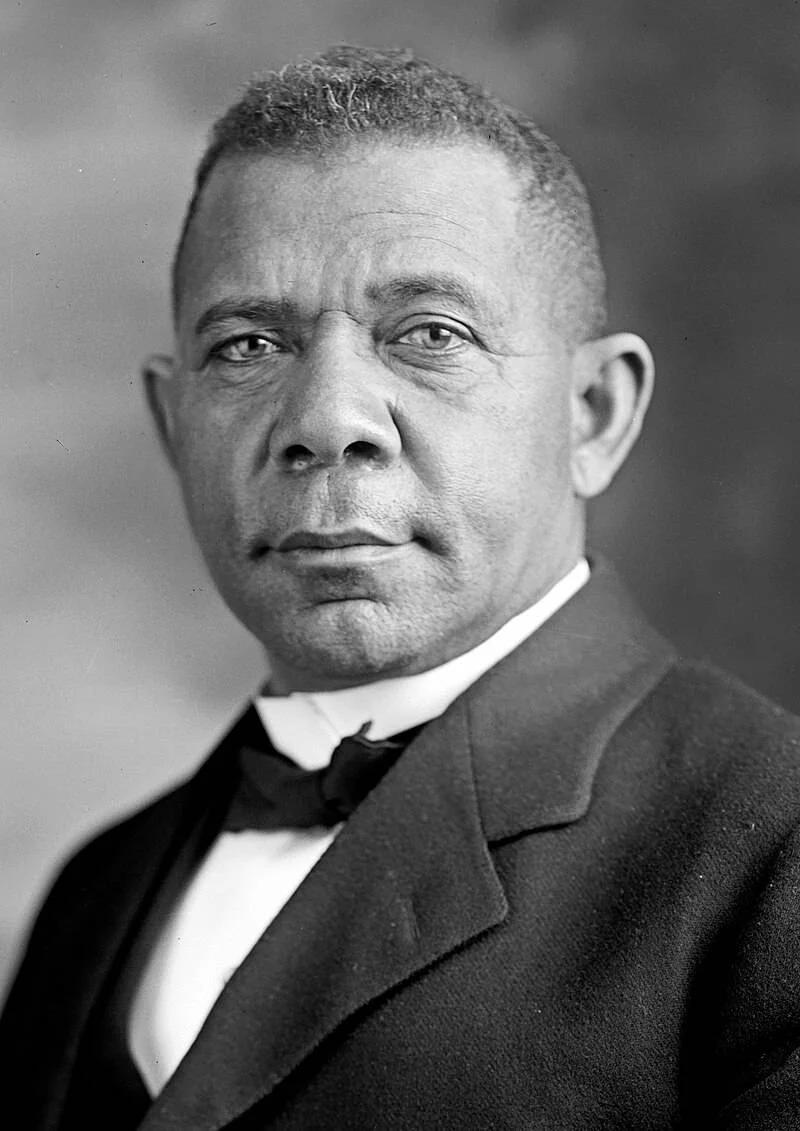
Booker T. Washington
Born05 Apr, 1856
Died14 Nov, 1915
NationalityAmerican
Age at time of death59
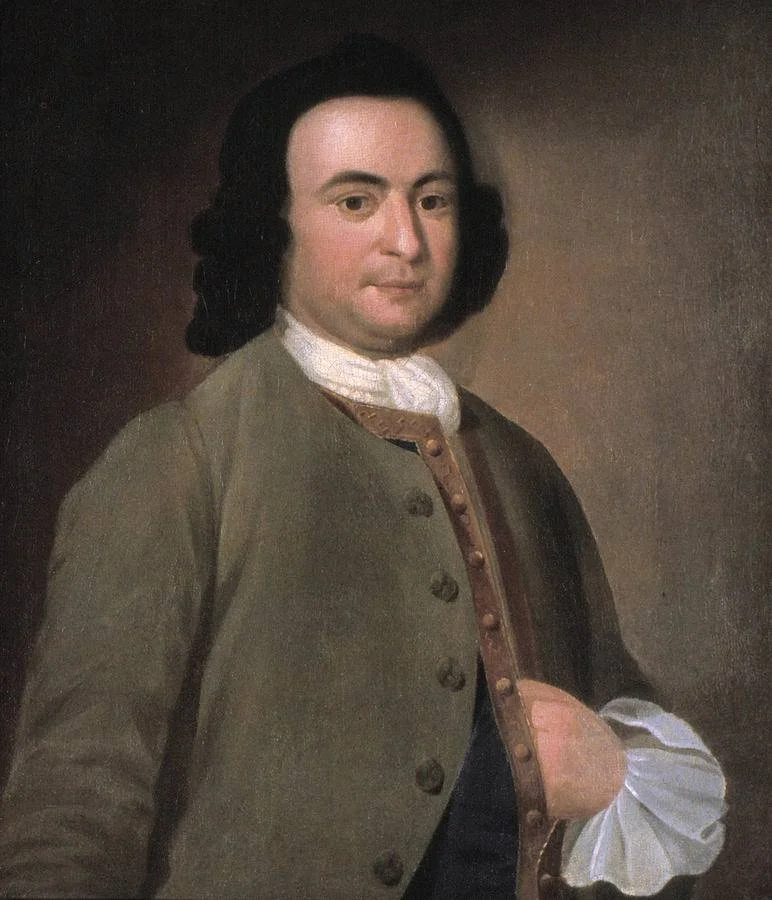
George Mason
Born11 Dec, 1725
Died07 Oct, 1792
NationalityAmerican, British
Age at time of death66
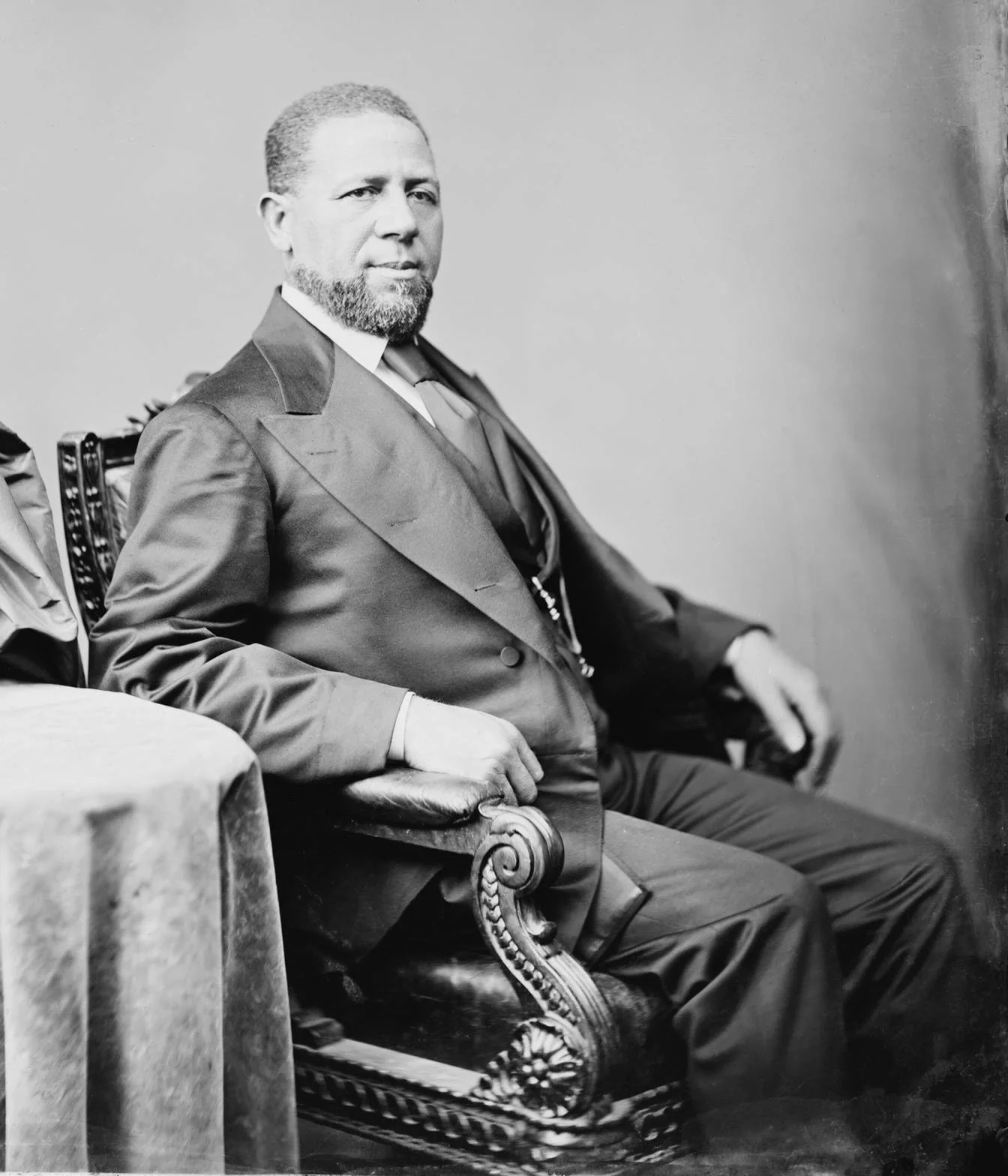
Hiram R. Revels
Born27 Sep, 1827
Died16 Jan, 1901
NationalityAmerican
Age at time of death73
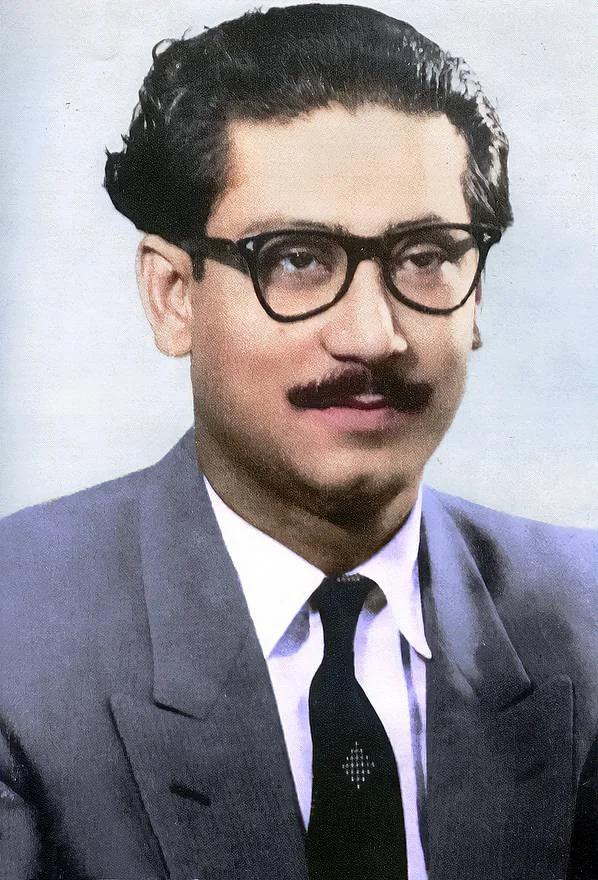
Sheikh Mujibur Rahman
Born17 Mar, 1920
Died15 Aug, 1975
NationalityIndian, Pakistani, Bangladeshi
Age at time of death55
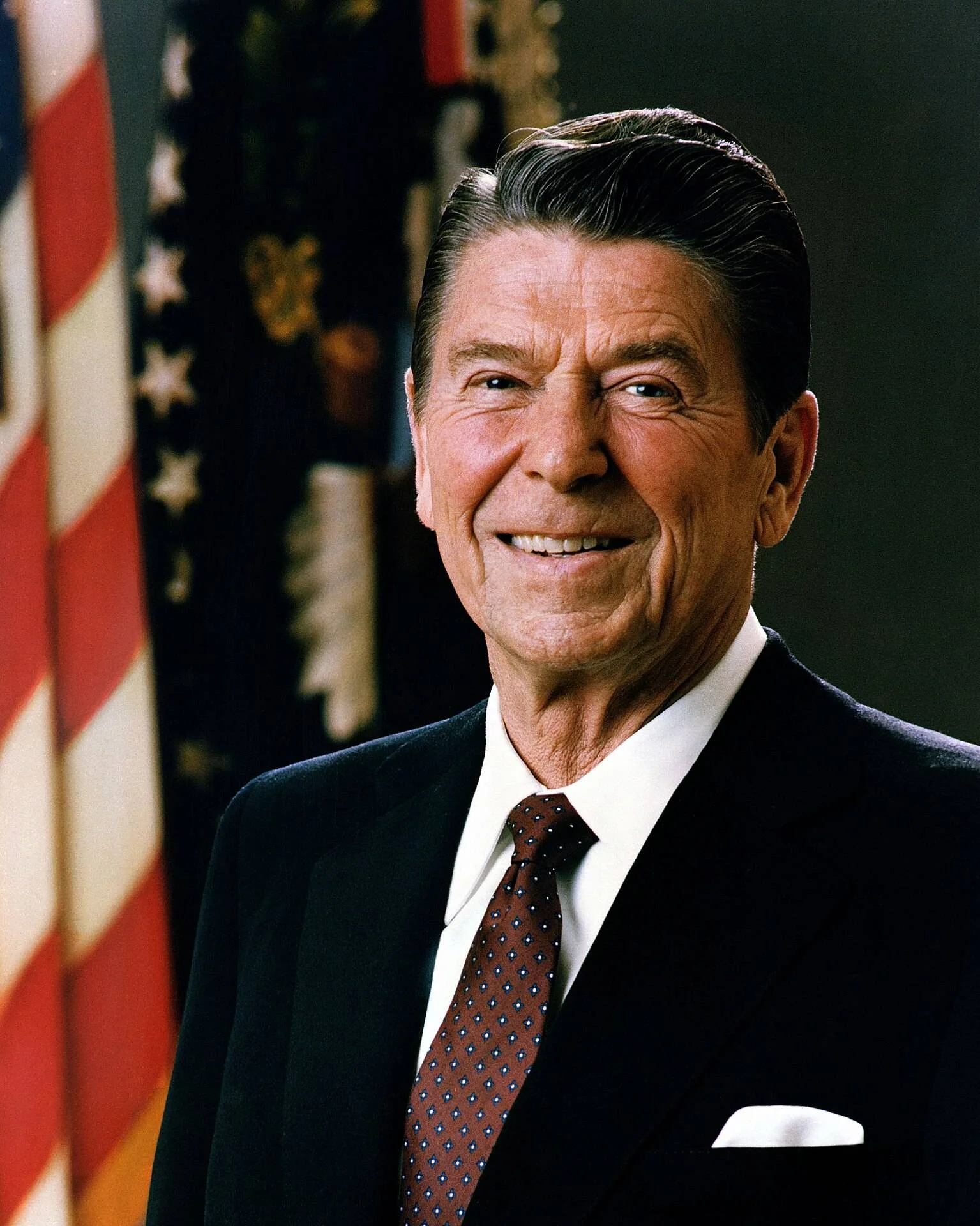
Ronald Reagan
Born06 Feb, 1911
Died05 Jun, 2004
NationalityAmerican
Age at time of death93
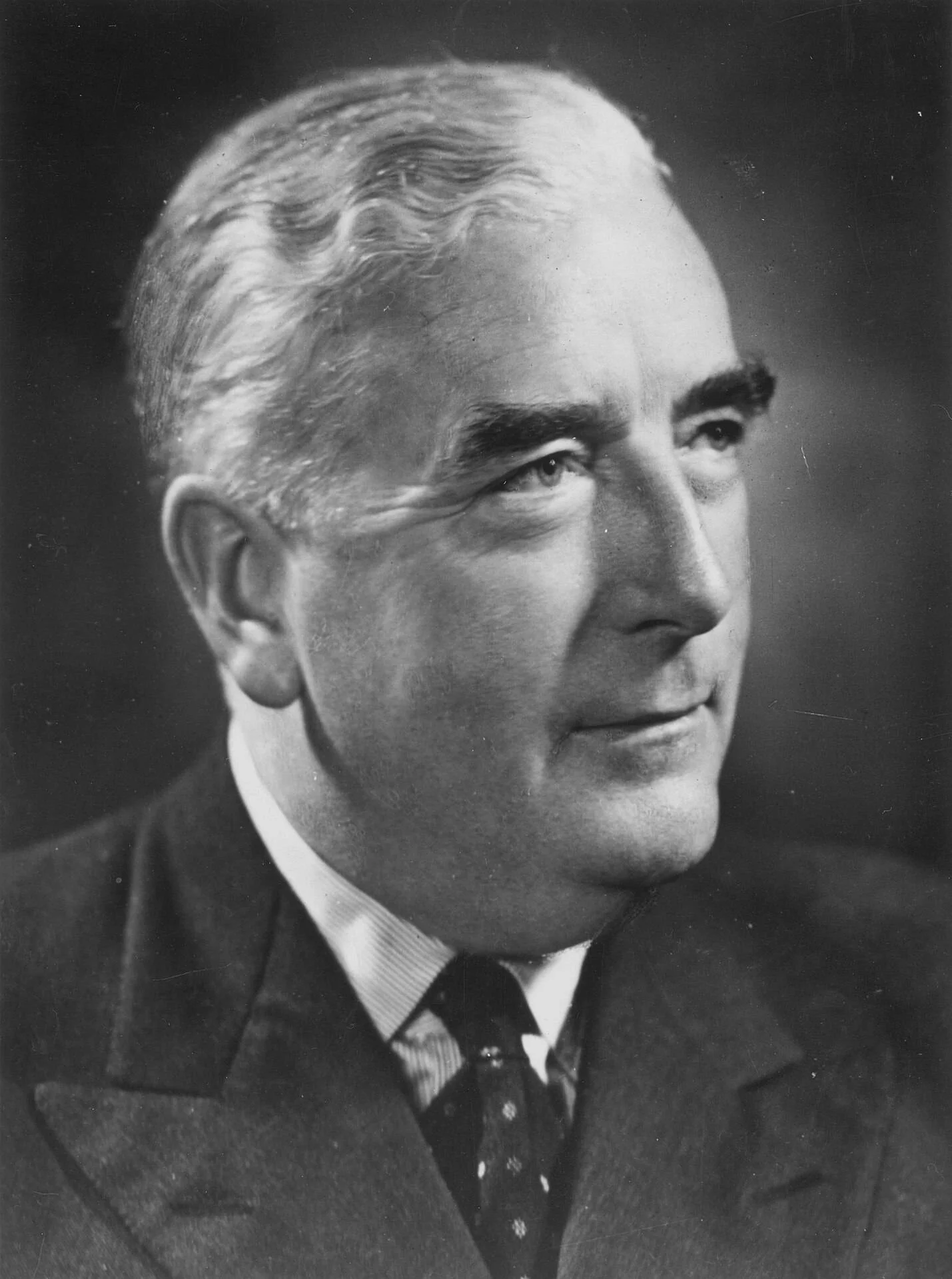
Robert Menzies
Born20 Dec, 1894
Died15 May, 1978
NationalityAustralian
Age at time of death83