Real Celebrities Never Die!
OR
Search For Past Celebrities Whose Birthday You Share
Died Age: 72
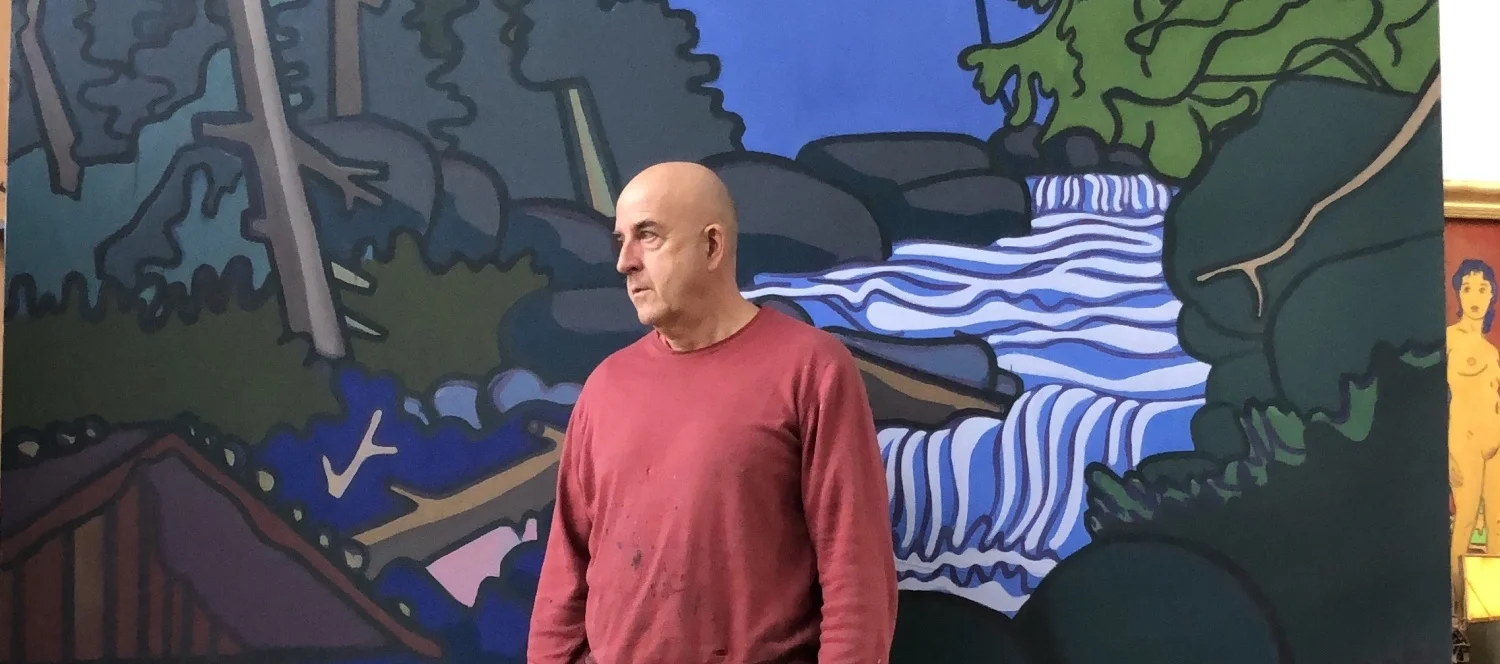
www.parnass.at
Hubert Schmalix
Birthday:
16 Dec, 1952
Date of Death:
22 Mar, 2025
Cause of death:
Undisclosed
Nationality:
Austrian
Famous As:
Painter
Age at the time of death:
72
Hubert Schmalix's Quote's

“One could also say I produce a light that does not exist in reality.”
Hubert Schmalix
🔗 deadcelebrityhub.com
Early Life
Hubert Schmalix was a painter who turned colour into emotion and light into structure. His art moved between raw expression and quiet contemplation, bridging continents and decades with a vision that was unmistakably his own. Whether depicting a figure, a still life, or a mountain horizon, he made the ordinary luminous — and the luminous deeply human.
Born on December 17, 1952, in Graz, Austria, Schmalix grew up surrounded by the rolling landscapes and architectural contrasts that would later find their way into his canvases. The interplay of mountain light and city geometry imprinted itself early on his imagination. Though little is publicly known about his family, his environment shaped his sensibility: he was attuned to shifts in colour, weather, and atmosphere — the subtle changes that could turn a scene from tranquil to electric.
As a child, he sketched incessantly. What began as a fascination with form evolved into a hunger to understand how paint itself could create energy and emotion. This early passion carried him to Vienna, where his formal training began and his voice as an artist took shape.
Education and Formation
From 1971 to 1976, Schmalix studied painting at the Academy of Fine Arts in Vienna under Maximilian Melcher. The Academy was steeped in tradition, yet the art world outside was in revolt — conceptual art and performance were dominant, and painting was often declared obsolete. Schmalix, however, belonged to a generation determined to reclaim painting as a visceral, living act.
Under Melcher’s guidance, he mastered the fundamentals — composition, pigment, form — while developing a painterly language that was fiercely expressive. His first solo exhibition came soon after his graduation in 1976, a bold introduction that marked his emergence as part of a new movement sweeping through Europe.
The Early Career: New Painting and Restless Energy
By the late 1970s, Schmalix had joined the ranks of artists driving Austria’s “Neue Malerei,” or New Painting, a revival of emotional, figurative, and boldly coloured work. He became associated with the “Junge Wilde” — the “Young Wild Ones” — painters who rejected cool conceptualism in favour of passion and gesture.
His canvases from this era are fierce and magnetic: broad brushstrokes, intense pigments, figures rendered with vitality rather than precision. They radiate urgency — a sense that the artist was wrestling with the world rather than simply depicting it. Exhibitions across Austria and Germany established him as a leading voice of this painterly resurgence.
Travel deepened his perspective. In the 1980s, journeys to Australia and the Philippines introduced him to new kinds of light and colour, broadening his palette and his sense of space. The raw European intensity of his early work began to merge with a softer, sun-infused openness.
Middle Years: The Los Angeles Light
In 1987, Schmalix moved to Los Angeles, a decision that would redefine his art. The city’s vast skies, sprawling grids, and radiant light replaced the dense atmospheres of Europe. His colours brightened, his forms simplified. Where once there had been turbulence, there was now clarity — still expressive, but imbued with calm.
Alongside his studio work, he began teaching, first as a visiting professor at UCLA and later as a professor at the Academy of Fine Arts in Vienna. Teaching refined his philosophy: painting, he often suggested, was an act of seeing — not just what is visible, but what light makes possible. His students recall him as exacting but generous, always pushing them to look deeper into the surface of things.
Recognition followed. Awards in Vienna and later national honours affirmed his standing as one of Austria’s most important contemporary painters. Yet through it all, Schmalix remained uninterested in fame. For him, the studio was the true reward — the quiet confrontation between colour and canvas.
Later Work: Quiet Radiance
In his later years, Schmalix’s art took on a new kind of serenity. The landscapes became more distilled, the figures more introspective. He painted unpeopled scenes — houses, trees, skies — that seemed to hum with invisible presence. His still lifes, too, carried a meditative quality: flowers and vases suspended in fields of colour, stripped of ornament yet radiant with light.
He continued to exhibit widely across Austria, Germany, and the United States. Even in his final years, he pursued new projects with undiminished curiosity. Among his last public works was a large-scale piece created for an Austrian cultural exhibition, a vivid testament to his enduring creative energy.
Personal Life
Though his art was deeply public, Schmalix himself remained a private man. After moving to Los Angeles, he divided his life between California and Austria, embodying a duality that mirrored his art — European structure tempered by Californian light. He was married to a woman from the Philippines, whose image appeared frequently in his paintings, often rendered in soft tones and simplified form, reflecting both affection and artistic fascination.
Colleagues described him as contemplative, kind, and rigorous — a man who found beauty in discipline and emotion in restraint. Even in conversation, he spoke in the language of a painter: in light, colour, and space.
Legacy
When Hubert Schmalix passed away in March 2025, he left behind a body of work that charted one of the most distinctive artistic evolutions in postwar Austrian painting. From the explosive energy of his youth to the luminous calm of his later landscapes, he remained committed to painting as a living, thinking act.
He bridged continents — the old world and the new — and generations, influencing not only his peers but countless students who learned from his precision, his vision, and his belief in the power of colour. His paintings continue to reside in major museums and collections, but their truest home is in the viewer’s imagination: places of light that feel at once distant and intimately known.
Hubert Schmalix’s legacy is that of an artist who never stopped looking. Through every brushstroke, he taught that painting is not about depicting reality, but revealing the hidden light within it — and in doing so, he illuminated something lasting in all who encounter his work.
Profile Snapshot
Name:
Hubert Schmalix
Popular Name:
Hubert Schmalix
Gender:
Male
Cause of Death:
Undisclosed
Spouse:
Fresnaida
Place of Birth:
Graz, Austria
Place of Death:
Los Angeles, California, United States
Occupation / Profession:
Painter
Personality Type
Virtuoso: Hubert Schmalix built entire worlds of light with deliberate imagination and enduring precision.
Hubert Schmalix's Interesting Facts
He lived between Los Angeles and Vienna for decades, often saying the contrast of light between the two cities shaped his colour palette.
A devoted traveller, he once described the sky over Manila as “a colour you could never mix on a palette.”
Schmalix was also known for painting late at night, preferring silence and artificial light to test how colours “breathe on their own.”
Achievements & Awards
Hubert Schmalix gained international recognition as one of Austria’s leading contemporary painters and a central figure in the “Neue Malerei” movement of the 1980s.
His work was exhibited at major events such as the Venice Biennale and featured in prominent galleries and museums across Europe and the United States.
As a professor at both UCLA and the Academy of Fine Arts Vienna, he influenced a generation of young painters with his disciplined yet expressive approach.
Over his career, he was honoured with the City of Vienna Prize for Fine Arts, the Styrian Decoration of Honour for Science, Research and Art, and the Austrian Decoration of Honour for Science and Art.
Latest Profiles
People also viewed
Tony Bennett
Born03 Aug, 1926
Died21 Jul, 2023
NationalityAmerican
Age at time of death96
Rabindranath Tagore
Born07 May, 1861
Died08 Aug, 1941
NationalityIndian
Age at time of death80
Leonardo da Vinci
Born15 Apr, 1452
Died02 May, 1519
NationalityItalian
Age at time of death67
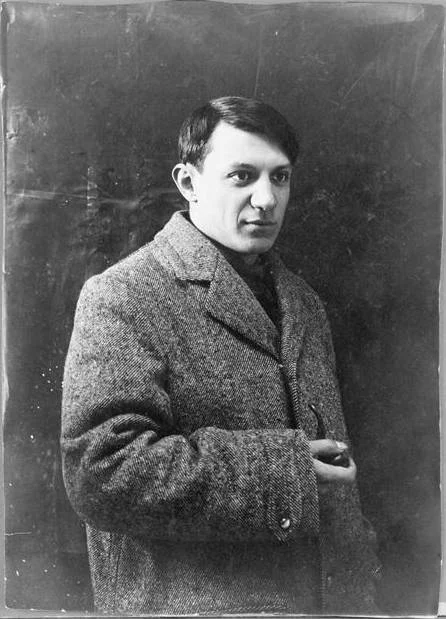
Pablo Picasso
Born25 Oct, 1881
Died08 Apr, 1973
NationalitySpanish
Age at time of death91
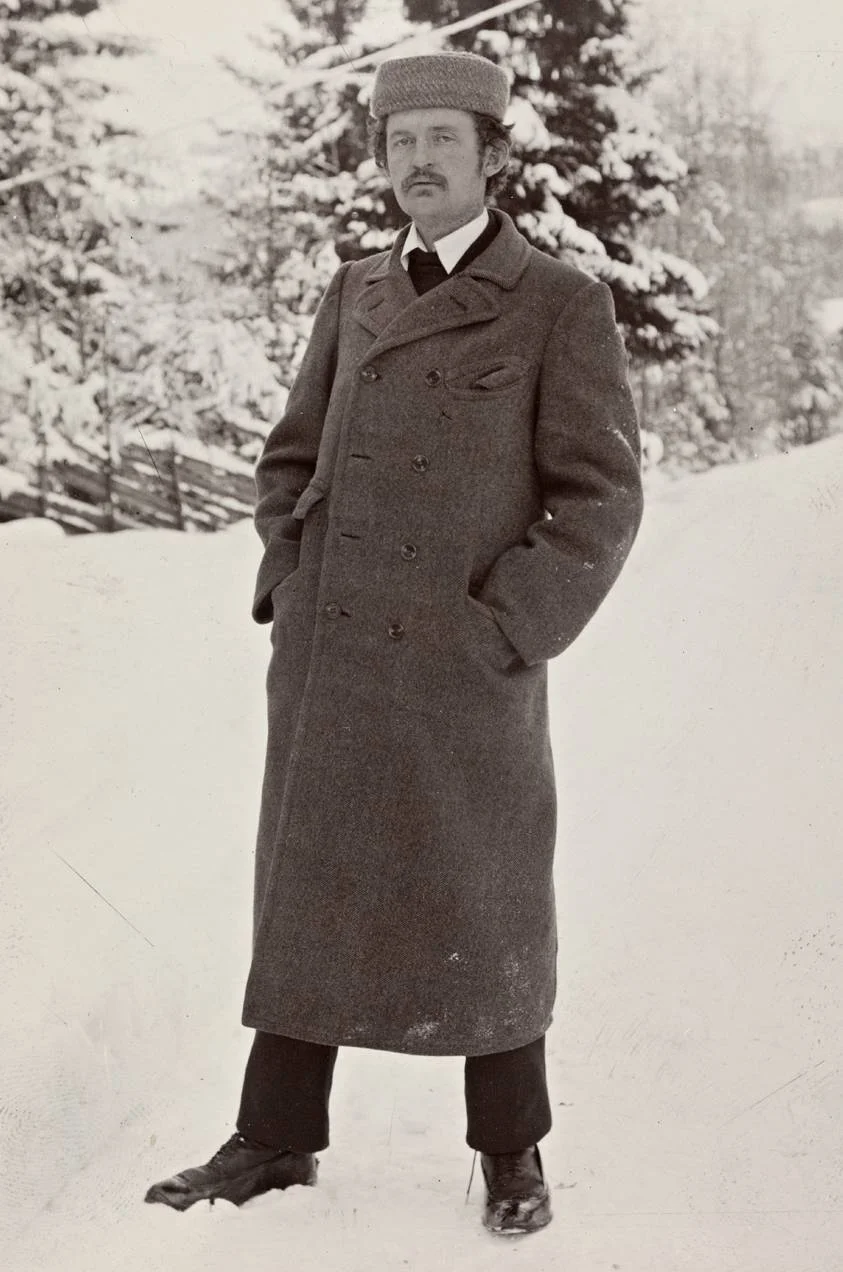
Edvard Munch
Born12 Dec, 1863
Died24 Jan, 1944
NationalityNorwegian
Age at time of death80
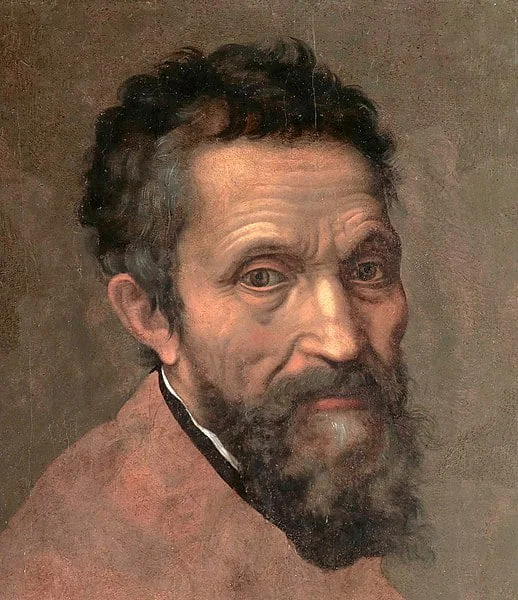
Michelangelo
Born06 Mar, 1475
Died18 Feb, 1564
NationalityItalian
Age at time of death88
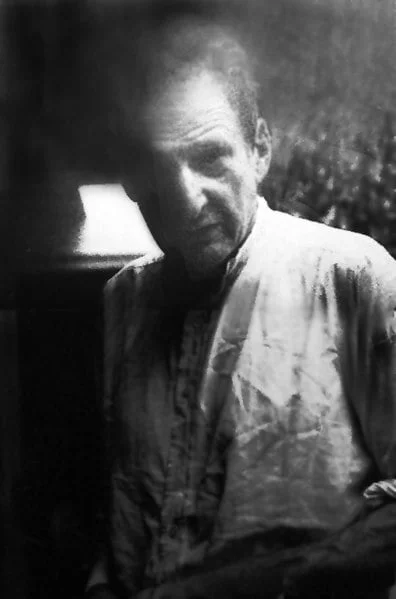
Lucian Freud
Born08 Dec, 1922
Died20 Jul, 2011
NationalityBritish
Age at time of death88

Sir Fredrick Banting
Born14 Nov, 1891
Died21 Feb, 1941
NationalityCanadian
Age at time of death49
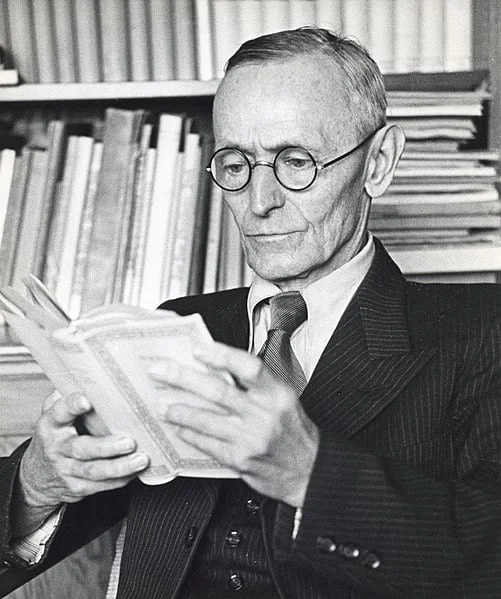
Hermann Hesse
Born02 Jul, 1877
Died09 Aug, 1962
NationalityGerman, Swiss
Age at time of death85
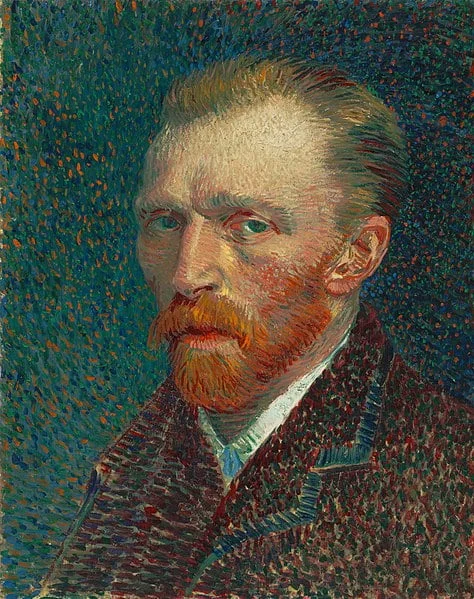
Vincent van Gogh
Born30 Mar, 1853
Died29 Jul, 1890
NationalityDutch
Age at time of death37
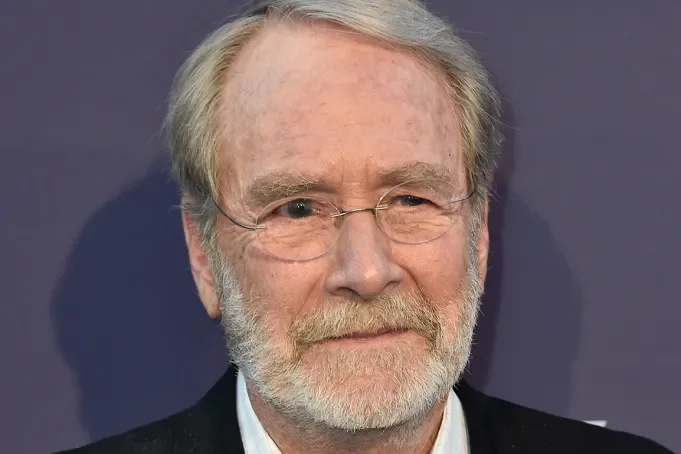
Martin Mull
Born17 Aug, 1943
Died26 Jun, 2024
NationalityAmerican
Age at time of death80