Real Celebrities Never Die!
OR
Search For Past Celebrities Whose Birthday You Share
Died Age: 71
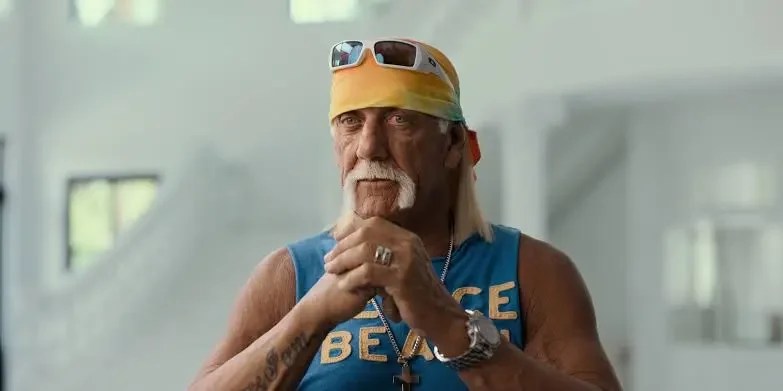
www.wwe.com
Hulk Hogan
Birthday:
10 Aug, 1953
Date of Death:
23 Jul, 2025
Cause of death:
Cardiac Arrest
Nationality:
American
Famous As:
American professional wrestler
Age at the time of death:
71
Terry Gene Bollea's Quote's

“Whatcha gonna do, brother, when Hulkamania runs wild on you?”
Terry Gene Bollea
🔗 deadcelebrityhub.com
Early Life
Hulk Hogan was more than a professional wrestler; he was the personification of a larger-than-life era, a pop culture titan whose charisma, bravado, and showmanship helped turn wrestling into global entertainment. With torn shirts, giant muscles, and catchphrases that echoed in arenas and living rooms alike, he became a symbol of spectacle, triumph, controversy, reinvention—and ultimately, of the complexities that come with being up front in a world that both loves and scrutinizes its heroes.
Born Terry Gene Bollea on August 11, 1953, in Augusta, Georgia, Hogan spent his childhood moving to Tampa, Florida, where life was warm and frenetic. His parents, a construction foreman father and a homemaker mother who also taught dance, raised him with a mix of discipline, family loyalty, and exposure to performance and showmanship. As a young boy, Hogan was painfully shy about his body—he later recalled being overweight, hiding his physique, reluctant to take off his shirt at the beach.
He played sports in high school and showed real physical promise, especially in baseball, catching the eyes of scouts. But an injury disrupted that path. Music also pulled at him—he played bass in local bands, tried to earn a place on stage—but wrestling, with its mix of drama and athleticism, called louder. After some college work, he began to chase that call.
Education & Formative Influences
Without a formal degree in wrestling (of course), Hogan’s education happened in gyms, training rooms, small venues, under seasoned mentors. As he watched existing wrestlers, promoters, and crowd reactions, he learned what it meant to build a persona—not just to wrestle, but to entertain. The energy of crowd chants, the spectacle of entrance music, the drama of close matches—all of these became his tools.
His early years took shape in independent circuits, small promotions, and even in Japan—places where toughness, showmanship, and sheer will mattered. These were trying times: travel, modest pay, physical strain—but each match, each crowd, refined his self-belief and the showman inside Terry Bollea started to become Hulk Hogan.
Career Journey
Hulk Hogan’s professional life unfolds in clear phases: early ascent, superstar boom, turbulence and redefinition, late-career reflections.
Phase One: Ascent & Creation of “Hulkamania”
Hogan made his wrestling debut in the late 1970s. His good looks, sheer size, showmanship, and natural ability to work a crowd quickly made him stand out. In 1979 and early 1980s, he joined the WWF (then WWF/WWF) and over time developed the Hogan character—ultra-heroic, larger than life, loyal to fans. In 1984 he won a defining match that launched Hulkamania, a movement among wrestling fans who saw in him both strength and optimism. At a time when wrestling was regional, Hogan helped bring fans together under chants of “Hulkamania,” establishing a template for wrestling as pop spectacle.
Phase Two: Superstar & Expansion
Throughout the mid to late 1980s Hogan achieved superstar status. He headlined multiple WrestleMania events, crossed over into film (most famously in a cameo role where he played a flamboyant wrestler in a film alongside Sylvester Stallone), launched merchandise, and became a face not only in wrestling but in media—and symbolically in American culture. His ring persona—colors of yellow and red, bandana, handlebar mustache, “24-inch pythons”—became instantly recognizable.
At his peak, he held multiple world titles, competed in some of wrestling’s most famous rivalries (such as with Andre the Giant), and helped WWE achieve unprecedented popularity. He wasn’t just winning matches; he was selling a dream, a fantasy of strength, triumph, redemption.
Phase Three: Turbulence, Reinvention & Heel Turns
But the glare of celebrity came with sharp edges. Hogan faced controversies—personal, professional, legal—that tested both his popularity and his own identity. In the mid-1990s, he left WWF and went to WCW (World Championship Wrestling), where he reinvented himself in darker roles—most famously as “Hollywood Hogan,” leader of the villainous New World Order (nWo). That heel turn shocked fans who saw him as an unapologetic hero, and yet the change revitalized his relevance, showing that reinventing reputation, even in scandal, can be a path back to attention.
Through legal battles, personality conflicts, public disputes, Hogan’s life and career became more than wrestling—they became story arcs, with triumphs and failures being part of the character as much as the matches.
Phase Four: Later Years & Legacy
In his later years, Hogan moved away from wrestling full-time, but remained a visible figure—making guest-appearances, starring in reality television with family, launching business ventures, staying involved in wrestling nostalgia. He had periods of exile from major organizations due to controversies, then returns. Despite physical wear and tear, aging, shifting public opinion, he often reemerged, reminding people who he was, and why they once cheered.
Hogan died on July 24, 2025, at his home in Clearwater, Florida. He was 71.
Personal Life
Terry Bollea’s life offstage was as alive with drama and complexity as his character Hulk Hogan. He was married three times. His first marriage—to Linda—was during his ascent, producing two children, Brooke and Nick. They became known to the public via reality television in the mid-2000s, which showcased both public and private struggles. Later marriages brought both companionship and turbulence.
He faced health issues later, surgeries, physical limitations from years of competition, and enduring scrutiny. He also navigated legal and media storms: lawsuits, settlements, controversies over language, reputation, generational change of fan expectations.
Yet those close to him often described another side: generous with fans, proud of his beginnings, deeply loyal to those he considered family—his children, his close friends, his long-time colleagues. He saw his role not just as entertainer, but as someone who inspired belief—kids who believed they could be strong, brave, bold.
Legacy
Hulk Hogan leaves a legacy as one of the most influential figures in professional wrestling—and popular culture at large.
He helped transform wrestling from regional entertainment into a global spectacle, combining performance, persona, mythology, and showmanship in a way few had before.
He created one of the most enduring characters in wrestling: the hero who wears bandana and bright colors, who challenges giants, who speaks to fans directly, and whose catchphrases persist.
His career showed both the rewards and costs of fame: the joy, the merchandise, the public affection, and also the controversies, legal troubles, health strain, and changing tide of public scrutiny.
For many fans, Hogan was a symbol of nostalgia, strength, memory—of Sunday matinee matches, of arc lights, of muscular showdowns—and those memories matter.
Conclusion
Hulk Hogan’s story is one of grandeur and grit, belts and battles, bright lights and hard truths. From Terry Bollea, a shy young man overweight and self-conscious, to Hulkamania, champion, villain, icon, and finally legend—his journey encompassed more than wins and losses; it contained lessons about resilience: how to build a persona, how to fall, how to come back, how to remain relevant even when the world moves on.
In the end, his legacy endures in both his faults and his triumphs—because real myth does not depend on perfection, but on presence. Hulk Hogan reminded millions what it felt like to cheer, to believe, to hope, and to watch the impossible become real in the squared ring. He will be remembered as a showman, a pioneer in a dramatic sport, a flawed hero—and one whose echoes will continue to run wild in wrestling lore and beyond.
Profile Snapshot
Name:
Terry Gene Bollea
Popular Name:
Hulk Hogan
Gender:
Male
Cause of Death:
Cardiac Arrest
Spouse:
Linda Claridge
Jennifer McDaniel
Sky Daily
Place of Birth:
Augusta, Georgia, U.S.
Place of Death:
Clearwater, Florida, U.S.
Occupation / Profession:
American professional wrestler
Media personality.
Personality Type
Entertainer: Hulk Hogan was a high-energy showman and commanding entertainer, driven by the spectacle and connection with the crowd — bold, very physical, and emotionally charged, with both generosity and ego in full display.
Terry Gene Bollea's Interesting Facts
Hulk Hogan’s real name is Terry Eugene Bollea.
He became the first wrestler to win the WWF Championship five times.
Hogan starred in his own reality TV show called Hogan Knows Best.
He was inducted into the WWE Hall of Fame twice, once as an individual and once as part of the nWo.
Achievements & Awards
Hulk Hogan is a six-time WWF/WWE Champion and also a six-time WCW World Heavyweight Champion, making him one of the most decorated wrestlers in history. He’s a two-time Royal Rumble winner, taking back-to-back victories in 1990 and 1991. Hogan has also been honored with induction into the WWE Hall of Fame twice—once on his own in 2005 and again in 2020 as part of the legendary New World Order.
External Links
Additional Links
Latest Profiles
People also viewed
Charlie Kirk
Born13 Oct, 1993
Died09 Sep, 2025
NationalityAmerican
Age at time of death31