Real Celebrities Never Die!
OR
Search For Past Celebrities Whose Birthday You Share
Died Age: 47
www.britannica.com
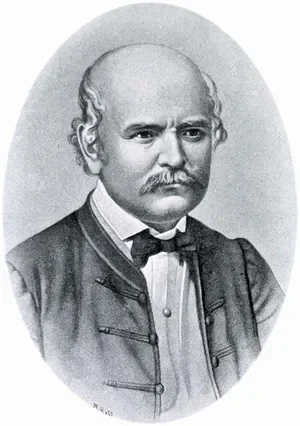
Ignaz Semmelweis
Birthday:
30 Jun, 1818
Date of Death:
12 Aug, 1865
Cause of death:
Pyaemia
Nationality:
Hungarian
Famous As:
Hungarian physician
Age at the time of death:
47
Ignaz Philipp Semmelweis's Quote's

“Every mother’s death is a lesson that must not be wasted.”
Ignaz Philipp Semmelweis
🔗 deadcelebrityhub.com
Early Life: A Curious Mind in Buda
Ignaz Semmelweis was a physician whose simple, revolutionary insight—handwashing—saved countless lives and reshaped the future of medicine. Yet, in his own lifetime, he was dismissed, ridiculed, and ultimately broken by the very system he sought to reform. Today, he is remembered as a visionary far ahead of his time, a man whose courage and persistence gave modern healthcare one of its most essential foundations.
Ignaz Philipp Semmelweis was born in 1818 in Buda, Hungary, into a bustling family of ten children. His father, a prosperous grocer, provided stability and opportunity; his mother, warm and strong, encouraged intellectual inquiry. From an early age, Ignaz displayed an observant, analytical mind. He was fascinated by patterns—how things fit together, why events unfolded the way they did.
He initially seemed destined for a career in law, but the pull of science proved irresistible. When he pivoted toward medicine, it was with the same determination and sharp curiosity that marked his youth.
Education: The Making of a Physician
Semmelweis studied medicine in Vienna, the thriving scientific hub of the Austro-Hungarian Empire. Immersed in one of Europe’s most prestigious medical environments, he trained under leading thinkers in anatomy, pathology, and obstetrics. He was particularly drawn to the mysteries of childbirth—a space where joy, vulnerability, and danger coexisted.
As a young physician, he absorbed everything: the cries of laboring mothers, the clinical routines of the wards, the stark contrasts between life and loss. It was here that he first noticed something deeply troubling—and something others seemed to accept as inevitable.
Early Career: A Tragic Mystery in the Maternity Wards
In 1846, Semmelweis was appointed assistant to the First Obstetrical Clinic of the Vienna General Hospital. What he found there haunted him. Two maternity clinics stood side-by-side—one staffed by doctors and medical students, the other by midwives. Yet the clinic run by physicians suffered dramatically higher rates of childbed fever, a terrifying and often fatal postpartum infection.
Women, hearing rumors of these “death wards,” begged not to be admitted. Some even chose to give birth in the streets, believing they had better odds of survival.
Semmelweis refused to accept the mystery as fate.
Breakthrough: The Simple Act That Changed the World
The turning point came in 1847 when a close colleague died after sustaining an accidental cut during an autopsy—his symptoms eerily similar to those of the mothers who succumbed to childbed fever. In a moment of clarity, Semmelweis connected the dots: physicians were carrying invisible particles from autopsies to the maternity ward.
His solution was deceptively simple: he instructed doctors and medical students to wash their hands with a chlorinated lime solution before examining patients.
The results were astonishing. Mortality rates in the physicians’ clinic plummeted. What had been accepted as an unavoidable tragedy suddenly became preventable.
Resistance and Struggle: A Hero Unrecognized in His Time
Despite the dramatic reduction in deaths, Semmelweis faced fierce opposition. Many doctors bristled at the suggestion that they themselves could be causing harm. Others rejected the notion of “invisible particles” without concrete scientific proof. Semmelweis, passionate and uncompromising, grew increasingly frustrated by the refusal to adopt life-saving practices.
His temperament—intense, impatient, sometimes abrasive—clashed with the medical establishment. He lost his position, struggled to publish his findings, and found himself isolated from the very community he hoped to convince.
Later Years: Passion, Pain, and a Fight for Recognition
Semmelweis returned to Hungary, where he continued his work with remarkable success. Yet the emotional toll of repeated rejections weighed heavily on him. As his mental health deteriorated, he became increasingly obsessive about spreading his message, sending passionate letters to physicians across Europe.
In 1865, he was committed to a mental institution under tragic and murky circumstances. Within weeks, he died at age 47—ironically, from an infection not unlike the one he had spent his life trying to prevent.
Personal Life: Family, Warmth, and Quiet Resolve
Despite the turmoil of his professional life, Semmelweis’s personal world offered solace. He married late in life and had several children. Those close to him described him as affectionate, devoted, and deeply idealistic—a man who carried both intense intellect and profound emotion.
He loved music and conversation, and he longed for a world where science could be guided by compassion.
Legacy: The Father of Infection Control
Decades after his death, Semmelweis’s insights were vindicated. As germ theory took root and antiseptic practices spread, the medical community finally recognized him as the pioneer he was.
Today, hand hygiene is the cornerstone of patient safety, a global standard that saves millions of lives each year. Medical schools teach his story as both an inspiration and a warning: truth is not always embraced immediately, and progress often comes at personal cost to its earliest champions.
Ignaz Semmelweis is remembered as a visionary who saw what others could not—a healer whose simple, brilliant insight reshaped the world, and whose courage continues to protect lives in every hospital, clinic, and home today.
Profile Snapshot
Name:
Ignaz Philipp Semmelweis
Popular Name:
Ignaz Semmelweis
Gender:
Male
Cause of Death:
Pyaemia
Spouse:
Mária Weidenhofer
Place of Birth:
Buda, Hungary, Austrian Empire
Place of Death:
Oberdöbling, Austrian Empire
Occupation / Profession:
Hungarian physician
Scientist
Personality Type
Entrepreneur: Ignaz Semmelweis was a visionary, analytical, and fiercely independent thinker — a methodical innovator whose logical insight and relentless pursuit of truth challenged entrenched conventions and saved countless lives.
Ignaz Philipp Semmelweis's Interesting Facts
Ignaz Semmelweis is known as the “savior of mothers” for discovering that handwashing drastically reduced the incidence of puerperal fever.
He introduced the practice of using chlorinated lime solutions to disinfect hands in obstetric clinics.
Despite his groundbreaking findings, Semmelweis faced strong opposition from the medical community and struggled to gain acceptance during his lifetime.
Tragically, Semmelweis died in an asylum at the age of 47, just a few years before the medical community widely accepted his ideas.
Achievements & Awards
Ignaz Semmelweis is best known for his pioneering work in antiseptic procedures, earning him recognition as the “savior of mothers” for drastically reducing puerperal fever deaths.
He received several posthumous honors, including the naming of hospitals, awards, and statues in his memory.
His contributions laid the foundation for modern infection control in medicine.
External Links
Additional Links
Latest Profiles
People also viewed

Barbara McClintock
Born16 Jun, 1902
Died02 Sep, 1992
NationalityAmerican
Age at time of death90

Siou-Ling Tsien de Perlinghi
Born02 Oct, 1912
Died01 Feb, 2008
NationalityChinese, Belgian
Age at time of death95
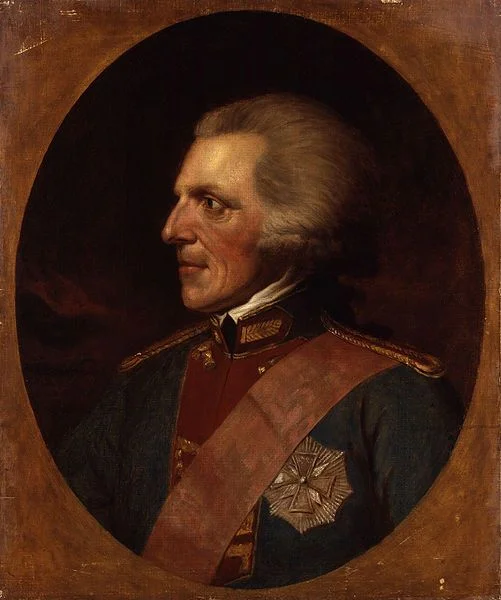
Colonel Sir Benjamin Thompson, Count Rumford
Born26 Mar, 1753
Died21 Aug, 1814
NationalityAmerican, British
Age at time of death61

Leonardo da Vinci
Born15 Apr, 1452
Died02 May, 1519
NationalityItalian
Age at time of death67
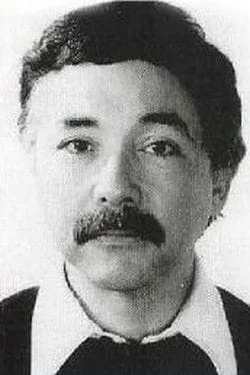
Bert Achong
Born06 Dec, 1928
Died20 Nov, 1996
NationalityTrinidadian, British
Age at time of death67
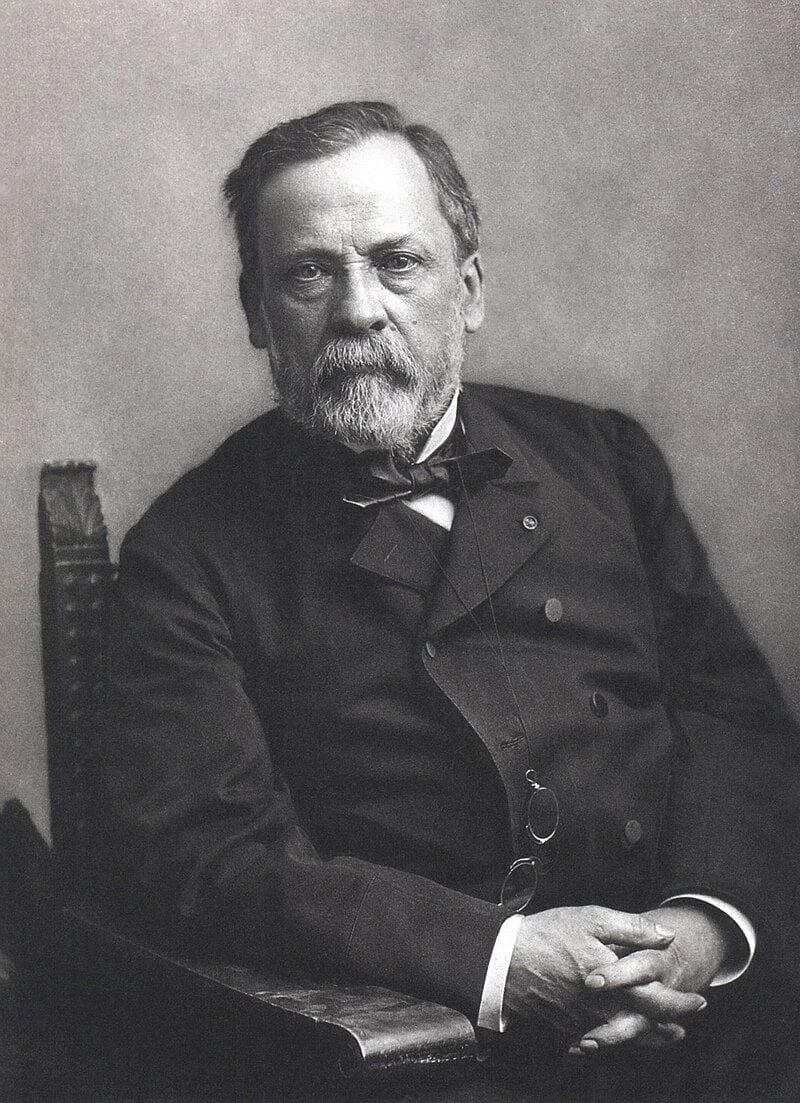
Louis Pasteur
Born27 Dec, 1822
Died28 Sep, 1895
NationalityFrench
Age at time of death72
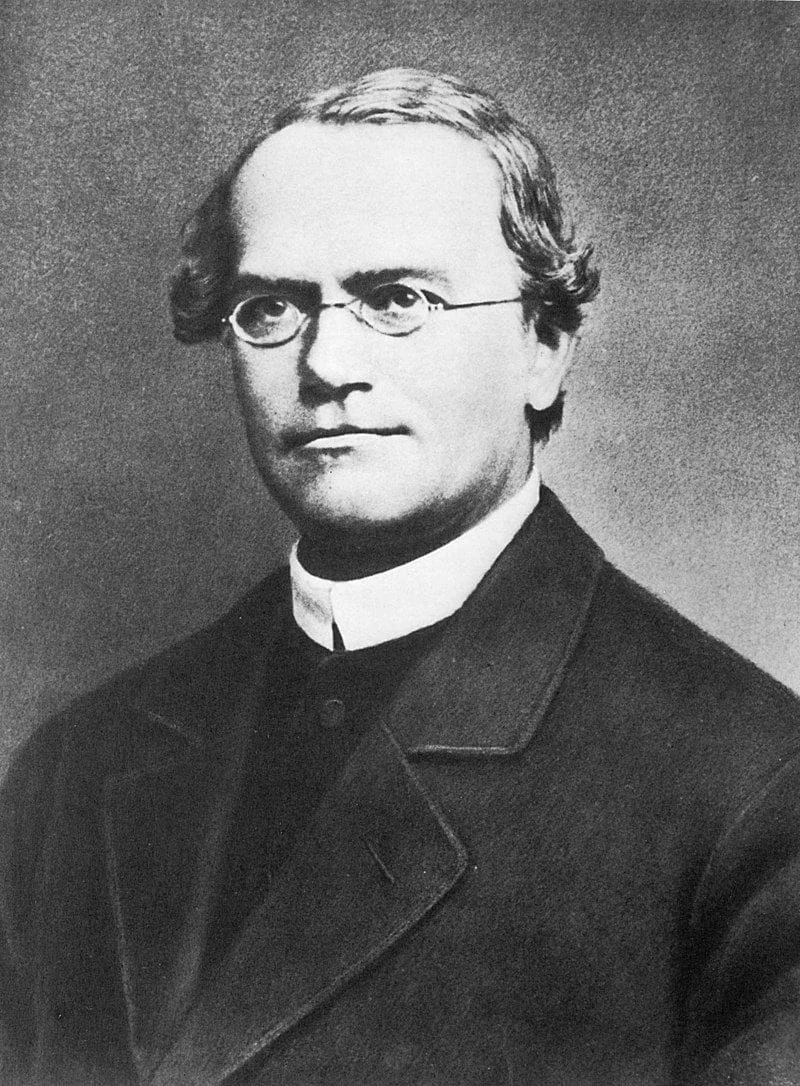
Gregor Mendel
Born20 Jul, 1822
Died06 Jan, 1884
NationalityAustrian
Age at time of death61
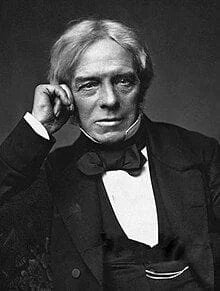
Michael Faraday
Born22 Sep, 1791
Died25 Aug, 1867
NationalityBritish
Age at time of death75

Max Planck
Born23 Apr, 1858
Died04 Oct, 1947
NationalityGerman
Age at time of death89
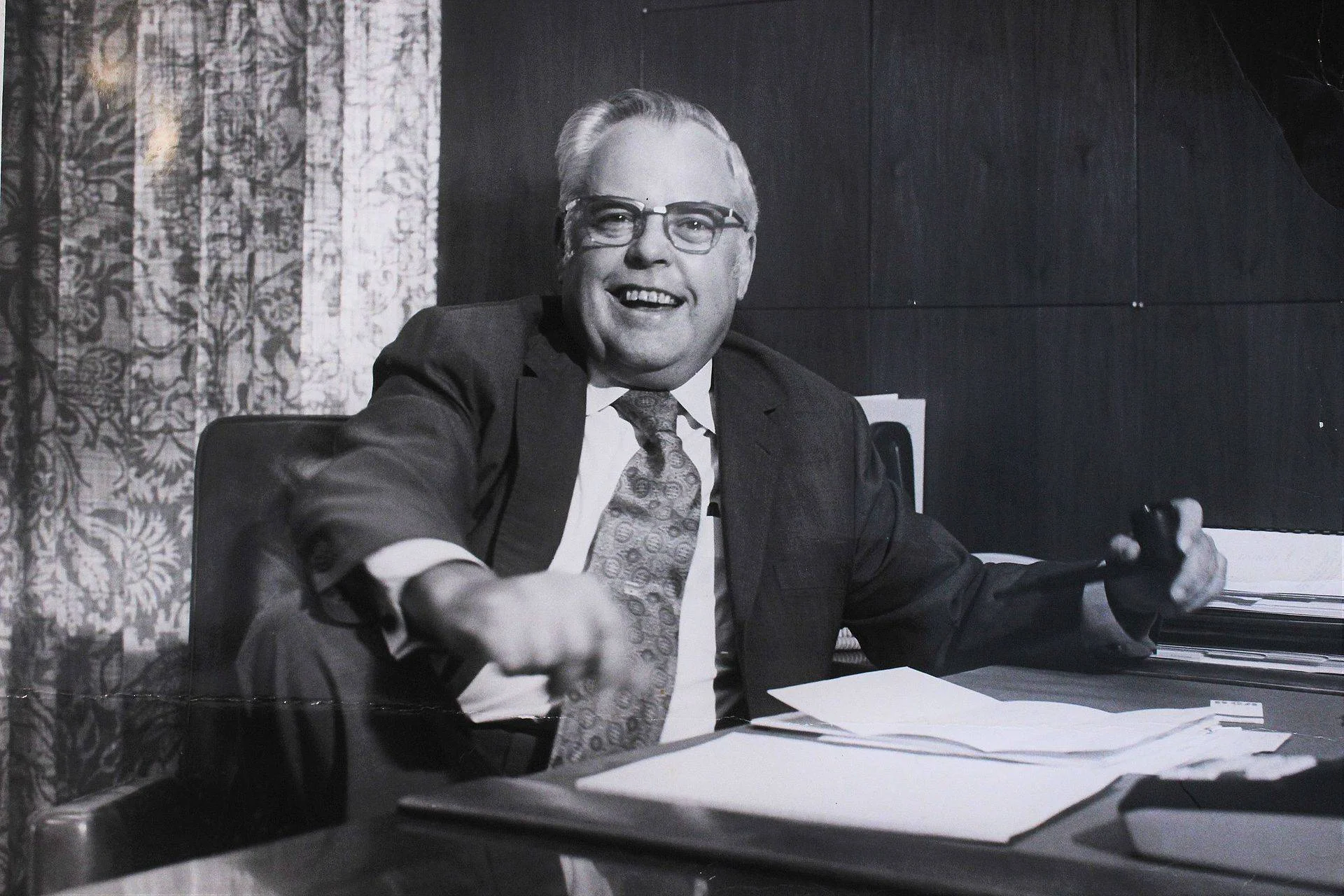
James Hillier
Born22 Aug, 1915
Died15 Jan, 2007
NationalityCanadian, American
Age at time of death91
Eunice Newton
Born17 Jul, 1819
Died30 Sep, 1888
NationalityAmerican
Age at time of death69
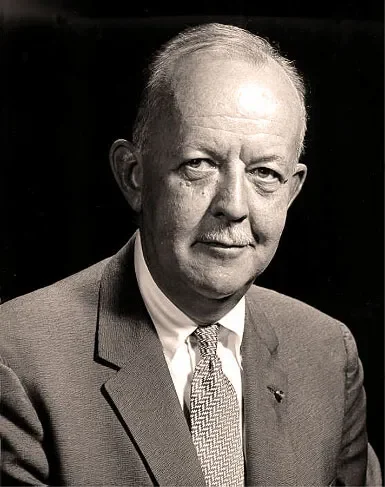
Howard Engstrom
Born23 Apr, 1902
Died08 Mar, 1962
NationalityAmerican
Age at time of death59

Frank Rosenblatt
Born11 Jul, 1928
Died11 Jul, 1971
NationalityAmerican
Age at time of death43

Masaru Emoto
Born22 Jul, 1943
Died17 Oct, 2014
NationalityJapanese
Age at time of death71
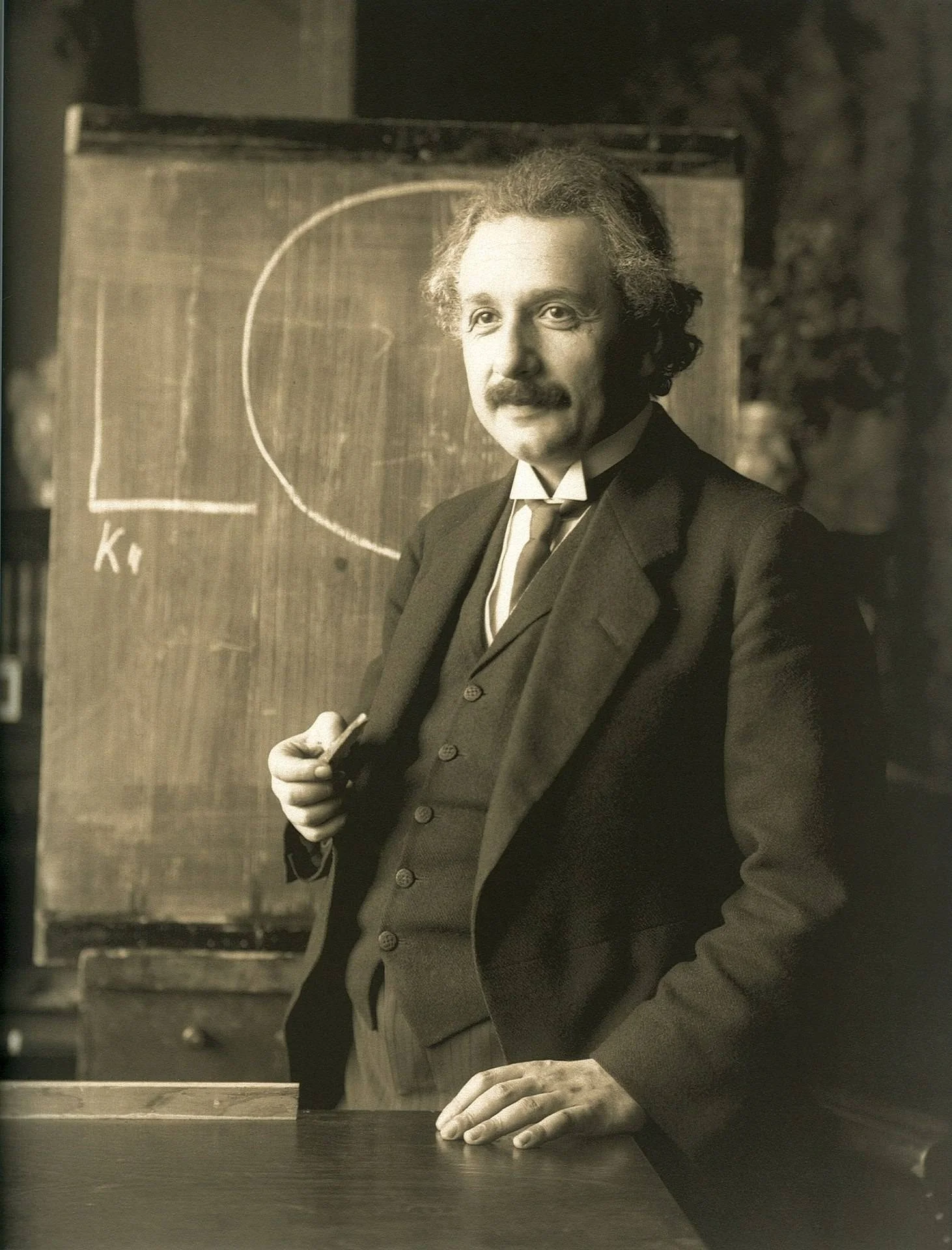
Albert Einstein
Born14 Mar, 1879
Died18 Apr, 1955
NationalityAmerican, Hungarian, Swiss, Prussian, Weimar
Age at time of death76
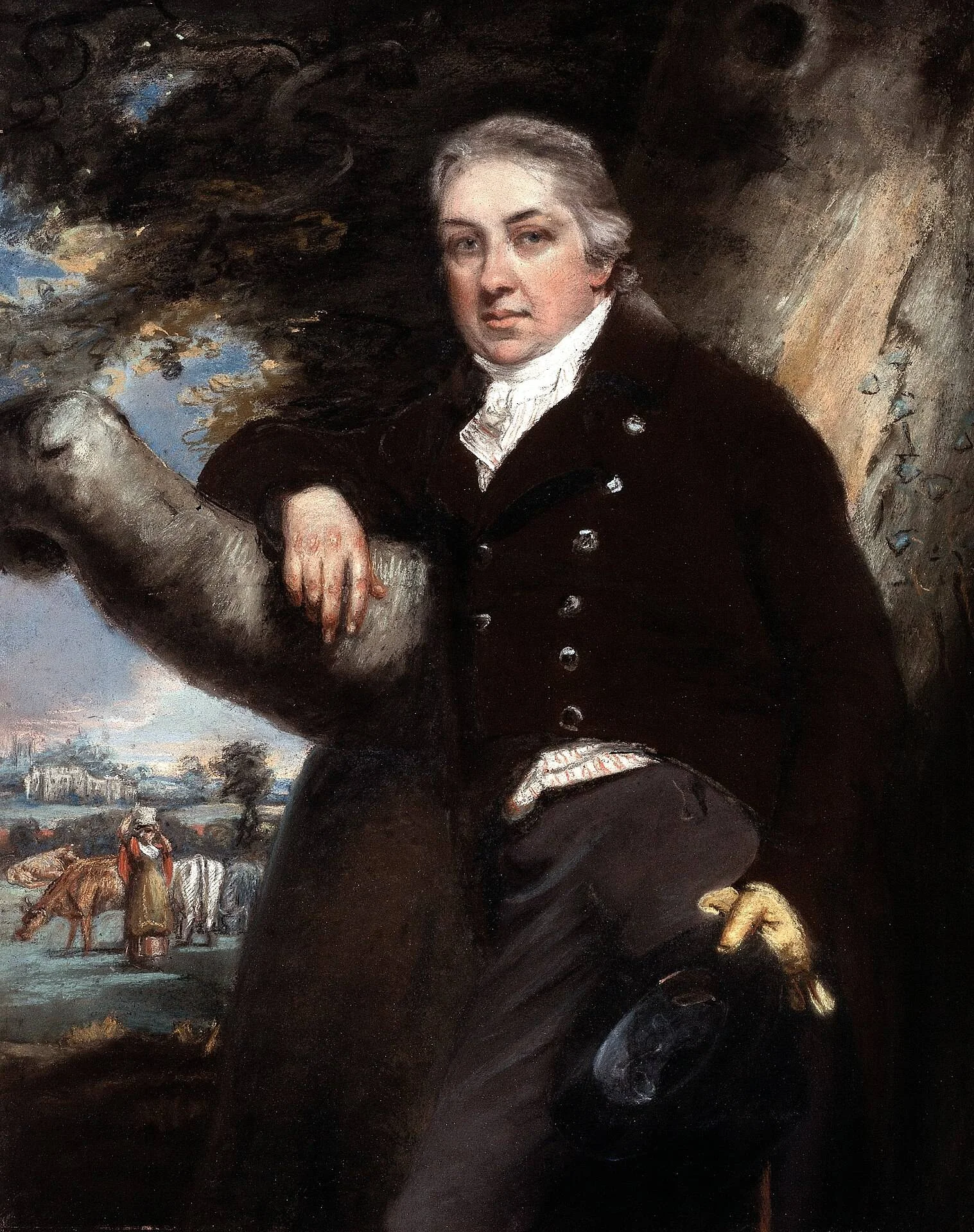
Edward Jenner
Born17 May, 1749
Died26 Jan, 1823
NationalityBritish
Age at time of death73
James Lovelock
Born26 Jul, 1919
Died26 Jul, 2022
NationalityBritish
Age at time of death103
Fridtjof Nansen
Born10 Oct, 1861
Died13 May, 1930
NationalityNorwegian
Age at time of death68
James Braid
Born19 Jun, 1795
Died25 Mar, 1860
NationalityBritish
Age at time of death64

Robert Hooke
Born18 Jul, 1635
Died03 Mar, 1703
NationalityBritish
Age at time of death67