Real Celebrities Never Die!
OR
Search For Past Celebrities Whose Birthday You Share
Died Age: 95
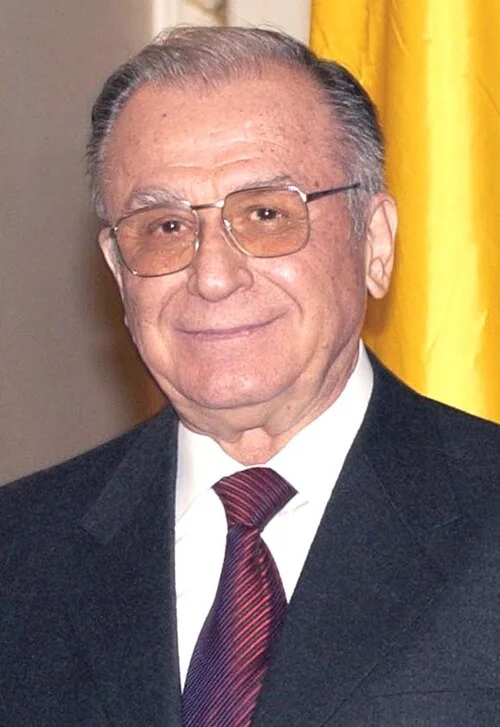
ka.wikipedia.org
Ion Iliescu
Birthday:
02 Mar, 1930
Date of Death:
04 Aug, 2025
Cause of death:
Lung Cancer
Nationality:
Romanian
Famous As:
Engineer
Age at the time of death:
95
Ion Iliescu's Quote's

“History is written by those who fight for the future, not those who fear it.”
Ion Iliescu
🔗 deadcelebrityhub.com
Early Life
Ion Iliescu emerged as one of the defining figures of modern Romanian history, a man whose life intersected with the country’s most turbulent transformations. From a modest upbringing to the helm of a nation navigating revolution and reform, his story is one of political endurance, controversy, and a complex legacy that continues to spark debate.
Born on March 3, 1930, in Oltenița, a small town on the banks of the Danube, Ion Iliescu grew up in a Romania that was both culturally rich and politically restless. His family life was grounded and disciplined, instilling in him a sense of duty and resilience from a young age. The formative years of his childhood, set against the backdrop of interwar Romania and the upheavals of World War II, exposed him early to the weight of political change and the fragility of social stability.
Education
Iliescu’s education played a pivotal role in shaping his ideological framework and political ambitions. He pursued engineering at the Polytechnic Institute of Bucharest, a path that combined technical rigor with exposure to broader intellectual currents. During these years, he cultivated not just a professional skill set but also an analytical perspective on Romania’s political and social structures—a lens that would inform his later decisions as a leader.
Career phases
His career unfolded in distinct phases, each marked by significant achievements and challenges. In the early phase, Iliescu climbed the ranks of the Romanian Communist Party, establishing himself as a committed and pragmatic figure within a rigid political system. His understanding of party dynamics and policy intricacies positioned him for greater responsibility during the 1970s and 1980s, a period when Romania was tightly controlled under Nicolae Ceaușescu.
The revolutionary year of 1989 marked the most dramatic turning point in Iliescu’s career. As the country convulsed with protests and upheaval, he emerged as a central figure in the National Salvation Front, a body that steered Romania through the immediate aftermath of Ceaușescu’s fall. In 1990, Iliescu was elected the first post-communist president, and his leadership during the transitional years sought to balance the nation’s desire for reform with the challenges of maintaining stability. His tenure witnessed both efforts to modernize the economy and significant controversies, particularly regarding the political violence of the early 1990s and the resistance to rapid privatization.
Later in his career, Iliescu remained a dominant figure in Romanian politics, navigating the complexities of a newly democratic landscape while mentoring a generation of political leaders. His resilience and adaptability allowed him to serve multiple terms as president, a rare feat in Romania’s post-communist history, and his approach to governance reflected a deep, if sometimes contested, commitment to national unity.
Personal Life
Beyond the political stage, Iliescu’s personal life was quieter but no less grounded. He valued family and intellectual engagement, maintaining a private side that contrasted sharply with the public intensity of his political persona. Those close to him noted his reflective nature, his methodical thinking, and, at times, his quiet wit—a human dimension that often softened the rigor of his public image.
Legacy
Ion Iliescu’s legacy is one of profound complexity. He is remembered as a figure who guided Romania through one of its most precarious transitions, a leader whose decisions shaped the nation’s post-communist trajectory. While debates about his policies and controversies endure, his impact on Romania’s political evolution is undeniable. Iliescu’s story is not just that of a politician but of a man navigating history itself—steadfast, often polarizing, and inextricably linked to the Romania we know today.
Profile Snapshot
Name:
Ion Iliescu
Popular Name:
Ion Iliescu
Gender:
Male
Cause of Death:
Lung Cancer
Spouse:
Nina Iliescu
Place of Birth:
Oltenița, Romania
Place of Death:
Romania
Occupation / Profession:
Engineer
Politician
Personality Type
Commander: Ion Iliescu was a calm, steady man who tried to keep his country grounded during times of big change.
Ion Iliescu's Interesting Facts
Iliescu was an engineer by training and initially worked in the field before fully entering politics.
He was known for his habit of giving long, reflective speeches that sometimes lasted hours.
He maintained a private passion for literature and often quoted Romanian poets in his addresses.
Achievements & Awards
Ion Iliescu played a central role in Romania’s transition from communism to democracy, serving three terms as president and helping stabilize the nation after the 1989 revolution.
He oversaw the drafting of a new constitution in 1991, laying the foundation for Romania’s post-communist political system.
Iliescu also received multiple international honors, including state decorations from countries recognizing his contributions to diplomacy and European cooperation.
His leadership was pivotal in guiding Romania through economic reforms and the integration of modern political institutions.
External Links
Additional Links
Latest Profiles
People also viewed
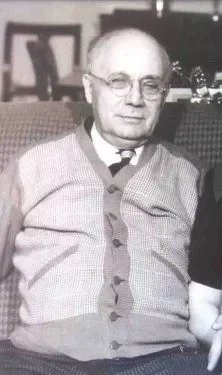
Otto Frederick Rohwedder
Born28 Jul, 1880
Died08 Nov, 1960
NationalityAmerican
Age at time of death80
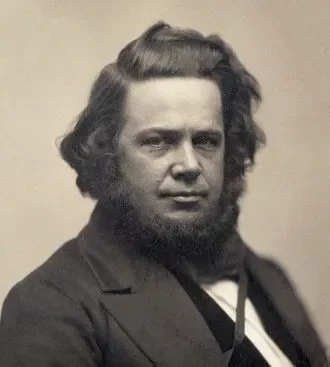
Elias Howe
Born09 Jul, 1819
Died03 Oct, 1867
NationalityAmerican
Age at time of death48
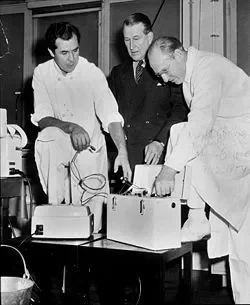
Rune Elmqvist
Born01 Dec, 1906
Died15 Dec, 1996
NationalitySwedish
Age at time of death90
Gerald Ford
Born14 Jul, 1913
Died26 Dec, 2006
NationalityAmerican
Age at time of death93
Alfred Nobel
Born21 Oct, 1833
Died10 Dec, 1896
NationalitySwedish
Age at time of death63
Thomas Newcomen
Born28 Feb, 1664
Died05 Aug, 1729
NationalityEnglish
Age at time of death65
Victor Hugo
Born26 Feb, 1802
Died22 May, 1885
NationalityFrench
Age at time of death83
Leonardo da Vinci
Born15 Apr, 1452
Died02 May, 1519
NationalityItalian
Age at time of death67
George Murphy
Born04 Jul, 1902
Died03 May, 1992
NationalityAmerican
Age at time of death89
P. T. Barnum
Born05 Jul, 1810
Died07 Apr, 1891
NationalityAmerican
Age at time of death80
Henry Royce
Born27 Mar, 1863
Died22 Apr, 1933
NationalityBritish
Age at time of death70
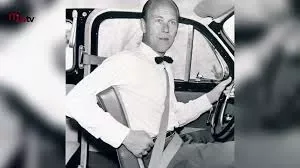
Nils Bohlin
Born17 Jul, 1920
Died26 Sep, 2002
NationalitySwedish
Age at time of death82
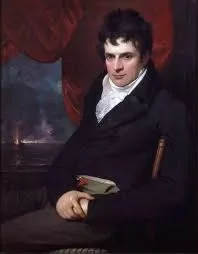
Robert Fulton
Born14 Nov, 1765
Died24 Feb, 1815
NationalityAmerican
Age at time of death49
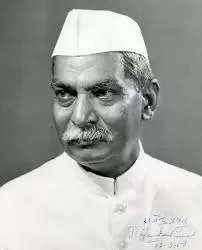
Rajendra Prasad
Born03 Dec, 1884
Died28 Feb, 1963
NationalityIndian
Age at time of death78
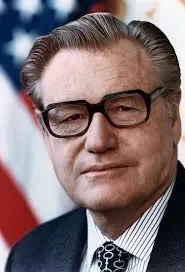
Nelson Rockefeller
Born08 Jul, 1908
Died26 Jan, 1979
NationalityAmerican
Age at time of death70
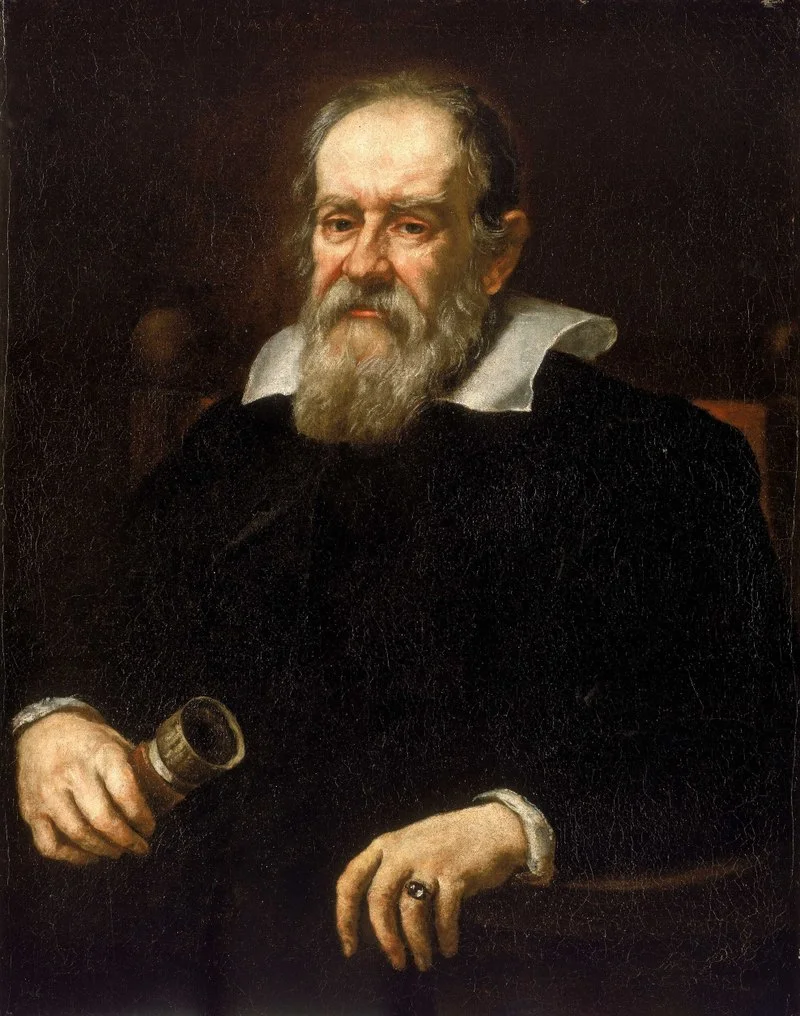
Galileo Galilei
Born15 Feb, 1564
Died08 Jan, 1642
NationalityItalian
Age at time of death77

Ethan Allen
Born21 Jan, 1738
Died12 Feb, 1789
NationalityAmerican
Age at time of death51
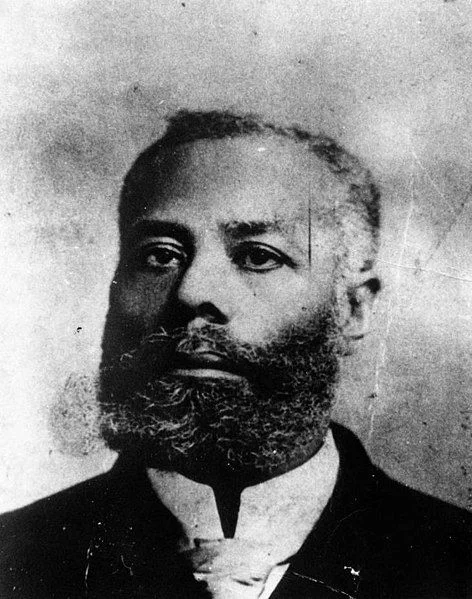
Elijah McCoy
Born02 May, 1844
Died10 Oct, 1929
NationalityCanadian, American
Age at time of death85
Whitcomb Judson
Born07 Mar, 1846
Died07 Dec, 1909
NationalityAmerican
Age at time of death63
Peter Goldmark
Born02 Dec, 1906
Died07 Dec, 1977
NationalityHungarian, American
Age at time of death71