Real Celebrities Never Die!
OR
Search For Past Celebrities Whose Birthday You Share
Died Age: 40
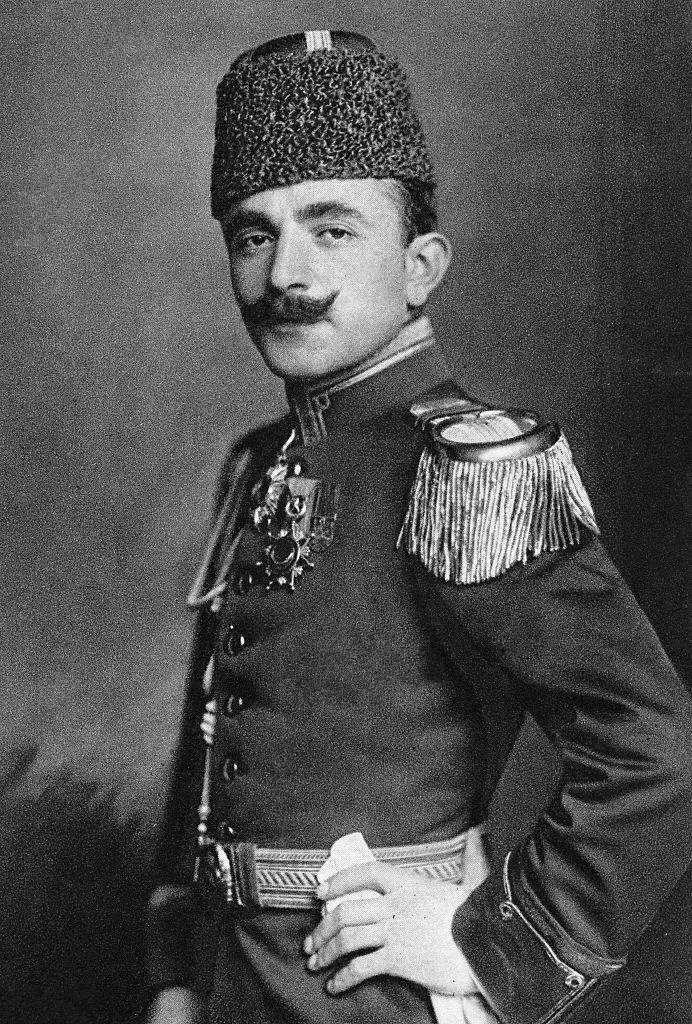
wikimedia.org
Ismail Enver
Birthday:
21 Nov, 1881
Date of Death:
04 Aug, 1922
Cause of death:
Killed in battle)
Nationality:
Ottoman (Turkish)
Famous As:
Military Officer
Age at the time of death:
40
Ismail Enver's Quote's

“Victory belongs to those who dare.”
Ismail Enver
🔗 deadcelebrityhub.com
Ismail Enver Pasha: Early Life and Education
Ismail Enver Pasha, better known as Enver Pasha, was a standout Ottoman military man, revolutionary, and politician whose life was packed with big dreams, tough debates, and wild twists. He came into the world on November 22, 1881, in Constantinople (what we now call Istanbul), Turkey, right as the Ottoman Empire was hitting some rocky times. His dad, Ahmet, kept things running as a civil servant, while his mom, Ayşe, brought some Albanian roots to the mix. Enver grew up with two brothers and two sisters, in a family that’d eventually watch him climb to some pretty high places. As a kid, Enver’s life shifted when his family moved to Manastır (now Bitola, North Macedonia) after his dad landed a job in the Department of Development. He started military high school there and later headed to Istanbul for the fancy Harbiyye-i Şahane, the Royal Military School. Sharp and hardworking, he finished ninth in his class and earned a spot at the General Staff School. Along the way, he picked up some bold ideas against Sultan Abdul Hamid II’s iron grip, stuff that hit home and nudged him toward shaking things up later on.
Personal Life
In 1914, Enver tied the knot with Emine Naciye Sultan, a niece of Sultan Mehmed V. That marriage plugged him right into the Ottoman royal crew and boosted his standing big time. It also sparked a rivalry with Mustafa Kemal Atatürk that spilled over into their big political plans. Even with those palace ties, Enver’s hunger for more often landed him in hot water and stirred up plenty of trouble.
Professional Career and Achievements
Enver kicked off his military days as a captain in Manastır after school. He got his hands dirty tracking down Bulgarian and Macedonian nationalist gangs, which fired up his love for the homeland. In 1906, he jumped in with the Committee of Union and Progress (CUP), a group tied to the Young Turks vibe. His part in the 1908 Young Turk Revolution turned him into a star for folks pushing for a fairer government. After that shake-up, he got sent to Berlin as a military attaché. He rolled back into Istanbul in 1913, fresh off leading a coup that put the CUP in charge. At just 32, he stepped up as Minister of War and joined the “Three Pashas” running the Ottoman show during World War I. He pushed the empire to team up with Germany and Austria-Hungary, but his battle plans—like the mess at Sarikamish in 1914 against Russia—often ended in disaster, with huge losses piling up. Enver was all in on Pan-Turkism, dreaming of pulling Turkic folks across Central Asia under one Ottoman banner. That idea fueled a lot of what he did, though it ruffled feathers both at home and out in the world.
Controversies and Major Contributions
Enver Pasha’s name is tied up tight with some heavy stuff. He had a big hand in the Armenian Genocide during World War I, signing off on moves that led to mass marches and killings of Armenians in Ottoman lands. He chalked it up to stopping supposed betrayals, but most historians see it as a cold, planned wipeout. Even with that shadow, Enver showed some real skill in shaking up the Ottoman army, leaning on German ways to modernize it. Taking back Edirne in the Balkan Wars stands out as one of his brighter moments.
Final Years and Death
Once World War I tanked for the Ottomans, Enver took off to Germany, then bounced to Soviet Russia in 1920. He started out playing nice with the Bolsheviks but soon flipped to join the Basmachi revolt against them in Central Asia. On August 4, 1922, near Dushanbe (now in Tajikistan), he got caught in a fight with Soviet troops under Yakov Melkumov and didn’t make it out—some say machine guns got him, others reckon Melkumov took him down up close. They buried him first near Ab-i-Derya, but in 1996, his body came back to Istanbul’s Monument of Liberty cemetery—a move that says a lot about Turkey’s mixed feelings on what he left behind.
Legacy
Ismail Enver Pasha is one of those figures people can’t agree on. Some Turks cheer him as a guy who battled for unity and change; others—especially Armenians—point to him as a genocide mastermind. His Pan-Turkism dream kept inspiring nationalists long after he was gone, but it also stirred up messes that still echo in Turkey’s story today.
Profile Snapshot
Name:
Ismail Enver
Popular Name:
Ismail Enver
Gender:
Male
Cause of Death:
Killed in battle)
Spouse:
Naciye Sultan
Place of Birth:
Constantinople (Istanbul), Ottoman Empire
Place of Death:
Near Baldzhuan, Tajikistan (then part of the Soviet Union)
Occupation / Profession:
Military Officer
Politician
Revolutionary Leader
Personality Type
Commander: Bold, imaginative and strong-willed leaders, always finding a way – or making one. Enver’s bold leadership, strategic vision, and commanding presence align with the “Commander” type, reflecting his decisive and ambitious nature.
Ismail Enver's Interesting Facts
After the Ottoman defeat, Enver fled into exile and later tried to spark a pan-Turkic revolution in Central Asia.
Enver Pasha played a crucial role in bringing the Ottoman Empire into World War I on the side of the Central Powers.
Enver was fluent in German and admired German military culture.
He was killed in 1922 in Tajikistan during a battle against the Soviet Red Army.
He was one of the principal figures responsible for the Armenian Genocide, during which over a million Armenians were systematically killed or displaced.
Ismail Enver Pasha was an Ottoman military officer and one of the key leaders of the Young Turk movement.
Achievements & Awards
Became Minister of War in 1914.
Commanded the Ottoman Third Army during World War I.
Led the Young Turk Revolution in 1908.
Promoted to Pasha rank in 1914.
Received the Order of Osmanieh for military service.
External Links
Additional Links
https://www.armenian-genocide.org/enver.htmlhttps://www.britannica.com/biography/Enver-Pasahttps://www.dailysabah.com/portrait/2016/08/20/enver-pasha-hero-or-villainhttps://www.encyclopedia.com/international/encyclopedias-almanacs-https://www.geni.com/people/Ismail-Enver-Pascha/6000000016744244117transcripts-and-maps/enver-ismail https://turkeyswar.com/whoswho/enver/
Latest Profiles
People also viewed
Gerald Ford
Born14 Jul, 1913
Died26 Dec, 2006
NationalityAmerican
Age at time of death93
Colonel Sir Benjamin Thompson, Count Rumford
Born26 Mar, 1753
Died21 Aug, 1814
NationalityAmerican, British
Age at time of death61
James Stewart
Born20 May, 1908
Died02 Jul, 1997
NationalityAmerican
Age at time of death89
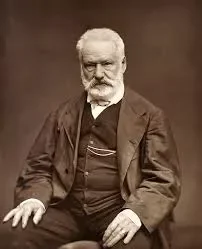
Victor Hugo
Born26 Feb, 1802
Died22 May, 1885
NationalityFrench
Age at time of death83
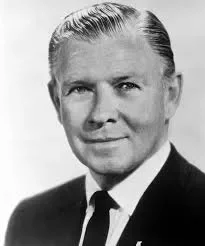
George Murphy
Born04 Jul, 1902
Died03 May, 1992
NationalityAmerican
Age at time of death89
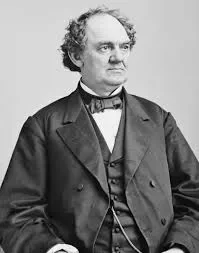
P. T. Barnum
Born05 Jul, 1810
Died07 Apr, 1891
NationalityAmerican
Age at time of death80
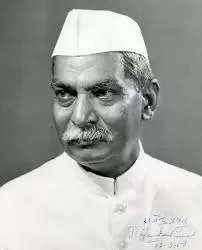
Rajendra Prasad
Born03 Dec, 1884
Died28 Feb, 1963
NationalityIndian
Age at time of death78
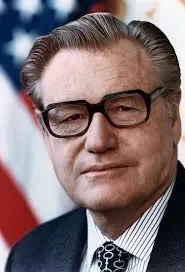
Nelson Rockefeller
Born08 Jul, 1908
Died26 Jan, 1979
NationalityAmerican
Age at time of death70

Ethan Allen
Born21 Jan, 1738
Died12 Feb, 1789
NationalityAmerican
Age at time of death51
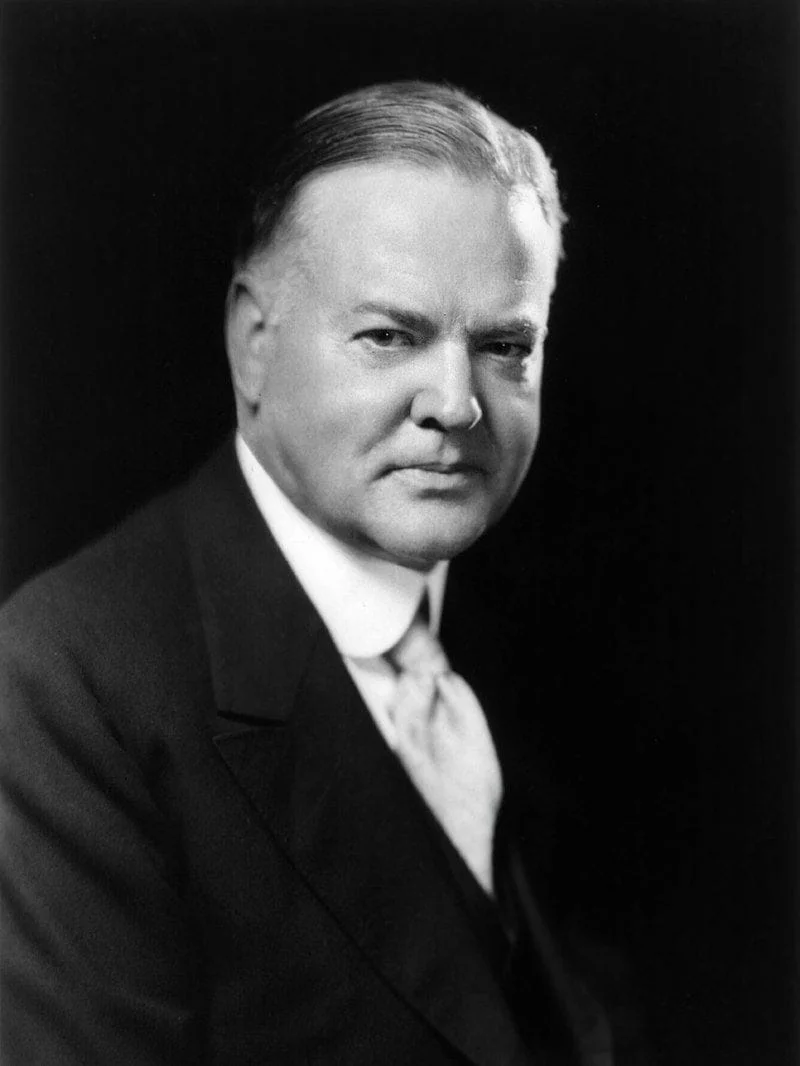
Herbert Hoover
Born10 Aug, 1874
Died20 Oct, 1964
NationalityAmerican
Age at time of death90
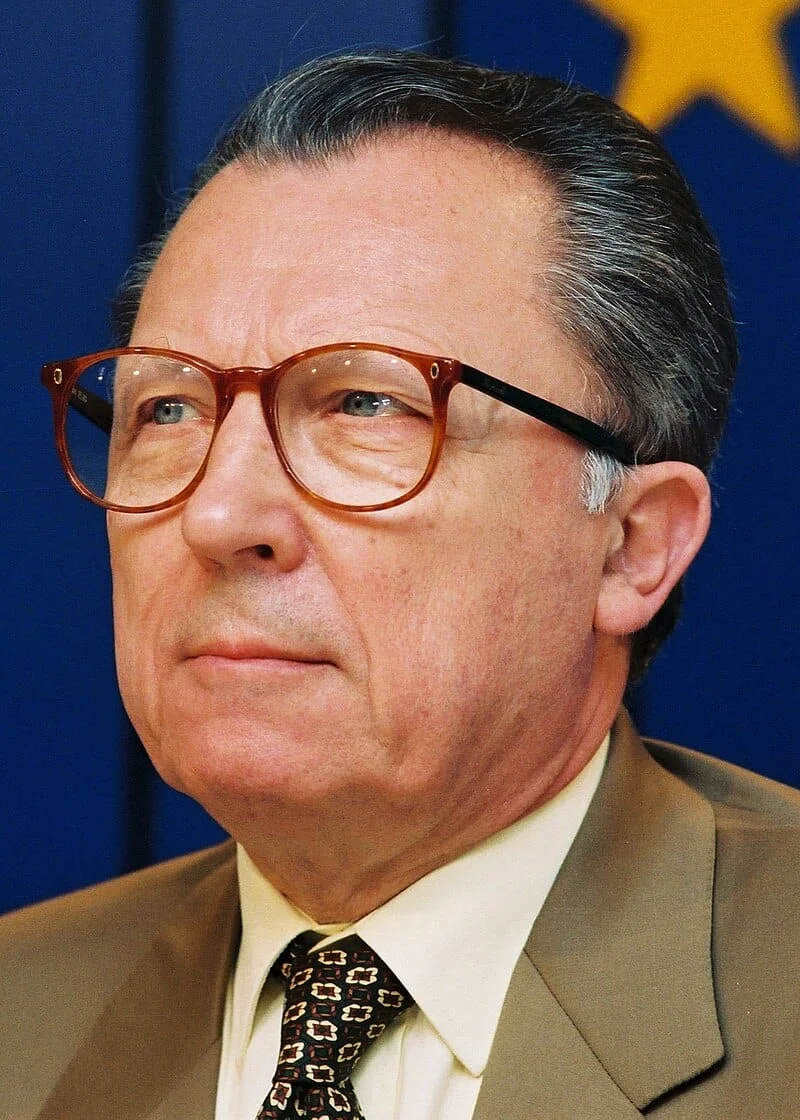
Jacques Delors
Born20 Jul, 1925
Died27 Dec, 2023
NationalityFrench
Age at time of death98
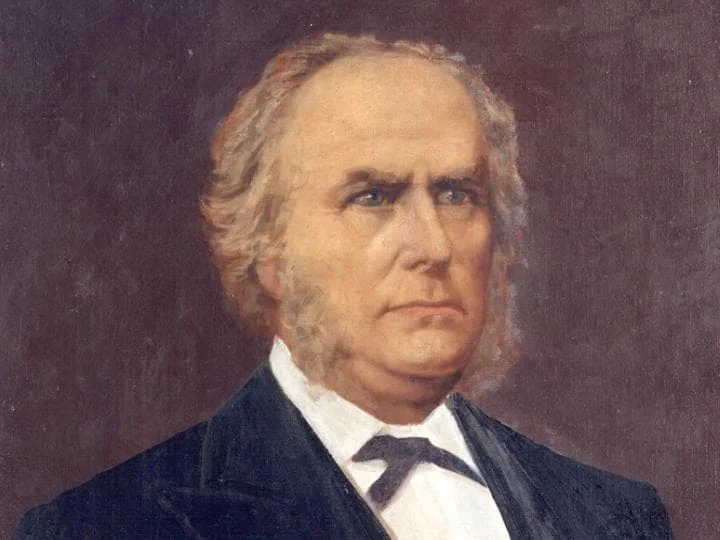
James Harrison
Born17 Apr, 1816
Died03 Sep, 1893
NationalityScottish,Australian
Age at time of death77
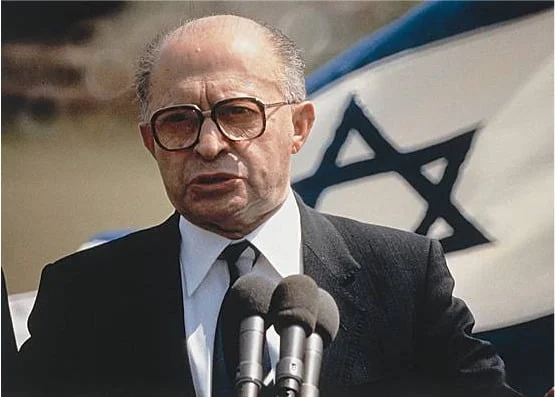
Menachem Begin
Born16 Aug, 1913
Died09 Mar, 1992
NationalityIsraeli
Age at time of death78
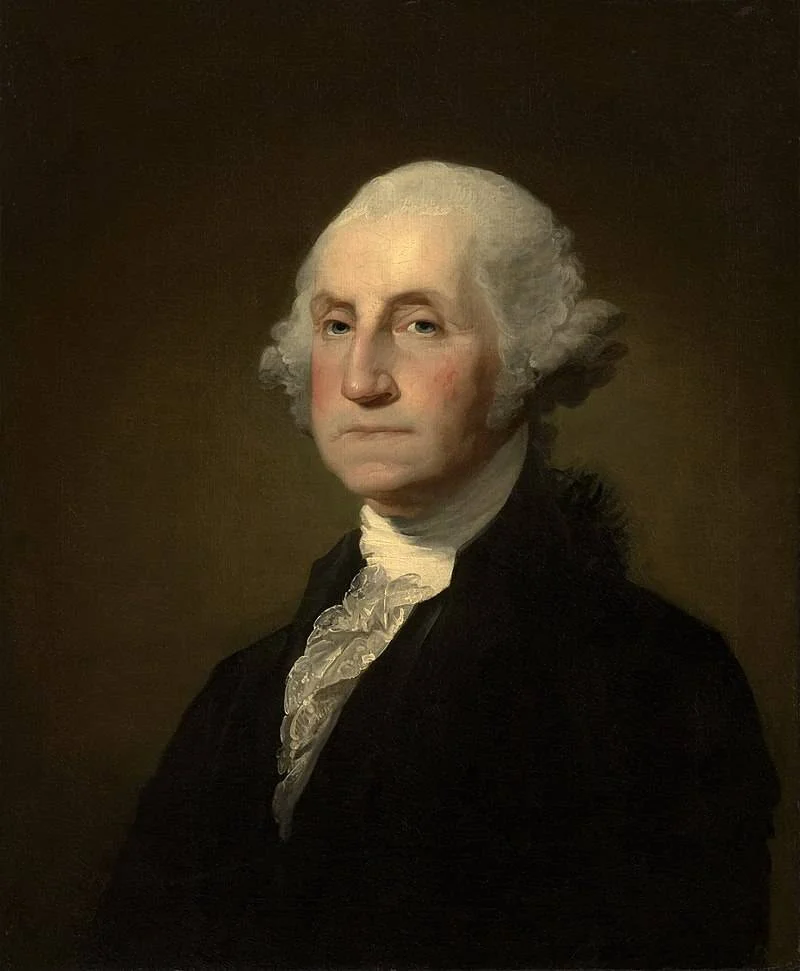
George Washington
Born22 Feb, 1732
Died14 Dec, 1799
NationalityAmerican
Age at time of death67
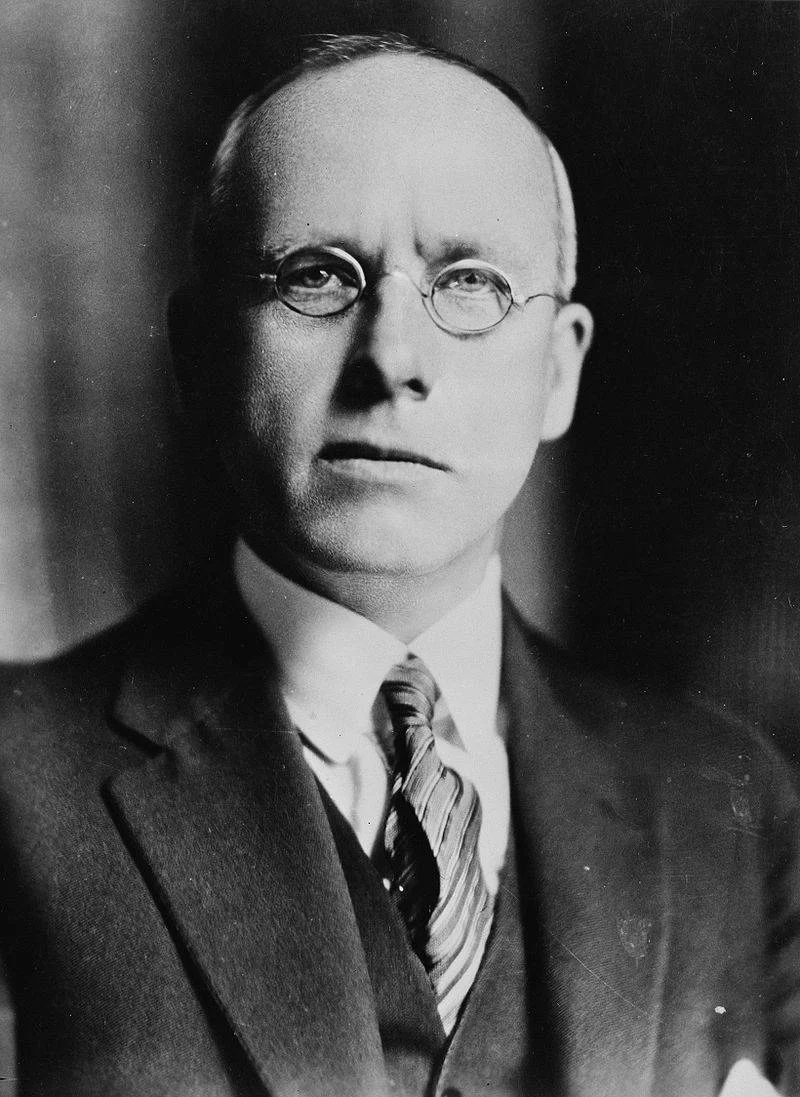
Peter Fraser
Born28 Aug, 1884
Died12 Dec, 1950
NationalityNew Zealand
Age at time of death66
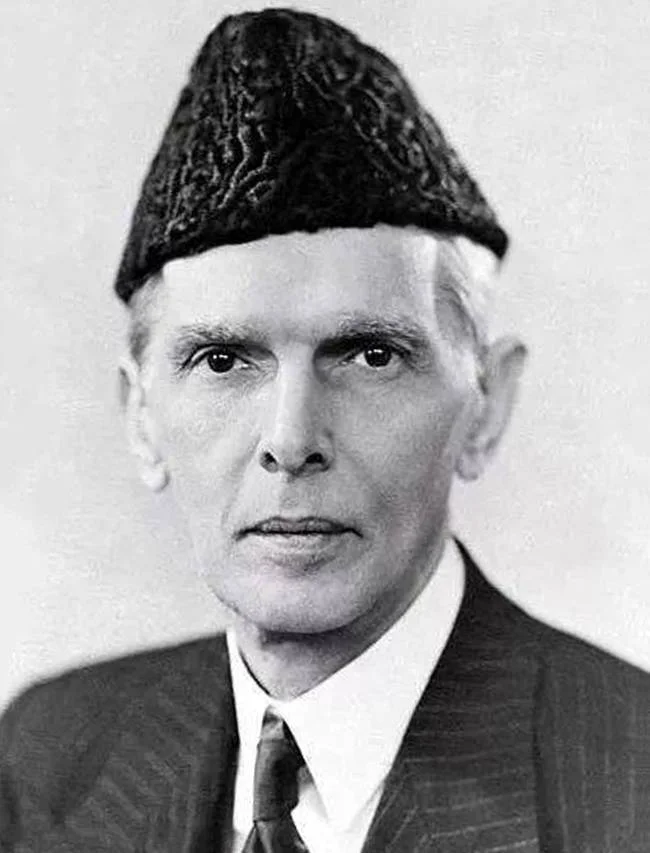
Muhammad Ali Jinnah
Born25 Dec, 1876
Died11 Sep, 1948
NationalityPakistani
Age at time of death71
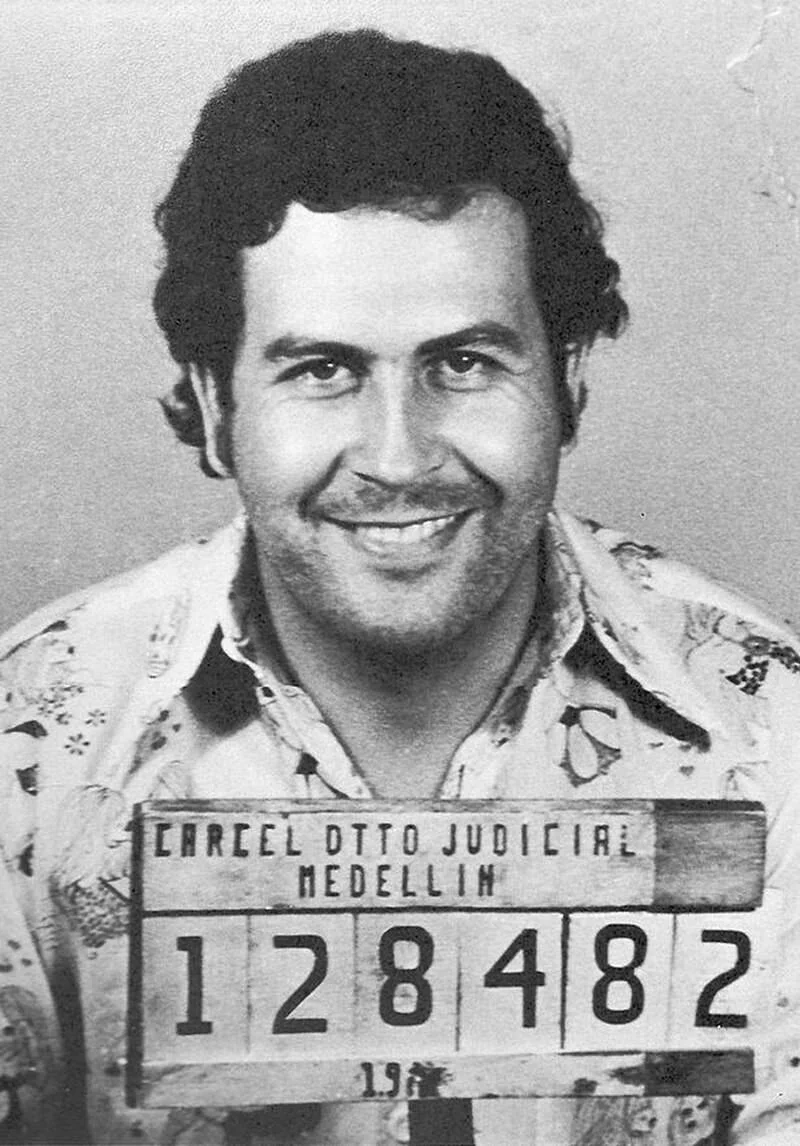
Pablo Escobar
Born01 Dec, 1949
Died02 Dec, 1993
NationalityColombian
Age at time of death44
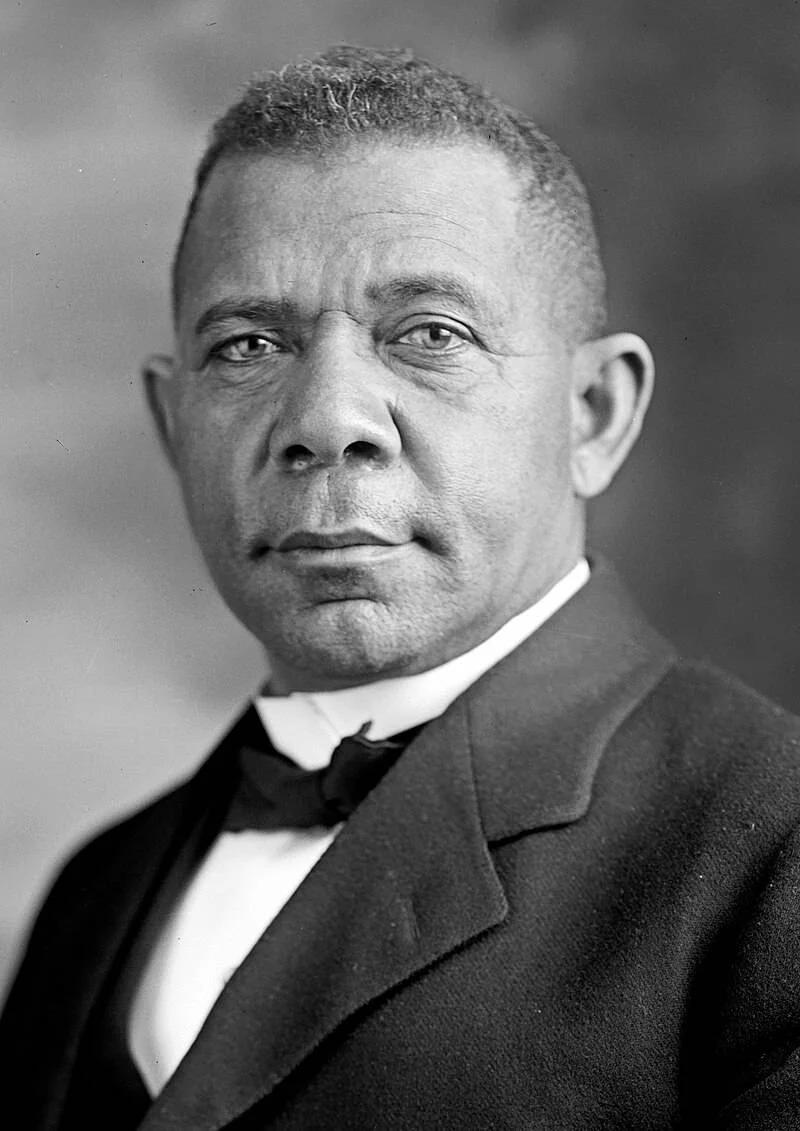
Booker T. Washington
Born05 Apr, 1856
Died14 Nov, 1915
NationalityAmerican
Age at time of death59
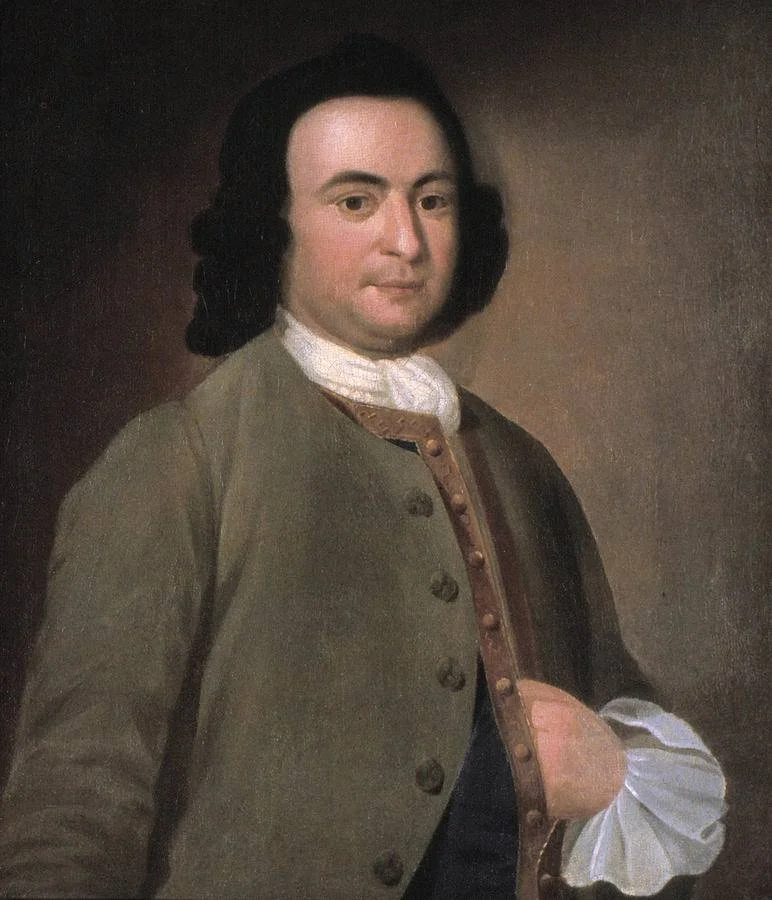
George Mason
Born11 Dec, 1725
Died07 Oct, 1792
NationalityAmerican, British
Age at time of death66
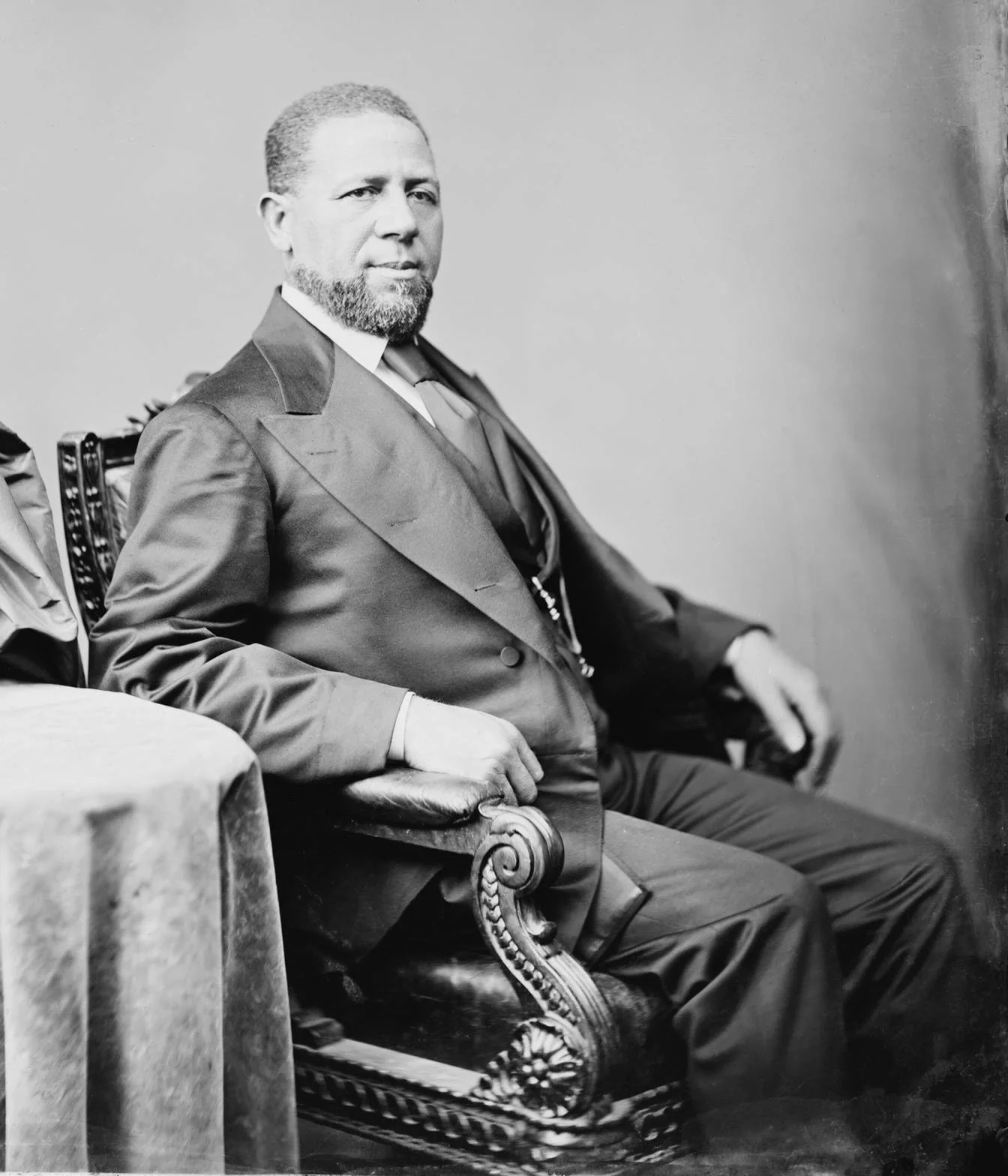
Hiram R. Revels
Born27 Sep, 1827
Died16 Jan, 1901
NationalityAmerican
Age at time of death73