Real Celebrities Never Die!
OR
Search For Past Celebrities Whose Birthday You Share
Died Age: 94

www.britannica.com
Ivan Klíma
Birthday:
13 Sep, 1931
Date of Death:
03 Oct, 2025
Cause of death:
Natural Causes
Nationality:
Czech
Famous As:
Czech novelist
Age at the time of death:
94
Ivan Klíma's Quote's

“Freedom is the most precious thing we have, yet it is also the most fragile.”
Ivan Klíma
🔗 deadcelebrityhub.com
Early Life: A Childhood Shaped by History
Ivan Klíma is a writer whose life and work bridge history, memory, and the resilience of the human spirit. Emerging from the shadows of totalitarianism, he has chronicled both the horrors and the quiet triumphs of ordinary people, transforming personal and collective experience into literature that resonates across generations.
Ivan Klíma was born in 1931 in Prague, Czechoslovakia, into a Jewish family that valued culture, learning, and humanistic ideals. His early years were marked by the joys of family and education, but also by the looming presence of political unrest.
World War II changed everything. Klíma’s parents were sent to concentration camps, leaving him in the care of relatives and facing the harsh realities of persecution. The trauma of his youth would leave an indelible mark on his psyche, instilling in him a deep understanding of survival, loss, and moral complexity.
Education: Formative Years in a Changing World
After the war, Klíma returned to Prague and pursued studies in philosophy and literature, seeking to understand the human condition that had shaped his own life. He studied under the intellectual currents of postwar Czechoslovakia, absorbing both Western literary traditions and the philosophical reflections born from a continent scarred by war.
His education was not just academic; it was a moral apprenticeship. He learned to observe, question, and reflect—the skills that would become hallmarks of his writing.
Early Career: Writing Amid Oppression
In the 1950s and 60s, Klíma began writing essays, novels, and plays. He navigated the oppressive constraints of a Communist regime, learning to balance truth and subtlety, to express dissent without courting censorship.
His early works explored themes of personal conscience, freedom, and the tension between individual ethics and societal demands. Even under political scrutiny, he cultivated a voice of clarity, empathy, and moral insight, gradually establishing himself as a writer of profound depth.
Major Achievements: Chronicler of Memory and Humanity
Klíma’s career gained international recognition for its honesty, intellect, and moral courage. Novels such as Love and Garbage and My Golden Trades combined personal experience with philosophical reflection, portraying life under totalitarian rule while exploring universal questions of love, duty, and human dignity.
His work is celebrated for its clarity, humor, and humanity. Readers encounter a narrator who is at once skeptical and compassionate, a writer who observes the absurdity and tragedy of life without losing empathy.
Klíma also contributed essays, theater pieces, and journalism, often examining the moral dilemmas of everyday life and the burdens of history. His work transcends national boundaries, offering insight into the resilience of people living under oppression.
Later Career: Witness, Mentor, and Voice of Conscience
Even after the fall of communism in 1989, Klíma continued to write with keen insight, reflecting on the ethical and historical questions that remained. He participated in literary and intellectual circles, mentoring younger writers and speaking on the role of literature in preserving memory and moral responsibility.
His voice remains a bridge between past and present, reminding readers of the need to confront history honestly and to recognize the moral choices that define ordinary lives.
Personal Life: Private, Reflective, and Committed
Klíma’s life has been marked by humility and thoughtfulness. Though he experienced extreme adversity, he cultivated relationships, family life, and a reflective domestic world. He values conversation, intellectual curiosity, and the quiet joys of daily life, balancing his public work with a private dedication to observation, reflection, and ethical living.
Legacy: A Writer Who Bears Witness
Ivan Klíma’s legacy lies in his ability to transform personal and historical experience into literature that resonates universally. He is a chronicler of conscience, an artist who illuminates the human spirit even in its darkest moments. His works serve as both testimony and inspiration, reminding readers that literature can bear witness, educate, and foster empathy.
Ivan Klíma is remembered as a moral and literary guide, a writer whose life and work embody the courage to observe, the honesty to confront truth, and the compassion to honor the human experience.
Profile Snapshot
Name:
Ivan Klíma
Popular Name:
Ivan Klíma
Gender:
Male
Cause of Death:
Natural Causes
Spouse:
Helena Mala
Place of Birth:
Prague, Czech Republic
Place of Death:
Prague, Czech Republic
Occupation / Profession:
Czech novelist
Playwright
Personality Type
Mediator: Ivan Klíma appears as a sensitive, morally driven and deeply reflective artist — a compassionate idealist whose personal suffering and ethical convictions shaped a lifetime of literary work aimed at bearing witness to human dignity, injustice and resilience in the face of oppression.
Ivan Klíma's Interesting Facts
Ivan Klíma is a Czech novelist and playwright whose works often explore the moral and emotional aftermath of the Holocaust.
He spent part of his childhood in the Theresienstadt and Auschwitz concentration camps.
Klíma was a signatory of Charter 77, a human rights manifesto criticizing the Czechoslovak government.
His writing often blends personal memory with historical events, creating deeply reflective and philosophical narratives.
Achievements & Awards
Ivan Klíma received the Franz Kafka Prize in 2002 for his exceptional contributions as a contemporary writer.
That same year, he was honored with the Medal for Outstanding Service to the Czech Republic.
Later, in 2010, his memoir My Crazy Century won the Magnesia Litera Award in the non-fiction category.
External Links
Additional Links
Latest Profiles
People also viewed
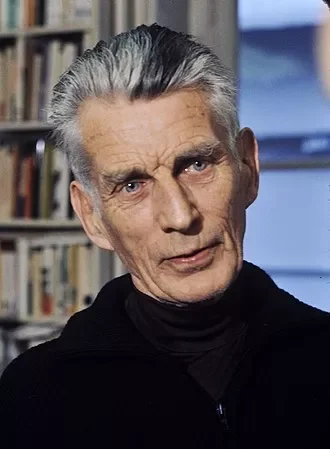
Samuel Beckett
Born13 Apr, 1906
Died22 Dec, 1989
NationalityIrish
Age at time of death83
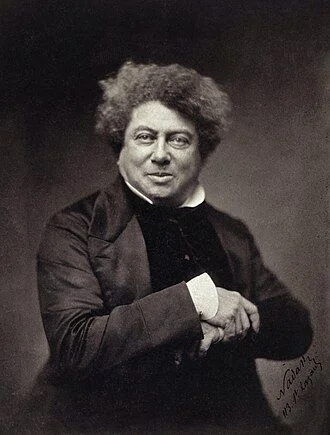
Alexandre Dumas
Born24 Jul, 1802
Died05 Dec, 1870
NationalityFrench
Age at time of death68
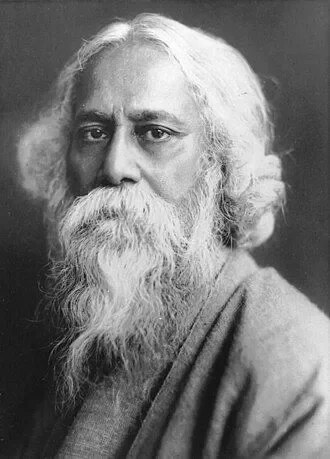
Rabindranath Tagore
Born07 May, 1861
Died08 Aug, 1941
NationalityIndian
Age at time of death80
George Trow
Born28 Sep, 1943
Died24 Nov, 2006
NationalityAmerican
Age at time of death63
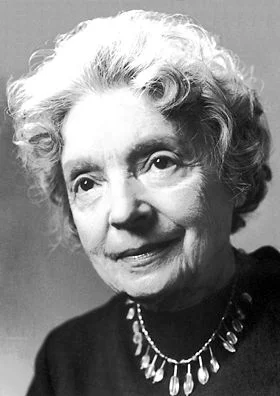
Leonie Nelly Sachs
Born10 Dec, 1891
Died12 May, 1970
NationalityGerman, Swedish
Age at time of death78
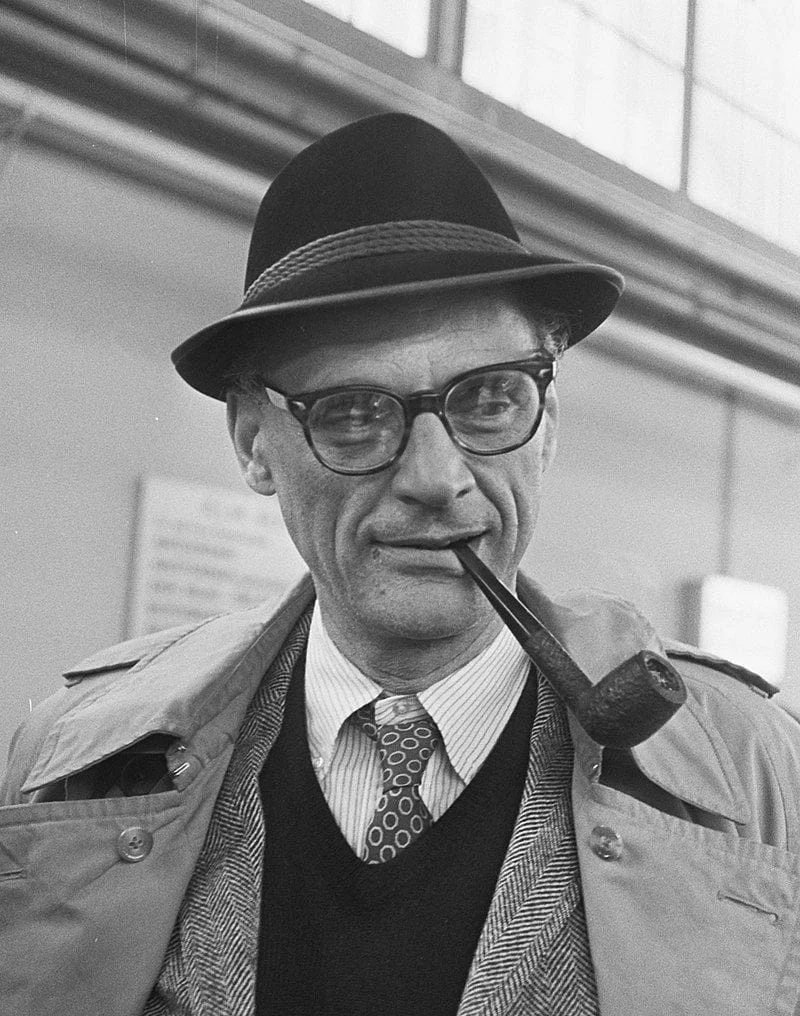
Arthur Miller
Born17 Oct, 1915
Died10 Feb, 2005
NationalityAmerican
Age at time of death89
Fay Weldon
Born22 Sep, 1931
Died04 Jan, 2023
NationalityBritish
Age at time of death91
Zoe Akins
Born30 Oct, 1886
Died29 Oct, 1958
NationalityAmerican
Age at time of death71
William Shakespeare
Born23 Apr, 1564
Died23 Apr, 1616
NationalityBritish
Age at time of death52
Richard Rodgers
Born28 Jun, 1902
Died30 Dec, 1979
NationalityAmerican
Age at time of death77
Norman Mailer
Born31 Jan, 1923
Died10 Nov, 2007
NationalityAmerican
Age at time of death84
Johann Wolfgang Goethe
Born28 Aug, 1749
Died22 Mar, 1832
NationalityGerman
Age at time of death82
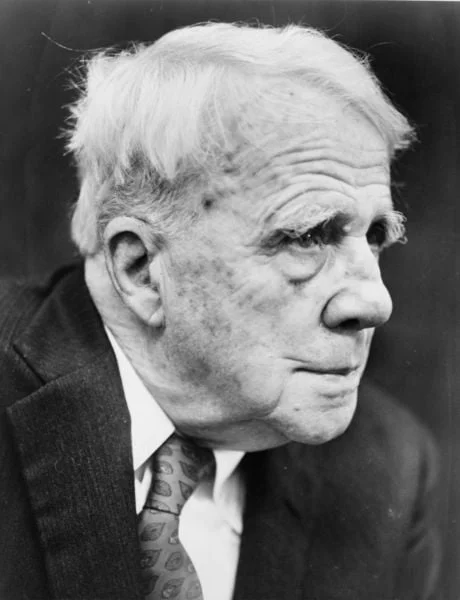
Robert Frost
Born26 Mar, 1874
Died29 Jan, 1963
NationalityAmerican
Age at time of death88
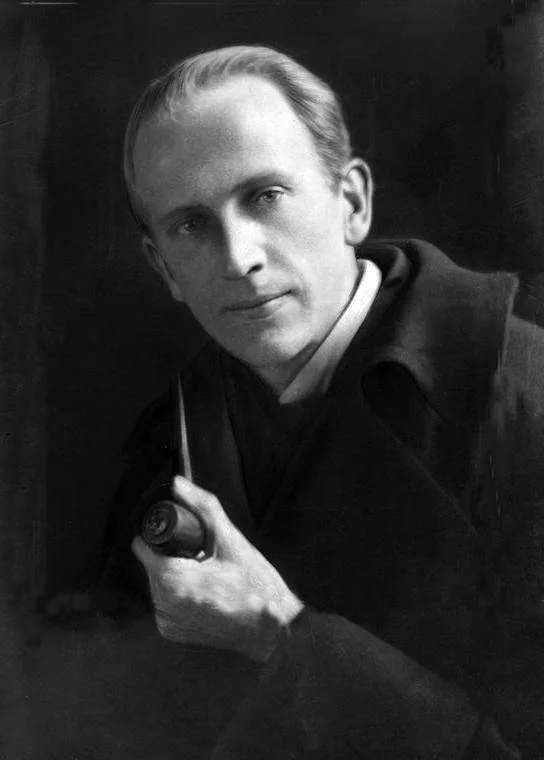
A. A. Milne
Born18 Jan, 1882
Died31 Jan, 1956
NationalityBritish
Age at time of death74
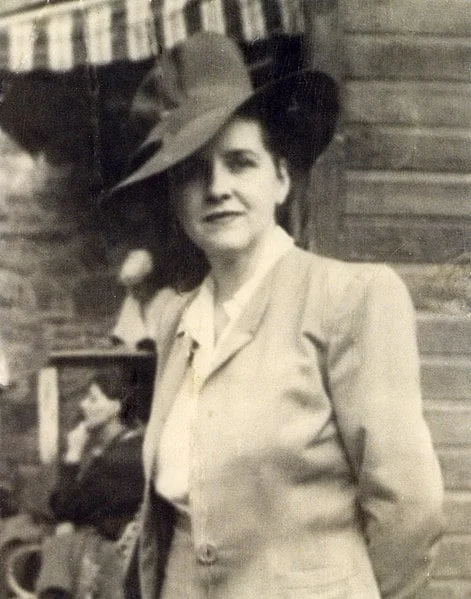
Mary Chase
Born25 Feb, 1906
Died20 Oct, 1981
NationalityAmerican
Age at time of death75
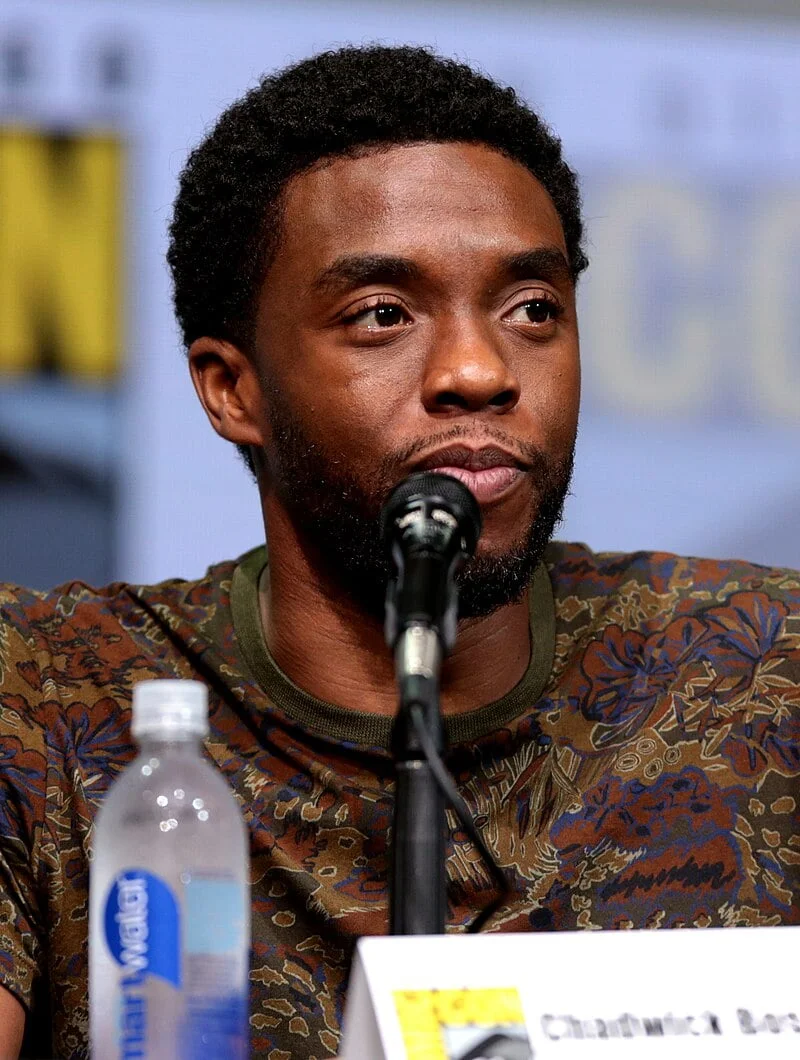
Chadwick Boseman
Born29 Nov, 1976
Died28 Aug, 2020
NationalityAmerican
Age at time of death43
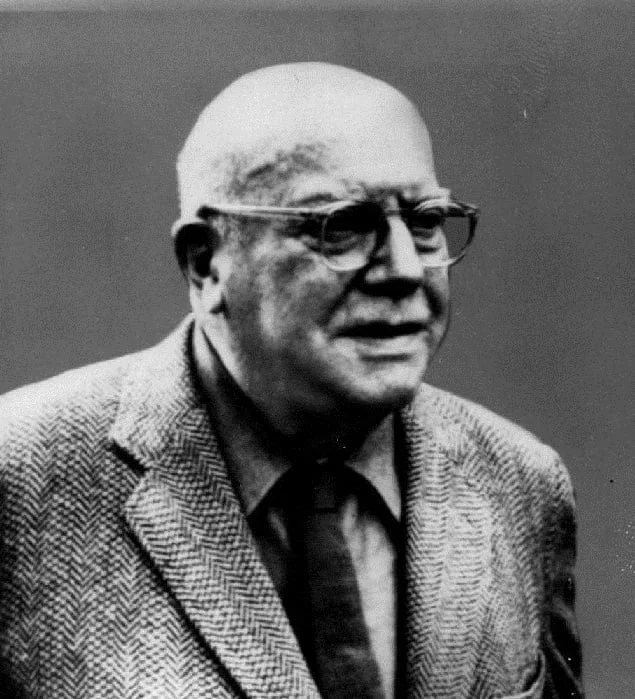
Conrad Aiken
Born05 Aug, 1889
Died17 Aug, 1973
NationalityAmerican
Age at time of death84
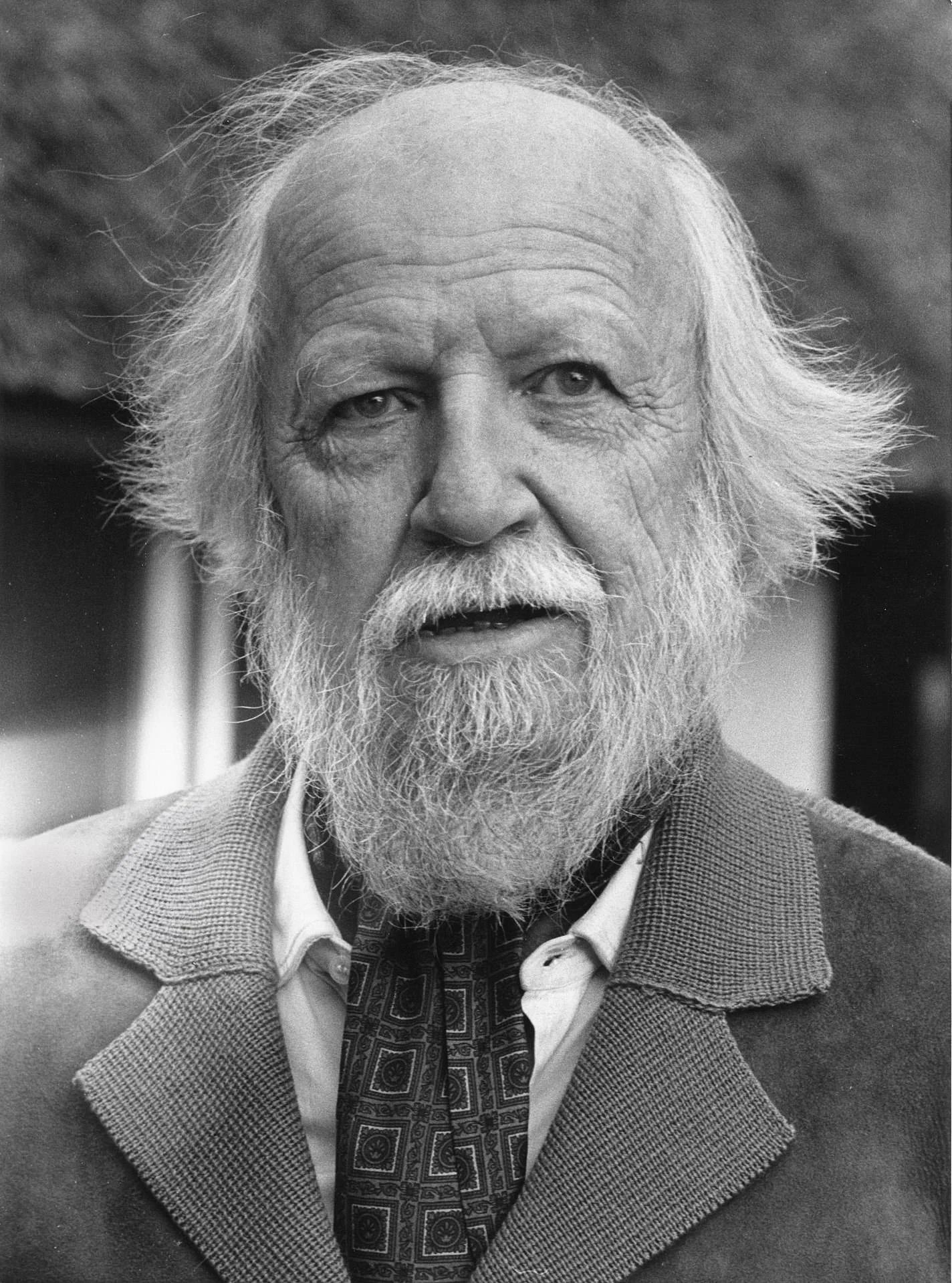
William Golding
Born19 Sep, 1911
Died19 Jun, 1993
NationalityBritish
Age at time of death81
Iván García Guerra
Born26 Feb, 1938
Died22 Mar, 2025
NationalityDominican
Age at time of death87
Claire van Kampen
Born03 Nov, 1953
Died18 Jan, 2025
NationalityBritish
Age at time of death71