Real Celebrities Never Die!
OR
Search For Past Celebrities Whose Birthday You Share
Died Age: 83
pirecordings.com
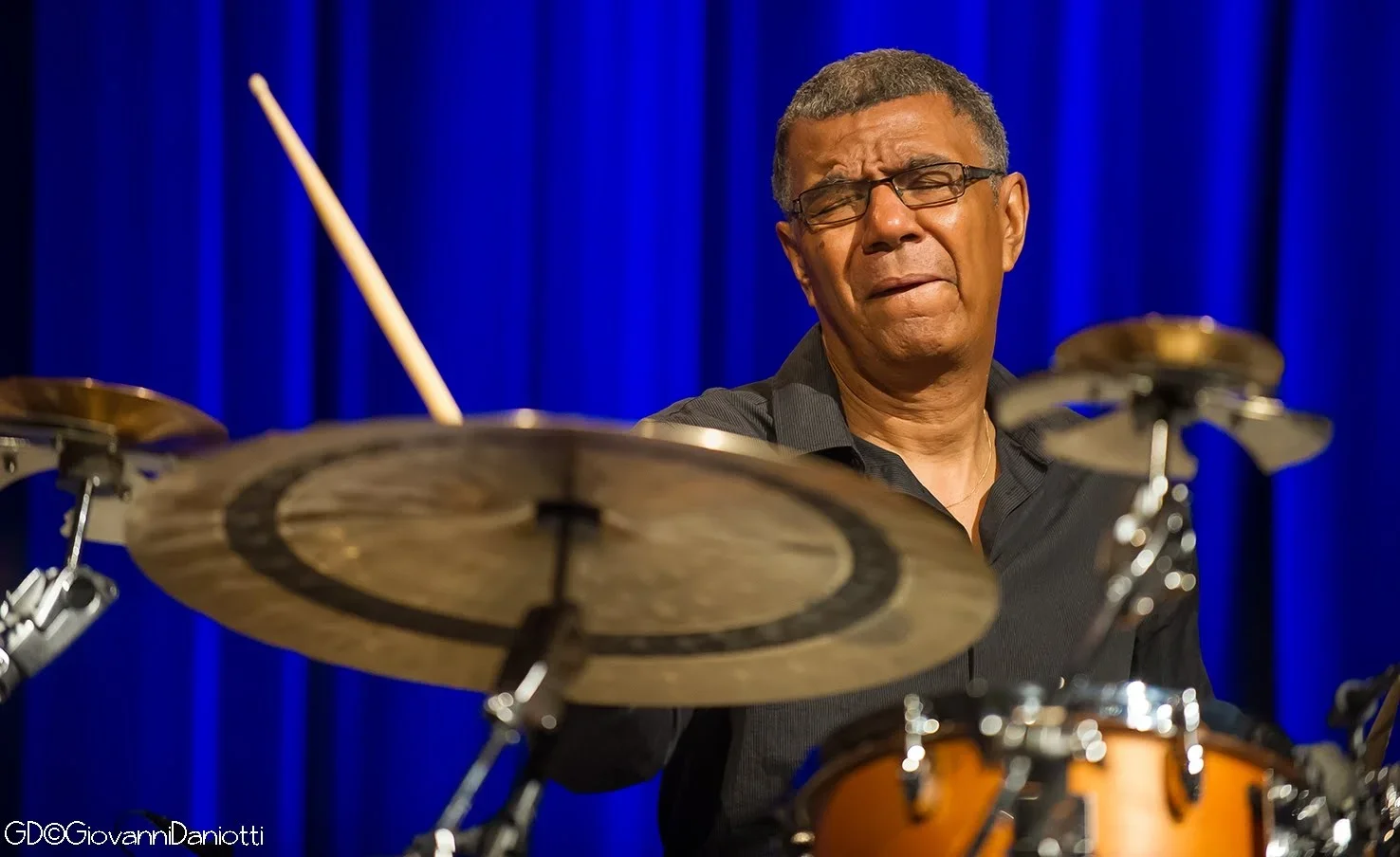
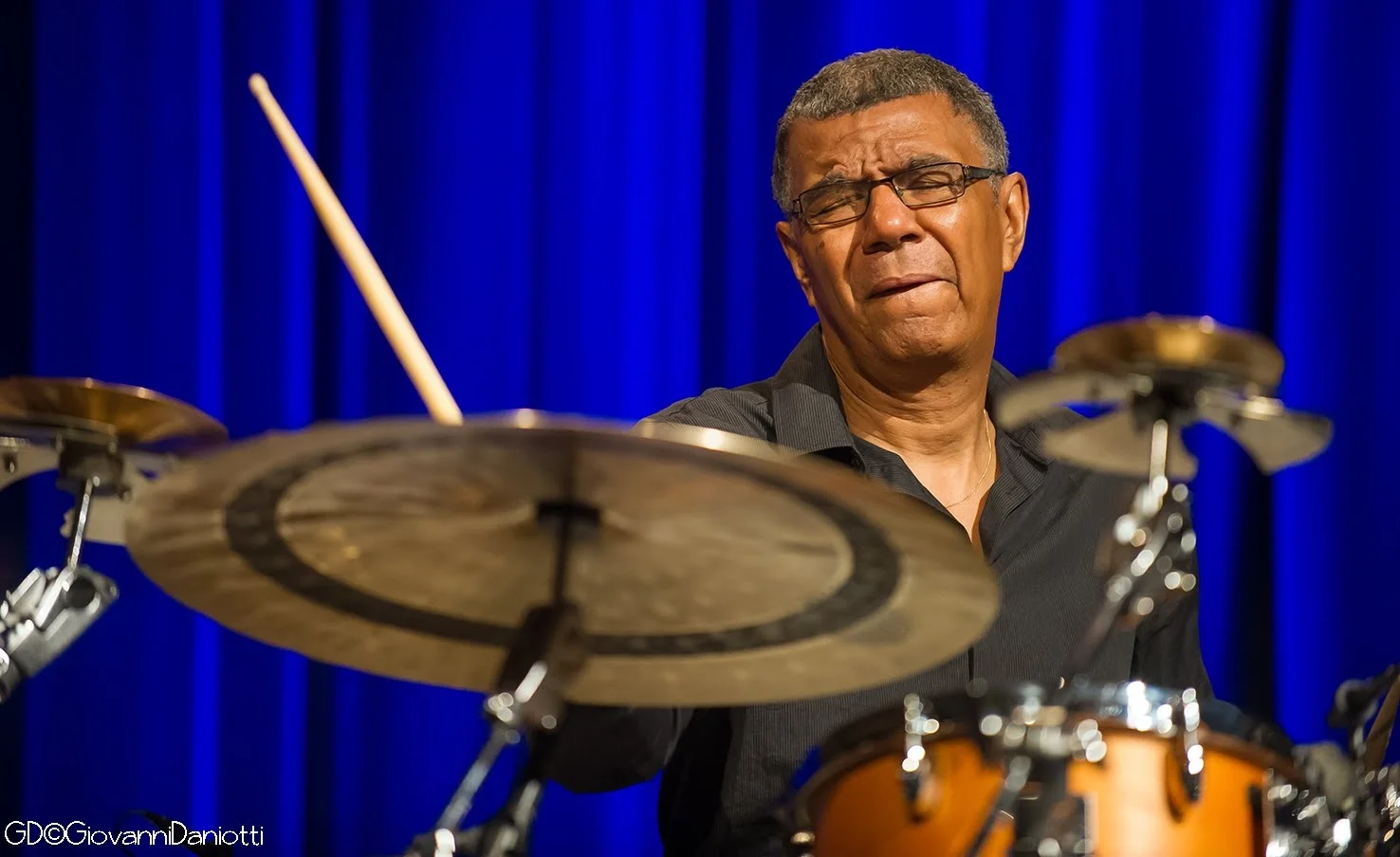
Jack DeJohnette
Birthday:
08 Aug, 1942
Date of Death:
25 Oct, 2025
Cause of death:
Congestive heart failure
Nationality:
American
Famous As:
Composer.
Age at the time of death:
83
Jack DeJohnette Jr's Quote's
“The best gift that I have is the ability to listen — not only listen audibly but also listen with my heart.”
Jack DeJohnette Jr
🔗 deadcelebrityhub.com
Early Life: Roots in Rhythm and Melody
From the South Side of Chicago to the global stages of jazz, Jack DeJohnette’s life reads like a masterwork: rich, nuanced, and unafraid to reinvent itself. A pianist in childhood, a drummer by destiny, and a musical chameleon across decades — DeJohnette embodied a rare combination of instinctive groove and profound musicality. He wasn’t just a sideman or a bandleader; he was a storyteller behind the drums and keys, quietly shaping the sound of modern jazz and beyond.
Jack was born on August 9, 1942, in Chicago, to parents Jack DeJohnette Sr. and Eva Jeanette Wood. He spent much of his childhood under the care of his grandmother, Rosalie Ann Wood, after his mother returned to Chicago, and it was in that home, on Chicago’s South Side, that the seeds of his musical life were planted. His grandmother purchased a Wurlitzer spinet, and around age five, he began formal piano lessons.
Music seeped naturally into his upbringing. His uncle — a jazz-loving radio DJ — filled the house with records by legends like Duke Ellington and Billie Holiday. Young Jack absorbed it all. He once said that to him music was one integrated tapestry — opera, country, jazz, rhythm and blues — he never felt the need to separate them.
That early openness would prove to be the root of a lifetime of musical adventurousness.
Education and Musical Awakening
For about ten years, Jack studied classical piano, giving him a foundation of discipline, ear training, and melodic sensitivity. But by his early teens, a new calling emerged: the drums. At 14, he formally joined his high school’s concert band. Not long after, he began teaching himself — often practising drums and piano daily for hours on end.
By the time he graduated high school in 1961, he was already a known face in Chicago’s energetic jazz and rhythm-and-blues scene. His musical upbringing — classical piano discipline combined with a wide-ranging listening experience — gave him not only technical flexibility but also a deep appreciation for the many shades of sound. That blend would define his career.
Career Journey: From Chicago Clubs to Global Jazz Stages
Early Career: Chicago’s Jazz Underground (1960s)
In the early 1960s, Jack picked up both piano and drums in various local bands — sometimes singing vocals in doo-wop groups, sometimes playing acoustic bass in dance bands, and sometimes playing both piano and drums, which became a distinctive triple-threat musical presence. He worked among the innovators of what would become the Association for the Advancement of Creative Musicians (AACM), and even sat in with the band of Sun Ra.
One night, while a club residency by John Coltrane was underway, the regular drummer was late — Jack filled in for three numbers, as a teenager still cutting his teeth. It was a foreshadowing of his innate readiness: to step in, to adapt, to rise.
Breaking Through: New York, Charles Lloyd & the Fusion Moment (Mid-1960s to Early 1970s)
In 1966, Jack moved to New York City and joined the Charles Lloyd Quartet, a group at the forefront of jazz-rock fusion. There he met a young pianist, Keith Jarrett — a musical relationship that would last nearly four decades.
By 1968, he was working with the trio of legendary jazz pianist Bill Evans, performing at festivals such as Montreux. Soon after, he landed with the revolutionary Miles Davis — a turning point that would both elevate his career and reshape jazz itself. On albums like Bitches Brew, DeJohnette laid down grooves so supple and penetrating, Davis would later credit him as giving the “deep groove” that allowed his electric experiments to soar.
This period demanded more than technical proficiency — it demanded boldness and intuition. Jack brought both.
Emerging Voice: Bandleader, Composer, Innovator (1970s–1980s)
While still collaborating with jazz giants, Jack steadily carved out his own voice. In 1968, he released his first album as a leader, The DeJohnette Complex — where he played melodica as well as drums — signalling that he was not content to simply back others. He formed bands like New Directions and Special Edition, gathering bold and forward-thinking musicians.
When he signed with the pioneering label ECM Records, his experimentation deepened: albums blended jazz, world music, avant-garde, and ambient textures — frequently featuring not just drumming, but piano, synthesisers, and compositions. It was during this time that he began to be recognised not merely as a drummer but as a complete musical architect.
The Long Haul: Trio Years, Global Influence & Mature Reflection (1980s–2020s)
In 1983, Jack reunited with Keith Jarrett — and bassist Gary Peacock — for what became the legendary Standards Trio. Over more than three decades, the trio created some of the most beloved small-group jazz recordings, characterised by intuitive interplay and emotional depth.
Beyond the trio, Jack never stopped evolving. He explored ambient and meditative soundscapes, winning a Grammy for the album Peace Time. In the 2020s, he added another Grammy for Skyline — showing that even in his later years, his creative flame burned bright.
Always curious, always listening. He once described his gift as not just hearing, but “listening with his heart,” treating every piece of his drum kit like its own musical being — tuned to harmonise like an orchestra.
Personal Life: The Man Behind the Drums
Offstage, Jack was described as thoughtful and grounded. He married his second wife, Lydia, in 1968; the couple had two daughters, Farah and Minya. Though a towering presence on stage, at home he embraced tranquillity — often reflecting on music’s power to connect people.
He appreciated the breadth of music beyond jazz: classical roots, R&B, blues, and world music. That wide listening never left him. He was, in a sense, a musical citizen of the world.
Legacy: What Jack Left Behind
Jack DeJohnette’s legacy isn’t confined to a list of albums or collaborations — though there are many. Rather, it lies in the spirit he brought to every note: curiosity, openness, respect for musical tradition, willingness to push boundaries, and an unshakeable belief in music as communal language.
He proved that a drummer can also be a composer, pianist, bandleader, and composer of moods; that jazz could absorb rock, world music, and ambient textures — and remain rooted in feeling. Younger generations of musicians and listeners carry forward his ethic: that music is vast, inclusive, and boundless.
When he passed away in 2025, the world lost one of its great rhythmic visionaries — but his sound lives on: in recordings, in the influence felt across jazz and beyond, and in the hearts of those who believe music can be, above all, human.
Jack DeJohnette reminded us: musicians don’t just play notes but tell stories, evoke emotions, and build bridges between hearts. His was a life beautifully, profoundly lived.
Profile Snapshot
Name:
Jack DeJohnette Jr
Popular Name:
Jack DeJohnette
Gender:
Male
Cause of Death:
Congestive heart failure
Spouse:
Lydia (Herman) DeJohnette
Place of Birth:
Chicago, Illinois, United States
Place of Death:
Kingston, New York, United States
Occupation / Profession:
Composer.
Jazz drummer
Pianist
Personality Type
Mediator: Jack DeJohnette carried a calm, open-hearted curiosity into everything he played, blending humility, adventurous spirit, and deep listening into a personality as warm and expansive as his music.
Jack DeJohnette Jr's Interesting Facts
He originally trained as a classical pianist before becoming a drummer, which deeply shaped his melodic and harmonic approach.
He often described his drum kit as an “orchestra,” tuning each piece to create a unique tonal palette.
His ambient album Peace Time is a single, hour-long composition — an unusual format for a drummer.
Achievements & Awards
Jack DeJohnette earned some of the highest honours in jazz, including multiple Grammy Awards — notably for Peace Time and Skyline. He was named an NEA Jazz Master in 2012, cementing his status as one of the most influential drummers of his generation.
Over the years, he frequently topped critics’ polls in major jazz publications and became celebrated not only as a drummer but also as a composer, pianist, and bandleader.
His long-running collaborations with artists like Miles Davis, Keith Jarrett, and Charles Lloyd showcased his remarkable versatility and global impact.
External Links
Additional Links
Latest Profiles
People also viewed
Nina Simone
Born21 Feb, 1933
Died21 Apr, 2003
NationalityAmerican
Age at time of death70
Liberace
Born16 May, 1919
Died04 Feb, 1987
NationalityAmerican
Age at time of death67
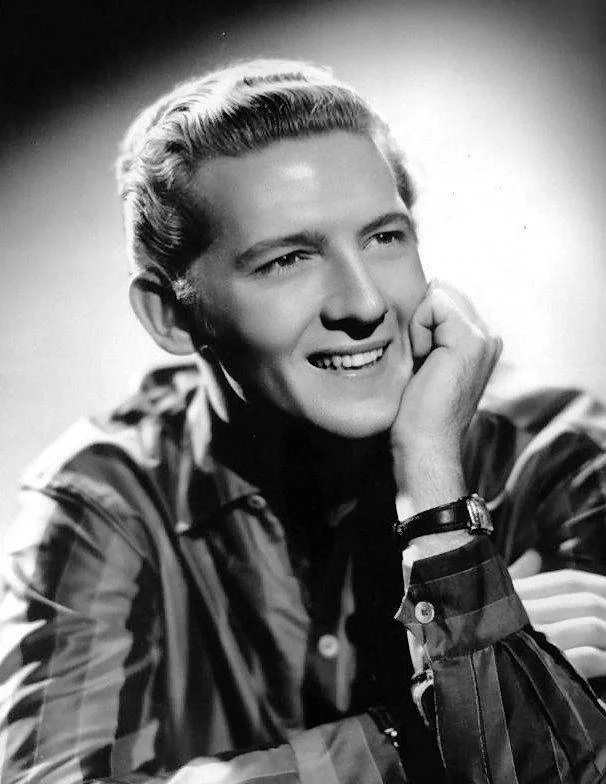
Jerry Lee Lewis
Born29 Sep, 1935
Died28 Oct, 2022
NationalityAmerican
Age at time of death87
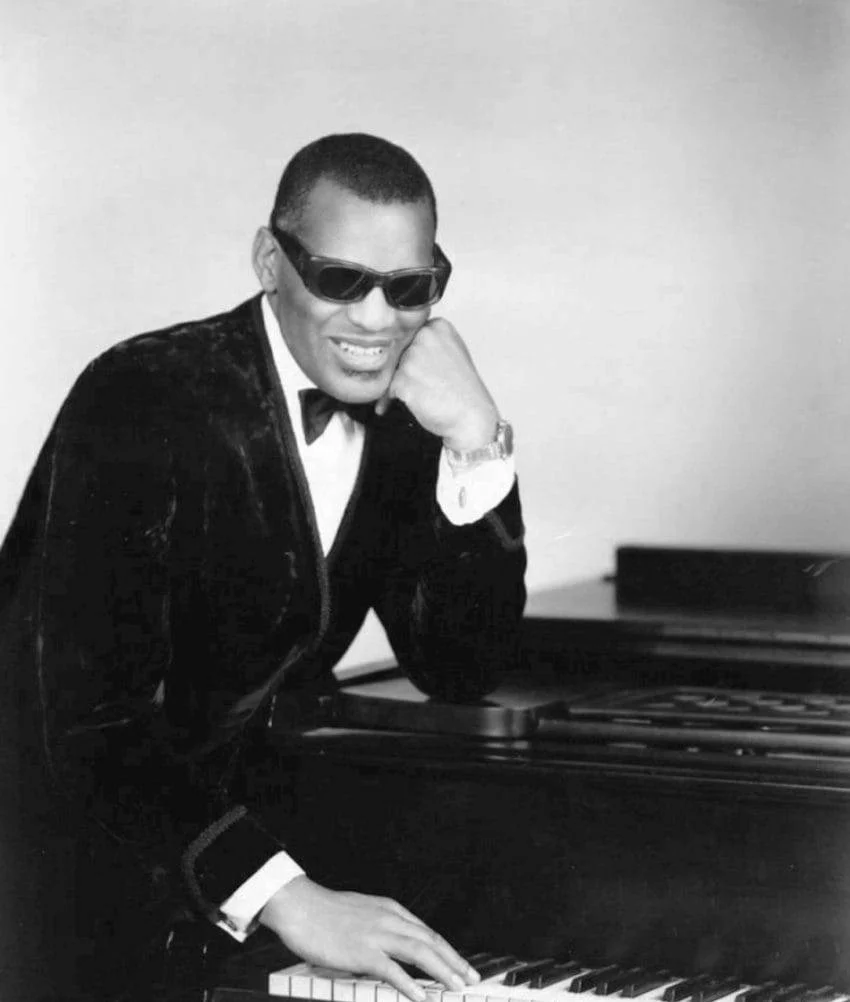
Ray Charles
Born23 Sep, 1930
Died10 Jun, 2004
NationalityAmerican
Age at time of death73
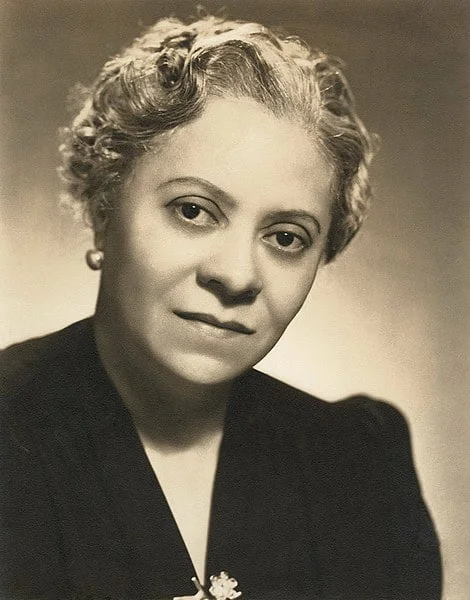
Florence Price
Born09 Apr, 1887
Died03 Jun, 1953
NationalityAmerican
Age at time of death66
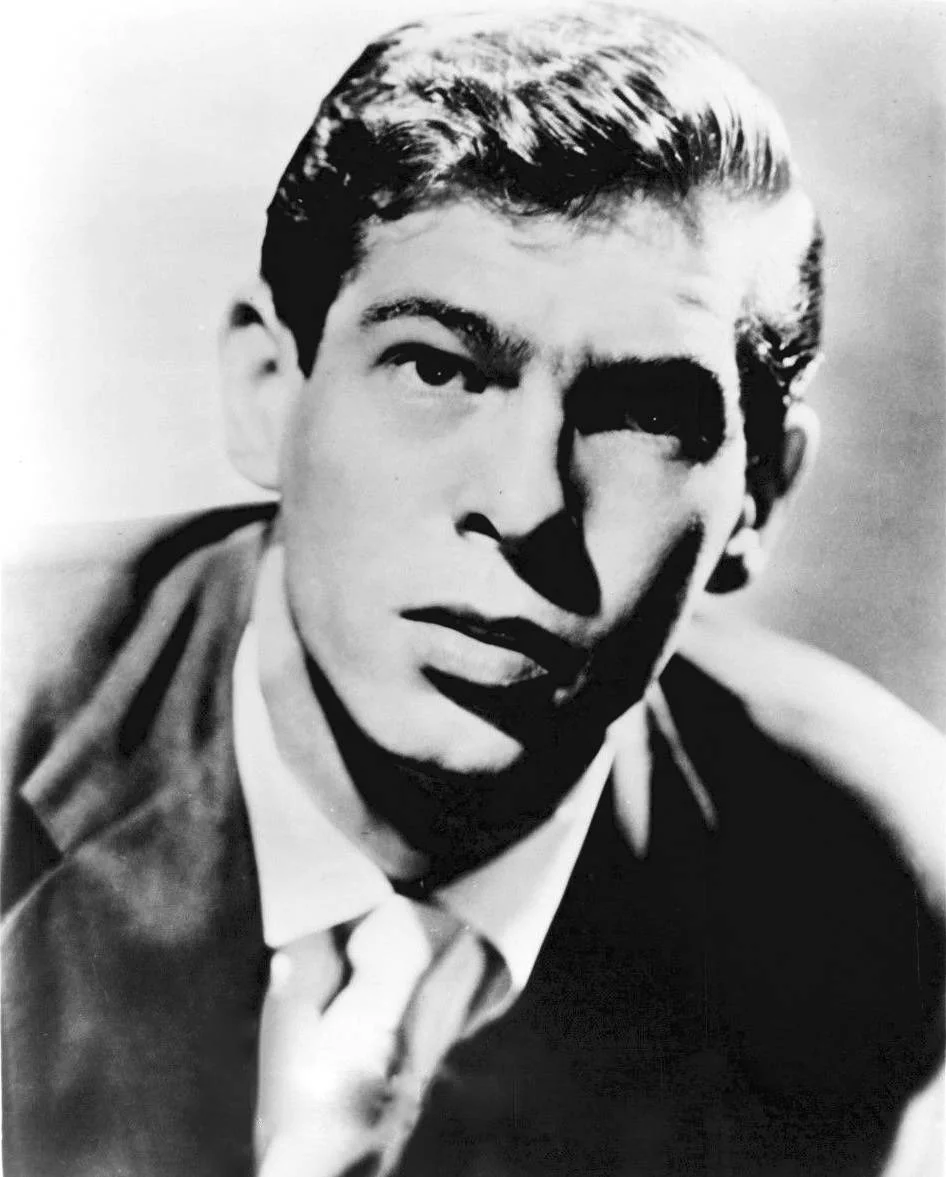
Johnnie Ray
Born10 Jan, 1927
Died24 Feb, 1990
NationalityAmerican
Age at time of death63
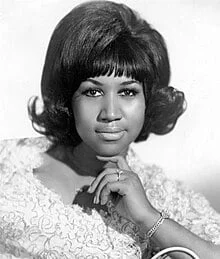
Aretha Franklin
Born25 Mar, 1942
Died16 Aug, 2018
NationalityAmerican
Age at time of death76
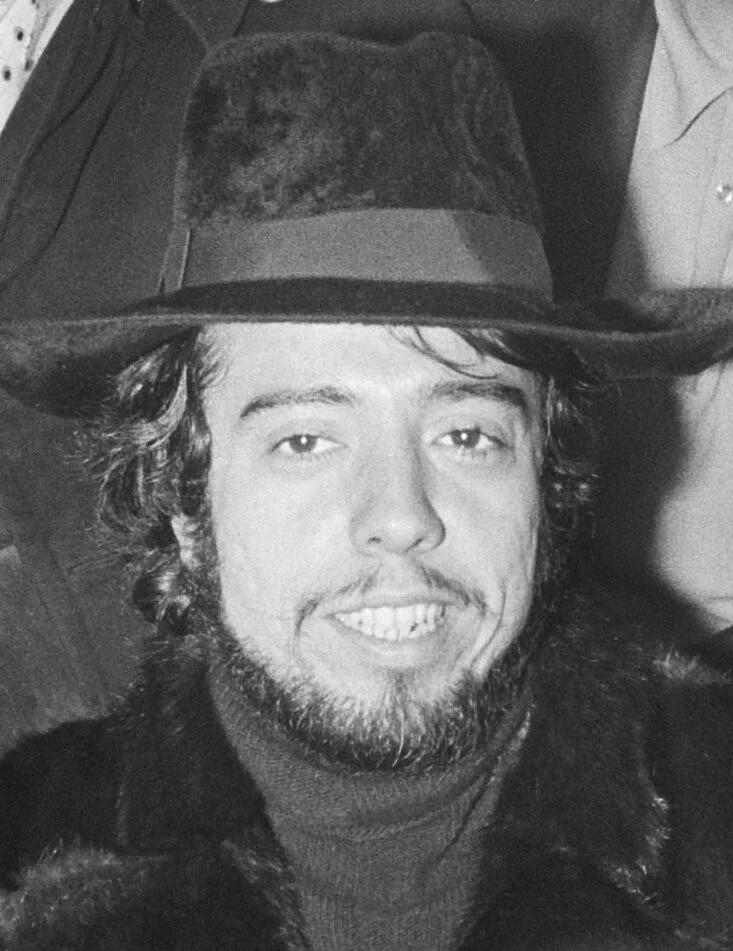
Sérgio Mendes
Born11 Feb, 1941
Died05 Sep, 2024
NationalityBrazilian
Age at time of death83
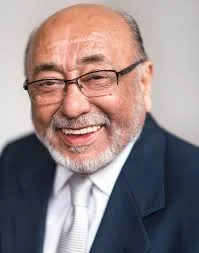
Eddie Palmieri
Born05 Aug, 2025
Died14 Dec, 1936
NationalityAmerican
Age at time of death-89