Real Celebrities Never Die!
OR
Search For Past Celebrities Whose Birthday You Share
Died Age: 73
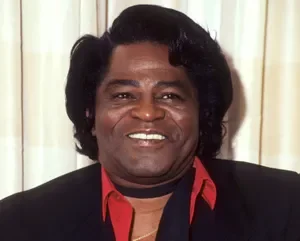
britannica.com
James Brown
Birthday:
03 May, 1933
Date of Death:
25 Dec, 2006
Cause of death:
Natural death
Nationality:
American
Famous As:
American singer
Age at the time of death:
73
James Joseph Brown's Quote's

“I wasn't just a fan, I was his brother. He said I was good and I said he was good; we never argued about that. Elvis was a hard worker, dedicated, and God loved him. Last time I saw him was at Graceland. We sang "Old Blind Barnabus" together, a gospel song. I love him and hope to see him in heaven. There'll never be another like that soul brother.”
James Joseph Brown
🔗 deadcelebrityhub.com
Early Life: A Tough Beginning
Few artists have shaped the sound and spirit of modern music like James Brown. A force of nature on stage and a revolutionary in the recording studio, he transformed rhythm and blues into something bolder, rawer, and more electric: soul and funk. Known as "The Godfather of Soul," Brown was not only a musical trailblazer but also a cultural icon, influencing generations of artists across multiple genres. His journey from extreme poverty to global superstardom is a testament to his talent, resilience, and unrelenting drive.
James Joseph Brown was born on May 3, 1933, in Barnwell, South Carolina, into a life of hardship. Raised in the segregated South, he experienced extreme poverty, spending much of his childhood in Augusta, Georgia. After his parents separated, he lived with his aunt in a brothel, working odd jobs to survive. He shined shoes, picked cotton, and even danced on street corners for spare change.
Music, however, was always in him. Gospel and blues resonated in the world around him, and as a child, he developed an intense love for performance. But before he could pursue his passion, trouble found him. At 16, he was arrested for armed robbery and sentenced to a juvenile detention center. It was there that he met Bobby Byrd, a fellow aspiring musician, who would later help launch his career.
Breaking Through: The Flames Ignite
After his release, Brown joined Byrd’s gospel group, which evolved into the Famous Flames. In 1956, they recorded “Please, Please, Please,” a song that would become Brown’s first major hit. His pleading, impassioned delivery, combined with his electrifying stage presence, captured audiences immediately. Soon, Brown and the Flames were a sensation, blending gospel fervor with R&B energy to create something entirely new.
Over the next decade, Brown refined his signature sound. Songs like "Try Me," "I Got You (I Feel Good)," and "Papa’s Got a Brand New Bag" showcased his explosive vocal power, dynamic horn arrangements, and unparalleled sense of rhythm. His music was infectious, and his live performances were legendary—Brown danced with such intensity that his sweat-drenched suits became as iconic as his voice.
The Birth of Funk and a Cultural Movement
By the late 1960s, Brown was more than an R&B star—he was a movement. His music became bolder, stripping melodies down to tight, syncopated grooves, birthing the genre of funk. Hits like "Cold Sweat," "Say It Loud – I’m Black and I’m Proud," and "Get Up (I Feel Like Being a) Sex Machine" changed the landscape of music forever.
Beyond the stage, Brown used his platform for activism. During the Civil Rights Movement, his music carried powerful messages of Black pride and empowerment. "Say It Loud" became an anthem for self-determination, while Brown personally helped de-escalate tensions after Martin Luther King Jr.'s assassination by broadcasting his concert in Boston, keeping people off the streets and preventing riots.
Challenges and Reinvention
Despite his success, Brown faced struggles. Financial troubles, legal issues, and personal conflicts followed him throughout his career. By the 1980s, changing musical tastes and legal battles, including a high-profile arrest, threatened to overshadow his legacy. But true to form, Brown kept performing, never losing the fire that made him an icon.
In 1986, he was inducted into the Rock and Roll Hall of Fame, reaffirming his place as one of music’s greatest innovators. He also found a new audience when his music was heavily sampled in the rise of hip-hop, proving that his influence was as powerful as ever.
Legacy: The Hardest Working Man in Show Business
James Brown passed away on December 25, 2006, but his legacy is eternal. His music laid the foundation for funk, influenced rock, inspired hip-hop, and revolutionized rhythm and blues. Artists from Michael Jackson to Prince, and from Public Enemy to Bruno Mars, have drawn from his sound, his moves, and his relentless energy.
More than just a singer or performer, Brown was a force—an artist who changed the way music felt, sounded, and moved. He wasn’t just "The Godfather of Soul"; he was its architect, its pulse, and its eternal flame. Even now, when one of his songs comes on, the groove, the energy, and the soul are unmistakable. James Brown didn’t just make music—he made history.
Profile Snapshot
Name:
James Joseph Brown
Popular Name:
James Brown
Gender:
Male
Cause of Death:
Natural death
Spouse:
Velma Warren
Deidre Jenkins
Adrienne Rodriguez
Place of Birth:
Barnwell, South Carolina, U.S.
Place of Death:
Atlanta, Georgia, U.S.
Occupation / Profession:
American singer
Dancer
Musician
Songwriter
Personality Type
Entertainer: James Brown revolutionized music with his electrifying performances, boundless energy, and magnetic stage presence, leaving an indelible mark on the world of funk and soul.
James Joseph Brown's Interesting Facts
Brown was a civil rights advocate, famously recording Say It Loud – I’m Black and I’m Proud as an anthem for Black empowerment in 1968.
Despite facing personal and legal struggles, he remained a legendary performer until his passing on Christmas Day in 2006.
His music played a major role in the development of funk, influencing countless artists across soul, R&B, and hip-hop.
James Brown, known as the “Godfather of Soul,” revolutionized music with his energetic performances and hits like I Got You (I Feel Good) and Papa’s Got a Brand New Bag.
Achievements & Awards
He won multiple Grammys, including one for Living in America, and was honored with the Kennedy Center Honors (2003) for his cultural impact. His legacy was further cemented with a star on the Hollywood Walk of Fame.
James Brown, the "Godfather of Soul," was inducted into the Rock and Roll Hall of Fame (1986) and received the Grammy Lifetime Achievement Award (1992).
Latest Profiles
People also viewed
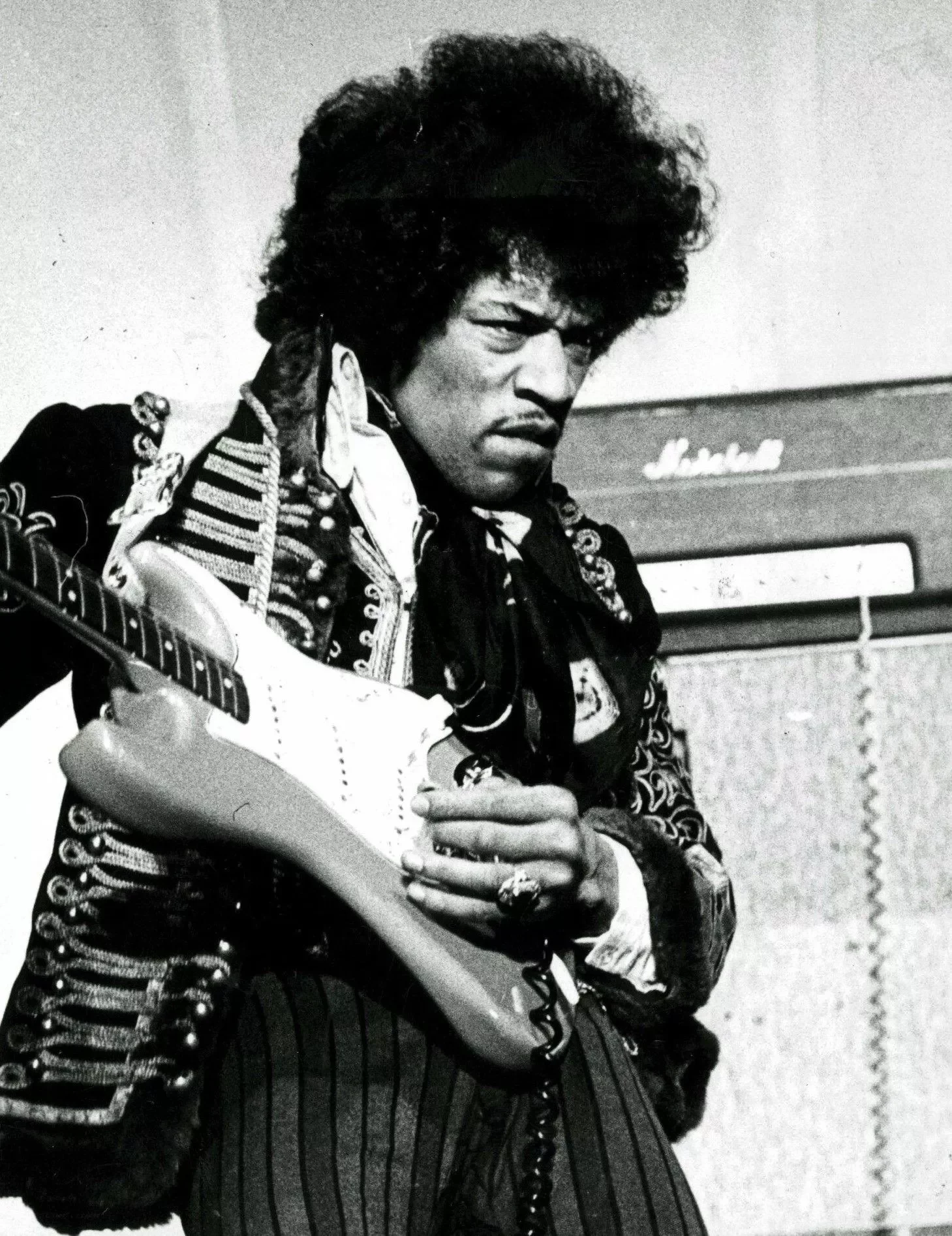
Jimi Hendrix
Born27 Nov, 1942
Died18 Sep, 1970
NationalityAmerican
Age at time of death27
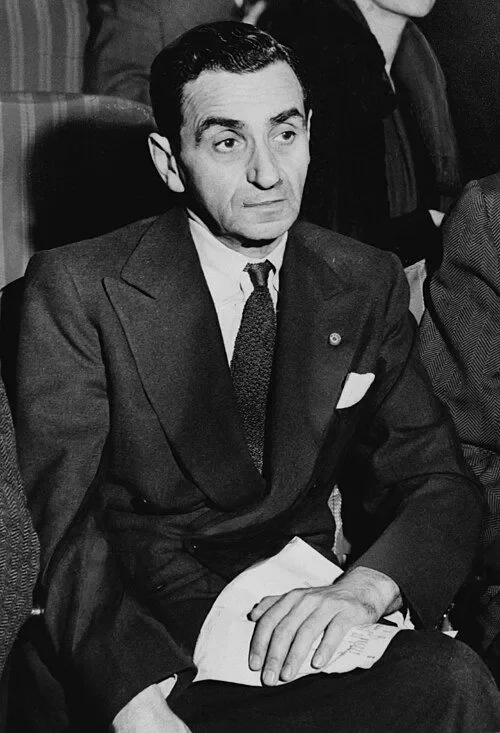
Irving Berlin
Born11 May, 1888
Died22 Sep, 1989
NationalityAmerican
Age at time of death101
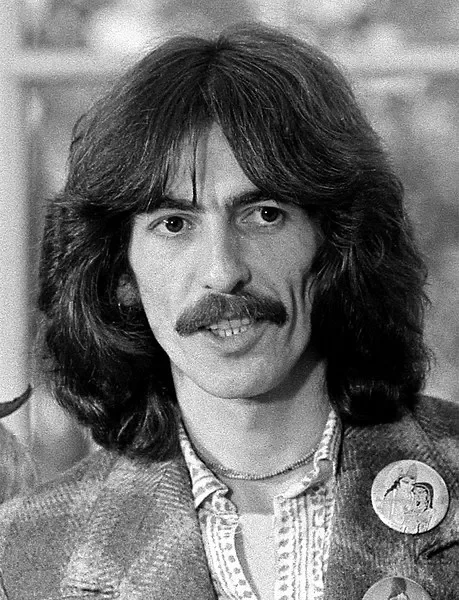
George Harrison
Born25 Feb, 1943
Died29 Nov, 2001
NationalityBritish
Age at time of death58
Lupe Vélez
Born18 Jul, 1908
Died14 Dec, 1944
NationalityMexican
Age at time of death36
Johnny Ace
Born09 Jun, 1929
Died25 Dec, 1954
NationalityAmerican
Age at time of death25
Vera-Ellen
Born16 Feb, 1921
Died30 Aug, 1981
NationalityAmerican German
Age at time of death60
Phyllis Diller
Born17 Jul, 1917
Died20 Aug, 2012
NationalityAmerican
Age at time of death95

Olivia Newton-John
Born26 Sep, 1948
Died08 Aug, 2022
NationalityBritish, Australian
Age at time of death73
Jim Morrison
Born08 Dec, 1943
Died03 Jul, 1971
NationalityAmerican
Age at time of death27

Cory Monteith
Born11 May, 1982
Died13 Jul, 2013
NationalityCanadian
Age at time of death31
Biz Markie
Born08 Apr, 1964
Died16 Jul, 2021
NationalityAmerican
Age at time of death57
Barry White
Born12 Sep, 1944
Died04 Jul, 2003
NationalityAmerican
Age at time of death58

Tina Turner
Born26 Nov, 1939
Died24 May, 2023
NationalityAfrican, American
Age at time of death83
Adam Yauch
Born05 Aug, 1964
Died04 May, 2012
NationalityAmerican
Age at time of death47
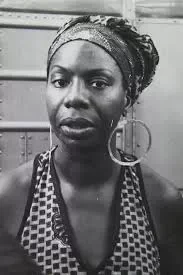
Nina Simone
Born21 Feb, 1933
Died21 Apr, 2003
NationalityAmerican
Age at time of death70
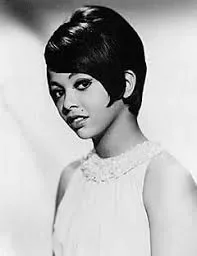
Tammi Terrell
Born29 Apr, 1945
Died16 Mar, 1970
NationalityAmerican
Age at time of death24

DMX
Born18 Dec, 1970
Died09 Apr, 2021
NationalityAmerican
Age at time of death50
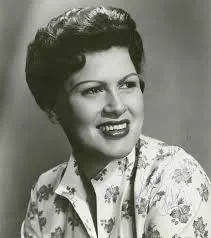
Patsy Cline
Born08 Sep, 1932
Died05 Mar, 1963
NationalityAmerican
Age at time of death30
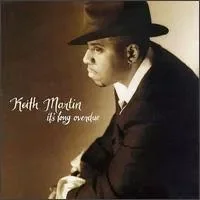
Keith Martin
Born22 Sep, 1966
Died25 Mar, 2022
NationalityAmerican
Age at time of death55
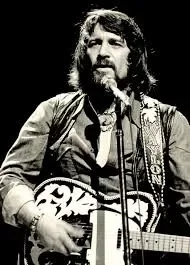
Waylon Jennings
Born15 Jun, 1937
Died13 Feb, 2002
NationalityAmerican
Age at time of death64