Real Celebrities Never Die!
OR
Search For Past Celebrities Whose Birthday You Share
Died Age: 64

www.thenational.scot
James Prime
Birthday:
02 Nov, 1960
Date of Death:
18 Jun, 2025
Cause of death:
Cancer
Nationality:
Scottish
Famous As:
Musician
Age at the time of death:
64
James Miller Prime's Quote's

“Music isn’t about perfection—it’s about connection.”
James Miller Prime
🔗 deadcelebrityhub.com
Early Life
James “Jim” Prime was a musician whose fingers on the keys shaped the sound of Scottish pop rock for four decades. As the keyboardist in Deacon Blue, he blended melody with emotion, anchoring some of the band’s most beloved hits while also nurturing the next generation as a lecturer. His life was one of craft, compassion, and creative continuity—a man who never lost touch with the personal in pursuit of greatness.
Jim Prime was born on 3 November 1960 in Kilmarnock, Ayrshire, Scotland. Growing up in this town in the southwest of Scotland, he developed an early love for music—though not in grand concert halls, but in smaller local settings, family homes, and schoolrooms where the piano and keyboard could become gateways to something bigger. Though the public record is quieter on his family details, it’s clear that Kilmarnock’s working-class roots and Scotland’s rich musical traditions surrounded him—and shaped him.
A defining moment came in 1980, when, still in his early twenties, Jim worked as a session musician for the band Altered Images during their United States tour. It was his first major exposure to international stages and the mix of excitement, discipline, and uncertainty it brings. That experience would lay the groundwork for what was to come.
Education
While there is no record of him attending a conservatory of renown early on, Prime’s musical education came through practice, performance, and collaboration. Over time, his skill at keyboard, piano, synthesiser—and occasionally bass guitar, acoustic guitar and accordion—grew through both formal and informal settings. Later in life, his deep musical knowledge would find a second home in academia: he became a lecturer at what is now the University of the West of Scotland, contributing to music education and mentoring students. That role was not an afterthought—it dovetailed with his own musical journey and reflected his belief that creation and teaching enrich one another.
Career Journey
Early Career (late 1970s–mid-1980s)
Jim’s first break came with Altered Images in 1980. It was session work, touring internationally, and steep learning curves. From there, he continued building as a musician—learning about timing, arrangement, and the emotional power of chord progressions. These early years were not glamorous, but they were essential: they shaped not just his technique but his sense of what being in a band means—teamwork, adaptability, the long haul of touring and recording.
Rise with Deacon Blue (1985–1994)
In 1985, Jim became a founding member of Deacon Blue, joining forces with vocalist Ricky Ross, guitarist Graeme Kelling, Lorraine McIntosh, Ewen Vernal and Dougie Vipond. Their debut album, Raintown (1987), introduced a haunting, lyrical sound rooted in social observation and lush instrumentation. But it was When the World Knows Your Name (1989) that lifted them further: it went to the top of the UK Albums Chart and gave them songs like “Real Gone Kid” that resonated with energy and heart.
In these years, Jim’s contributions were more than backing chords: his keyboards became part of the architecture of their songs—the mood, the sweep, the emotional undercurrent. He faced the usual pressures of a rising band: creative tensions, changing industry demands, and the risk of burnout. Still, their productivity was rapid, their acclaim growing.
Interruption and Reunion (Mid-1990s–2000s)
The band split in 1994. This was a test of identity—not just for Deacon Blue, but for Jim. What does one do when the main vehicle of one’s public life pauses? For Jim, it was a period that included side projects, session work, and eventually a reconnection with the idea that music could also serve education. Deacon Blue reformed for a reunion in 1999 (Walking Back Home) and again produced Homesick in 2001—albums that showed both the continuity and the evolution of their sound.
Later Career (2010s–2025)
In the decade that followed, Jim and Deacon Blue kept creating. Albums like The Hipsters (2012), A New House (2014), Believers (2016), City of Love (2020) and Riding on the Tide of Love (2021) showed a band that refused to rest on its past. In 2025, only months before his death, Prime appeared on The Great Western Road, their eleventh studio album, which achieved commercial success in Scotland and the UK. Throughout, Jim also maintained his role as lecturer at the University of the West of Scotland, investing in students who would carry music forward.
One particularly poignant turning point was his short illness in mid-2025: knowing the end was near, Prime still encouraged his bandmates to continue with their planned tour, offering them his blessing even though he would not be able to take the stage as before. His courage, generosity, and dedication surfaced in that moment.
Personal Life
Jim Prime was known among peers and students as generous, steady, and someone who balanced the rigours of performance with warmth and mentorship. Though details of his family life are not broadly publicised, those who knew him spoke of his kindness, his love of the musical community in Scotland, and a sense of curiosity that persisted until the end. He was more than a keyboard player; he was a teacher, a collaborator, a listener.
An interesting bit of trivia: though primarily celebrated for keyboards and piano, Jim also had eclectic instrumental skills—including accordion—and on occasion joined other artists for session work, illustrating a versatility not always highlighted in headline stories.
Legacy
James Prime’s legacy lives in chords and in classrooms. He leaves behind a body of work with Deacon Blue that includes eleven studio albums, dozens of hit singles, and songs that resonate for their honesty, emotional depth, and melodic strength. But equally important is the number of students he influenced at the University of the West of Scotland, where he taught not only technique but the discipline and humility that music demands.
Through decades of shifting musical trends, Jim never chased fashion; he stayed grounded in what makes music endure—melody, collaboration, authenticity. And in his final days, even in illness, he showed that legacy is built not just in success, but in the courage to continue, to teach, and to uplift others.
Profile Snapshot
Name:
James Miller Prime
Popular Name:
James Prime
Gender:
Male
Cause of Death:
Cancer
Spouse:
Unknown
Place of Birth:
Kilmarnock, United Kingdom
Place of Death:
Scotland
Occupation / Profession:
Musician
Keyboardist
Lecturer
Personality Type
Consul: James Prime was the kind of musician who never chased the spotlight, yet his quiet brilliance shaped every song he touched and every student he taught.
James Miller Prime's Interesting Facts
He once played both keyboard and organ at the same time during Deacon Blue’s massive 1990 “Big Day” concert in Glasgow.
He once helped save musician John Martyn’s life after a serious onstage incident.
He was known for his love of shortbread, a treat that fans and students often gifted him.
Achievements & Awards
James Prime helped lead Deacon Blue to remarkable success, contributing to eleven studio albums and more than a dozen Top-40 singles across the UK charts.
The band’s second album, When the World Knows Your Name, topped the UK Albums Chart and became a defining sound of late-1980s pop rock.
Beyond performance, he shaped future musicians through his work as a lecturer and co-creator of the Commercial Music degree at the University of the West of Scotland.
His career bridged both the stage and the classroom, earning him respect as both an artist and an educator.
External Links
Latest Profiles
People also viewed
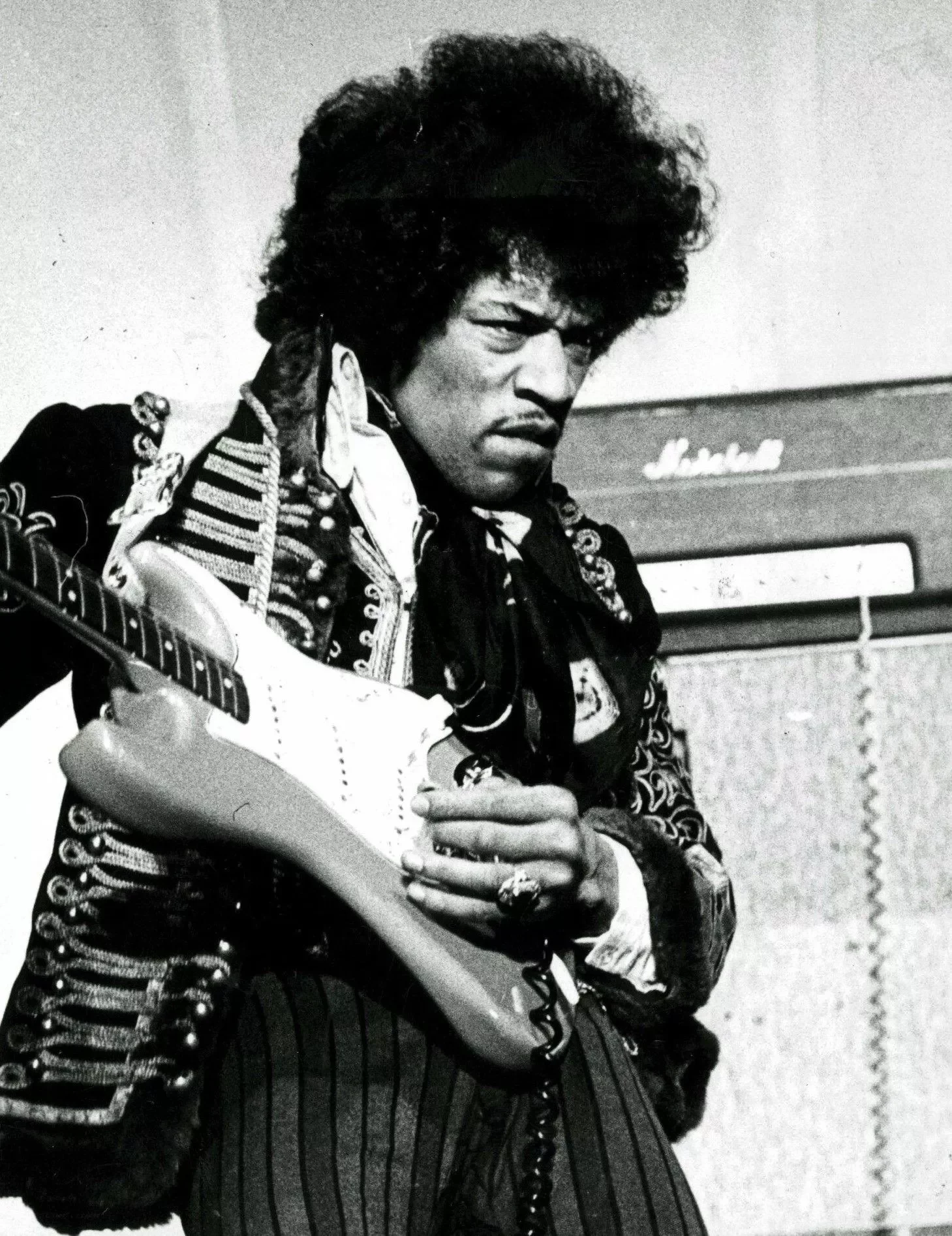
Jimi Hendrix
Born27 Nov, 1942
Died18 Sep, 1970
NationalityAmerican
Age at time of death27
George Harrison
Born25 Feb, 1943
Died29 Nov, 2001
NationalityBritish
Age at time of death58
Dale Carnegie
Born24 Nov, 1888
Died01 Nov, 1955
NationalityAmerican
Age at time of death66
Johnny Ace
Born09 Jun, 1929
Died25 Dec, 1954
NationalityAmerican
Age at time of death25
Phyllis Diller
Born17 Jul, 1917
Died20 Aug, 2012
NationalityAmerican
Age at time of death95

Cory Monteith
Born11 May, 1982
Died13 Jul, 2013
NationalityCanadian
Age at time of death31
Adam Yauch
Born05 Aug, 1964
Died04 May, 2012
NationalityAmerican
Age at time of death47
Mark Twain
Born30 Nov, 1835
Died21 Apr, 1910
NationalityAmerican
Age at time of death74
Waylon Jennings
Born15 Jun, 1937
Died13 Feb, 2002
NationalityAmerican
Age at time of death64
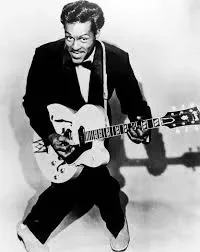
Chuck Berry
Born18 Oct, 1926
Died18 Mar, 2017
NationalityAmerican
Age at time of death90
Karen Carpenter
Born02 Mar, 1950
Died04 Feb, 1983
NationalityAmerican
Age at time of death32
Syd Barrett
Born06 Jan, 1946
Died07 Jul, 2006
NationalityEnglish
Age at time of death60
Maurice Gibb
Born22 Dec, 1949
Died12 Jan, 2003
NationalityBritish
Age at time of death53
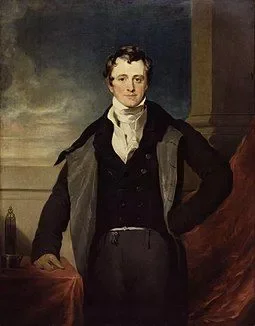
Sir Humphry Davy
Born17 Dec, 1778
Died29 May, 1829
NationalityBritish
Age at time of death50
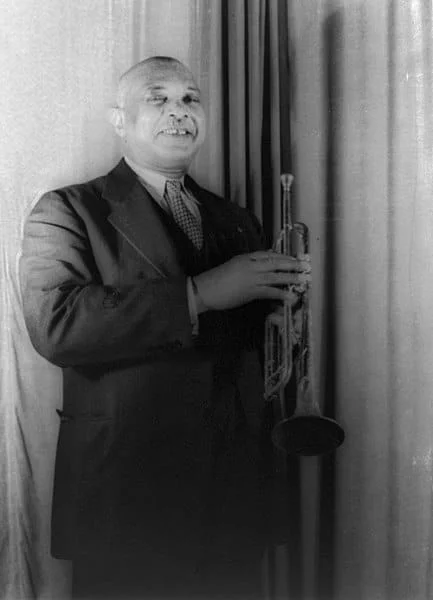
W.C. Handy
Born16 Nov, 1873
Died28 Mar, 1958
NationalityAmerican
Age at time of death84
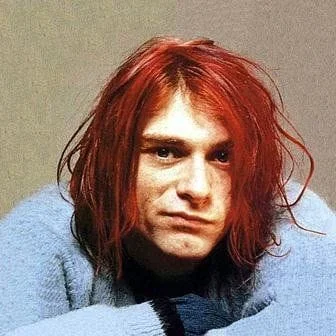
Kurt Cobain
Born20 Feb, 1967
Died05 Apr, 1994
NationalityAmerican
Age at time of death27
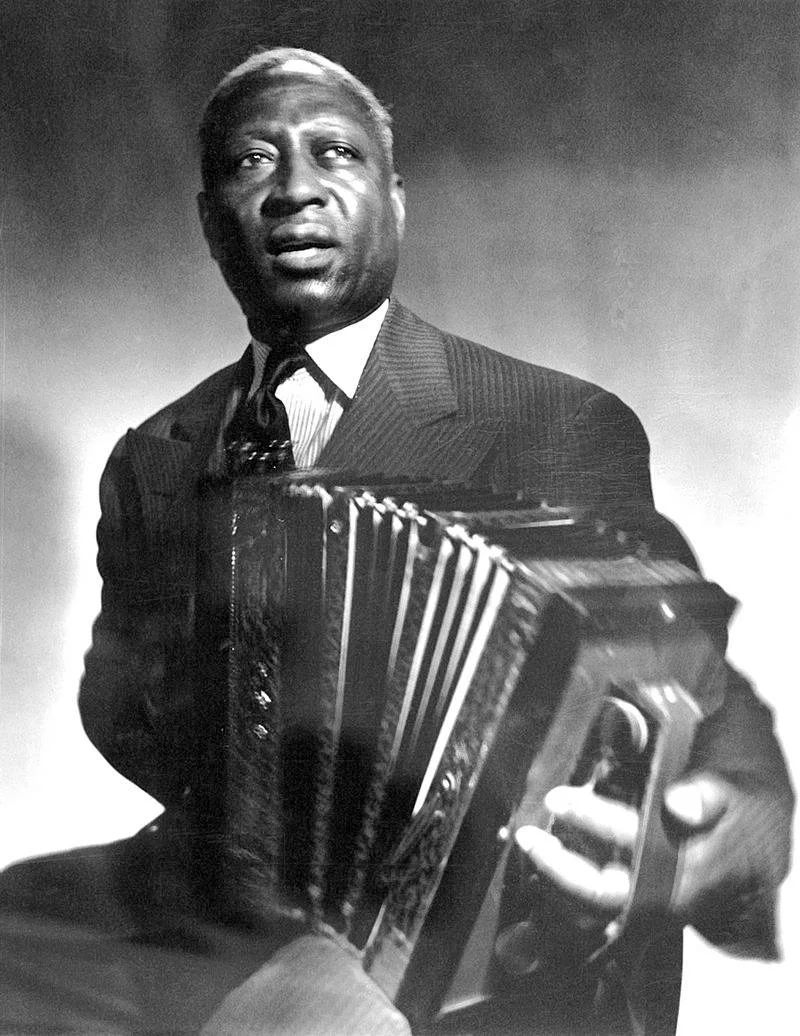
Lead Belly
Born20 Jan, 1888
Died06 Dec, 1949
NationalityAmerican
Age at time of death61
Stonewall Jackson
Born06 Nov, 1932
Died04 Dec, 2021
NationalityAmerican
Age at time of death89
Johnny Otis
Born28 Dec, 1921
Died17 Jan, 2012
NationalityAmerican
Age at time of death90
Johnny Cash
Born26 Feb, 1932
Died12 Sep, 2003
NationalityAmerican
Age at time of death71