Real Celebrities Never Die!
OR
Search For Past Celebrities Whose Birthday You Share
Died Age: 97
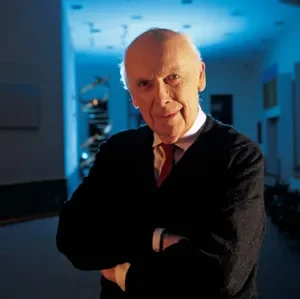
www.britannica.com
James Watson
Birthday:
05 Apr, 1928
Date of Death:
05 Nov, 2025
Cause of death:
Natural Causes
Nationality:
American
Famous As:
American molecular biologist
Age at the time of death:
97
James Dewey Watson's Quote's

“We used to think our fate was in our stars. Now we know, in large part, our fate is in our genes.”
James Dewey Watson
🔗 deadcelebrityhub.com
Early Life: A Curious Mind in Chicago
James D. Watson is a pioneering geneticist whose curiosity and audacity helped unlock the secrets of life itself. Co-discoverer of the DNA double helix, his work transformed biology, medicine, and our understanding of inheritance, forever reshaping the scientific landscape of the 20th century.
James Dewey Watson was born in 1920 in Chicago, Illinois, into a family that encouraged curiosity and intellectual exploration. His father, a businessman, and his mother, an accomplished pianist, instilled in him both discipline and imagination. From an early age, Watson displayed an insatiable curiosity, spending hours observing nature, reading voraciously, and conducting experiments in makeshift home laboratories.
His early fascination with the natural world foreshadowed a lifelong pursuit: to understand the fundamental mechanisms of life itself.
Education: Nurturing Genius
Watson excelled academically, entering the University of Chicago at the age of 15. Initially drawn to ornithology and zoology, he quickly gravitated toward genetics, captivated by the question of how traits passed from one generation to the next. He pursued graduate studies at Indiana University, where his work in experimental genetics began to hint at the extraordinary path ahead.
A fellowship at the California Institute of Technology further sharpened his skills, exposing him to leading scientists and cutting-edge techniques. Yet it was his move to Cambridge University’s Cavendish Laboratory in 1951 that would prove transformative, placing him at the epicenter of molecular biology research.
Early Career: A Young Scientist in Search of the Blueprint of Life
At Cambridge, Watson met Francis Crick, a fellow young scientist equally consumed by the puzzle of DNA. The pair joined forces, combining Crick’s theoretical insights with Watson’s experimental rigor and relentless curiosity. Their collaboration was intense, filled with sleepless nights, heated debates, and the thrill of discovery.
They drew on insights from X-ray diffraction data produced by Rosalind Franklin, navigating both scientific challenge and interpersonal tension to piece together the structure of DNA. Their partnership exemplified the energy, ambition, and audacity of young scientists driven by a monumental question.
Major Achievements: Unlocking the Double Helix
In 1953, Watson and Crick proposed the double-helix model of DNA, revealing how genetic information is stored, replicated, and transmitted. This breakthrough was more than a scientific triumph—it was a conceptual revolution. The discovery laid the foundation for modern molecular biology, influencing genetics, medicine, biotechnology, and our understanding of heredity.
In recognition of this work, Watson, Crick, and Maurice Wilkins received the Nobel Prize in Physiology or Medicine in 1962. Beyond accolades, the discovery catalyzed decades of research, from decoding the human genome to developing therapies for genetic diseases.
Watson’s publications, lectures, and leadership helped disseminate the excitement of molecular biology worldwide, inspiring generations of scientists to explore the code of life.
Later Career: Leadership, Advocacy, and Controversy
After the discovery, Watson continued to shape science as a leader, serving as director of Cold Spring Harbor Laboratory. There, he fostered research programs, education initiatives, and public engagement, building one of the world’s premier centers for molecular biology.
Yet his career was not without controversy. Some of Watson’s public statements later drew criticism, reminding the world that even brilliant minds are complex and fallible. Nevertheless, his scientific contributions remained foundational, securing his place in history.
Personal Life: The Private Scientist
Watson was known for his intensity, wit, and boundless energy. He married Elizabeth, his supportive partner, and balanced the demands of research with family life. Beyond the laboratory, he loved reading, teaching, and mentoring young scientists, often inspiring them with the same sense of wonder that had driven him since childhood.
Legacy: A Mind That Changed Biology
James Watson’s legacy is monumental. His insight into DNA transformed not only genetics but also medicine, forensics, agriculture, and biotechnology. His work opened the door to understanding life at its most fundamental level, creating opportunities and questions that continue to shape the scientific enterprise today.
James Watson is remembered as a fearless explorer of the molecular world, whose curiosity, intellect, and determination revealed the blueprint of life itself, leaving a permanent imprint on science and human knowledge.
Profile Snapshot
Name:
James Dewey Watson
Popular Name:
James Watson
Gender:
Male
Cause of Death:
Natural Causes
Spouse:
Elizabeth Lewis
Place of Birth:
Chicago, Illinois, U.S.
Place of Death:
East Northport, New York, U.S.
Occupation / Profession:
American molecular biologist
Geneticist
Zoologist
James Dewey Watson's Interesting Facts
James Watson co-discovered the double helix structure of DNA with Francis Crick in 1953.
He won the Nobel Prize in Physiology or Medicine in 1962 for his work on DNA.
Watson was the director of the Cold Spring Harbor Laboratory, a leading genetics research center.
He faced controversy later in life for making publicly criticized statements on genetics and intelligence.
Achievements & Awards
James Watson, co-discoverer of the DNA double helix, received the Nobel Prize in Physiology or Medicine in 1962 alongside Francis Crick and Maurice Wilkins for their groundbreaking work on DNA structure.
He was also awarded the Crafoord Prize in 1982 and the Albert Lasker Award for Basic Medical Research in 1960, recognizing his pioneering contributions to molecular biology.
These honors highlight his central role in understanding the genetic code and molecular biology.
External Links
Additional Links
Latest Profiles
People also viewed
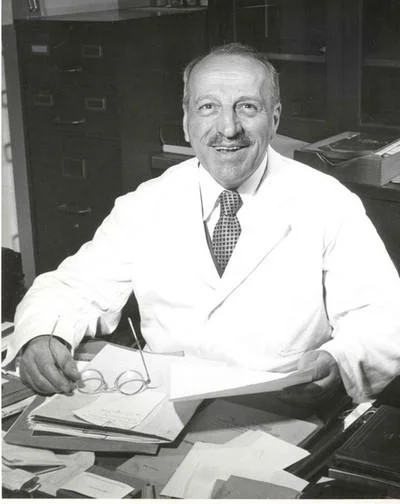
Georgios Papanikolaou
Born13 May, 1883
Died19 Feb, 1962
NationalityGreek
Age at time of death78
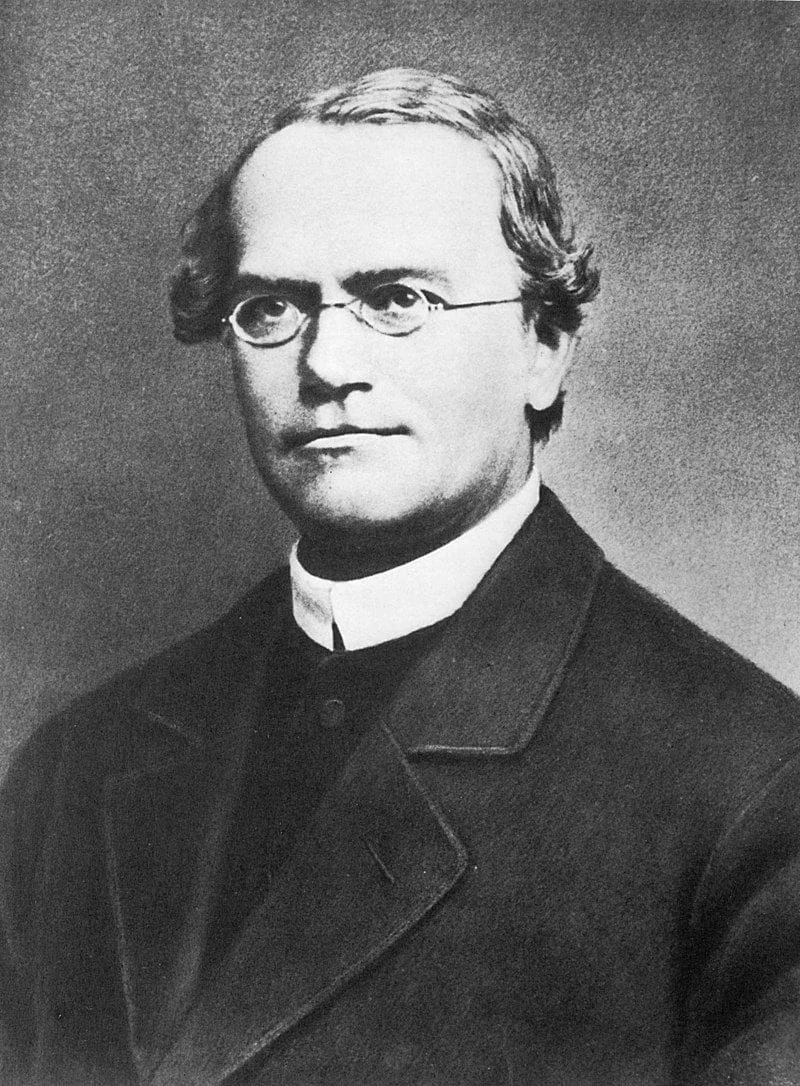
Gregor Mendel
Born20 Jul, 1822
Died06 Jan, 1884
NationalityAustrian
Age at time of death61
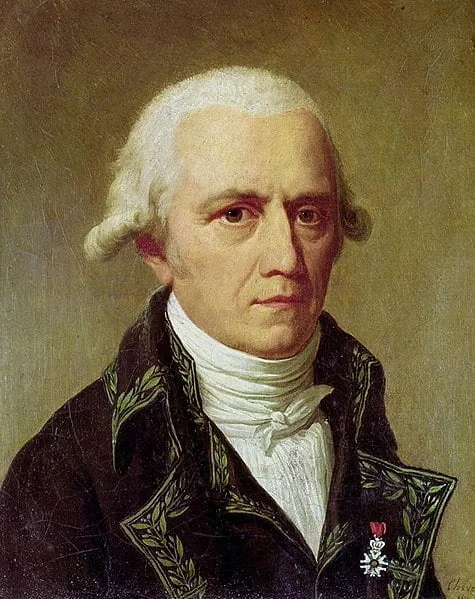
Jean Baptiste Lamarck
Born01 Aug, 1744
Died18 Dec, 1829
NationalityFrench
Age at time of death85

Steve Irwin
Born22 Feb, 1962
Died04 Sep, 2006
NationalityAustralian
Age at time of death44
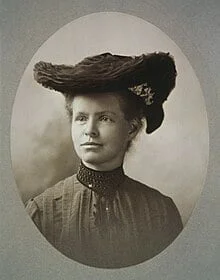
Nettie Stevens
Born07 Jul, 1861
Died04 May, 1912
NationalityAmerican
Age at time of death50