Real Celebrities Never Die!
OR
Search For Past Celebrities Whose Birthday You Share
Died Age: 83
www.wikidata.org
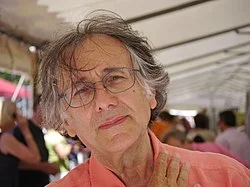
Jean-Claude Lamy
Birthday:
02 Aug, 1941
Date of Death:
01 Feb, 2025
Cause of death:
Undisclosed
Nationality:
French
Famous As:
Journalist
Age at the time of death:
83
Jean-Claude Lamy's Quote's

“An author is someone who gives words to the silences of others.”
Jean-Claude Lamy
🔗 deadcelebrityhub.com
Early Life
Jean-Claude Lamy was a storytelling journalist and a biographer’s biographer: a man who used his curiosity—and his pen—to coax out the hidden edges of the writers, publishers, and literary lives around him. His writing bridged intimacy and admiration, always anchored in a love for language, for personalities, for the way books say more than what the page shows. Over six decades, he became remembered not just for what he wrote, but for the way he witnessed others, making their stories his own without losing his voice.
Born on August 3, 1941 in Valence, in the Drôme region of France, Jean-Claude Lamy’s early years unfolded against the gray backdrop of wartime Europe. Growing up in a France reshaping itself, he developed an early sensibility for stories—of disruption, of resilience, of hidden lives. Though details about his family are less widely documented, what is clear is that his curiosity about literature and people found fertile ground: Lamy would go on to seek out the lesser-known narratives behind famous names, and he carried into adulthood a keen sense that the quiet corners of life often hold the most telling stories.
Education
Lamy pursued journalism formally: he trained at the Centre de Formation des Journalistes (CFJ) in Paris. That education was not simply technical training, but a doorway into networks of writers, critics, and literary figures. At CFJ he gained both the craftsmanship to observe and the means to report—to listen convincingly. The foundation he built there—learning ethical rigor, mastering the tools of interviewing, developing a sense of narrative voice—served him as he moved into his early career in the 1960s, stepping into the world of journalism ready to both observe and engage.
Career Journey
Early Career
In the 1960s, Lamy joined France-Soir, where he would spend over thirty years. It was here that he encountered the great newspaper man Pierre Lazareff—his influence shaping Lamy’s understanding of what journalism could be: bold, vivid, attentive to voice. Lamy’s early journalism tested the boundaries between news, biography, and portrait: he didn’t just cover lives; he explored them.
Major Achievements & Turning Points
One defining turning point came through biography. Lamy became close to Françoise Sagan, the celebrated French novelist, in the 1970s. With her trust, he was able to write Françoise Sagan, une légende, a work suffused with complicity and care, revealing both the public figure and the private woman. That book symbolized what he aimed for in all his biographical work: not just to record, but to illuminate.
He also had a passionate interest in popular literature and mysteries. Lamy founded the Cercle Gaston Leroux (in honor of the author of Le Mystère de la chambre jaune), reviving interest in classic detective and popular fiction. His biography Gaston Leroux ou le vrai Rouletabille delved into how Leroux’s creation of Rouletabille echoed, masked, and whispered the author’s own life. He explored figures such as Prévert (in Prévert, les frères amis) and Georges Brassens (Brassens, le mécréant de Dieu)—voices of French culture who were beloved, but whom Lamy showed in new light: human, flawed, luminous.
In publishing, too, he left his mark. In 1976 he co-founded Nouvelle Édition Baudinière, which for five years published popular novels, reflecting his belief that literature is for both breadth and depth. His work as columnist at Le Figaro, as chronicler of lives, refined his voice: the sharp eye, the affectionate tone, the sense that every person’s story has value.
Later Career & Continued Influence
Into the 2000s, Lamy remained prolific. He continued writing biographies, essays, collections of literary portraits. He won major literary awards for his biographical work—among them the Prix Goncourt de la Biographie—for writing that draws readers in without sacrificing rigor. Even in his later years, he engaged with publishing, criticism, and literature not as an observer distancing himself, but as someone still searching—as someone for whom writing was not a finished act but a continuing dialogue.
He passed away on February 2, 2025, but he had spent right up until then weaving together stories of others, enlarging the circle of what we know, feel, remember.
Personal Life
Though much of his public life was devoted to other writers, Jean-Claude Lamy’s relationships shaped his work. His friendship and professional collaboration with Françoise Sagan is perhaps the best known; that kind of closeness allowed him intimacy without flattery, insight without betrayal. He lived in France, moving among Parisian literary circles, yet his work often reached the provinces and the less glamorous spaces of literary life. A lesser-known detail: he had a fondness for popular novels and detective stories—genres sometimes dismissed by literary elites. This love carried through in his founding of the Cercle Gaston Leroux: it was a statement that joy and mystery, entertainment and art, are not antithetical.
Legacy
Jean-Claude Lamy’s life was a quiet but profound witness to literature in all its shades. He did not chase fame so much as insight: the kind that charges a paragraph or a conversation with weight. In the overlapping worlds of journalism, biography, and literary criticism, he left behind work that teaches us to listen: to words whispered, to lives half-hidden, to the people behind the books we love. His legacy endures in the pages that carry his care for story, and in the readers who, through his work, see the writer—not just the work.
He is remembered as a generous interlocutor, one who made others feel seen; as a writer whose curiosity propelled him to chase stories of character, motive, solitude, creation. In his books and essays, readers find not just facts about lives, but resonance: the question, “What does it mean to be a writer?” refracted through many lives—Sagan’s, Leroux’s, Prévert’s.
Profile Snapshot
Name:
Jean-Claude Lamy
Popular Name:
Jean-Claude Lamy
Gender:
Male
Cause of Death:
Undisclosed
Spouse:
Unknown
Place of Birth:
Valence, France
Place of Death:
Île-aux-Moines, Morbihan, France
Occupation / Profession:
Journalist
Writer
Publisher
Personality Type
Campaigner: Jean-Claude Lamy was an observer who built bridges between lives and words, always seeing the structure of meaning behind every story he told.
Jean-Claude Lamy's Interesting Facts
In the 1970s, Lamy founded the Cercle Gaston Leroux, showing his affection for detective and popular fiction genres.
He collaborated on magazines like Playboy (French edition) and served as literary adviser for Femme under the Filipacchi group—unexpected venues for a serious literary journalist.
Late in life, he became a juror for major French literary prizes (e.g. Prix Françoise-Sagan), helping shape the next generation of French writing.
Achievements & Awards
Jean-Claude Lamy was awarded the Prix Goncourt de la Biographie in 1997 for Prévert, les frères amis, a recognition that placed his biographical writing firmly in the French literary canon.
He also received the Prix Louis-Barthou from the Académie française in 2018 for his biography Jean-Edern Hallier. L’idiot insaisissable.
Beyond these, he was named Chevalier des Arts et des Lettres and earned honors such as the Prix Broquette-Gonin and Prix François-Billetdoux—testaments to both his literary depth and his service to French letters.
External Links
Latest Profiles
People also viewed
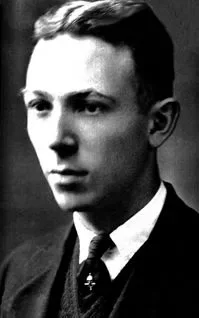
July 11, 1899
Born11 Jul, 1899
Died01 Oct, 1985
NationalityAmerican
Age at time of death86
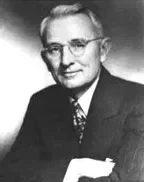
Dale Carnegie
Born24 Nov, 1888
Died01 Nov, 1955
NationalityAmerican
Age at time of death66
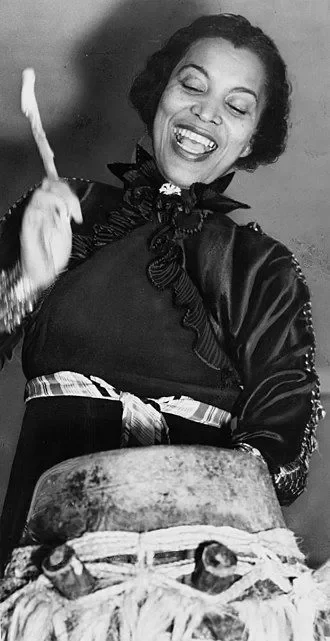
Zora Neale Hurston
Born07 Jan, 1891
Died28 Jan, 1960
NationalityAmerican
Age at time of death69
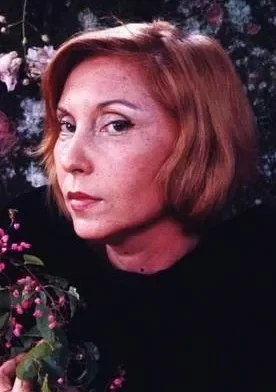
Clarice Lispector
Born10 Dec, 1920
Died09 Dec, 1977
NationalityBrazilian
Age at time of death56
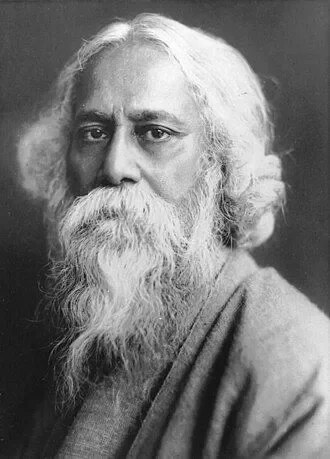
Rabindranath Tagore
Born07 May, 1861
Died08 Aug, 1941
NationalityIndian
Age at time of death80
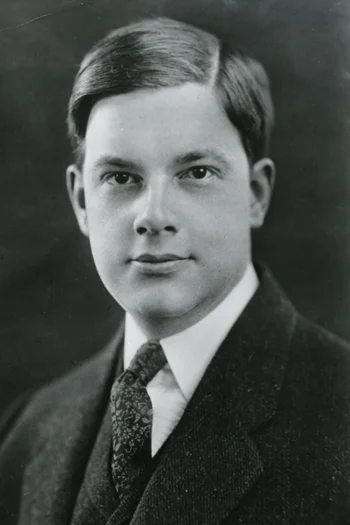
Joyce Kilmer
Born06 Dec, 1886
Died30 Jul, 1918
NationalityAmerican
Age at time of death31
Cicely Saunders
Born22 Jun, 1918
Died14 Jul, 2005
NationalityEnglish
Age at time of death87
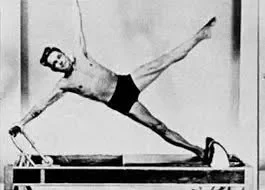
Joseph Pilates
Born09 Dec, 1883
Died09 Oct, 1967
NationalityGerman
Age at time of death83
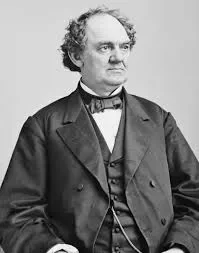
P. T. Barnum
Born05 Jul, 1810
Died07 Apr, 1891
NationalityAmerican
Age at time of death80
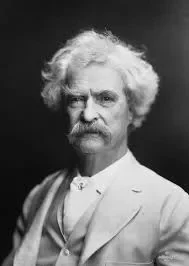
Mark Twain
Born30 Nov, 1835
Died21 Apr, 1910
NationalityAmerican
Age at time of death74
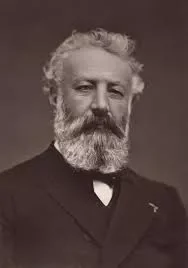
Jules Verne
Born08 Feb, 1828
Died24 Mar, 1905
NationalityFrench
Age at time of death77
Jack Welch
Born19 Nov, 1935
Died01 Mar, 2020
NationalityAmerican
Age at time of death84
Rajendra Prasad
Born03 Dec, 1884
Died28 Feb, 1963
NationalityIndian
Age at time of death78
Nellie Bly
Born05 May, 1864
Died27 Jan, 1922
NationalityAmerican
Age at time of death57
George Burns
Born20 Jan, 1896
Died09 Mar, 1996
NationalityAmerican
Age at time of death100

Ethan Allen
Born21 Jan, 1738
Died12 Feb, 1789
NationalityAmerican
Age at time of death51
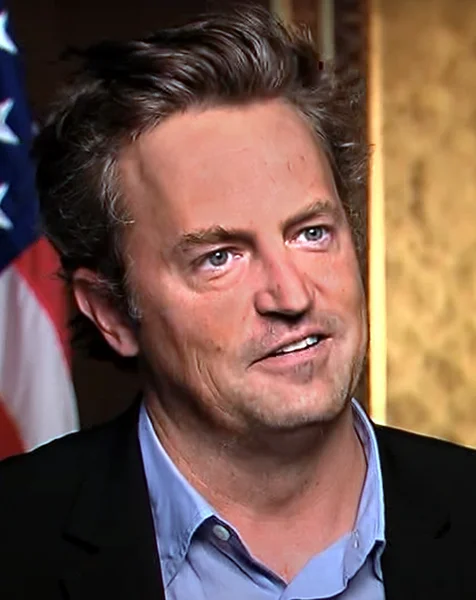
Matthew Perry
Born19 Aug, 1969
Died28 Oct, 2023
NationalityAmerican, Canadian
Age at time of death54
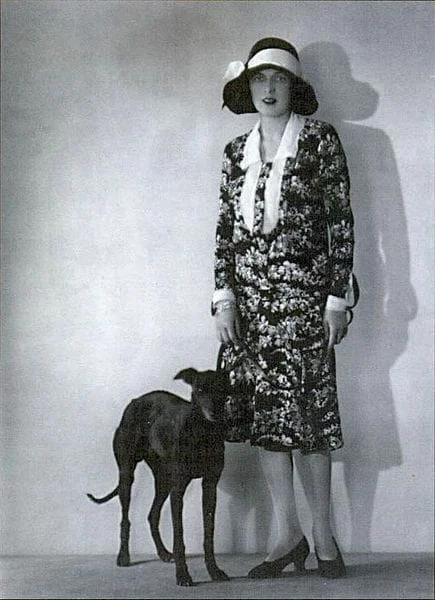
Caresse Crosby
Born20 Apr, 1891
Died24 Jan, 1970
NationalityAmerican
Age at time of death78
Garrett Morgan
Born04 Mar, 1877
Died27 Jul, 1963
NationalityAmerican
Age at time of death86
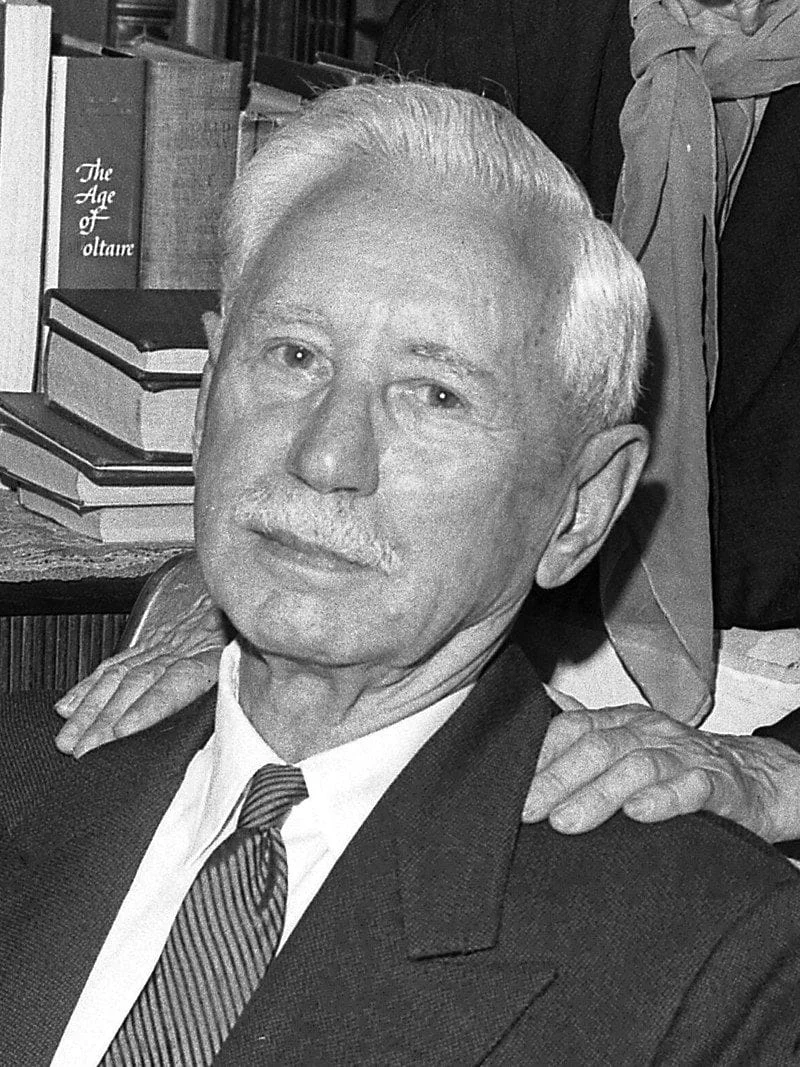
Will Durant
Born05 Nov, 1885
Died07 Nov, 1981
NationalityAmerican
Age at time of death96