Real Celebrities Never Die!
OR
Search For Past Celebrities Whose Birthday You Share
Died Age: 81
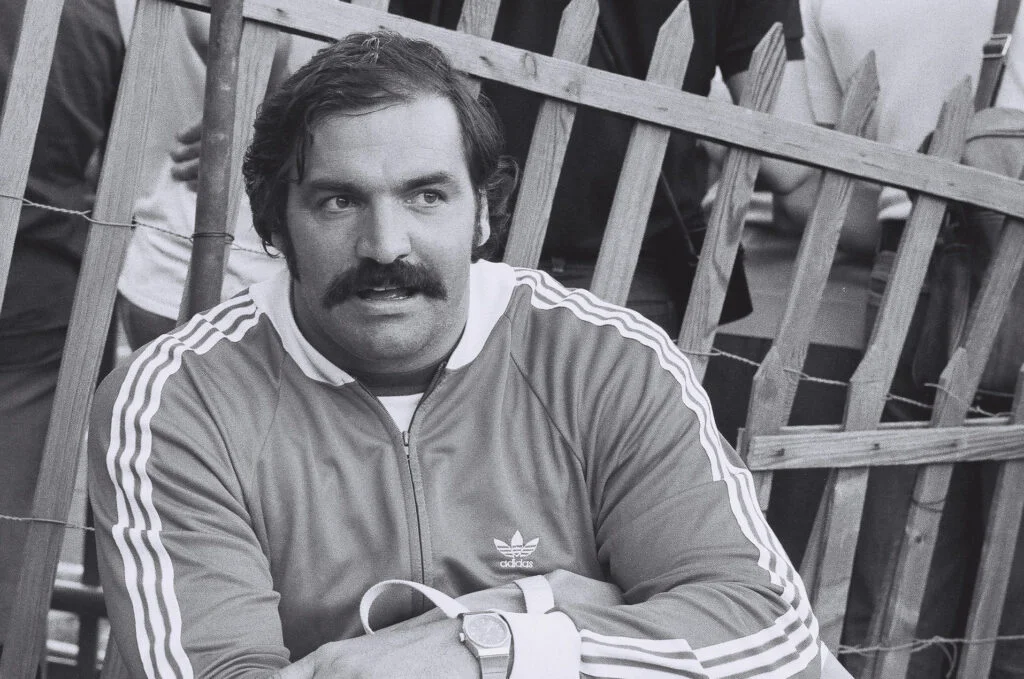
lausanne.diamondleague.com
Jean-Pierre Egger
Birthday:
29 Jul, 1943
Date of Death:
28 Jul, 2025
Cause of death:
Unknown
Nationality:
Swiss
Famous As:
Swiss Athlete
Age at the time of death:
81
Jean-Pierre Egger's Quote's

“Excellence is not perfection — it’s the constant will to improve.”
Jean-Pierre Egger
🔗 deadcelebrityhub.com
Early Life
Jean-Pierre Egger was more than an athlete or coach — he was a craftsman of human potential. With a presence that blended physical power and thoughtful precision, he shaped not just competitors but champions, leaving behind a legacy that reached far beyond the circles of Swiss athletics.
Born on July 30, 1943, in Neuchâtel, Switzerland, Jean-Pierre Egger grew up amid the serene discipline and rugged beauty of the Swiss landscape. His tall, broad-shouldered frame hinted early on at an athletic future, but it was his relentless work ethic that would define him.
Though he once dreamed of becoming a decathlete, the lack of training facilities in his hometown redirected his focus to the throwing events — shot put and discus. It was there that Egger found his true calling. Through long winters and modest facilities, he honed his craft, often training in isolation and relying on his own curiosity and determination to improve. His fascination with movement, balance, and power became more than an athletic pursuit — it was the foundation of a lifelong study in human performance.
Education
Egger trained as a physical education teacher, a path that merged his fascination with sport and his natural instinct to teach. This educational background equipped him with a deep understanding of anatomy, movement, and pedagogy — principles that would later form the cornerstone of his coaching philosophy.
He was not a theorist locked in books; he was a learner through practice. Every competition became a lesson, every setback an experiment in adaptation. His early years as an educator helped him translate complex ideas about biomechanics and strength into clear, accessible guidance — a gift that made him one of the most respected coaches of his era.
Athletic Career
Rising Talent
In the late 1960s, Egger emerged as one of Switzerland’s most promising throwers. His blend of strength and technical precision quickly set him apart. By the early 1970s, he was breaking regional records and establishing himself as a fixture on the national athletics scene.
National Champion and Olympian
Between 1971 and 1980, Egger captured nine Swiss national titles in the shot put and three in the discus throw. His powerful frame and meticulous technique made him the first Swiss athlete to throw beyond 20 meters — a milestone that marked a new era for Swiss athletics.
Egger represented Switzerland at two Olympic Games, in Montreal 1976 and Moscow 1980, reaching the Olympic final in the latter. His performances, marked by consistency and composure, reflected years of disciplined preparation and quiet confidence. At his peak, his best throw measured 20.25 meters, an achievement that symbolized both personal mastery and national pride.
From Athlete to Mentor
When Egger retired from competition, he seamlessly transitioned from athlete to coach — a transformation that would define the second, and perhaps most influential, chapter of his life.
One of his earliest protégés, Werner Günthör, would go on to become a three-time world champion and Olympic medalist under Egger’s guidance. The partnership showcased Egger’s genius for combining technical precision with psychological understanding — coaching not just the body, but the mind.
In later years, Egger’s reputation crossed continents. He guided Valerie Adams of New Zealand to two Olympic gold medals and multiple world titles, helping her refine her technique and balance power with grace. Beyond athletics, his expertise was sought in football, basketball, skiing, sailing, and even Swiss wrestling. He worked with Olympic medalists, professional teams, and national squads, all drawn to his philosophy of “the way to excellence” — the belief that mastery is built not in bursts of brilliance, but through patient, purposeful repetition.
Personal Life
Away from the stadiums, Egger was a devoted husband and father of two daughters. He was known for his humility and warmth — qualities that made him as beloved off the field as he was respected on it. Friends and athletes alike described him as both mentor and confidant, a man who balanced fierce discipline with genuine care.
He later distilled his approach to training and life in his book The Way to Excellence, reflecting his lifelong belief that greatness begins with character and self-awareness.
Legacy
Jean-Pierre Egger passed away on July 29, 2025, just one day before his 82nd birthday. His passing marked the end of an era for Swiss sport — yet his influence endures wherever athletes strive for perfection.
Egger’s legacy is twofold: as a record-setting thrower who redefined Swiss athletics, and as a visionary coach whose teachings shaped world champions across disciplines. His meticulous methods, patient mentorship, and unwavering pursuit of excellence left an indelible mark on every athlete he touched.
To those who knew him, Egger’s greatness was never about power alone. It was about precision, humility, and the quiet conviction that excellence — true excellence — is a lifelong journey.
Profile Snapshot
Name:
Jean-Pierre Egger
Popular Name:
Jean-Pierre Egger
Gender:
Male
Cause of Death:
Unknown
Spouse:
Unknown
Place of Birth:
Neuchâtel, Switzerland
Place of Death:
Switzerland
Occupation / Profession:
Swiss Athlete
Personality Type
Virtuoso: Jean-Pierre Egger was a man who built champions not through noise or fame, but through vision, discipline, and unwavering belief in the power of deliberate progress.
Jean-Pierre Egger's Interesting Facts
He originally wanted to become a decathlete before switching to shot put due to limited training facilities.
He worked with elite teams like Olympique de Marseille and the Alinghi sailing team, bringing his strength-training philosophy to entirely different sports.
Even in his seventies, he continued to train daily and mentor athletes, describing movement as “the language of life.”
Achievements & Awards
Jean-Pierre Egger was a nine-time Swiss national shot put champion and a three-time national discus champion, representing Switzerland at the 1976 and 1980 Olympic Games.
As a coach, he guided Werner Günthör to three world titles and an Olympic bronze medal, and later coached Valerie Adams to multiple world titles and two Olympic golds.
Beyond athletics, his expertise shaped champions in football, basketball, skiing, sailing, and wrestling.
In 2020, he was named “Best Swiss Coach of the Last 70 Years”, one of the highest honors in Swiss sport.
External Links