Real Celebrities Never Die!
OR
Search For Past Celebrities Whose Birthday You Share
Died Age: 85
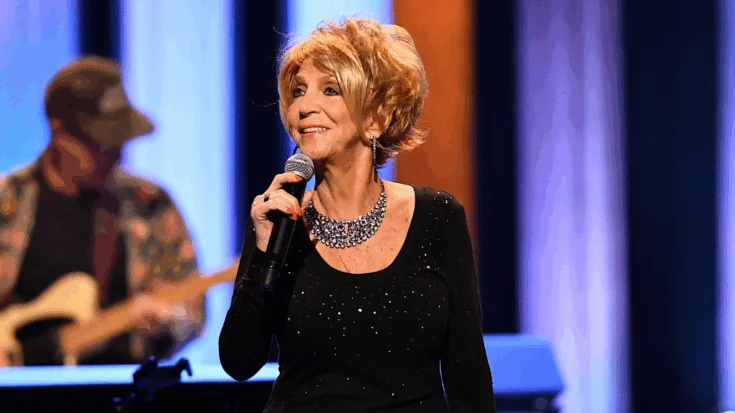
classiccountrymusic.com
Jeannie Seely
Birthday:
05 Jul, 1940
Date of Death:
31 Jul, 2025
Cause of death:
Intestinal Infection
Nationality:
American
Famous As:
American singer
Age at the time of death:
85
Marilyn Jeanne Seely's Quote's

“I know how blessed I am to have pretty good health and this longevity in this career I thought would be over so long ago.”
Marilyn Jeanne Seely
🔗 deadcelebrityhub.com
Early Life
Jeannie Seely was a country music trailblazer whose voice, wit, and fierce independence reshaped what it meant to be a woman in Nashville. Nicknamed “Miss Country Soul,” she combined heartfelt ballads with daring style, racking up hits, breaking norms, and becoming one of the most enduring presences onstage—not just in the charts but in the hearts of her audience. Her life was a journey of small-town beginnings, brushings with fame, daring reinventions, and a devotion to music that lasted well into her 80s.
Marilyn Jeanne Seely was born on July 6, 1940, in Titusville, Pennsylvania, and grew up on a farm near Townville as the youngest of four children. Her father was both a steel-mill worker and, on weekends, a banjo player at square dances. Her mother sang around the house. From early on, music was always present—family pick-ups, songs on the radio, the Grand Ole Opry broadcasts crackling in the background.
By age eleven, Jeannie was already appearing on radio shows in Meadville; later, she sang on local TV in Erie. In high school she was an honors student and a cheerleader—but also felt the sting of being teased for daring to sing country music and for coming from humble means. Those years shaped her both in voice and in resolve.
Education & Formative Influences
After graduating from high school in 1958, Jeannie took work as a stenographer and secretary locally. But the pull toward music was strong. A winter storm one Easter threatened her car, getting stuck in snow, which pushed her to think of moving somewhere warmer—and freer. In 1961, she drove to Southern California in her MGA Roadster. There she worked odd jobs—bank, record label secretarial work—for the chance to be close to music. She also sang on a television program in California, did some deejay work on Armed Forces Radio, and wrote songs for other country performers. All of this sharpened her skills: song selection, performance chops, professionalism, and the courage to bet on herself.
Career Journey
Jeannie’s career unfolded in phases: breakout success, establishment & experimentation, boundary-pushing, and later legacy and resilience.
Phase One: Breakout Success
Mid-1960s marked her arrival in a big way. She moved to Nashville, and in relatively short order recorded “Don’t Touch Me,” a song of longing. The song flew up the country charts and won her a Grammy, putting her among a small group of female country performers who had achieved that level of recognition so quickly. It opened doors, led to more recording contracts, more live performance bookings, and membership in the Grand Ole Opry in 1967—an institution she already felt part of, having grown up listening to that radio signal.
Phase Two: Hits, Duets, and Expanding Range
After “Don’t Touch Me,” Jeannie collected other memorable songs: “A Wanderin’ Man,” “I’ll Love You More (Than You’ll Need),” and a duet with Jack Greene, “Wish I Didn’t Have to Miss You.” She was not only a solo act but also excelled in partnerships—and her voice, emotional but controlled, allowed her to straddle classics, ballads, and lighter up-tempo numbers. Her songwriting also found its way into the repertoires of other country stars. As the 1970s moved on, she didn’t just rest on early success; she tried new sounds, new recordings, bluegrass influences, live shows, and theatrical work.
Phase Three: Breaking the Mold and Continued Evolution
Jeannie Seely was among the women in country music who pushed against expectation. She became the first woman to regularly host segments of the Grand Ole Opry, and she made statements of style—for example, wearing a miniskirt on the Opry stage when that was still controversial. These were not just fashion choices; they were gestures of agency, saying she would present herself as she chose.
She kept recording and performing across decades. Even when her chart peaks had passed, she remained relevant—releasing albums, doing shows, hosting radio programs, collaborating, writing, and continuing to shape what authenticity in country music meant.
Phase Four: Later Years, Health, and Lasting Presence
Into her 80s, Jeannie remained active. She hosted a weekly radio show (“Sundays with Seely”), continued doing performances at the Grand Ole Opry, and released new music. Her later years were marked not only by the honors bestowed upon her but also by health challenges: surgeries, recovery, ICU stays. Yet in spite of those, she showed up, worked, made music, and continued to connect with fans.
Jeannie Seely died on August 1, 2025, in Hermitage, Tennessee, at age 85 following complications from an intestinal infection. Her departure prompted widespread reflection on a career that had spanned more than 60 years.
Personal Life
Jeannie was married twice. Her first marriage was to Hank Cochran, a songwriter who also wrote “Don’t Touch Me.” They married in 1969 and divorced in 1979. Later she married Gene Ward; he died in late 2024. She had children and also was known for her mentorship of younger artists, her humor, her plainspoken charm, and her philanthropic efforts in country music, especially in support of artist rights and industry welfare.
She was not just a performer but also a storyteller, a writer—publishing a book of witticisms, contributing to musical theatre, acting in stage plays, doing occasional screen work, and staying engaged in the full breadth of music and performing arts.
Legacy
Jeannie Seely’s legacy is rich, layered, and enduring.
She is remembered as a singer whose voice carried both vulnerability and strength; whose hit songs became country standards.
She broke through barriers: being the first woman regularly hosting on the Opry, daring stylistically, supporting her own agency in an industry long constrained by tradition.
Her record number of performances at the Grand Ole Opry (over five thousand) indicate more than stamina—they reflect deep love of the stage and deep connection with audiences.
She inspired generations of female country artists to assert themselves, to be more visible, more individual, more authentic.
She was also a songwriter, not just an interpreter—her songs were recorded by peers; she helped carry forward the tradition where women in country were not just voices but creative agents.
Conclusion
Jeannie Seely’s life was a slow-build masterpiece of perseverance, voice, and authenticity. From a farm in Pennsylvania to becoming one of country music’s most beloved figures, she carried with her both the roots of small-town America and the power of bold expression. Her story isn’t just about hits or awards—but about insisting on a place at the microphone, changing expectations, showing what it means to refuse quiet, and using her art to build connection. As her voice now falls silent, the echoes remain—of songs, of courage, of the many nights she stood under the Opry lights. Her legacy will live in every note sung in grand halls and every small listening room where someone still hears her and feels courage to sing too.
Profile Snapshot
Name:
Marilyn Jeanne Seely
Popular Name:
Jeannie Seely
Gender:
Female
Cause of Death:
Intestinal Infection
Spouse:
Hank Cochran
Gene Ward
Place of Birth:
Titusville, Pennsylvania, U.S.
Place of Death:
Hermitage, Tennessee, U.S.
Occupation / Profession:
American singer
Songwriter
Record producer
Author
Personality Type
Campaigner: Jeannie Seely was a charismatic and compassionate leader in her field, combining soulful artistry, courageous nonconformity, and a nurturing spirit that inspired others while steadfastly pursuing her art and values
Marilyn Jeanne Seely's Interesting Facts
Jeannie Seely is known as the “First Lady of the Grand Ole Opry” and has been a member since 1967.
She won a Grammy Award in 1967 for her hit song “Don’t Touch Me.”
Seely is also a talented songwriter, having co-written several of her own hits and songs for other artists.
Beyond performing, she has hosted radio shows and contributed to preserving country music history.
Achievements & Awards
Jeannie Seely earned a Grammy Award in 1967 for her hit “Don’t Touch Me,” marking a major milestone in her career. She became a member of the Grand Ole Opry the same year and has since performed there more than any other artist. More recently, she was honored with the CMA’s Joe Talbot Award in 2023 and received the Jo Walker-Meador Lifetime Achievement Award in 2024 for her lasting impact on country music.
External Links
Additional Links
Latest Profiles
People also viewed
Jimi Hendrix
Born27 Nov, 1942
Died18 Sep, 1970
NationalityAmerican
Age at time of death27
Irving Berlin
Born11 May, 1888
Died22 Sep, 1989
NationalityAmerican
Age at time of death101
George Harrison
Born25 Feb, 1943
Died29 Nov, 2001
NationalityBritish
Age at time of death58
Eva Crane
Born12 Jun, 1912
Died06 Sep, 2007
NationalityBritish
Age at time of death95
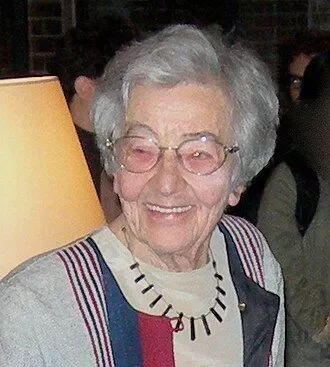
Ursula Franklin
Born16 Sep, 1921
Died22 Jul, 2016
NationalityGerman, Canadian
Age at time of death94
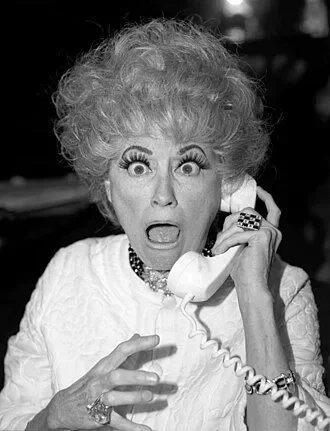
Phyllis Diller
Born17 Jul, 1917
Died20 Aug, 2012
NationalityAmerican
Age at time of death95
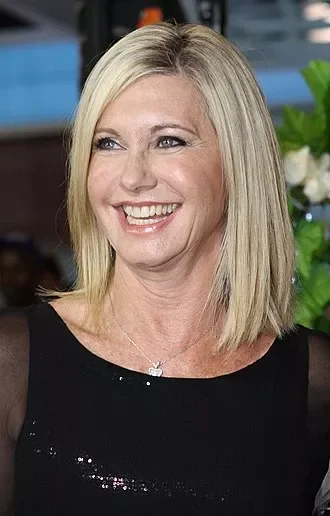
Olivia Newton-John
Born26 Sep, 1948
Died08 Aug, 2022
NationalityBritish, Australian
Age at time of death73
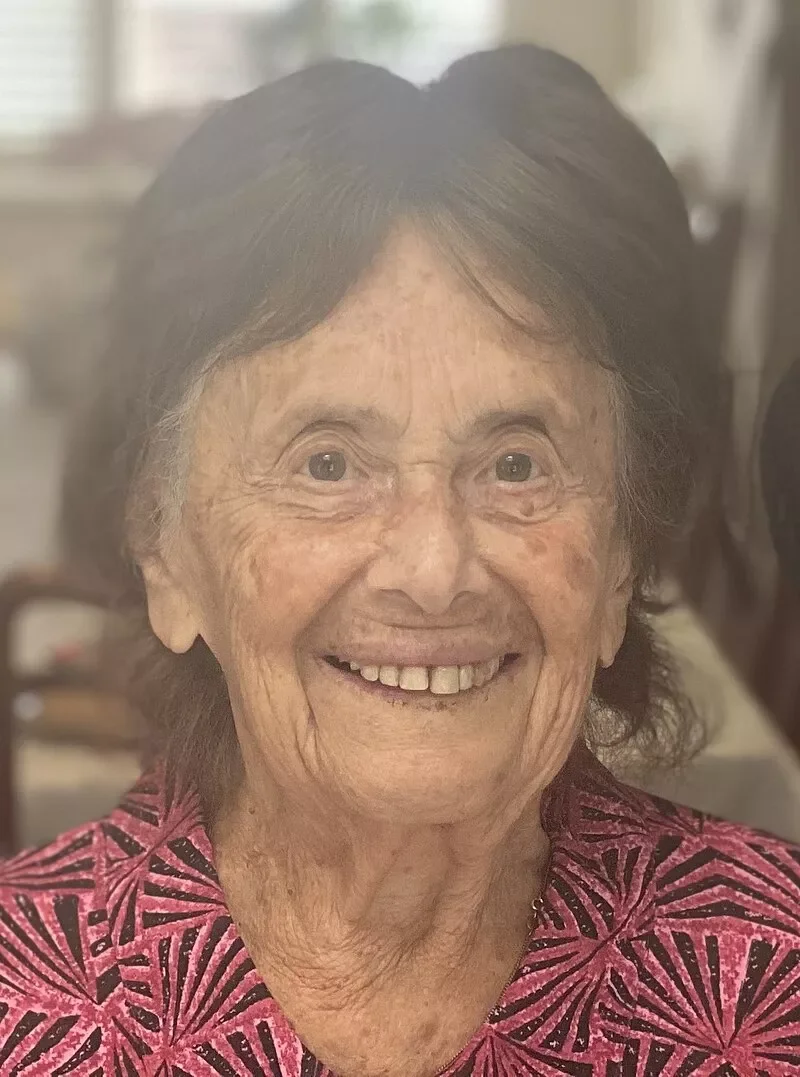
Lily Ebert
Born29 Dec, 1923
Died09 Oct, 2024
NationalityHungarian, British
Age at time of death100
Jonas Cohn
Born01 Dec, 1869
Died28 Jan, 1947
NationalityGerman
Age at time of death77
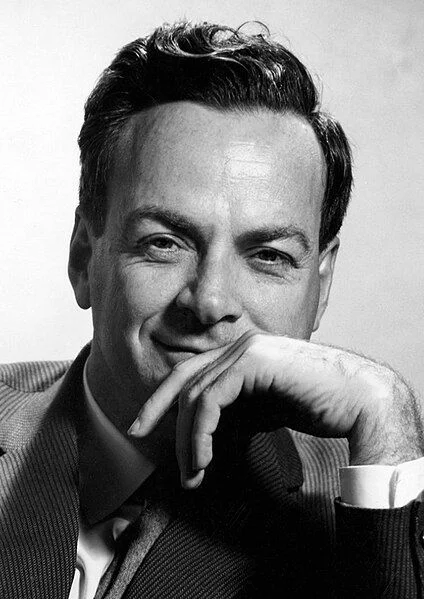
Richard Feynman
Born11 May, 1918
Died15 Feb, 1988
NationalityAmerican
Age at time of death69
Jim Morrison
Born08 Dec, 1943
Died03 Jul, 1971
NationalityAmerican
Age at time of death27
Biz Markie
Born08 Apr, 1964
Died16 Jul, 2021
NationalityAmerican
Age at time of death57

Marshall Brain
Born17 May, 1961
Died20 Nov, 2024
NationalityAmerican
Age at time of death63
Barry White
Born12 Sep, 1944
Died04 Jul, 2003
NationalityAmerican
Age at time of death58
Tina Turner
Born26 Nov, 1939
Died24 May, 2023
NationalityAfrican, American
Age at time of death83
Eric Morecambe
Born14 May, 1926
Died28 May, 1984
NationalityBritish
Age at time of death58
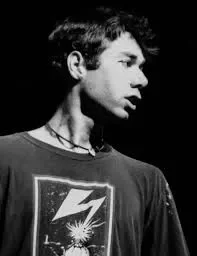
Adam Yauch
Born05 Aug, 1964
Died04 May, 2012
NationalityAmerican
Age at time of death47
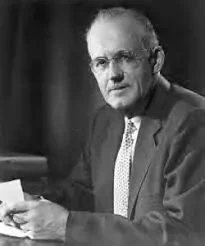
A. W. Tozer
Born21 Apr, 1897
Died12 May, 1963
NationalityAmerican, Canadian
Age at time of death66
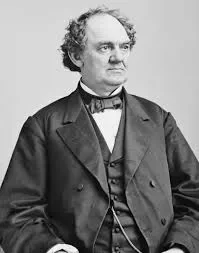
P. T. Barnum
Born05 Jul, 1810
Died07 Apr, 1891
NationalityAmerican
Age at time of death80
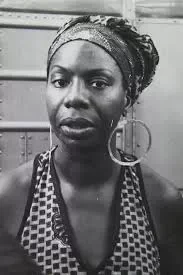
Nina Simone
Born21 Feb, 1933
Died21 Apr, 2003
NationalityAmerican
Age at time of death70