Real Celebrities Never Die!
OR
Search For Past Celebrities Whose Birthday You Share
Died Age: 63
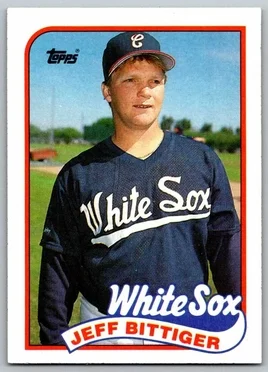
www.baseball-reference.com
Jeff Bittiger
Birthday:
12 Apr, 1962
Date of Death:
18 Jul, 2025
Cause of death:
Cancer
Nationality:
American
Famous As:
American professional baseball player
Age at the time of death:
63
Jeffrey Scott Bittiger's Quote's

“He battled challenges privately for years but never stopped working until the very end. He always cared about being great.”
Jeffrey Scott Bittiger
🔗 deadcelebrityhub.com
Early Life
Jeff Bittiger was a left-standing right-handed pitcher whose major league career was brief but who invested decades more in baseball through scouting, development and mentorship. He was never one of the big stars, but his story is one of persistence, adaptation, and a life built around loving the game—through wins and losses, through minor leagues and front offices.
Jeffrey Scott Bittiger was born on April 13, 1962, in Jersey City, New Jersey, and raised in Secaucus. As a young athlete he showed promise both at bat and on the mound—playing as an infielder and catcher early in high school, then shifting increasingly to pitching. His high school career included standout seasons: dominating performances on the mound, high strikeout totals, led his team to state championship games, and showed both natural ability and competitive fire.
He was drafted out of high school in 1980, seventh round, by the New York Mets—an early vindication of both his potential and his willingness to postpone other paths (like college athletics) to pursue professional baseball.
Education & Formative Influences
Although he paid his dues largely in the minor leagues, those years were his education. He learned adjustments—how to throw different pitches, how to recover from tough outings, how to handle the pressure of being counted on late in games. The minor leagues demanded mental toughness as much as physical skill. His early identity as a two-way player (pitcher and position roles) also instilled in him versatility and humility: he understood many sides of the game.
Career Journey
Jeff Bittiger’s professional life shaped itself in phases: climbing through the minors; reaching the majors; struggling for consistency; transitioning to roles beyond the mound.
Phase One: Minor Leagues & Climbing
After being drafted, Bittiger spent several years working his way up through the Mets’ minor-league system. He worked many seasons refining his pitching, sometimes starting, often relieving, trying to earn the opportunity, facing setbacks like tough outings, injuries, and competition from other prospects.
Phase Two: Major League Debut and Limited Time at the Top
He finally broke into the majors with the Philadelphia Phillies late in the 1986 season. His debut came in September; over the next few seasons, he pitched for a few different teams (Phillies, Twins, White Sox). His biggest stretch came in 1988, when he appeared in many games for Chicago, including several starts. While his earned run average fluctuated, and he didn’t become a long-term fixture in the rotation, he managed some wins, showed flashes of competence, and held his own in a highly competitive field.
Phase Three: Struggles, End of Major League Time, Minor League & Independent Play
After a handful of seasons in the big leagues, Bittiger’s opportunities declined. Performance was inconsistent; roles shifted; he no longer had the regular spot in the majors. Yet he kept playing—returning to the minors, playing in independent leagues, trying to stay sharp. That long haul—playing professionally into his forties—spoke to his love of baseball more than glory. It showed resilience: staying with a career even when the bright lights dim.
Phase Four: Transition to Scouting and Mentor Roles
Once his pitching days wound down, Bittiger didn’t step away from the sport. He moved into scouting and player-development roles. He worked for the Oakland Athletics, among others, evaluating young talent, sharing what he had learned from both successes and failures. Those later roles allowed him to influence the next generation—not by pitching in games, but by shaping who got chances, who improved, who made it.
Personal Life
Raised in a working-class family, Bittiger’s early life included the kind of support and sacrifice typical of many who reach professional sports: parents and siblings cheering, driving, sacrificing for equipment and training. Off the field, those who knew him described him as someone who was tough but fair, mentor-minded, someone who didn’t forget what it was like to be chasing a dream.
In his later years, even as health or age slowed him, he reportedly continued to stay involved—watching games, scouting, talking to young players, remaining connected to baseball.
Legacy
Jeff Bittiger will be remembered not for a Hall of Fame career, but for something perhaps more deeply rooted: for persistence, for love of the game, for showing that baseball is not only about superstars but about all the players who grind, who make adjustments, who show up.
Some of the things he leaves behind:
A record of having made it to the majors, however briefly, and navigating that transition with courage.
A long playing career in the minors and independent leagues, showing that “time played” does not mean only in spotlight but in experience.
A later life in scouting and player development—helping others, identifying talent, passing on knowledge.
A reputation among peers as someone who loved baseball enough to stay, enough to teach, enough to believe in the next players.
Conclusion
Jeff Bittiger’s story is an honest one: full of peaks and valleys, of promise, struggle, small victories, and long stretches of work unseen by large crowds. He was a pitcher who made it to the big leagues, yes, but more than that, he was someone who built a lifelong identity around baseball—not fame, but craft and contribution. His legacy is in every young player he scouted, every minor-league field where he pitched, every conversation about what it takes to keep going when it’s hard. Among baseball’s many stories, his is one of heart.
Profile Snapshot
Name:
Jeffrey Scott Bittiger
Popular Name:
Jeff Bittiger
Gender:
Male
Cause of Death:
Cancer
Spouse:
Unknown
Place of Birth:
Jersey City, New Jersey, U.S.
Place of Death:
Saylorsburg, Pennsylvania, U.S.
Occupation / Profession:
American professional baseball player
Personality Type
Virtuoso: Jeff Bittiger was a quietly dedicated and principled professional — steadfast, humble, deeply committed to his craft — whose perseverance, love for the game, and willingness to mentor others defined his character more than any personal spotlight ever could.
Jeffrey Scott Bittiger's Interesting Facts
Jeff Bittiger was drafted by the New York Mets in the 7th round of the 1980 MLB Draft and made his major league debut with the Philadelphia Phillies in 1986.
He won a World Series championship with the Minnesota Twins in 1987, contributing to their first-ever title.
After retiring from professional play at age 40, Bittiger spent 22 years as a scout for the Oakland Athletics, where he signed All-Star closer Andrew Bailey.
He continued to play independent baseball until age 40 and served in various roles, including coaching and front office positions, with the Fargo-Moorhead RedHawks.
Achievements & Awards
Jeff Bittiger earned several honors throughout his baseball career. In 1982, he was named Pitcher of the Year in the Texas League and also received recognition as the top Double-A player in the Mets organization. Later, he was honored as Independent Player of the Decade for the 1990s and was inducted into the American Association Hall of Fame in 2025.
External Links
Latest Profiles
People also viewed
Jackie Robinson
Born31 Jan, 1919
Died24 Oct, 1972
NationalityAmerican
Age at time of death53