Real Celebrities Never Die!
OR
Search For Past Celebrities Whose Birthday You Share
Died Age: 87
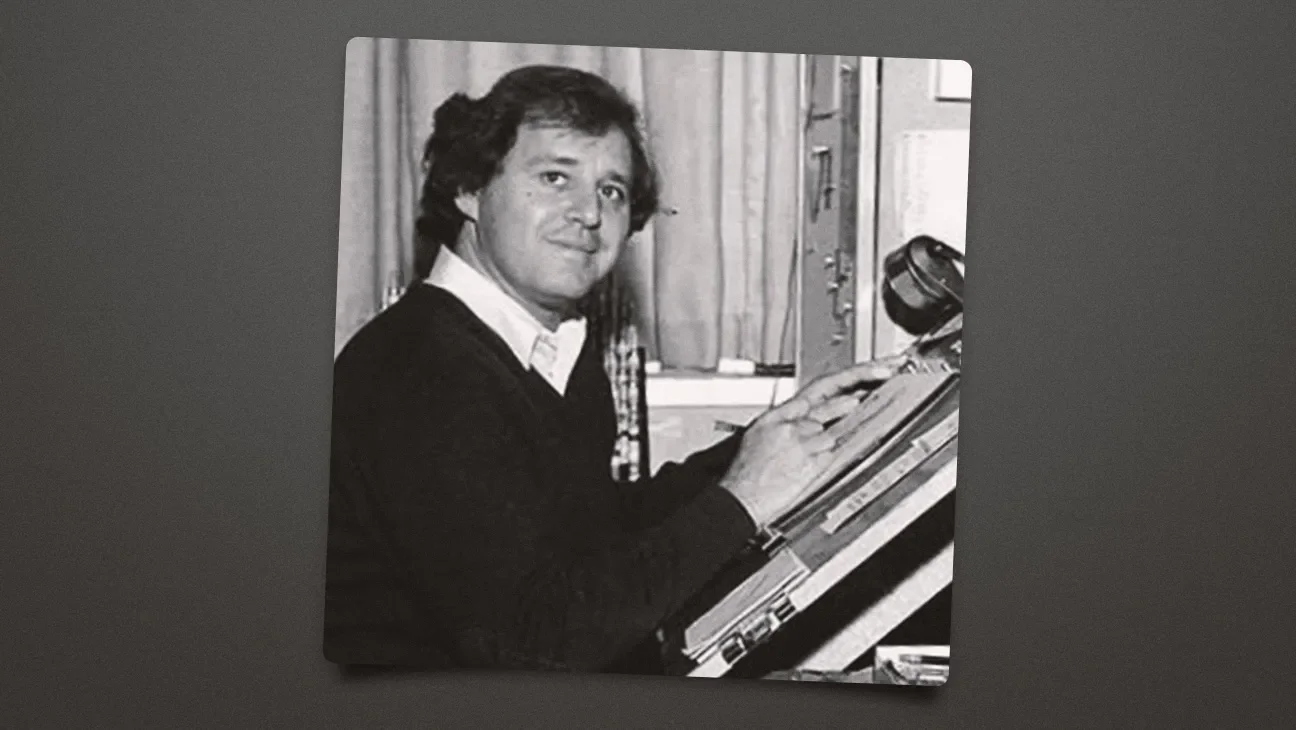
www.animationmagazine.net
Jerry Eisenberg
Birthday:
02 Dec, 1937
Date of Death:
10 Feb, 2025
Cause of death:
Pneumonia
Nationality:
American
Famous As:
American television producer
Age at the time of death:
87
Jerry Eisenberg's Quote's

“Animation is about bringing drawings to life — not just moving them, but giving them a soul.”
Jerry Eisenberg
🔗 deadcelebrityhub.com
Early Life: A Legacy in Ink and Imagination
Jerry Eisenberg has spent a lifetime bringing lines to life — not just the ones sketched on paper, but the ones that connect people through laughter, nostalgia, and timeless stories. A master of Saturday morning animation, his career spans the golden age of television cartoons, where he helped shape the childhoods of millions through his work on The Jetsons, Scooby-Doo, and countless other classics. For Eisenberg, animation was never just a job; it was an inheritance, a language of creativity passed from father to son, and a canvas on which imagination could run wild.
Born into an artistic household in the 1940s, Jerry Eisenberg was surrounded by the hum of creativity from the very start. His father, Harvey Eisenberg, was already a respected figure in animation — a layout artist and cartoonist who worked closely with the legendary William Hanna and Joseph Barbera during the MGM era. As a child, Jerry watched his father transform blank sheets into bustling worlds of character and comedy.
Growing up in this environment, drawing wasn’t simply a pastime; it was a form of communication. Jerry often recalled sitting by his father’s drawing board, mesmerized by the effortless way pencil strokes became stories. That early exposure to the craft planted in him both a deep respect for animation’s artistry and a belief that cartoons could speak across generations.
Education: Learning to See the World in Frames
While formal records of Jerry’s education are modest compared to his hands-on training, his greatest education came from the animation studios themselves. After high school, Eisenberg followed in his father’s footsteps, taking on apprenticeships and entry-level positions in studios where he could observe masters at work. His early career was a classroom without walls — where he learned composition, timing, and the elusive rhythm that makes a still image come alive.
He studied not just how to draw, but how to animate emotion — to make characters breathe, gesture, and connect with audiences through subtle movement. This foundational period shaped his lifelong philosophy: that every line on the page should have purpose and personality.
Early Career: Drawing His Way Into Television History
Jerry’s professional journey began at Hanna-Barbera, the beating heart of American television animation in the 1960s. The studio, known for its inventive yet economical approach to TV cartoons, was an ideal training ground for a young artist eager to experiment. Eisenberg quickly proved his versatility, working as a layout artist and designer on a roster of shows that would become pop culture touchstones: The Jetsons, Jonny Quest, The Flintstones, and Wacky Races.
Each project honed his eye for visual storytelling. He developed a knack for crafting expressive characters within the constraints of television budgets — an art in itself. His work helped define the sleek, futuristic look of The Jetsons and the kinetic energy of Wacky Races, setting a standard for animated world-building that would echo through decades of Saturday morning programming.
Major Achievements and Turning Points: The Ruby-Spears Years
By the 1970s, Eisenberg had moved beyond the drawing board to take on leadership roles in the evolving animation landscape. He joined forces with Joe Ruby and Ken Spears, two fellow Hanna-Barbera veterans who founded Ruby-Spears Productions. There, Jerry found a new creative home where he could shape stories from the ground up — as a producer, designer, and storyteller.
At Ruby-Spears, Eisenberg worked on a variety of beloved series, including Fangface, Thundarr the Barbarian, and Heathcliff and Marmaduke. His signature style — expressive, character-driven, and full of heart — continued to shine through.
A pivotal moment came when he helped bring Scooby-Doo to life in its early conceptual stages. Though Hanna-Barbera ultimately produced the show, Eisenberg’s fingerprints were all over the character designs and tone. It was a testament to his instinct for what children would love — a blend of mystery, humor, and warmth that would make Scooby-Doo one of the longest-running franchises in animation history.
Later Career: A Mentor and Keeper of Animation’s Spirit
As the animation industry evolved through the 1980s and 1990s, with new technologies and shifting audiences, Eisenberg remained a steadfast advocate for craftsmanship. He continued to work on television specials and revivals, lending his expertise to new generations of artists. In his later years, he became a mentor — sharing not just techniques, but a deep respect for the collaborative spirit of animation.
Even as digital tools replaced pencils and acetate cels, Jerry stayed true to the belief that storytelling, not software, was at the heart of great animation. He was frequently invited to conventions, panels, and retrospectives, where fans and young animators alike sought his insight into the golden age of Saturday morning cartoons.
Personal Life: The Quiet Artist Behind the Frames
Beyond the studio walls, Eisenberg was known as humble, warm, and deeply loyal to his colleagues. Friends described him as “an animator’s animator” — someone who loved the process as much as the product. Though he preferred the background to the spotlight, his work spoke volumes about his values: imagination, teamwork, and joy.
A lesser-known fact: Eisenberg was also an avid collector of vintage cartoon memorabilia, often preserving sketches and cels not for profit, but for the sheer love of history. His home, it was said, was like a living archive of animation’s golden years.
Legacy: Drawing Joy Into Generations
Jerry Eisenberg’s legacy is etched not just in the history of animation, but in the memories of millions who grew up watching his creations flicker across Saturday morning screens. He helped define an era when cartoons were more than entertainment — they were a shared ritual, a common language of laughter and imagination.
Today, his influence lives on in the studios he helped shape, the artists he inspired, and the enduring appeal of the characters he helped design. Like the best animators, Eisenberg knew that true magic lies in the smallest gestures — a raised eyebrow, a mischievous grin, a moment of heart between frames. And through that magic, Jerry Eisenberg ensured that his work — much like the characters he drew — would never fade away.
Profile Snapshot
Name:
Jerry Eisenberg
Popular Name:
Jerry Eisenberg
Gender:
Male
Cause of Death:
Pneumonia
Spouse:
Anna Strout
Place of Birth:
New York City, U.S.
Place of Death:
Los Angeles, California, U.S.
Occupation / Profession:
American television producer
Animator
Storyboard artist
Character designer
Personality Type
Campaigner: Jerry Eisenberg was a quietly curious and wildly inventive creator, always tinkering with new forms of visual storytelling and eager to explore this craft from unconventional angles.
Jerry Eisenberg's Interesting Facts
Jerry Eisenberg was one of the key animators and designers behind classic Hanna-Barbera shows like The Jetsons, The Flintstones, and Scooby-Doo, Where Are You!
He began his animation career working under the legendary animator Chuck Jones at Warner Bros. Cartoons.
Eisenberg helped shape the look and feel of Saturday morning cartoons during the 1960s and 1970s.
In addition to his work in animation, he also designed comic book art for several Hanna-Barbera characters.
Achievements & Awards
In 2019, Jerry Eisenberg received the Golden Award in recognition of his outstanding contributions to the animation industry. Throughout his career, he was widely celebrated for his creative work and influence, even though he did not receive any Primetime Emmy nominations.
Latest Profiles
People also viewed
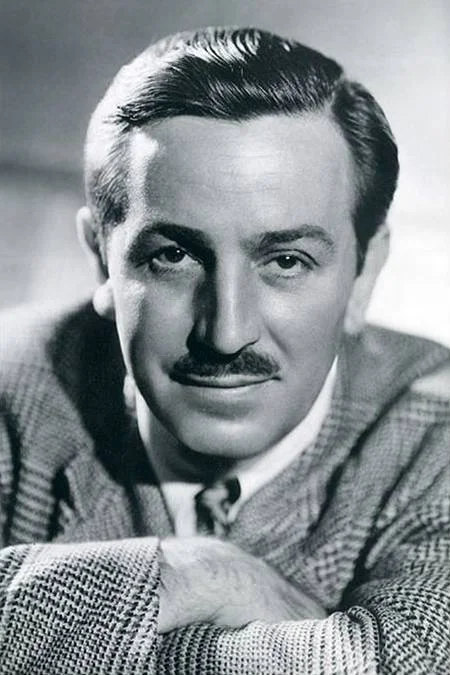
Walt Disney
Born05 Dec, 1901
Died15 Dec, 1966
NationalityAmerican
Age at time of death65
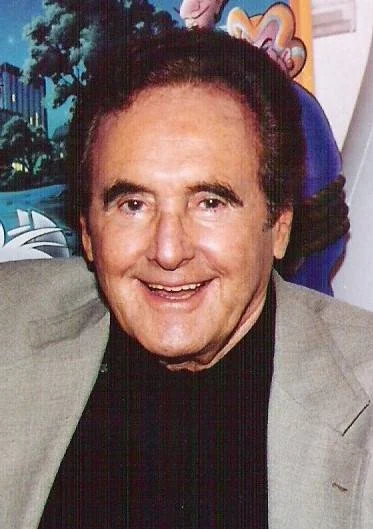
Joseph Barbera
Born24 Mar, 1911
Died18 Dec, 2006
NationalityAmerican
Age at time of death95
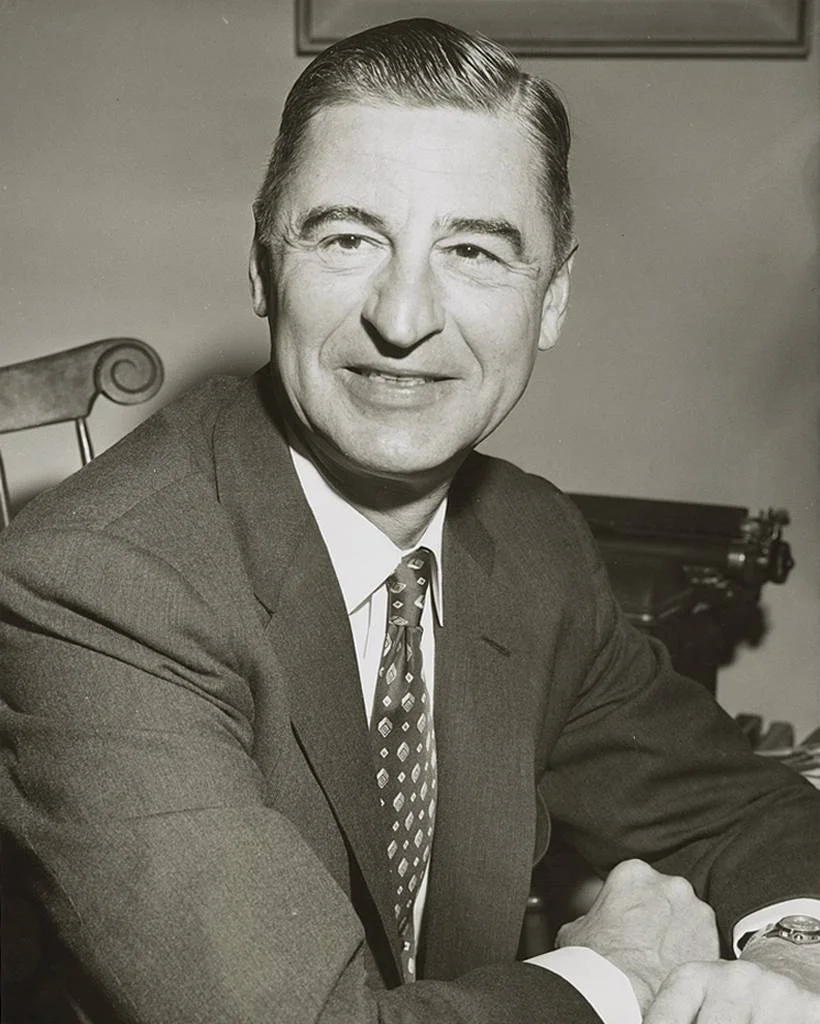
Dr. Seuss
Born02 Mar, 1904
Died24 Sep, 1991
NationalityAmerican
Age at time of death87
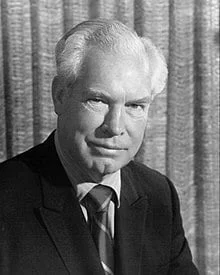
William Hanna
Born14 Jul, 1910
Died22 Mar, 2001
NationalityAmerican
Age at time of death90