Real Celebrities Never Die!
OR
Search For Past Celebrities Whose Birthday You Share
Died Age: 47
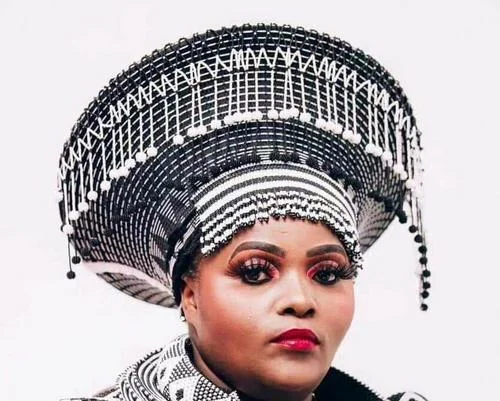
www.bona.co.za
Jessica Mbangeni
Birthday:
21 Aug, 1977
Date of Death:
30 Aug, 2024
Cause of death:
Short-term illness
Nationality:
South African
Famous As:
Actress
Age at the time of death:
47
Jessica Thembela Mbangeni's Quote's

“I am not just wearing beads, I am wearing my history.”
Jessica Thembela Mbangeni
🔗 deadcelebrityhub.com
Rooted in the Earth: Early Life
Jessica Mbangeni does not just speak; she summons storms with her voice. A poet, singer, cultural activist, and entrepreneur, she embodies the rich oral traditions of South Africa while forging new paths in music and business. With her signature Xhosa regalia and voice like thunder rolling over the veld, Mbangeni is a living bridge between the past and the present, a modern-day griot whose artistry celebrates African heritage while challenging societal norms. Whether reciting poetry before presidents or commanding stages with her music, she stands as a fierce custodian of culture.
Born in the Eastern Cape village of Nqamakwe, Jessica Mbangeni grew up surrounded by the rhythms of rural life—crackling fires, traditional songs sung by elders, and the ceremonial cadence of Xhosa praise poetry. She was raised in a close-knit family, where storytelling was not just entertainment but education. Her grandmother, a respected imbongi (praise poet), was her first mentor, teaching her the power of words and performance long before she set foot on a stage.
Jessica’s early life was marked by both the warmth of tradition and the harsh winds of apartheid-era inequality. Walking miles to school barefoot and often studying by candlelight, she learned not only endurance but imagination. Her home was filled with the music of Miriam Makeba and Brenda Fassie, igniting in her a fierce pride in African identity.
Learning to Roar: Education and Formative Years
Jessica’s path to prominence was anything but linear. She initially enrolled in Fort Hare University, known for producing some of Africa’s most influential leaders. Though financial constraints and the pull of the arts led her away from completing a formal degree, the academic environment deepened her understanding of political theory, history, and literature, which now echo through her poetry.
Her real education, she often says, came from the streets of Johannesburg, where she moved in search of opportunity. It was there that she joined the Market Theatre Laboratory, a crucible for raw talent and political performance. Surrounded by emerging voices and activist artists, she honed her craft not just as a performer but as a thinker, blending tradition with modern critique.
From Word to World: Career Journey
Early Career – A Voice Awakens
Jessica burst into the public eye as a praise poet at official ceremonies, a space long dominated by men. Her breakout moment came in 2004 when she performed at the presidential inauguration of Thabo Mbeki. Dressed in full traditional regalia, her voice rising with ancestral authority, she not only captivated the nation but redefined what it meant to be an imbongi in a modern democracy.
But she wasn’t content with just reciting poems. She was building a movement.
Major Achievements – Music, Activism, and Enterprise
Jessica evolved into a formidable musical force, founding the Afrocentric group “Jessica Mbangeni & the African Royalty.” Her debut album, iGoli, fused spoken word with Afro-jazz and traditional melodies, earning acclaim for its unapologetic celebration of African identity and its critique of social injustice. Songs like “iSililo” (The Cry) carried both the elegance of praise poetry and the rawness of political protest.
She has performed across the globe, from cultural festivals in Germany and Switzerland to United Nations events in New York, often serving as a cultural ambassador for South Africa. A striking figure in beads and feathers, she’s impossible to ignore, and that’s the point. “My attire is my message,” she once said. “I want people to see Africa in its power.”
In 2016, she founded KwaNtu Afrocentric Creations, a fashion label celebrating indigenous aesthetics through modern design. Her business became a platform not only for economic empowerment but for cultural reclamation, giving artisans and traditional makers a global stage.
Later Career – Expanding the Legacy
In recent years, Jessica has taken on mentorship roles, supporting young women in the arts and using poetry workshops as tools for healing and empowerment. She continues to challenge Eurocentric beauty standards and patriarchal systems through both her words and her public presence.
Jessica once declined a lucrative commercial contract because it required her to alter her traditional attire. “I am not for sale,” she told the producers. “This is not a costume. This is my crown.”
Behind the Voice: Personal Life
Away from the spotlight, Jessica is a mother, a spiritual seeker, and a lover of silence, which is ironic, considering she is known for her voice. She often returns to her ancestral home in the Eastern Cape to recharge and consult elders. Meditation, herbal remedies, and ancestral rituals are part of her daily life.
Known for her generosity and humour, she’s also famous among friends for cooking a mean umngqusho (samp and beans), a staple dish she believes holds ancestral wisdom.
A Legacy Written in Thunder
Jessica Mbangeni has reclaimed the role of the praise poet for a new era, using it as a tool for empowerment, education, and transformation. Her legacy lies in her fearless fusion of heritage and innovation, in how she wears her identity as both armour and art.
She has inspired a generation to speak boldly, dress unapologetically, and create without compromise. Like the griots of old, she has become a living archive of culture who doesn't just remember history but shapes it with every syllable she utters.
In a world constantly seeking authenticity, Jessica Mbangeni reminds us that true power lies in knowing who you are and daring to sing it aloud.
Profile Snapshot
Name:
Jessica Thembela Mbangeni
Popular Name:
Jessica Mbangeni
Gender:
Female
Cause of Death:
Short-term illness
Spouse:
Place of Birth:
Ngqamakhwe, South Africa
Place of Death:
Johannesburg, South Africa
Occupation / Profession:
Actress
Poet
Singer
Personality Type
Protagonist: Charismatic and inspiring leaders, able to mesmerise their listeners. Jessica Mbangeni is a powerful and passionate leader who uses her voice and vision to uplift others and celebrate African identity.
Jessica Thembela Mbangeni's Interesting Facts
She once performed a praise poem for Nelson Mandela’s memorial event, calling it the most spiritually intense moment of her career.
Jessica designs her stage outfits, each piece symbolising a story or cultural lineage.
She believes in spiritual fasting and regularly retreats to the mountains for ancestral connection and creative renewal.
Achievements & Awards
Jessica Mbangeni has performed on some of the world’s most prestigious stages, including the United Nations and presidential inaugurations in South Africa.
She has released acclaimed albums like iGoli, blending poetry and Afro-jazz to promote cultural pride.
As the founder of KwaNtu Afrocentric Creations, she has also made her mark in fashion, championing indigenous design on global platforms.
Her work has earned her recognition from both cultural institutions and international arts festivals for her contributions to African heritage and women's empowerment.
External Links
Latest Profiles
People also viewed
Jimi Hendrix
Born27 Nov, 1942
Died18 Sep, 1970
NationalityAmerican
Age at time of death27
Jesse Powell
Born12 Sep, 1971
Died13 Sep, 2022
NationalityAmerican
Age at time of death51
George Harrison
Born25 Feb, 1943
Died29 Nov, 2001
NationalityBritish
Age at time of death58
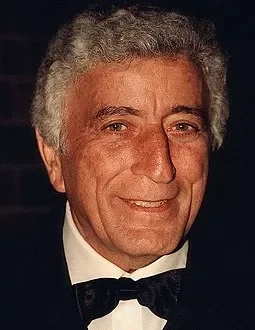
Tony Bennett
Born03 Aug, 1926
Died21 Jul, 2023
NationalityAmerican
Age at time of death96
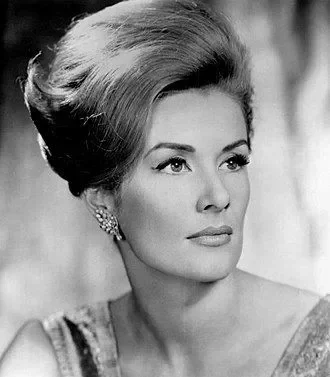
Sally Ann Howes
Born20 Jul, 1930
Died19 Dec, 2021
NationalityBritish, American
Age at time of death91
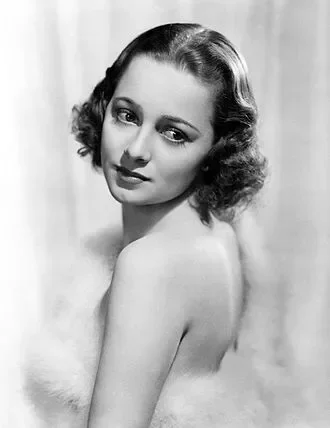
Olivia de Havilland
Born01 Jul, 1916
Died26 Jul, 2020
NationalityBritish, American
Age at time of death104
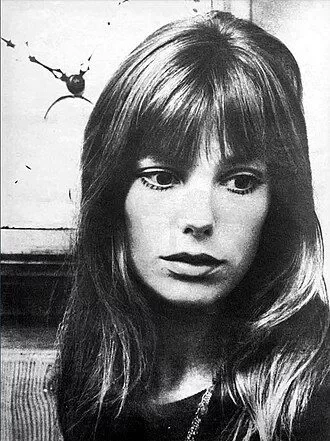
Jane Birkin
Born14 Dec, 1946
Died16 Jul, 2023
NationalityBritish, French
Age at time of death76
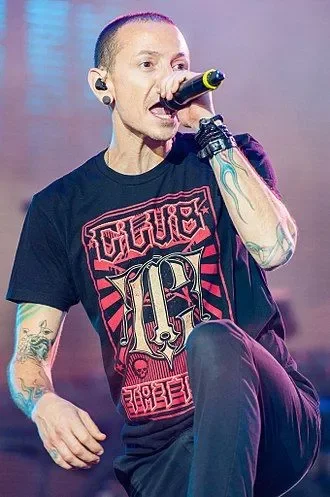
Chester Bennington
Born20 Mar, 1976
Died20 Jul, 2017
NationalityAmerican
Age at time of death41
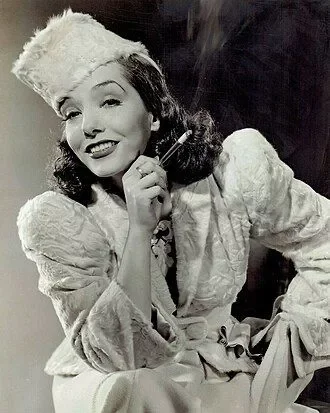
Lupe Vélez
Born18 Jul, 1908
Died14 Dec, 1944
NationalityMexican
Age at time of death36
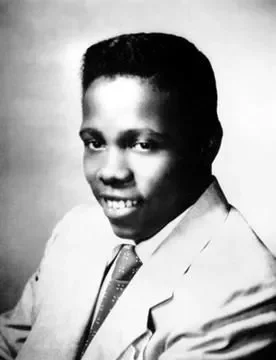
Johnny Ace
Born09 Jun, 1929
Died25 Dec, 1954
NationalityAmerican
Age at time of death25
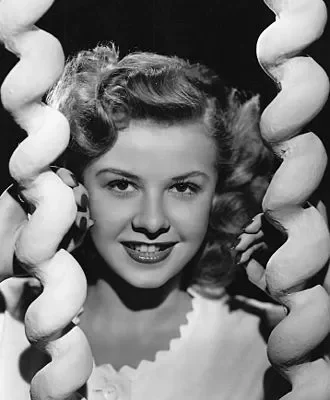
Vera-Ellen
Born16 Feb, 1921
Died30 Aug, 1981
NationalityAmerican German
Age at time of death60
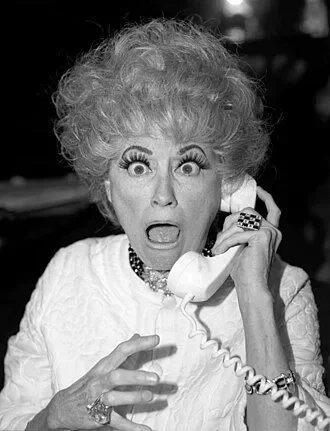
Phyllis Diller
Born17 Jul, 1917
Died20 Aug, 2012
NationalityAmerican
Age at time of death95
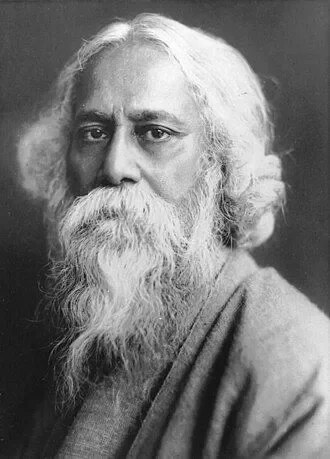
Rabindranath Tagore
Born07 May, 1861
Died08 Aug, 1941
NationalityIndian
Age at time of death80
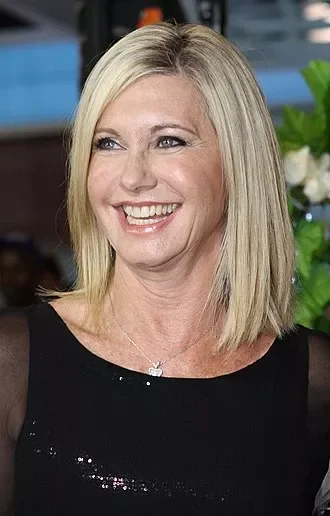
Olivia Newton-John
Born26 Sep, 1948
Died08 Aug, 2022
NationalityBritish, Australian
Age at time of death73
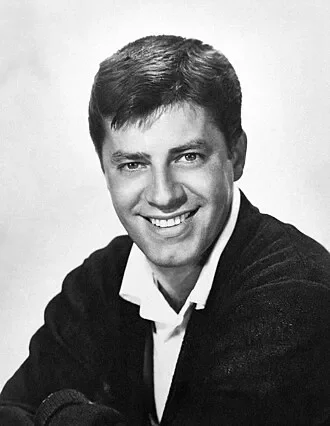
Jerry Lewis
Born16 Mar, 1926
Died20 Aug, 2017
NationalityAmerican
Age at time of death91
Cissy Houston
Born30 Sep, 1933
Died07 Oct, 2024
NationalityAmerican
Age at time of death91
Mary Martin
Born01 Dec, 1913
Died03 Nov, 1990
NationalityAmerican
Age at time of death76
Leonie Nelly Sachs
Born10 Dec, 1891
Died12 May, 1970
NationalityGerman, Swedish
Age at time of death78
Joyce Kilmer
Born06 Dec, 1886
Died30 Jul, 1918
NationalityAmerican
Age at time of death31
Jim Morrison
Born08 Dec, 1943
Died03 Jul, 1971
NationalityAmerican
Age at time of death27