Real Celebrities Never Die!
OR
Search For Past Celebrities Whose Birthday You Share
Died Age: 88
www.nytimes.com
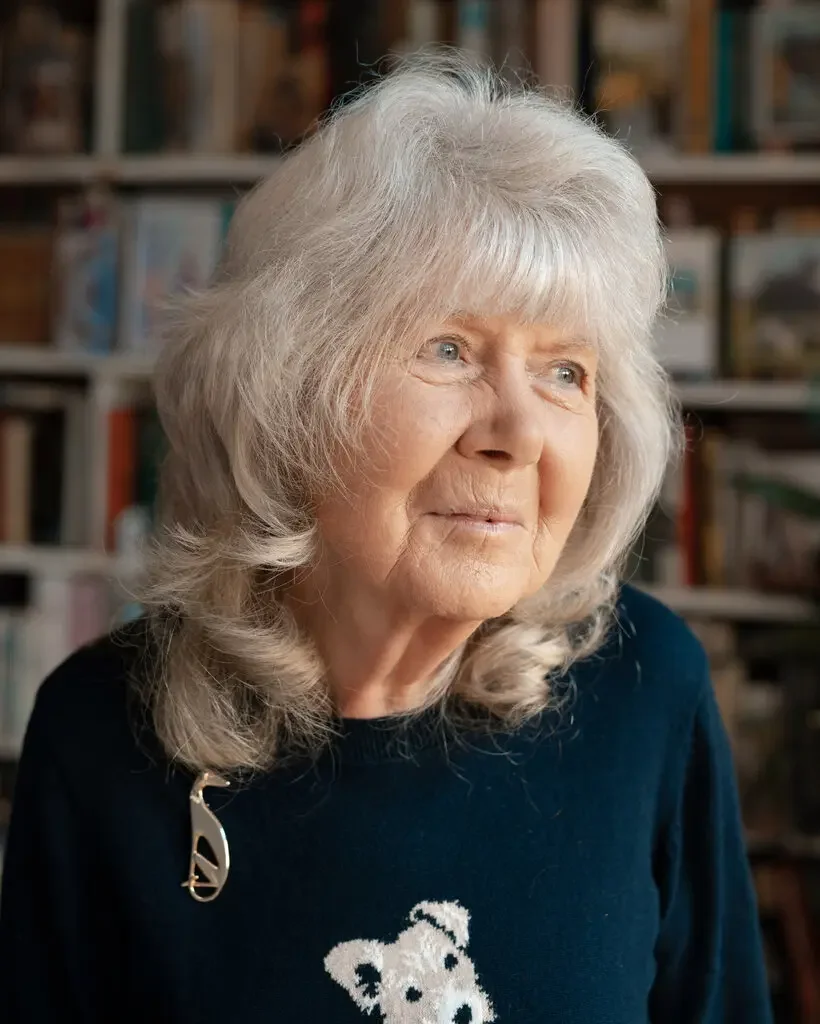
Jilly Cooper
Birthday:
20 Feb, 1937
Date of Death:
04 Oct, 2025
Cause of death:
Falling
Nationality:
British
Famous As:
English author
Age at the time of death:
88
Dame Jilly Cooper 's Quote's

“Love is a game where everyone cheats, but only the lucky ones get caught.”
Dame Jilly Cooper
🔗 deadcelebrityhub.com
Early Life: A Childhood of Books, Imagination, and Contradictions
Jilly Cooper has long been Britain’s queen of wit and romance — a writer whose novels shimmer with charm, scandal, and unflinching insight into the human heart. With her trademark mix of humor, sensuality, and social satire, Cooper has captured the rhythms of English life — from country estates and polo fields to newsroom corridors and chaotic kitchens. Behind the laughter and lavish storylines lies a sharp observer of class, desire, and resilience. Hers is a career built on curiosity, courage, and a lifelong love affair with words.
Born Jilly Sallitt on February 21, 1937, in Hornchurch, Essex, Jilly grew up during the Second World War — a time when imagination offered refuge from uncertainty. Her father, a decorated army officer, and her mother, a teacher and voracious reader, raised her with a mixture of discipline and intellectual curiosity. The family moved often, finally settling in Ilkley, Yorkshire, where Jilly’s quick wit and vivid storytelling began to take shape.
She was, by her own account, a shy but mischievous child — one who devoured books and daydreamed about horses, heroes, and happy endings. The contradictions of her upbringing — upper-middle-class manners mixed with working-girl determination — would later form the heart of her fiction: worlds of privilege observed with both affection and irony.
Education: Discovering Her Voice
Jilly attended Godolphin School in Salisbury, where she excelled in English and drama, before taking a brief secretarial course in London. Though she never pursued formal higher education, her real schooling came through reading — everything from Jane Austen and the Brontës to Evelyn Waugh and Nancy Mitford.
It was during her early years in London that she developed her distinct literary voice: funny, irreverent, and deeply humane. Working first in publishing and then in public relations, Jilly sharpened her ear for dialogue and developed a keen understanding of how people — particularly the English upper classes — spoke, flirted, and fumbled their way through life.
Early Career: From Journalism to a Literary Voice
In the early 1960s, Cooper began writing features and columns for British newspapers and magazines. Her first big break came at The Sunday Times, where her columns — frank, funny, and cheerfully confessional — quickly made her a household name. She wrote candidly about marriage, social climbing, and domestic chaos with a breezy honesty that resonated with readers, especially women navigating the shifting expectations of postwar Britain.
Her writing sparkled with wit but was underpinned by empathy. She once said, “I like people — I’m fascinated by them, even when they behave appallingly.” This fascination became the foundation of her later novels.
During this period, she also published a series of humorous nonfiction books, including How to Stay Married (1969) and Class (1979), the latter a tongue-in-cheek social anthropology that became a cult favorite.
Major Achievements and Turning Points: The “Rutshire Chronicles” and Literary Fame
The turning point came in 1975, when a lost manuscript — an early romantic novel — was rediscovered by her publisher. That novel, Emily, became Jilly’s fiction debut and set the stage for her rise as a novelist. But it was the “Rutshire Chronicles”, beginning with Riders in 1985, that turned her into a literary phenomenon.
Riders, with its mix of equestrian glamour, erotic escapades, and deliciously flawed characters, captured the spirit of 1980s Britain — ambitious, indulgent, and unapologetically entertaining. Its roguish hero, Rupert Campbell-Black, became one of fiction’s most enduring charmers.
The success of Riders led to a string of bestsellers — Rivals (1988), Polo (1991), The Man Who Made Husbands Jealous (1993), and Appassionata (1996) — each brimming with scandal, satire, and surprising depth. Though her books were often labeled “bonkbusters,” Cooper’s prose was both sophisticated and socially observant. She exposed hypocrisy and class anxiety with the same affection that she lavished on her characters’ triumphs.
Her storytelling also reflected her deep love for animals and the countryside — the horses, dogs, and rolling landscapes of Gloucestershire that became as vivid as any human character.
Challenges and Resilience: Triumph Through Adversity
Behind the laughter and success, Jilly faced her share of personal and professional challenges. She struggled with writer’s block in the late 1990s after her husband, Leo Cooper, was diagnosed with Parkinson’s disease. For years, she paused her writing to care for him, speaking openly about the toll and tenderness of that period.
Her eventual return with Wicked! (2006) and later Mount! (2016) marked not just a creative revival but a testament to her resilience. Even in her eighties, Jilly wrote with the same mischievous sparkle, her imagination undimmed.
A fascinating bit of trivia: Cooper famously wrote Riders by hand, often at her kitchen table surrounded by dogs, horses grazing outside, and a glass of champagne nearby. She once joked that her characters “wouldn’t behave” unless she gave them a little fizz.
Personal Life: Love, Loyalty, and the Comfort of Chaos
Jilly married Leo Cooper, a publisher and former army officer, in 1961. Their marriage — equal parts love story and comedy of manners — lasted nearly six decades until Leo’s passing in 2021. Together, they built a life in Gloucestershire, filled with books, animals, and endless visitors. Their home was famously chaotic — a whirl of muddy dogs, laughter, and literary manuscripts.
Jilly has always been open about her own contradictions: romantic yet realistic, sentimental yet fiercely independent. She once quipped, “I’m an optimist — which is just a pessimist who’s had a glass of champagne.”
Legacy: Britain’s Cheerful Chronicler of Desire and Decency
Jilly Cooper’s legacy lies in her rare ability to combine satire with sincerity. She made readers laugh, blush, and think — often all in the same paragraph. Her novels remain a celebration of joy, love, and human imperfection, offering escapism without cynicism.
Beyond her bestsellers, she’s remembered as a trailblazer for women in publishing — a journalist who wrote honestly about sex, marriage, and ambition long before it was fashionable to do so. Her generosity toward younger writers, her steadfast defense of good humor, and her ability to see dignity even in folly make her one of Britain’s most beloved literary figures.
Today, as she continues to write into her late eighties, Jilly Cooper stands not only as a bestselling author but as a national treasure — proof that intelligence and mischief can coexist beautifully on the page. Her worlds may be full of polo matches, affairs, and aristocratic spats, but at their heart, they remind us of something universal: that life, with all its absurdities, is still worth laughing — and writing — about.
Profile Snapshot
Name:
Dame Jilly Cooper
Popular Name:
Jilly Cooper
Gender:
Female
Cause of Death:
Falling
Spouse:
Leo Cooper
Place of Birth:
Hornchurch, Essex, England
Place of Death:
Bisley, Gloucestershire, England
Occupation / Profession:
English author
Journalist
Personality Type
Campaigner: Jilly Cooper was a vibrant, socially attuned storyteller who used her wit and insight to charm readers and lead them through vivid worlds of love, rivalry and class—with warmth, energy and keen human understanding.
Dame Jilly Cooper 's Interesting Facts
Jilly Cooper began her career as a journalist and became famous for her witty newspaper columns before turning to fiction.
Her breakthrough novel Riders (1985) turned her into a literary sensation and helped define the “bonkbuster” genre of glamorous, scandal-filled romance.
Cooper was awarded a CBE for services to literature and charity, recognizing her long and influential writing career.
Many of her novels are set in the fictional English county of Rutshire, a world she built over decades with recurring characters and interwoven stories.
Achievements & Awards
Jilly Cooper has received numerous prestigious awards throughout her career. She was honored with a Lifetime Achievement Award at the British Book Awards in 1998 and appointed an OBE in 2004 for her services to literature. In 2018, she was elevated to CBE and later made a Dame (DBE) in 2024 for her contributions to literature and charity. Additionally, she received the inaugural Comedy Women in Print Lifetime Achievement Award in 2019, recognizing her influence on comic women writers.
External Links
Latest Profiles
People also viewed
Clarice Lispector
Born10 Dec, 1920
Died09 Dec, 1977
NationalityBrazilian
Age at time of death56
Joyce Kilmer
Born06 Dec, 1886
Died30 Jul, 1918
NationalityAmerican
Age at time of death31
Rajendra Prasad
Born03 Dec, 1884
Died28 Feb, 1963
NationalityIndian
Age at time of death78
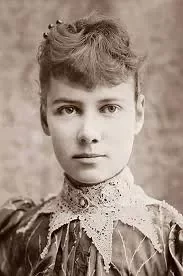
Nellie Bly
Born05 May, 1864
Died27 Jan, 1922
NationalityAmerican
Age at time of death57
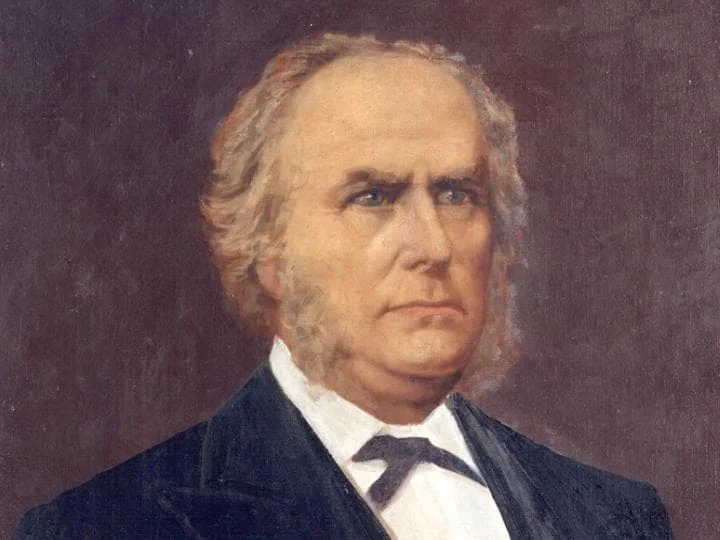
James Harrison
Born17 Apr, 1816
Died03 Sep, 1893
NationalityScottish,Australian
Age at time of death77
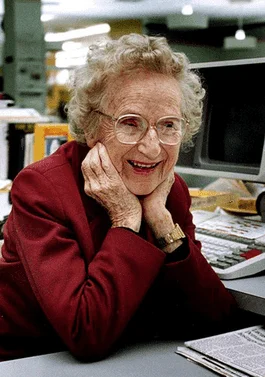
Carolyn Keene
Born20 Oct, 1925
Died28 May, 2002
NationalityAmerican
Age at time of death76
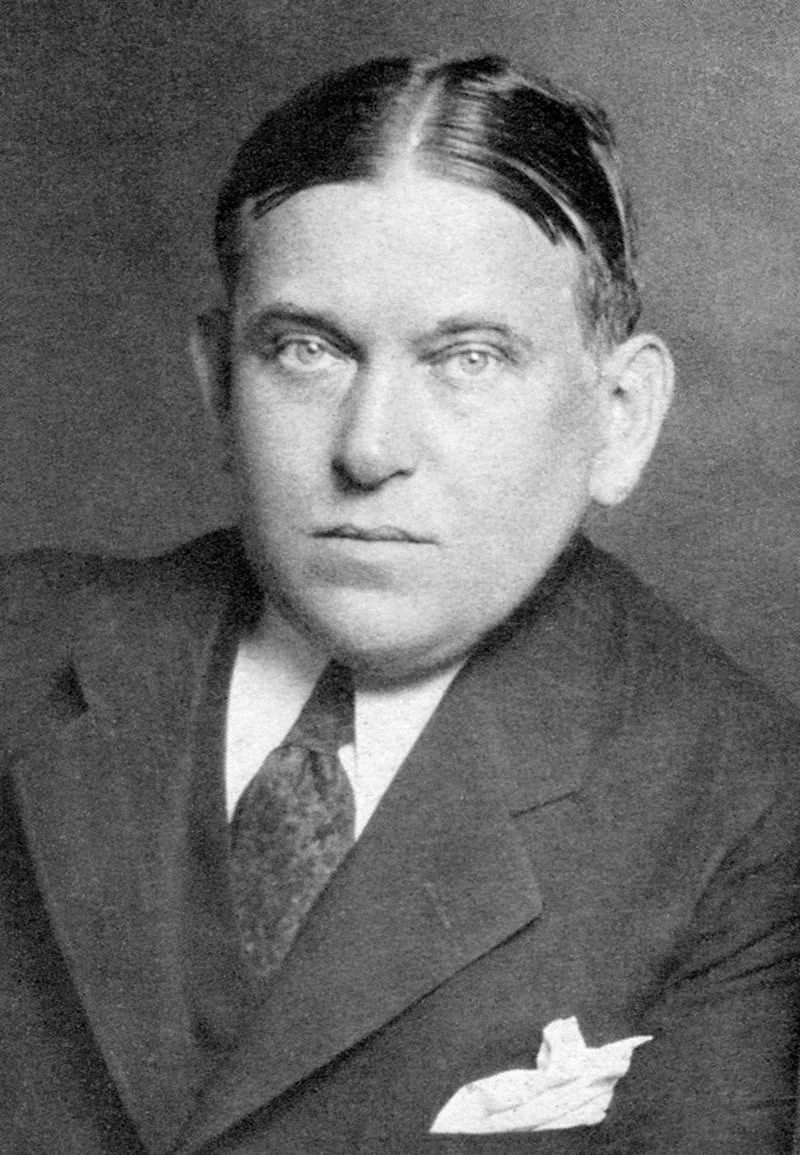
H. L. Mencken
Born12 Sep, 1880
Died29 Jan, 1956
NationalityAmerican
Age at time of death75
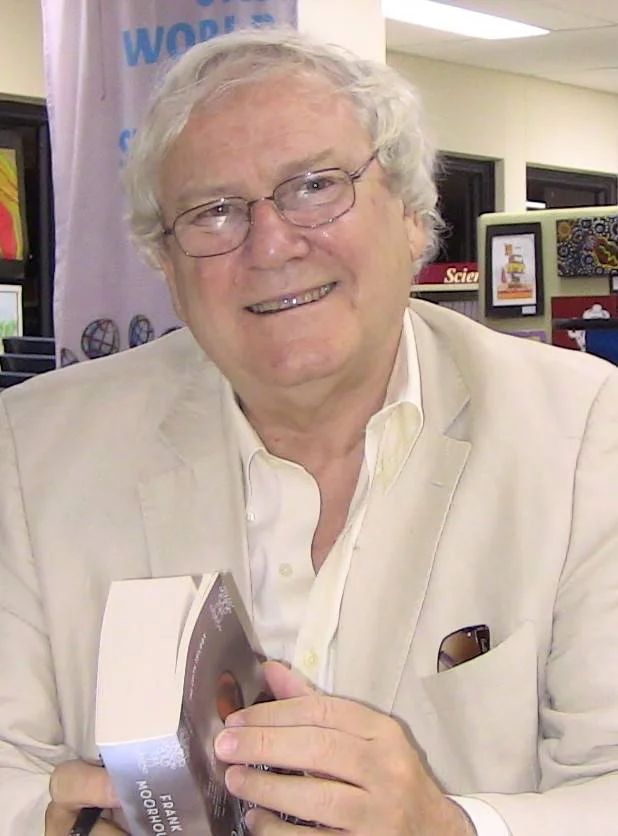
Frank Moorhouse
Born21 Dec, 1938
Died26 Jun, 2022
NationalityAustralian
Age at time of death83
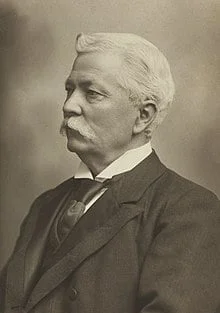
Henry Morton Stanley
Born28 Jan, 1841
Died10 May, 1904
NationalityAmerican, British
Age at time of death63
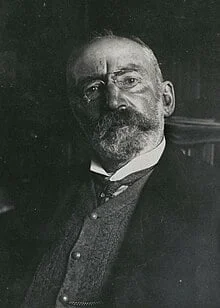
J. F. Archibald
Born14 Jan, 1856
Died10 Sep, 1919
NationalityAustralian
Age at time of death63

Gabriel Márquez
Born06 Mar, 1927
Died17 Apr, 2014
NationalityColombian, Mexican
Age at time of death87
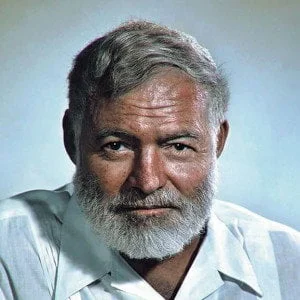
Ernest Hemingway
Born21 Jul, 1899
Died02 Jul, 1961
NationalityAmerican
Age at time of death61
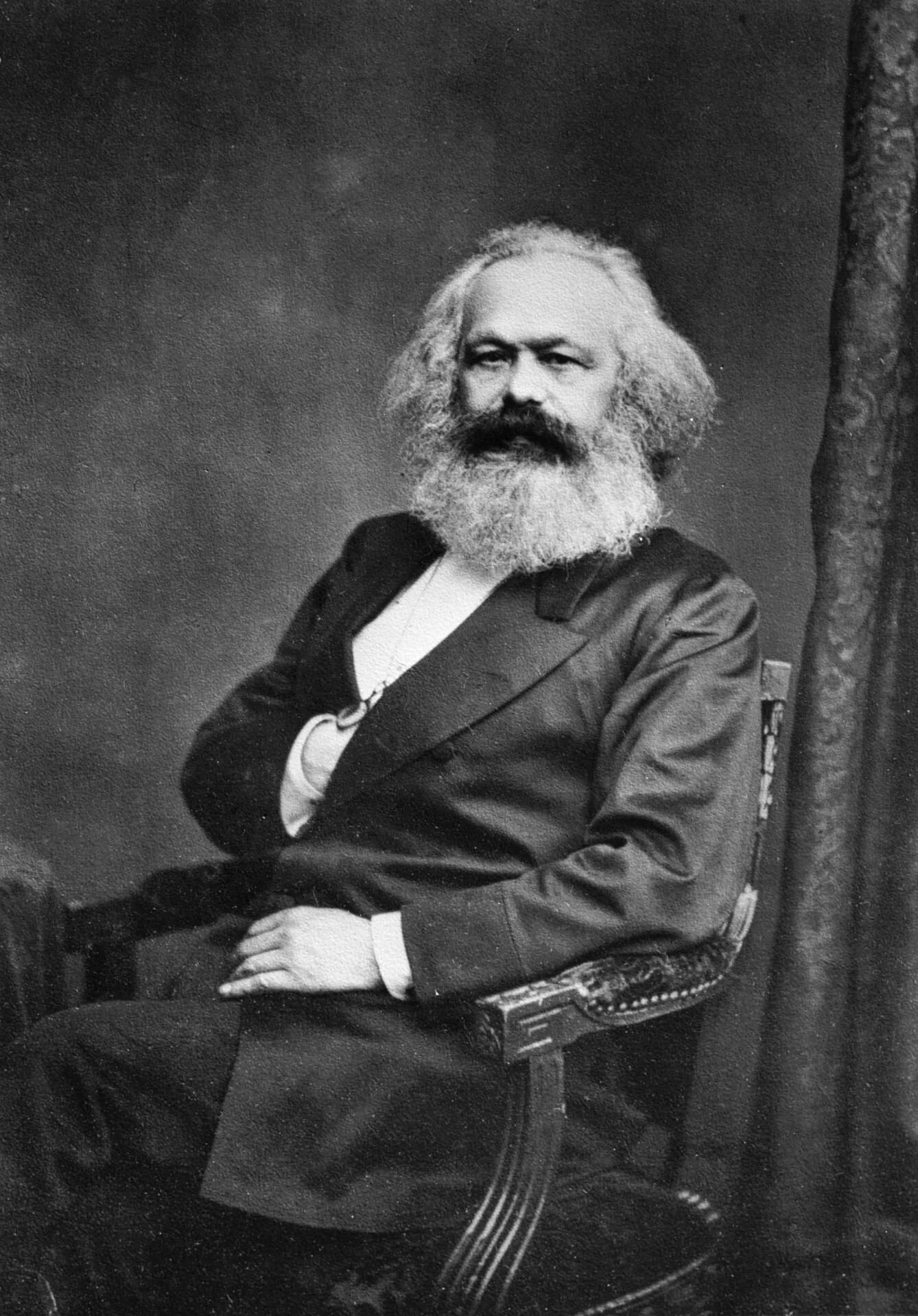
Karl Marx
Born05 May, 1818
Died14 Mar, 1883
NationalityGerman, Prussian
Age at time of death64
Michael Parkinson
Born28 Mar, 1935
Died16 Aug, 2023
NationalityBritish
Age at time of death88
John F. Kennedy Jr.
Born25 Nov, 1960
Died16 Jul, 1999
NationalityAmerican
Age at time of death38
Napoleon Hill
Born26 Oct, 1883
Died08 Nov, 1970
NationalityAmerican
Age at time of death87
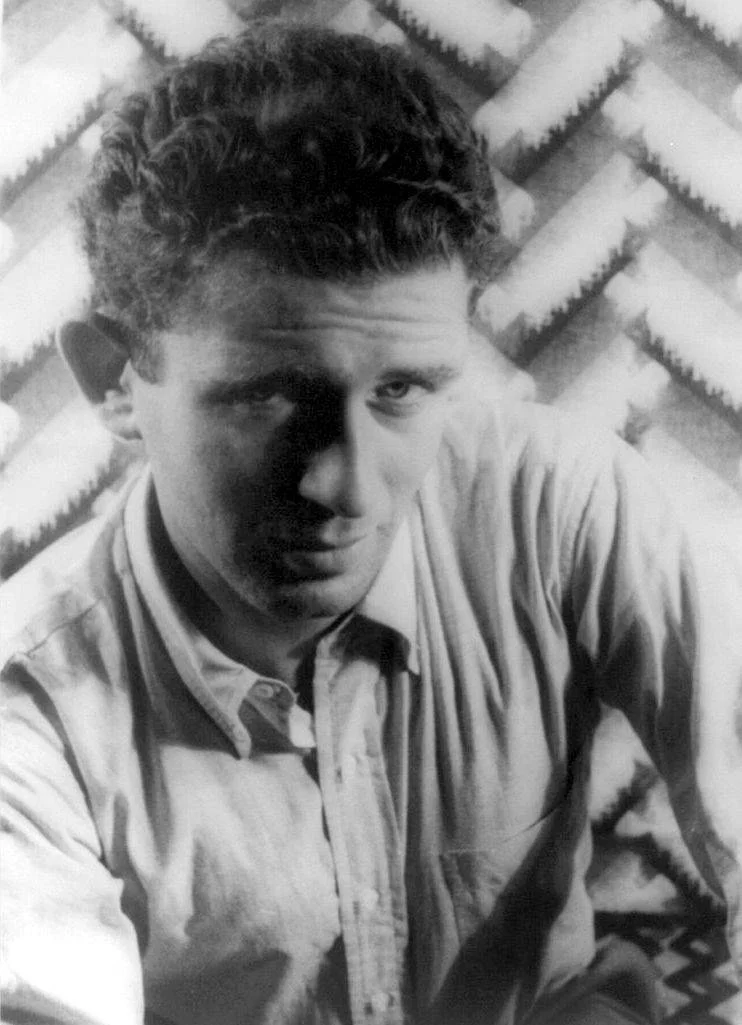
Norman Mailer
Born31 Jan, 1923
Died10 Nov, 2007
NationalityAmerican
Age at time of death84
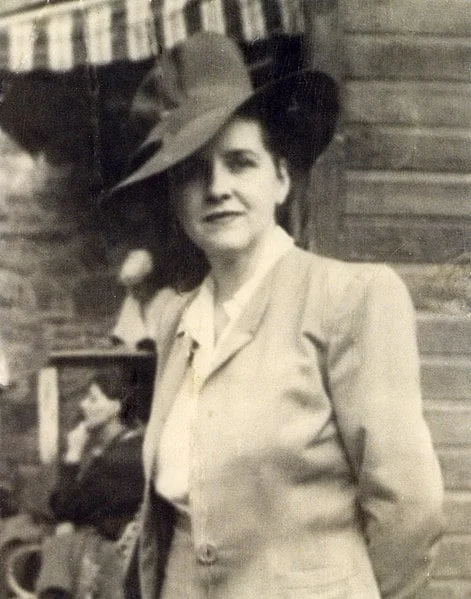
Mary Chase
Born25 Feb, 1906
Died20 Oct, 1981
NationalityAmerican
Age at time of death75
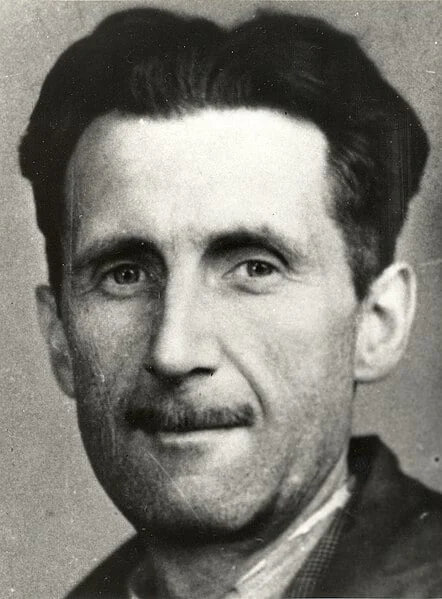
George Orwell
Born25 Jun, 1903
Died21 Jan, 1950
NationalityBritish
Age at time of death46
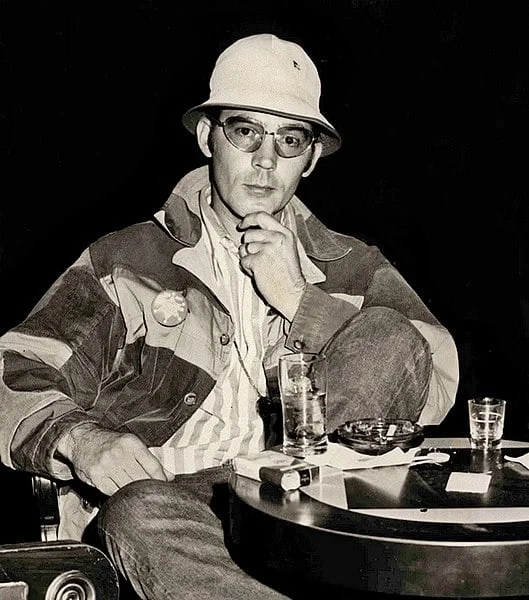
Hunter S Thompson
Born18 Jul, 1937
Died20 Feb, 2005
NationalityAmerican
Age at time of death67