Real Celebrities Never Die!
OR
Search For Past Celebrities Whose Birthday You Share
Died Age: 100
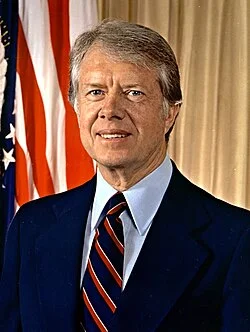
wikipedia.org
Jimmy Carter
Birthday:
01 Oct, 1924
Date of Death:
29 Dec, 2024
Cause of death:
Metastatic melanoma
Nationality:
American
Famous As:
Humanitarian
Age at the time of death:
100
James Earl Carter Jr.'s Quote's

“The best way to enhance freedom in other lands is to demonstrate here that our democratic system is worthy of emulation.”
James Earl Carter Jr.
🔗 deadcelebrityhub.com
Early Life: Humble Beginnings in the Red Clay of Georgia
Before he was the president, Jimmy Carter was a peanut farmer with a moral compass sharper than most. A quiet man of deep conviction, Carter never set out to chase power. He sought purpose. And that’s what makes his story extraordinary. His life reads less like the blueprint of a typical politician and more like the journey of a man led by principle: through service, humility, and a relentless commitment to doing good, no matter the cost.
Born on October 1, 1924, in the rural town of Plains, Georgia, James Earl Carter Jr. was shaped by two forces: hard work and faith. His father, a successful yet demanding businessman and farmer, instilled discipline and a no-nonsense work ethic. His mother, Lillian, was a nurse with a rebellious spirit and a fierce sense of justice, once volunteering in India with the Peace Corps in her 60s.
Carter grew up during the Great Depression, in a town where Black and white families lived side by side, but worlds apart. He became one of the first white children in Plains to befriend Black neighbours, forging early convictions about racial equality that would later define his political courage in the segregated South.
As a boy, he sold peanuts from his father’s farm and read obsessively about everything from naval manuals to the Bible. Quiet, polite, and bookish, he seemed destined for a life of service rather than the spotlight.
Education: A Naval Mind with a Farmer’s Heart
Carter’s passion for engineering and the sea led him to the U.S. Naval Academy in Annapolis, where he graduated in 1946 as part of the top 10 percent of his class. He served on submarines and was handpicked by Admiral Hyman Rickover to work on the Navy's nascent nuclear submarine program, which was a demanding post that required intense technical expertise and even more integrity. Rickover would later become a personal and ethical influence on Carter.
Yet when his father died in 1953, Carter made a surprising decision: he resigned from the Navy and returned to Plains to run the family peanut farm. It wasn’t just about duty for him, but identity. Carter never lost sight of his roots. In fact, he rebuilt the failing business into a profitable enterprise, earning respect not through wealth but through steady, honest labour.
A Big Shift in Career:
A Different Kind of Southern Politician
Carter entered politics not as a firebrand but as a reformer. Elected to the Georgia State Senate in 1962, he built a reputation for incorruptibility and wonk-like attention to detail. But it was his 1970 campaign for governor that revealed the real Jimmy Carter. While other Southern politicians clung to segregationist rhetoric, Carter boldly declared in his inaugural address: “The time for racial discrimination is over.”
His time as governor was marked by modernisation, ethics reform, and progressive stances on race and education. A wonkish technocrat in cowboy boots, Carter often puzzled both liberals and conservatives. But one thing was clear: he governed with conviction.
From Dark Horse to the White House
In 1976, the United States was still reeling from Watergate, and Jimmy Carter emerged as a balm to the nation’s wounded trust. Virtually unknown at the start, he crisscrossed the country, shaking hands, sleeping in supporters' homes, and promising, “I’ll never lie to you.” His outsider status became his greatest strength.
As president, Carter faced a daunting landscape: stagflation, an energy crisis, and global unrest. His legislative record was mixed, but his moral compass never wavered. He brokered the Camp David Accords, which was one of the most enduring peace treaties in Middle East history, between Egypt and Israel in 1978. He also established the Department of Energy, championed environmental conservation, and pushed for human rights to become a central pillar of U.S. foreign policy.
But his presidency was also marred by challenges: the Iran hostage crisis, an economy plagued by inflation, and an oil embargo that tested the nation’s patience. His famous “Crisis of Confidence” speech, in which he called out America’s growing materialism, was deeply prophetic but politically disastrous. By 1980, the public wanted optimism, and Carter lost his re-election bid to Ronald Reagan.
A Life of Purpose Beyond Power
Many former presidents retreat into comfort. Jimmy Carter rolled up his sleeves. His post-presidency has been hailed as the most impactful in American history.
Through the Carter Centre, founded in 1982 with his wife Rosalynn, he launched initiatives to fight global diseases, monitor elections, and advocate for peace. Under Carter’s leadership, the centre helped nearly eradicate Guinea worm disease, a feat the World Health Organisation once thought impossible. He personally visited war-torn countries and remote villages, often hammer in hand, as he built houses with Habitat for Humanity well into his 90s.
Carter also taught Sunday school in his hometown church until his health no longer allowed, drawing crowds of hundreds to a simple Baptist service in Plains, Georgia.
Personal Moments That Reveal the Man
Jimmy Carter’s marriage to Rosalynn, his partner in every sense of the word, spanned over 75 years. Their bond was legendary, both tender and pragmatic. He once said she was “the most influential person” in his life.
He had an unexpected love for painting and poetry. And he holds a quirky presidential record: he was the first U.S. president to be born in a hospital.
In his 90s, after being diagnosed with terminal brain cancer, Carter responded not with fear, but peace: “I’m perfectly at ease with whatever comes.” He would go on to live nearly a decade longer, continuing to serve.
Legacy: The President Who Became a Prophet
Jimmy Carter may not have been the most popular president, but he may be the most principled. He left the White House with bruises but also with his integrity fully intact.
He redefined the meaning of public service, not as a title, but as a lifelong calling. Carter showed that decency, humility, and faithfulness could outlast political failure. His legacy is not only found in treaties or legislation, but in the millions of lives touched by his tireless humanitarian work.
In the quiet town of Plains, he returned to where it all began. Not as an ex-president. But as a servant. A farmer. A husband. And, above all, a man who never stopped trying to make the world a little more just.
Profile Snapshot
Name:
James Earl Carter Jr.
Popular Name:
Jimmy Carter
Gender:
Male
Cause of Death:
Metastatic melanoma
Spouse:
Rosalynn Carter
Place of Birth:
Lillian Carter Health & Rehabilitation, Plains, Georgia, United States
Place of Death:
Jimmy Carter House
Occupation / Profession:
Humanitarian
Politician
Personality Type
Advocate: Jimmy Carter was a quiet visionary whose unwavering commitment to justice, peace, and service made him a true advocate in every sense.
James Earl Carter Jr.'s Interesting Facts
Carter is the longest-lived U.S. president in history.
He once filed a report of seeing a UFO in 1969, making him the only president to do so.
While in office, he banned playing “Hail to the Chief” for his entrances, preferring humility over ceremony
Achievements & Awards
He also oversaw the Panama Canal treaties, returned the U.S. to a human rights-focused foreign policy, and significantly expanded national parks and environmental protections.
He founded The Carter Centre, which has led global efforts in disease eradication, election monitoring, and conflict resolution.
In 2002, he was awarded the Nobel Peace Prize for his “decades of untiring effort to find peaceful solutions to international conflicts.”
Jimmy Carter’s most celebrated achievement as president was brokering the Camp David Accords in 1978, establishing peace between Egypt and Israel.
Latest Profiles
People also viewed

Siou-Ling Tsien de Perlinghi
Born02 Oct, 1912
Died01 Feb, 2008
NationalityChinese, Belgian
Age at time of death95
Gerald Ford
Born14 Jul, 1913
Died26 Dec, 2006
NationalityAmerican
Age at time of death93
Jerry Lewis
Born16 Mar, 1926
Died20 Aug, 2017
NationalityAmerican
Age at time of death91
Edith Cavell
Born04 Dec, 1865
Died12 Oct, 1915
NationalityBritish
Age at time of death49
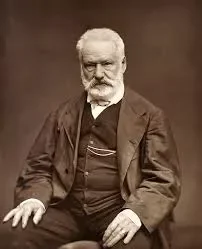
Victor Hugo
Born26 Feb, 1802
Died22 May, 1885
NationalityFrench
Age at time of death83
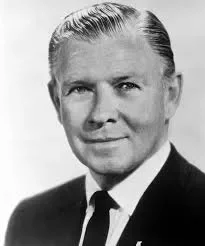
George Murphy
Born04 Jul, 1902
Died03 May, 1992
NationalityAmerican
Age at time of death89
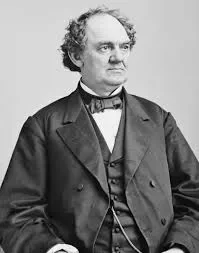
P. T. Barnum
Born05 Jul, 1810
Died07 Apr, 1891
NationalityAmerican
Age at time of death80
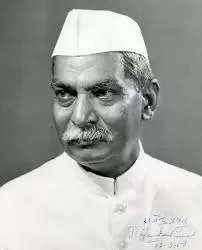
Rajendra Prasad
Born03 Dec, 1884
Died28 Feb, 1963
NationalityIndian
Age at time of death78
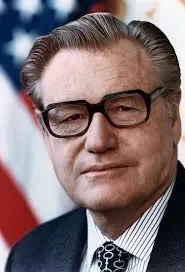
Nelson Rockefeller
Born08 Jul, 1908
Died26 Jan, 1979
NationalityAmerican
Age at time of death70

Ethan Allen
Born21 Jan, 1738
Died12 Feb, 1789
NationalityAmerican
Age at time of death51
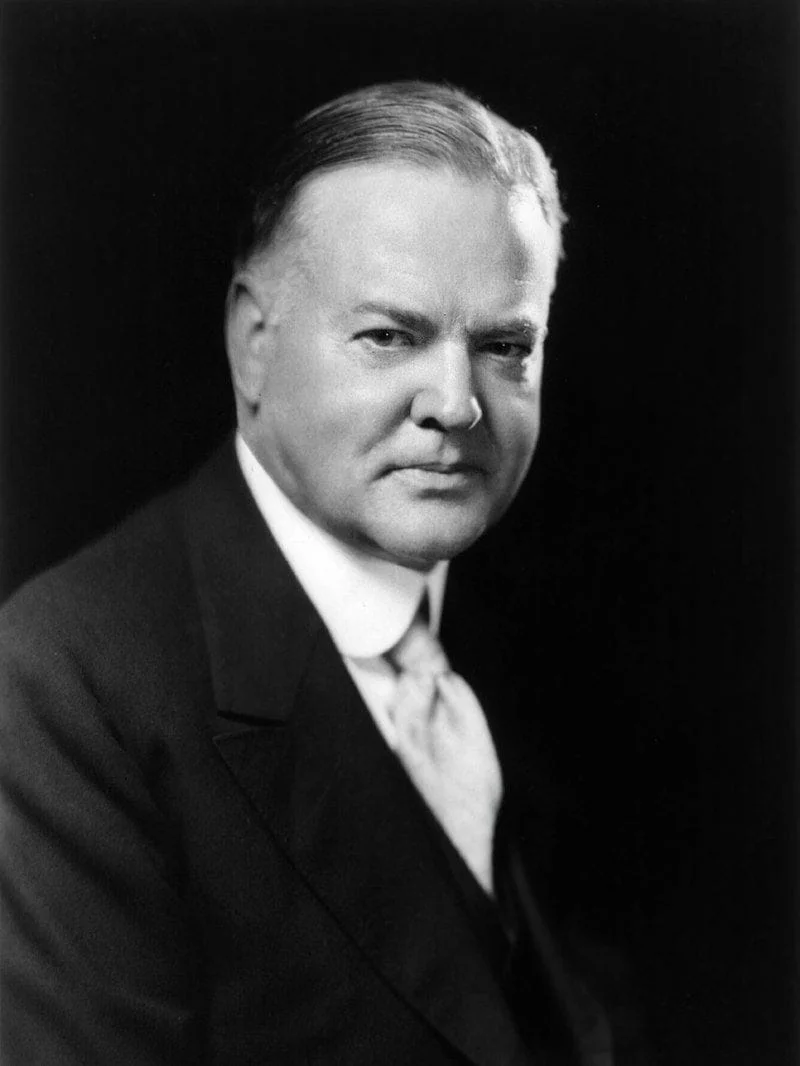
Herbert Hoover
Born10 Aug, 1874
Died20 Oct, 1964
NationalityAmerican
Age at time of death90
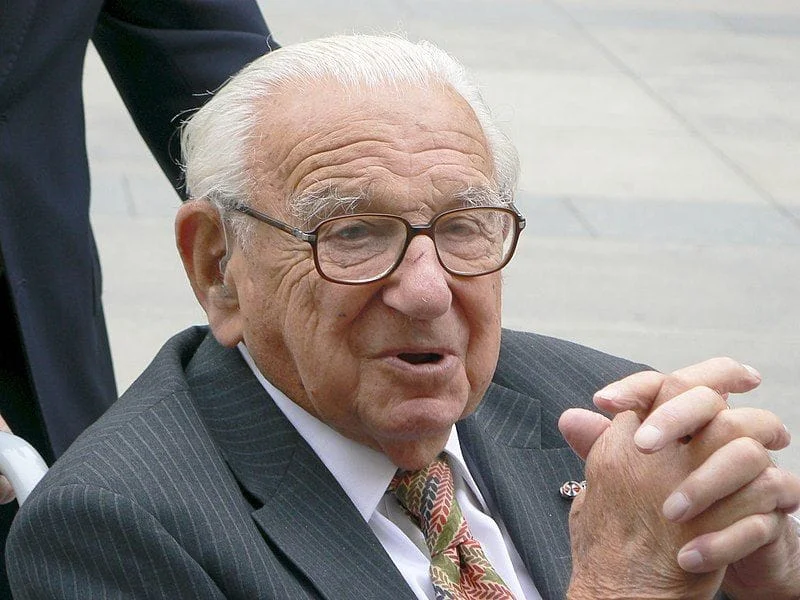
Nicholas Winton
Born19 May, 1909
Died01 Jul, 2015
NationalityBritish
Age at time of death106

Jacques Delors
Born20 Jul, 1925
Died27 Dec, 2023
NationalityFrench
Age at time of death98
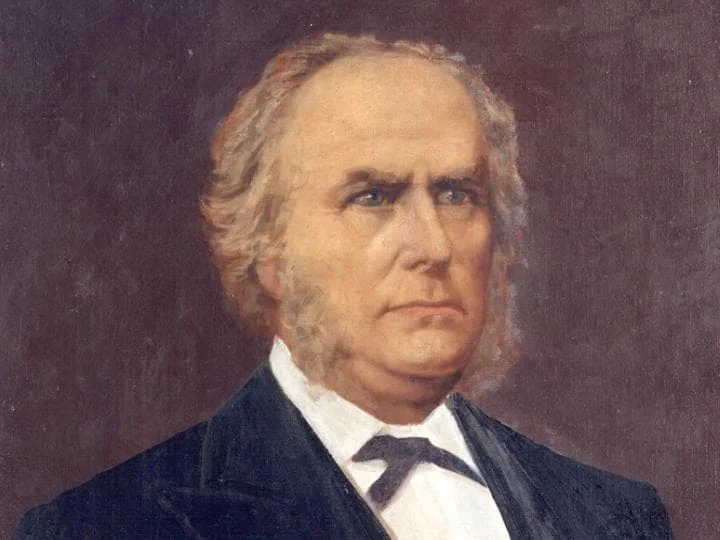
James Harrison
Born17 Apr, 1816
Died03 Sep, 1893
NationalityScottish,Australian
Age at time of death77
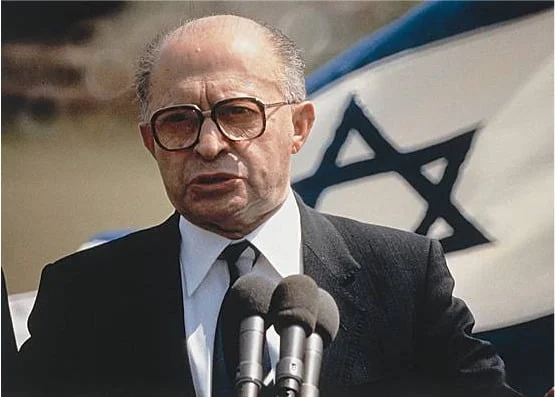
Menachem Begin
Born16 Aug, 1913
Died09 Mar, 1992
NationalityIsraeli
Age at time of death78
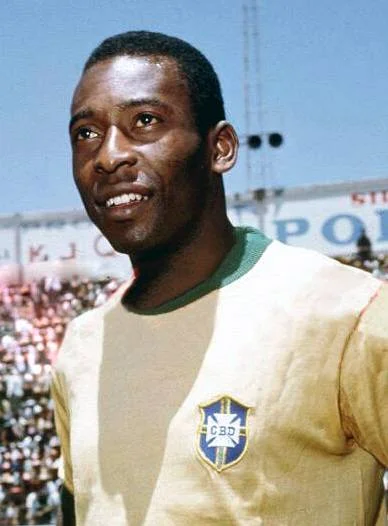
Pelé
Born23 Oct, 1940
Died29 Dec, 2022
NationalityBrazilian
Age at time of death82
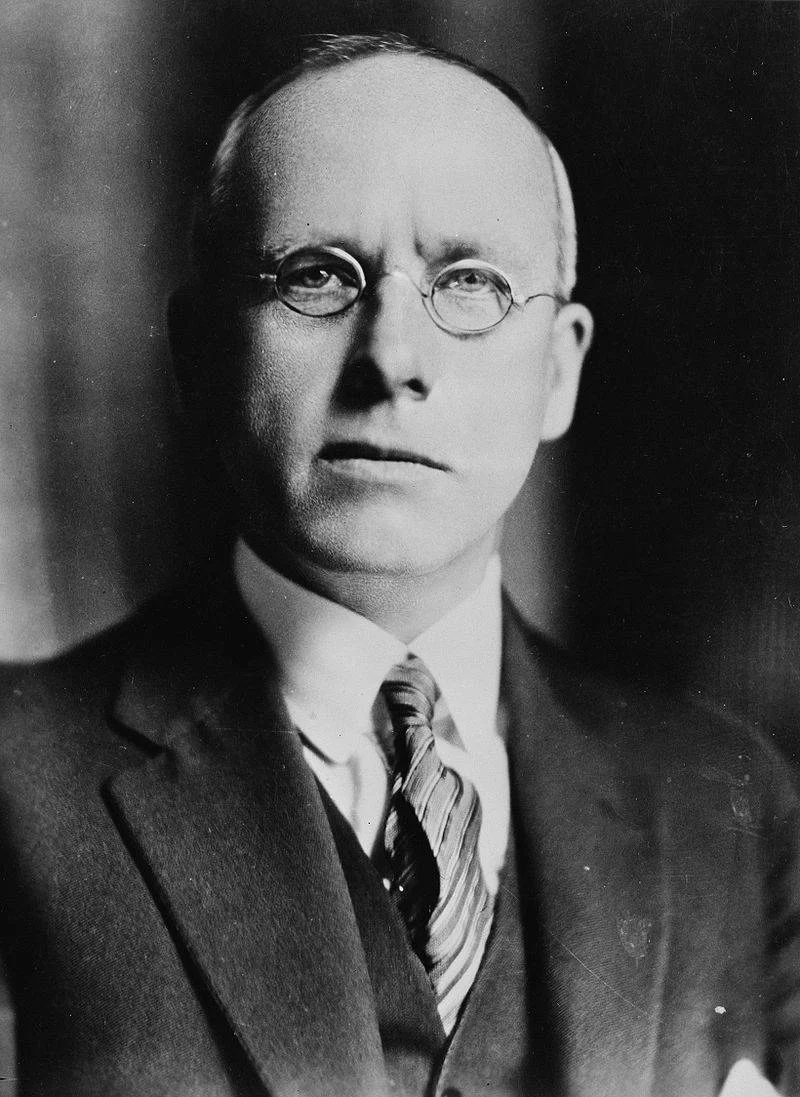
Peter Fraser
Born28 Aug, 1884
Died12 Dec, 1950
NationalityNew Zealand
Age at time of death66
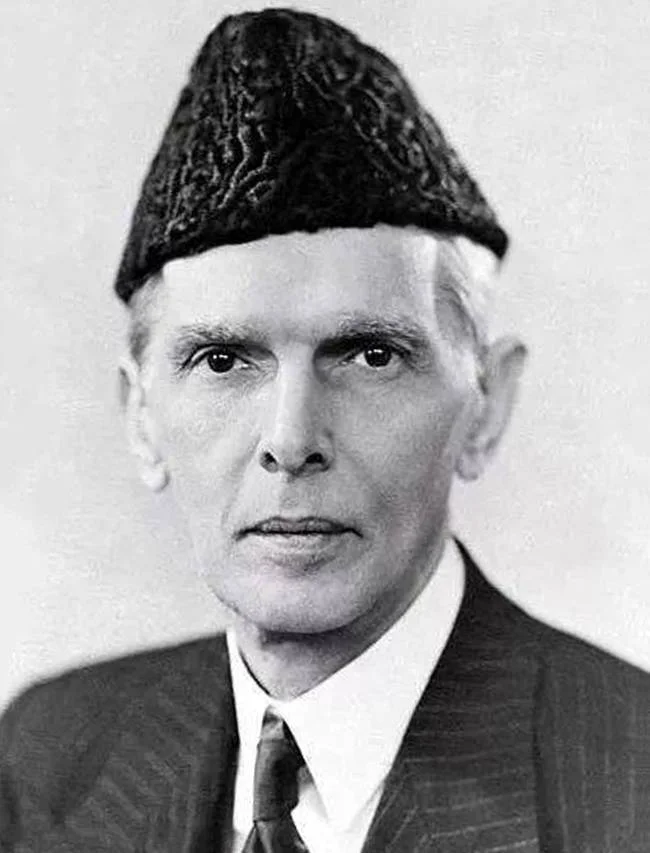
Muhammad Ali Jinnah
Born25 Dec, 1876
Died11 Sep, 1948
NationalityPakistani
Age at time of death71
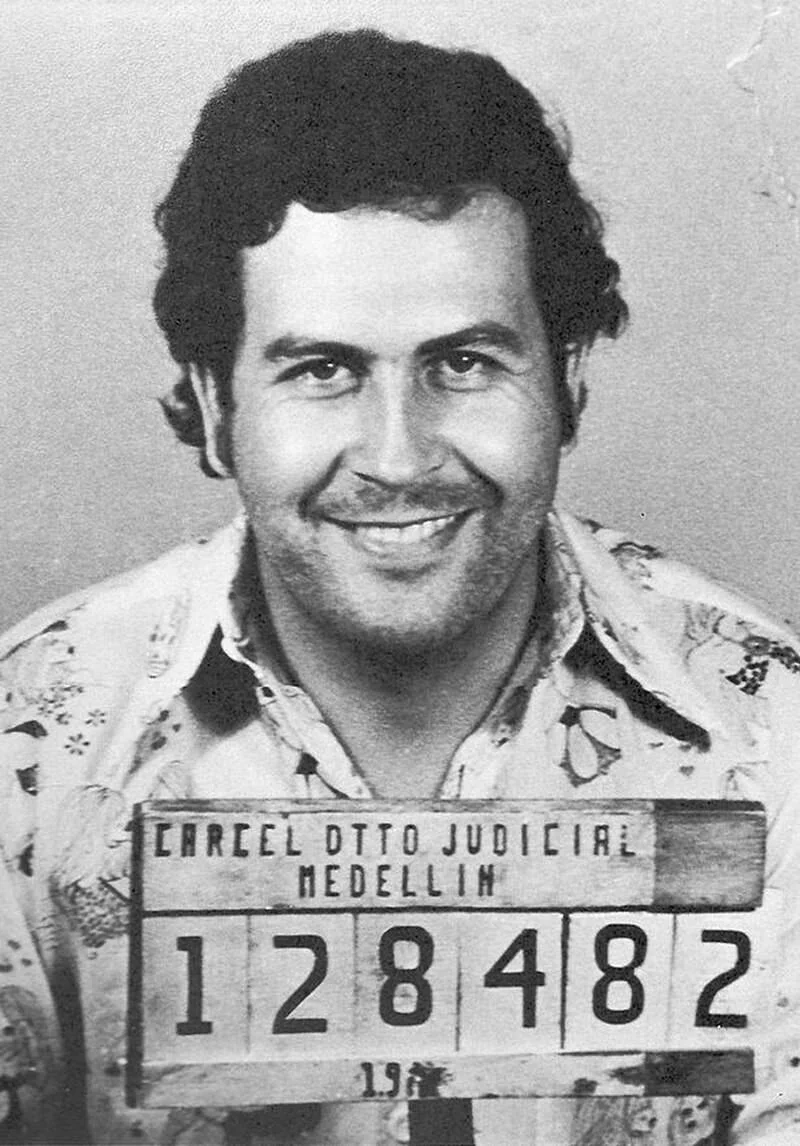
Pablo Escobar
Born01 Dec, 1949
Died02 Dec, 1993
NationalityColombian
Age at time of death44
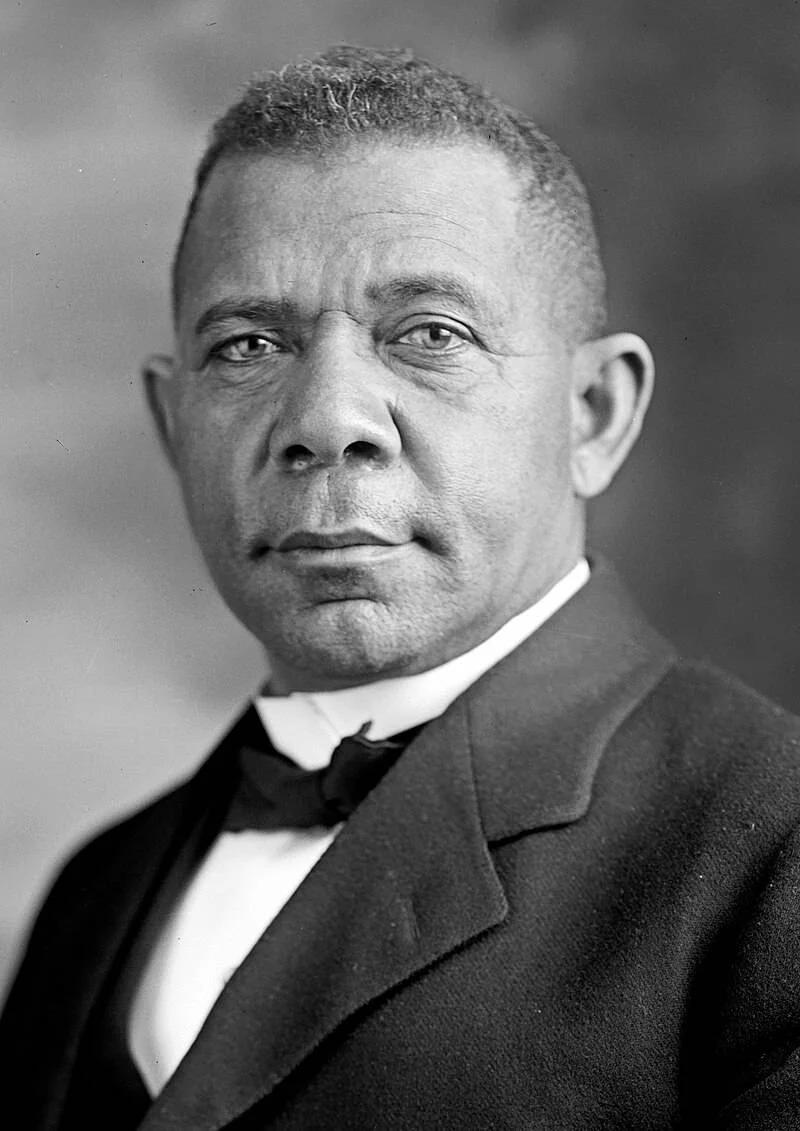
Booker T. Washington
Born05 Apr, 1856
Died14 Nov, 1915
NationalityAmerican
Age at time of death59