Real Celebrities Never Die!
OR
Search For Past Celebrities Whose Birthday You Share
Died Age: 73
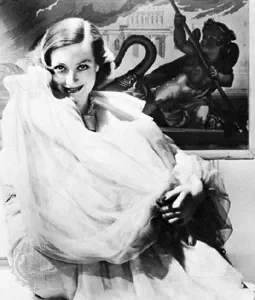
britannica.com
Joan Crawford
Birthday:
23 Mar, 1904
Date of Death:
10 May, 1977
Cause of death:
Cancer
Nationality:
American
Famous As:
American actress
Age at the time of death:
73
Lucille Fay LeSueur's Quote's

“If you've earned a position, be proud of it. Don't hide it. I want to be recognized. When I hear people say, "Joan Crawford!" I turn around and say, "Hi! How are you?”
Lucille Fay LeSueur
🔗 deadcelebrityhub.com
A Hard-Knock Beginning
Few stars in Hollywood’s golden age burned as brightly—or as fiercely—as Joan Crawford. A woman of relentless ambition and reinvention, she carved out a career spanning over five decades, embodying everything from flapper-era glamor to the raw intensity of film noir. Off-screen, her life was as dramatic as any script, marked by triumph, scandal, and an unyielding drive to remain on top. Joan Crawford wasn’t just a movie star—she was a force of nature.
Born Lucille Fay LeSueur on March 23, 1904, in San Antonio, Texas, Crawford’s early life was far from the glitz of Hollywood. Raised in poverty, her childhood was a turbulent one—her father abandoned the family before she was born, and her mother’s remarriages led to an unstable home life. She found solace in dance, and despite a lack of formal education, she dreamed of escaping her circumstances. Determined to forge a better life, she worked as a waitress and salesgirl while perfecting her skills as a dancer, eventually landing a spot in traveling revues that took her from small-town theaters to the bustling stages of Broadway.
From Chorus Girl to Movie Star
Crawford’s break came in 1925 when she was discovered by MGM and given the name “Joan Crawford.” She quickly realized that in Hollywood, beauty alone wouldn’t guarantee longevity—she had to work for it. Unlike many of her contemporaries who feared the transition from silent films to talkies, Crawford embraced it. Her husky voice and ability to deliver emotionally charged performances set her apart.
Throughout the 1930s, she became the embodiment of the modern woman—independent, ambitious, and stylish. Films like Grand Hotel (1932) and The Women (1939) solidified her status, but Crawford’s real strength was her ability to evolve. When she was labeled “box office poison” in the early 1940s, she refused to fade away. Instead, she left MGM and took a chance on a role that would define her career.
A Comeback for the Ages
In 1945, Crawford’s fearless gamble paid off with Mildred Pierce. Playing the determined, self-sacrificing mother in this noir-infused drama, she delivered one of the greatest performances of her career. The role won her an Academy Award and revitalized her image, proving that she was more than just a glamour queen—she was a formidable actress.
She continued to take risks, starring in films like Possessed (1947) and Sudden Fear (1952), which showcased her talent for playing complex, tormented women. In the 1960s, she took yet another surprising turn, embracing the horror genre with Whatever Happened to Baby Jane? (1962), opposite her longtime rival Bette Davis. The film was a critical and commercial hit, introducing her to a new generation of fans.
The Woman Behind the Legend
Away from the cameras, Crawford’s life was filled with contradictions. She adopted four children, presenting herself as a devoted mother, but her strained relationship with her eldest daughter, Christina, later became infamous through the tell-all book Mommie Dearest. She meticulously controlled her image, responding to challenges with resilience and poise. A perfectionist to the core, she was known for her work ethic, maintaining an impeccable public persona while privately battling insecurity and loneliness.
A Legacy of Reinvention
Joan Crawford’s career was a testament to adaptability, determination, and raw talent. She refused to be typecast or discarded, reshaping herself with each passing era. By the time of her retirement in the 1970s, she had become an icon, not just of Hollywood glamour, but of sheer tenacity.
To this day, her films continue to captivate audiences, and her legacy as a trailblazer endures. Whether remembered as a screen siren, an Oscar-winning actress, or a woman who fought tooth and nail for her place in the industry, one thing is undeniable—Joan Crawford was unforgettable.
Profile Snapshot
Name:
Lucille Fay LeSueur
Popular Name:
Joan Crawford
Gender:
Female
Cause of Death:
Cancer
Spouse:
Douglas Fairbanks Jr.
Franchot Tone
Phillip Terry
Alfred Steele
Place of Birth:
San Antonio, Texas, U.S.
Place of Death:
New York City, U.S.
Occupation / Profession:
American actress
Personality Type
Commander: Joan Crawford was a relentless leader who shaped her own destiny with unwavering confidence..
Lucille Fay LeSueur's Interesting Facts
Crawford won an Academy Award for Mildred Pierce (1945), a role she fought hard to get after being labeled “box office poison.”
Joan Crawford started her career as a flapper-era dancer before transitioning into one of Hollywood’s most iconic leading ladies.
Later in life, she became notorious for her alleged harsh parenting, detailed in her daughter Christina’s memoir Mommie Dearest.
She famously feuded with Bette Davis, a rivalry so legendary it inspired the TV series Feud: Bette and Joan.
Achievements & Awards
Beyond the Oscars, she earned a Golden Globe for The Shining Hour and was honored with the Cecil B. DeMille Award for lifetime achievement.
Joan Crawford was a legendary actress who won the Academy Award for Best Actress in 1946 for Mildred Pierce.
She also received two more Oscar nominations for Possessed (1947) and Sudden Fear (1952).
Latest Profiles
People also viewed
Renée Victor
Born25 Jul, 1938
Died30 May, 2025
NationalityAmerican
Age at time of death86
Barbara Payton
Born16 Nov, 1927
Died08 May, 1967
NationalityAmerican
Age at time of death39
Ruth Buzzi
Born24 Jul, 1936
Died01 May, 2025
NationalityAmerican
Age at time of death88
Clara Bow
Born29 Jul, 1905
Died27 Sep, 1965
NationalityAmerican
Age at time of death60
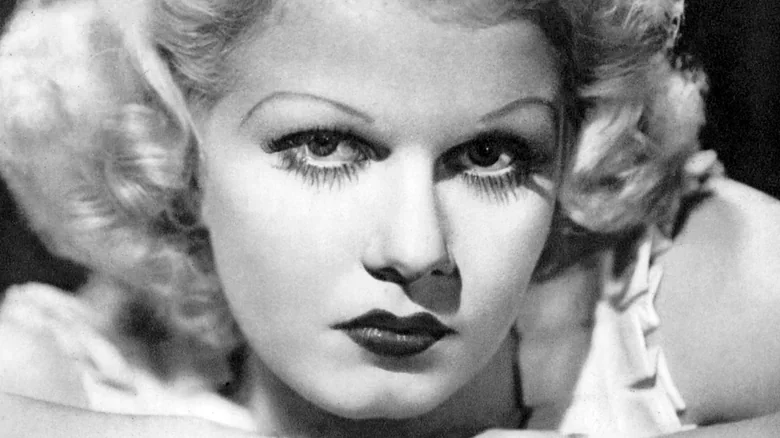
Jean Harlow
Born03 Mar, 1911
Died07 Jun, 1937
NationalityJean_Harlow
Age at time of death26
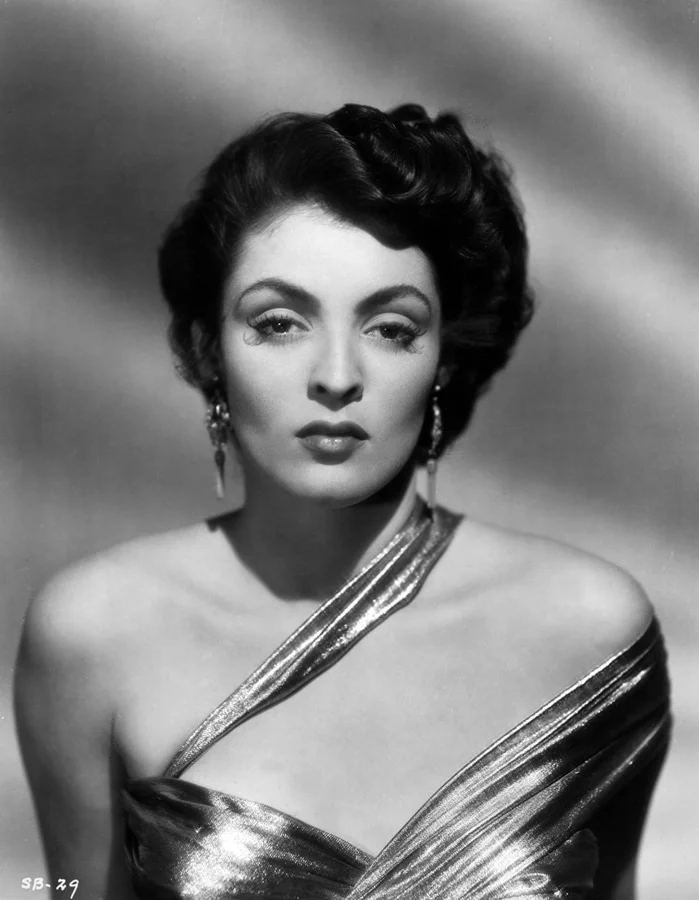
Suzan Ball
Born03 Feb, 1934
Died05 Aug, 1955
NationalityAmerican
Age at time of death21

Kimberly Hébert Gregory
Born06 Dec, 1972
Died02 Oct, 2025
NationalityAmerican
Age at time of death52

Kirstie Alley
Born11 Jan, 1951
Died04 Dec, 2022
NationalityAmerican
Age at time of death71
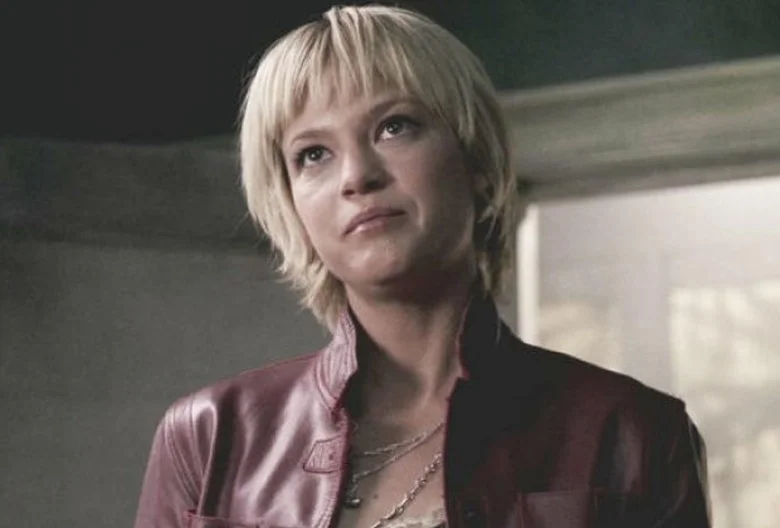
Nicki Aycox
Born25 May, 1975
Died15 Nov, 2022
NationalityAmerican
Age at time of death47

Anne Heche
Born24 May, 1969
Died10 Aug, 2022
NationalityAmerican
Age at time of death53
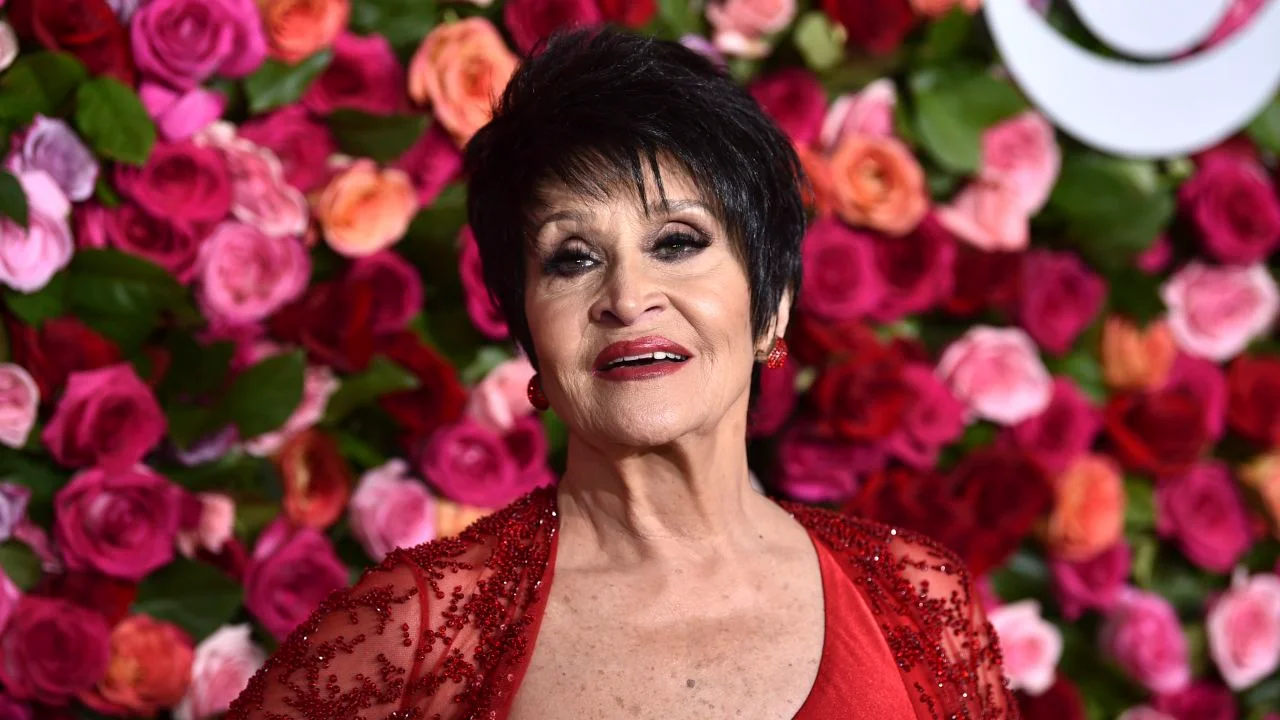
Chita Rivera
Born22 Jan, 1933
Died29 Jan, 2024
NationalityAmerican
Age at time of death91