Real Celebrities Never Die!
OR
Search For Past Celebrities Whose Birthday You Share
Died Age: 89
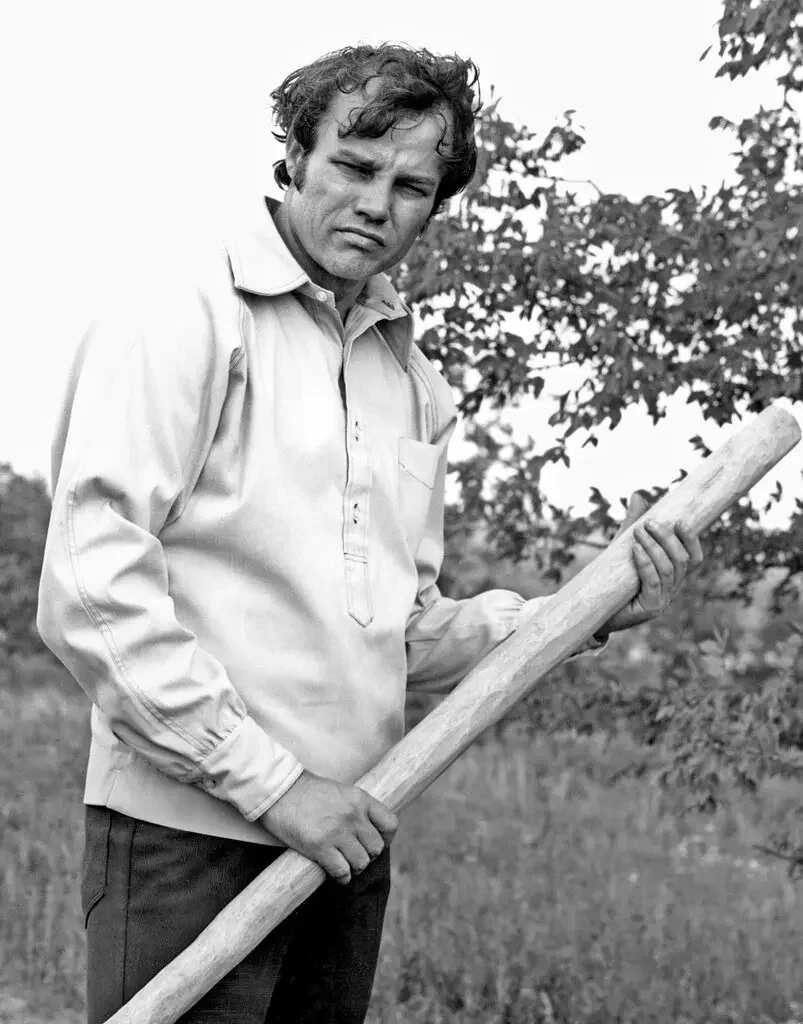
www.nytimes.com
Joe Don Baker
Birthday:
11 Feb, 1936
Date of Death:
06 May, 2025
Cause of death:
Lung Cancer
Nationality:
American
Famous As:
American actor
Age at the time of death:
89
Joe Don Baker's Quote's

“I didn't care for Peckinpah at all. He was one of those little guys who tries to bully big guys and he almost got his ass whipped for trying to do it to me. Every time I was going to throttle Peckinpah, Steve McQueen would come over and calm me down like a brother would.”
Joe Don Baker
🔗 deadcelebrityhub.com
Early Life
Joe Don Baker was the kind of actor whose face meant something before he even spoke—a towering presence, a Texas drawl, a rugged blend of threat and charm. Though often cast in “tough guy” roles—sheriffs, villains, detectives—he slipped between law and outlaw with ease, creating characters you wanted to watch, even when you didn’t like them. Over nearly fifty years on screen, from Westerns and action films to famously joining both sides of the James Bond universe, Baker built a body of work rich in grit, integrity, and memorable turns that outlasted many leading men.
Joe Don Baker was born on February 12, 1936, in Groesbeck, Texas, to Doyle Charles Baker and Edna (née McDonald). When he was around twelve years old, his mother died, and he was raised by his aunt, Anna. Growing up in small-town Texas, Baker played sports—football and basketball in high school—where his size, competitiveness, and physicality came to define him. He landed a sports scholarship to North Texas State College, where he studied business, graduating in 1958. After college, he served two years in the U.S. Army, then decided to pursue acting, moving to New York to train and work.
Education & Formative Influences
Though his degree was in business administration, Baker’s real education came after school—on football fields, in classrooms, in the military, and then in New York’s actors’ circles. He joined the Actors Studio, which became a formative place for discipline, craft, and dramatic technique. He absorbed lessons of character, voice, physicality, and the kinds of roles that require more than just swagger. He grew up admiring actors who could bring moral complexity to their parts—men who fought inner battles as much as external ones.
Career Journey
Joe Don Baker’s work can be divided into phases: early TV/Western & supporting film work; breakout starring roles; balancing leading & character work; late career reflection.
Phase One: Early TV, Bit Parts & Westerns
His screen career began in the mid-1960s with television guest-spots and small film roles. He often appeared in Westerns and action dramas, filling in traditionally rugged roles—cops, law men, tough characters. Even when his parts were small, his presence was often memorable. One of his early uncredited film appearances was a small part in Cool Hand Luke (1967). In television, roles in shows like Bonanza helped hone his ability to project toughness, authenticity, and just enough vulnerability to make these “tough guy” archetypes feel human.
Phase Two: Breakthrough as a Leading Tough Guy
The early 1970s marked a turning point. In Junior Bonner (1972), he played the younger brother of Steve McQueen’s character in a rodeo-drama that showed a more grounded, weathered America. Then came Walking Tall (1973), a film in which he starred as real-life sheriff Buford Pusser, a man who fights corruption with his own fists (and a big stick). The role defined him as a leading man in action cinema—someone audiences could root for even when his methods were raw. He followed that with significant supporting roles in movies like Charley Varrick and The Natural, which allowed him to show more range—both physical menace and relational moments.
Phase Three: Supporting Characters, Villains, Bond & Versatility
As his career progressed, Baker alternated between leading roles and strong supporting ones. He became known for playing characters on both sides of the law: villains with charisma or heroes with rough edges. One of his recurring strengths was his ability to bring moral ambiguity into action stories—so that you might admire a character for bravery even as you questioned his ethics.
In the 1980s and ’90s, Baker joined the James Bond series—first as the villain Brad Whitaker, then later as CIA agent Jack Wade. That he could embody both villainy and ally-ship in the same franchise spoke to his versatility. He also worked in TV, in dramas and thrillers, and on stage early in his career. Over time, he took on roles more about texture: authority figures, older warriors, men who’d lived hard lives, who carried regrets.
Phase Four: Later Work & Final Roles
Towards the end of his screen career, Baker’s appearances became less frequent, but no less affecting. His final film role was in Mud (2012), where even small scenes carried weight. He aged into parts that suited him—father figures, hard-bitten elders, men with histories. He stepped back from leading roles long before he stepped away entirely, but kept working when roles called for his kind of grounded intensity.
Personal Life
Off-screen, Baker was known to be more reserved than his screen persona would suggest. He married Maria Dolores Rivero-Torres in 1969; they divorced in 1980. He had no children. People who knew him speak of his kindness, his intelligence, his love for reading, and quiet passions—animals, nature, a deep respect for his roots in Texas. He seemed to balance the rough edges of his film roles with gentleness in his private life—someone who understood what it meant to carry both strength and softness.
Legacy
Joe Don Baker passed away on May 7, 2025, at the age of 89. He leaves behind a legacy that goes beyond the tough guy roles.
He helped define a kind of American ruggedness in film: not clean, polished heroism, but messy, physical, morally textured characters.
He showed that character actors—men who often played “supporting” or rough roles—can carry power, gravitas, and emotional truth.
His roles in Walking Tall, Charley Varrick, The Natural, Cape Fear, Fletch and the Bond films are part of the cultural memory of action, thriller, and spy cinema.
He earned respect partly by never becoming a caricature: even his villains had edges, vulnerabilities, lives beyond the script.
Conclusion
Joe Don Baker’s life was a kind of long fight scene—ringside, battered, sometimes bruised, but always standing up. From his childhood in Groesbeck through sports, through Army service, through small parts to iconic tough roles, he built a career off authenticity more than artifice. He didn’t become a superstar in the traditional sense, but he became one of those film actors whose absence you notice—because you remember how he made you feel. His legacy lives in the silence after his lines, the lingering menace, the moments of unexpected humanity, and in the idea that toughness doesn’t crowd out compassion—it can coexist in the same man.
Profile Snapshot
Name:
Joe Don Baker
Popular Name:
Joe Don Baker
Gender:
Male
Cause of Death:
Lung Cancer
Spouse:
Marlo Baker
Place of Birth:
Groesbeck, Texas, U.S.
Place of Death:
Los Angeles, California, U.S.
Occupation / Profession:
American actor
Personality Type
Virtuoso: Joe Don Baker was a steely, principled figure — rugged and commanding in his roles, loyal to his craft, shaped by resolve and discipline, yet also quietly thoughtful, warm, and grounded in conviction.
Joe Don Baker's Interesting Facts
Joe Don Baker is best known for playing tough, rugged characters in both films and television.
He appeared as a villain in the James Bond film The Living Daylights and later as a CIA ally in GoldenEye.
Baker started his career on Broadway before transitioning to Hollywood films in the 1960s.
He received critical acclaim for his role in the crime drama Walking Tall, which became one of his most iconic performances.
Achievements & Awards
Joe Don Baker was nominated for a BAFTA TV Award in 1986 for his role in Edge of Darkness and later received a Satellite Award nomination in 1998 for George Wallace. In 2014, he was part of the ensemble cast of Mud, which won the Robert Altman Award at the Independent Spirit Awards.
External Links
Additional Links
Latest Profiles
People also viewed
Richard Chamberlain
Born31 Mar, 1934
Died29 Mar, 2025
NationalityAmerican
Age at time of death90
Val Kilmer
Born31 Dec, 1959
Died01 Apr, 2025
NationalityAmerican
Age at time of death65
Cameron Boyce
Born28 May, 1999
Died06 Jul, 2019
NationalityAmerican
Age at time of death20
Carl Weathers
Born14 Jan, 1948
Died02 Feb, 2024
NationalityAmerican
Age at time of death76
Charles Cyphers
Born28 Jul, 1939
Died04 Aug, 2024
NationalityAmerican
Age at time of death85
James Caan
Born26 Mar, 1940
Died06 Jul, 2022
NationalityAmerican
Age at time of death82
John Gilbert
Born09 Jul, 1897
Died09 Jan, 1936
NationalityAmerican
Age at time of death38
Pat Morita
Born28 Jun, 1932
Died24 Nov, 2005
NationalityAmerican
Age at time of death73
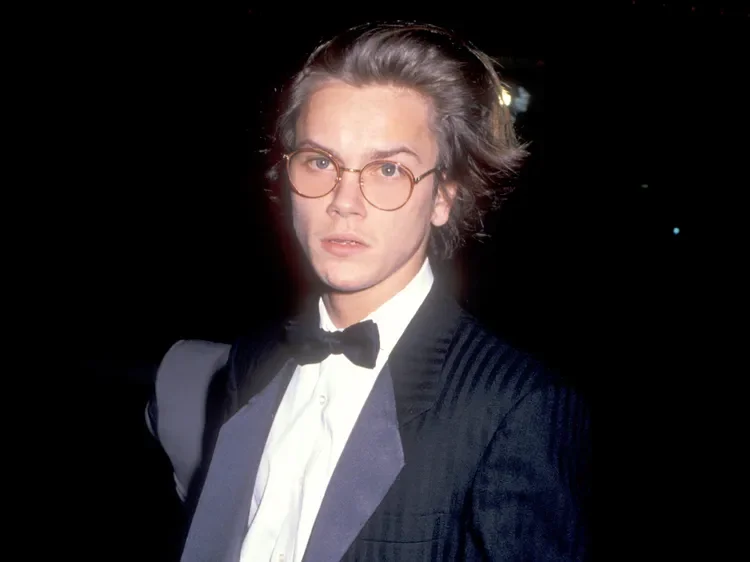
River Phoenix
Born23 Aug, 1970
Died31 Oct, 1993
NationalityAmerican
Age at time of death23
Sal Mineo
Born10 Jan, 1939
Died12 Feb, 1976
NationalityAmerican
Age at time of death37
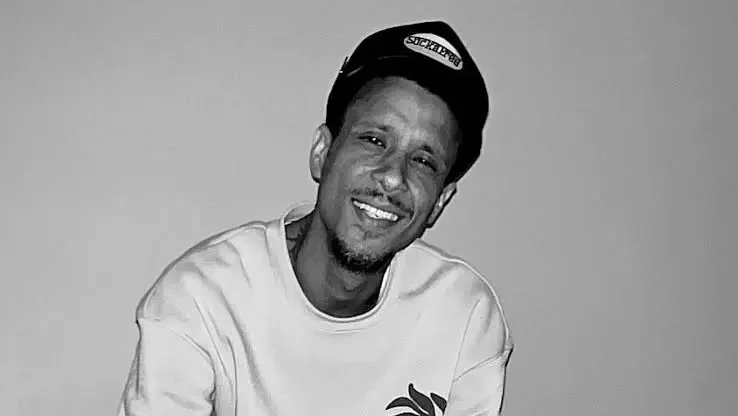
Floyd Roger Myers Jr.
Born16 Aug, 1983
Died28 Oct, 2025
NationalityAmerican
Age at time of death42
Jerry Leggio
Born22 Sep, 1935
Died30 Sep, 2025
NationalityAmerican
Age at time of death90

John Woodvine
Born20 Jul, 1929
Died05 Oct, 2025
NationalityBritish
Age at time of death96
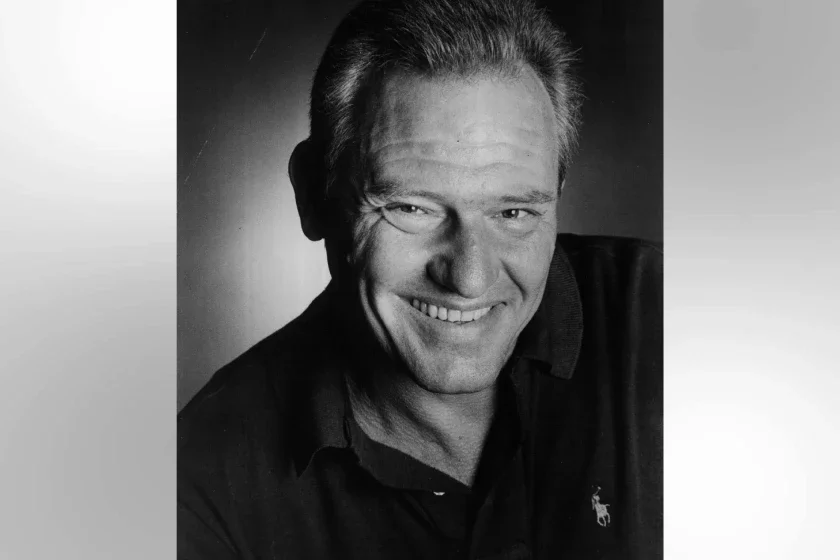
Ron Dean
Born14 Aug, 1938
Died04 Oct, 2025
NationalityAmerican
Age at time of death87

Charley Scalies
Born18 Jul, 1940
Died30 Apr, 2025
NationalityAmerican
Age at time of death84
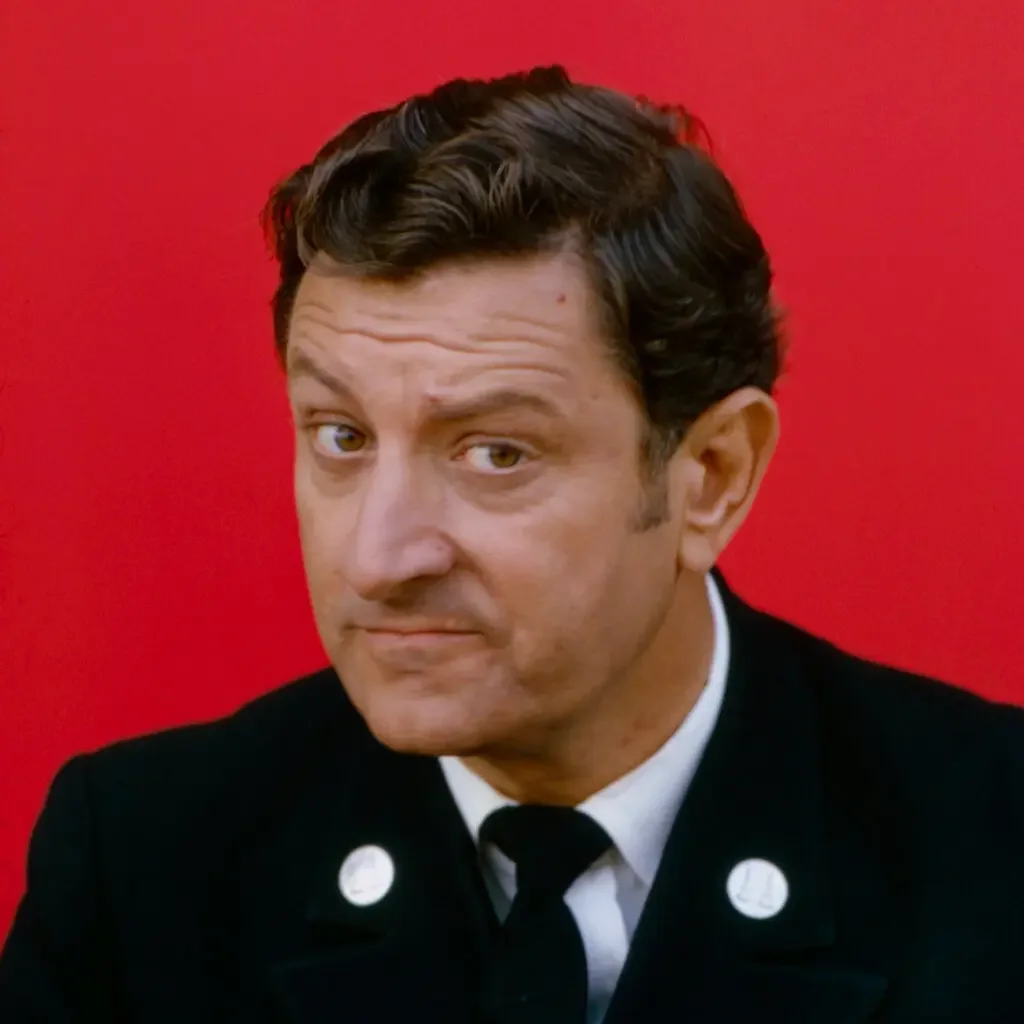
David Ketchum
Born03 Feb, 1928
Died09 Aug, 2025
NationalityAmerican
Age at time of death97
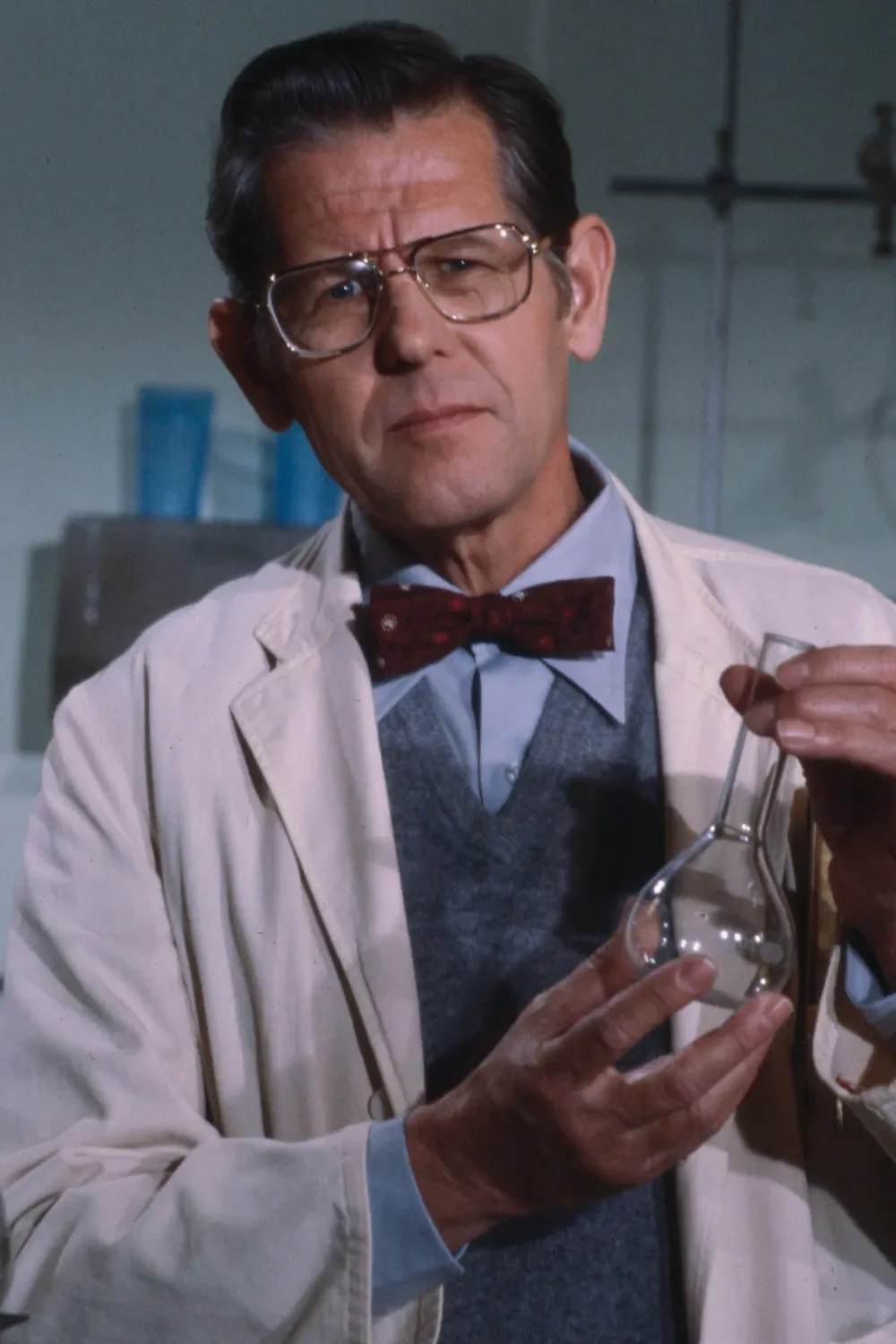
Ed Williams
Born25 Nov, 1926
Died01 Oct, 2025
NationalityAmerican
Age at time of death98
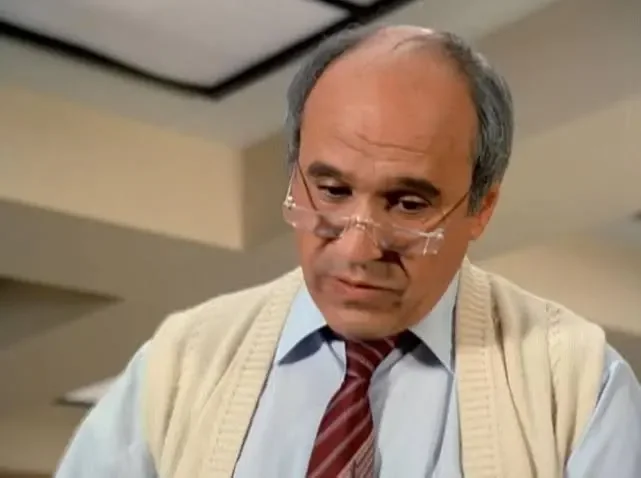
Floyd Levine
Born22 Feb, 1932
Died23 Aug, 2025
NationalityAmerican
Age at time of death93