Real Celebrities Never Die!
OR
Search For Past Celebrities Whose Birthday You Share
Died Age: 80
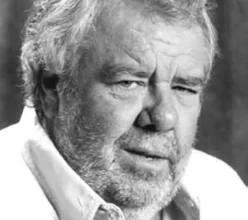
encrypted-tbn3.gstatic.com
Joey D. Vieria
Birthday:
07 Apr, 1944
Date of Death:
06 Apr, 2025
Cause of death:
Long Illness
Nationality:
American
Famous As:
American film
Age at the time of death:
80
Joseph Douglas Vieira 's Quote's

“How you doin'?" – Joey’s signature, charming way of greeting someone.”
Joseph Douglas Vieira
🔗 deadcelebrityhub.com
Early Life
Joey D. Vieira was a child actor whose early innocence on-screen evolved into a long, varied career—one of quiet resilience, reinvention, and lasting imprint. Best known as “Porky” Brockway on Lassie, he grew beyond his early fame into film, television, music, and more, building a life that carried both nostalgia and creative restlessness. He remains remembered not just for the kid in the overalls, but for someone who kept working in small roles, in voice-work, in music, until he was almost eighty—a life in entertainment that spanned childhood dreams, change, and a kind of humility that comes from being part of many stories.
Joseph Douglas Vieira was born on April 8, 1944, in Los Angeles, California. He was born into show-business adjacency: his aunt was Ruby Keeler, a famous musical star, and his half-brother was Ken Weatherwax, also a child actor. Early on, Joey stepped into acting world as a boy, adopting the professional name Donald Keeler for his first roles.
He got one of his defining breaks at about ten, when he was cast as Sylvester “Porky” Brockway, farm boy and friend, on Lassie. The role required earnestness, charm, and the awkwardness of childhood—he delivered all that. Even as a kid actor, he had to balance school, auditions, and the demands of filming, growing up under a public eye far earlier than most.
Education & Formative Influences
Though acting defined the early years, Joey’s education was not formal into acting schools so much as in the schooling of life: learning on sets, figuring out how to work with directors, live animals, co-actors. He experienced early success, yes, but also the instability that child actors often face: changing roles, shifting public attention, and growing up in Hollywood as someone already haunted by comparisons.
These early lessons taught him both craft and humility—how to take small parts, how to move between genres, how to survive when leading roles recede. His family background—connected to performers, yet rooted in the work behind the scenes—gave him perspective about fame not as an endpoint but as part of a larger life.
Career Journey
Joey’s career has distinct phases: child stardom; gradual transition into adult roles; diversification into music, writing, voice work; late career roles and reflection.
Phase One: Childhood Stardom
From 1954 into the late 1950s, “Porky” Brockway on Lassie was a face many homes knew. He appeared in dozens of episodes, became part of a cast that symbolized idealized rural life and moral simplicity. That early exposure meant not just recognition but also long hours, learning lines, being responsible for emotional scenes—even when the subject was simple childhood conflict. It also meant that when Lassie’s direction shifted, Joey had to adapt, grow, and find new ways forward.
Phase Two: Transition & Supporting Roles
As he aged, his roles shifted. Guest appearances on shows, small parts in films—sometimes just a day’s work—became more common. He appeared in television series in the 1960s, then in feature films from the 1970s onward. The parts became less central, but in many ways more interesting: he played characters with texture—man at a phone booth, narrator, cameo, voice roles, sometimes even uncredited parts.
He also faced the common challenge of child stars: how to keep working when you’re no longer the kid. Joey managed that by accepting smaller chances, by being versatile, by not insisting always on lead status.
Phase Three: Diversification & Creativity
Beyond acting, he branched into music and writing, and voice work. In the 1970s and 1980s he engaged in music projects. Later on, his voice acting in animated or dubbing work offered him creative outlets outside the camera. One of his songs was later sampled by younger artists—evidence that even work done decades prior could still echo forward in unexpected ways.
Phase Four: Later Years, Reflection & Legacy Work
In his later decades, Joey made occasional screen appearances, more voice roles, involvement in the industry in modest ways. As public interest in golden-age television grew, people remembered Lassie and “Porky,” remembered the young actor who wore the overalls and lived simply, who later took supporting roles in The Patriot, Ferris Bueller’s Day Off, and others. He also witnessed the passing of peers, changes in the industry, and shifting attitudes toward child actors.
Soon before his death, he had entered hospice care, after a long illness. He died on April 7, 2025, one day before his 81st birthday.
Personal Life
Joey’s personal life was quieter than his early fame. He was close with his family—his half-brother, the legacy of his aunt; he carried memories of early shoots, of being known as “Porky.” He lost a son, Beau, in 2023. He is survived by a daughter. Despite the pressures of early success, he seems to have carried on without the breaks many expect—steady work, modest life, continuing to show up when jobs came.
He was not just an actor but someone who loved music; he composed, sang, produced. The fact that his musical work resonated later (sampled by newer artists) suggests he kept investing in creativity even when fame had moved on.
Legacy
Joey D. Vieira’s impact is subtle but deep:
For many, he represents what it was to be a child actor in classic television—genuine, innocent, formative. His role in Lassie remains an enduring part of that show’s long history.
His career shows that the path of an actor does not always lead to superstardom—sometimes it leads through many smaller doors—but that those doors matter just as much.
His willingness to try music, voice work, to accept smaller roles later in life reveals persistence, adaptability, and a love of craft more than spotlight.
The fact that his work from long ago got sampled decades later shows how popular culture can circle back, how something done in childhood or early life can echo generations later.
Conclusion
Joey D. Vieira’s life was one of early spotlight, yes—but also of decades lived in between, in small roles, in reinvention, in creativity that never fully went away. He reminds us that acting is more than headline success; it’s presence, endurance, and the courage to continue working even when the crowd has moved on. His legacy is in every kid who watched Lassie and every nostalgic fan who sees his name in credits late at night; in the songs that used his voice or lyrics; in the proof that love for the arts can sustain a life beyond fame. He will be remembered as a child star, yes—but more, as a lifelong artist.
Profile Snapshot
Name:
Joseph Douglas Vieira
Popular Name:
Joey D. Vieria
Gender:
Male
Cause of Death:
Long Illness
Spouse:
Lynne Paula Bader
Place of Birth:
Los Angeles, California, U.S
Place of Death:
U.S.A
Occupation / Profession:
American film
Television actor
Personality Type
Consul: Joey D. Vieira was a warm, conscientious, and people-centered creative whose long career and family devotion reveal a leader-at-heart who values connection, growth, and bringing out the best in others.
Joseph Douglas Vieira 's Interesting Facts
Joey Tribbiani is the only one of the six main characters in Friends who doesn't have a college degree.
He once hired a fellow actor to impersonate him in a medical trial for extra cash.
Joey's favorite food is pizza, and he famously declared, "Pizza! We like pizza. Get out!"
He was ordained as a minister online and officiated at both Monica and Chandler's and Phoebe and Mike's weddings.
Achievements & Awards
Joey D. Vieira gained recognition as a child actor on Lassie in the 1950s, during the period when the show earned Emmy Awards for Best Family Television Show. Beyond his early success, he built a lasting career with appearances in films and television, while also contributing as a writer, producer, director, and musician.
External Links
Additional Links
Latest Profiles
People also viewed
Diana Barrymore
Born03 Mar, 1921
Died25 Jan, 1960
NationalityAmerican
Age at time of death38

Hesham Selim
Born26 Jan, 1958
Died21 Sep, 2022
NationalityEgyptian
Age at time of death64
Julian McMahon
Born26 Jul, 1968
Died03 Jul, 2025
NationalityAustralian, American
Age at time of death56