Real Celebrities Never Die!
OR
Search For Past Celebrities Whose Birthday You Share
Died Age: 61
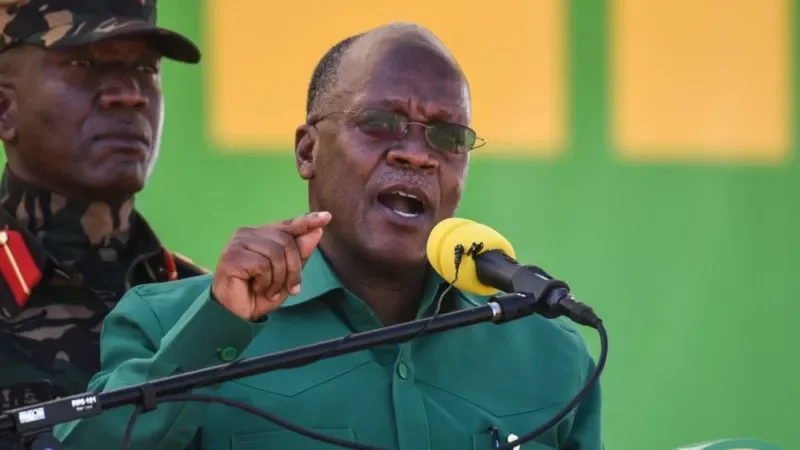
www.bbc.com
John Magufuli
Birthday:
28 Oct, 1959
Date of Death:
16 Mar, 2021
Cause of death:
Heart complications
Nationality:
Tanzanian
Famous As:
Politician
Age at the time of death:
61
John Pombe Joseph Magufuli's Quote's

“You cannot fight corruption using corrupt people.”
John Pombe Joseph Magufuli
🔗 deadcelebrityhub.com
Early Life: Humble Roots in Chato
John Pombe Joseph Magufuli was never one to walk a beaten path. Nicknamed “The Bulldozer” not just for his relentless infrastructure projects, but for the force of will he brought into every corner of Tanzanian public life, Magufuli was a man of action in an age of rhetoric. Whether revered or reviled, his legacy is an undeniable one of fierce nationalism, anti-corruption crusades, and a leadership style that bucked convention in ways few African presidents dared. His story is one of grit, ambition, and controversy lived at full throttle and etched indelibly into the history of East Africa.
Born on October 29, 1959, in the small fishing village of Chato, in northwestern Tanzania, Magufuli grew up in a modest household. His father, Joseph Magufuli, was a peasant farmer and a former subsistence fisherman turned watchman, while his mother, Suzana, was a homemaker. The family lived in a thatched mud house, a far cry from the grandeur that would later define the halls he would walk in the State House.
From a young age, Magufuli showed a quiet tenacity. He herded cattle, sold milk on the streets, and studied by lantern light. But beneath the modest trappings was a boy with an insatiable appetite for learning and a stubborn sense of justice. Local teachers remembered him as a boy who would challenge unfairness head-on, once defending a classmate from an unjust punishment, a foreshadowing of the leader he would become.
Education: From Classroom to Chemistry Lab
Education was Magufuli’s ladder out of poverty and he climbed it one careful rung at a time. After completing his primary and secondary education in local government schools, he was admitted to Mkwawa High School, where he excelled in science, particularly chemistry. He later enrolled at the University of Dar es Salaam, earning a Bachelor of Science in Education majoring in chemistry and mathematics.
He would go on to earn a Master’s degree and eventually, a Ph.D. in Chemistry in 2009. It was a rare academic feat for a sitting government minister at the time. He proudly bore the title “Dr. Magufuli,” and it wasn’t just honorary; he authored academic papers and remained engaged in scientific discourse throughout his political life. His discipline as a scientist carried over into his policy-making style, albeit with the forcefulness that earned him his moniker.
Political Ascent: From MP to Bulldozer
Magufuli entered politics in 1995, when he was elected Member of Parliament for Chato. His rise was meteoric. Recognised early for his work ethic and no-nonsense attitude, he was appointed Deputy Minister of Works, and later full Minister, where he left a signature mark literally. Under his leadership, roads were paved at a rate never seen before in Tanzania. He personally visited construction sites, sometimes unannounced, inspecting work and reprimanding lax officials. Contractors learned quickly: with Magufuli, cutting corners wasn’t an option.
In an oft-repeated anecdote, he reportedly walked several kilometres unaccompanied to investigate an unfinished bridge. It was this hands-on, high-expectation leadership that endeared him to many Tanzanians, especially the working class, who saw in him a reflection of their values, such as hard work, integrity, and accountability.
The Presidency: A Man on a Mission
In 2015, when he ran for the presidency under the ruling Chama Cha Mapinduzi (CCM) party, few doubted his credentials. But even fewer predicted just how radically he would reshape the Tanzanian state.
Once in office, Magufuli declared war on government waste. Lavish foreign trips were cut. Ghost workers were purged from the public payroll worth tens of thousands, according to reports. Ministries were streamlined, budgets slashed, and meetings conducted with a stopwatch’s efficiency.
He famously cancelled Independence Day celebrations in 2015 to allocate the funds to a public clean-up campaign instead, urging citizens to join in. "Let us all work together to keep our country clean," he said, which became an ethos he tried to apply to both streets and state offices.
But his governance style was not without controversy. His administration cracked down on dissent, suspended critical media outlets, and passed laws that civil society groups said curtailed freedom of expression. His COVID-19 stance attracted global scrutiny: Magufuli discouraged mask use, promoted herbal remedies, and questioned vaccine efficacy, declaring at one point that "God has eliminated coronavirus in Tanzania." His stance garnered both fierce criticism abroad and fierce loyalty at home.
Personal Life: The Man Behind the Office
Away from the podium, Magufuli was a devout Roman Catholic, attending Mass regularly and often citing Biblical references in his speeches. He was married to Janet Magufuli, a primary school teacher, and together they had five children. He loved music, particularly traditional Tanzanian taarab and was known to break into song at public events, his baritone voice earning applause from surprised audiences.
He was also something of a paradox: a deeply religious man who wielded political power with an iron fist; a populist who enforced austerity; a nationalist who sometimes sidelined global norms in pursuit of local solutions.
Legacy: The Bulldozer’s Imprint
When John Magufuli died unexpectedly in March 2021, the nation was stunned. His Vice President, Samia Suluhu Hassan, announced his passing, attributing it to heart complications. The weeks leading up to his death had been mired in speculation, especially due to his conspicuous absence from public view.
His legacy remains divisive but unmistakably profound.
To his supporters, he was a hero and a leader who cleaned up government rot, championed Tanzanian industry, and brought infrastructure to forgotten corners of the nation. Under his tenure, the standard gauge railway project, the expansion of Julius Nyerere Hydropower Dam, and the revitalisation of Air Tanzania took off.
To his critics, he was a symbol of growing authoritarianism, whose suppression of opposition voices set back democratic gains.
Yet even they acknowledge this: Magufuli was never indifferent. He led with intention, however polarising that might have been. He disrupted the status quo and dared to lead in a way that was uniquely his own.
In the end, whether one remembers him with admiration or apprehension, one thing is certain: John Pombe Magufuli left tracks that won’t be erased anytime soon.
Profile Snapshot
Name:
John Pombe Joseph Magufuli
Popular Name:
John Magufuli
Gender:
Male
Cause of Death:
Heart complications
Spouse:
Janet Magufuli
Place of Birth:
Chato, Tanzania
Place of Death:
Dar es Salaam, Tanzania
Occupation / Profession:
Politician
Teacher
Personality Type
Commander: Bold, imaginative and strong-willed leaders, always finding a way – or making one. A bold, no-nonsense leader who believed in action over talk and always found a way to get things done.
John Pombe Joseph Magufuli's Interesting Facts
Magufuli was known to walk or ride a bicycle long distances as a student because his family couldn't afford bus fare.
He once worked as a secondary school chemistry and mathematics teacher before entering politics.
Despite being president, he was famously frugal. He reportedly travelled without large motorcades and cut his own salary by two-thirds.
Achievements & Awards
John Magufuli’s presidency was marked by a strong push for infrastructure, including the construction of major roads, railways, and the revival of Air Tanzania.
He launched the Julius Nyerere Hydropower Project, one of Africa’s largest energy initiatives, to boost the national electricity supply.
Magufuli was also praised for fighting corruption, cutting unnecessary government spending, and increasing access to public services like education and healthcare.
In recognition of his efforts, he received accolades such as the Forbes Africa Person of the Year (2015) and was widely respected across Africa as a symbol of disciplined leadership.
External Links
Latest Profiles
People also viewed
Yvonne Barr
Born11 Mar, 1932
Died13 Feb, 2016
NationalityIrish
Age at time of death83
Gerald Ford
Born14 Jul, 1913
Died26 Dec, 2006
NationalityAmerican
Age at time of death93
Victor Hugo
Born26 Feb, 1802
Died22 May, 1885
NationalityFrench
Age at time of death83
George Murphy
Born04 Jul, 1902
Died03 May, 1992
NationalityAmerican
Age at time of death89
P. T. Barnum
Born05 Jul, 1810
Died07 Apr, 1891
NationalityAmerican
Age at time of death80
Rajendra Prasad
Born03 Dec, 1884
Died28 Feb, 1963
NationalityIndian
Age at time of death78
Nelson Rockefeller
Born08 Jul, 1908
Died26 Jan, 1979
NationalityAmerican
Age at time of death70

Ethan Allen
Born21 Jan, 1738
Died12 Feb, 1789
NationalityAmerican
Age at time of death51
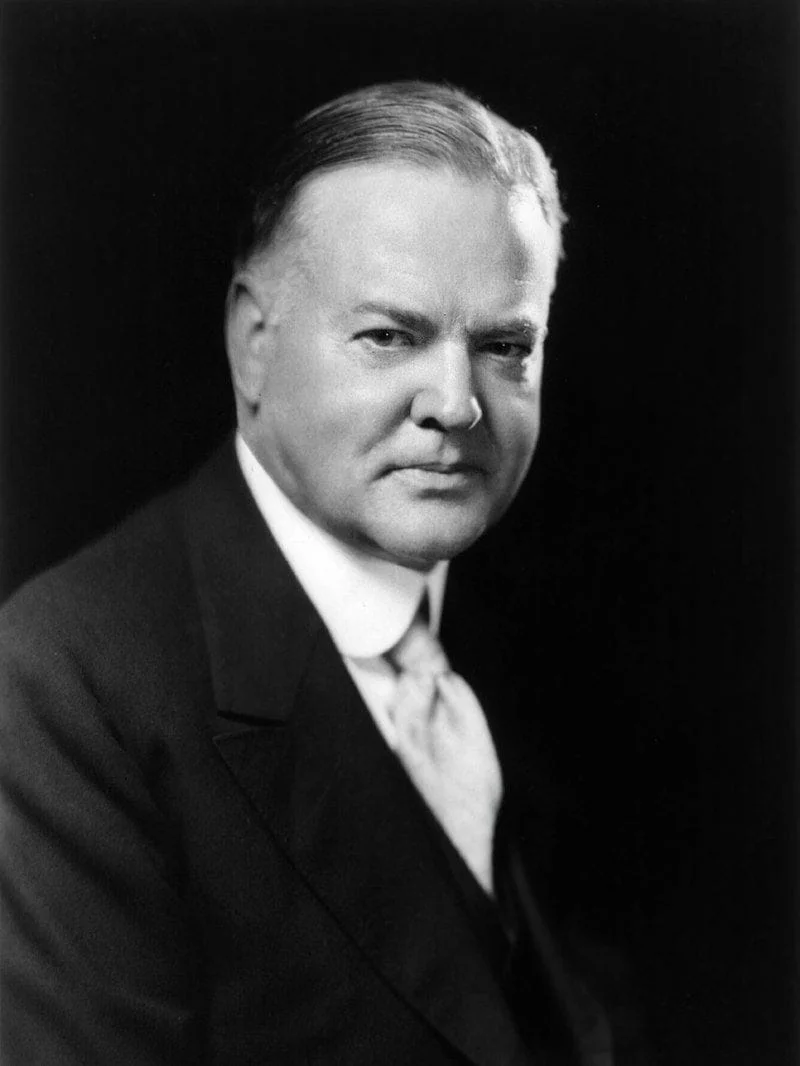
Herbert Hoover
Born10 Aug, 1874
Died20 Oct, 1964
NationalityAmerican
Age at time of death90
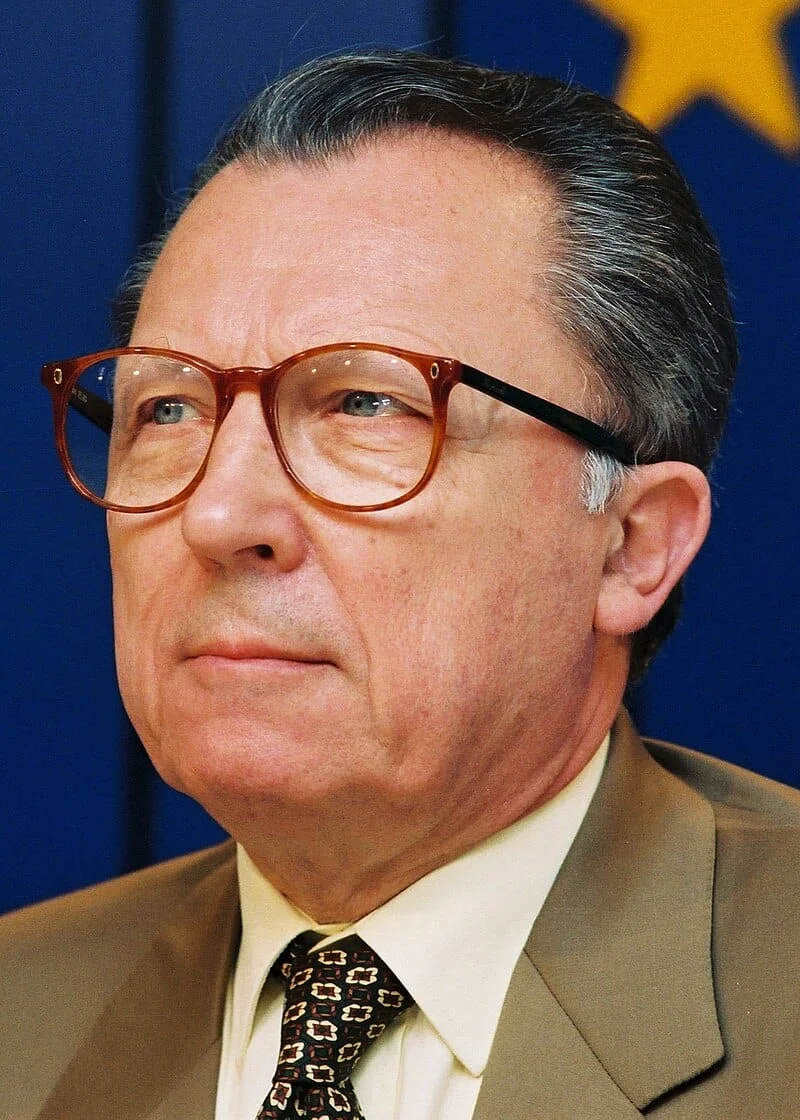
Jacques Delors
Born20 Jul, 1925
Died27 Dec, 2023
NationalityFrench
Age at time of death98
Anne Sullivan
Born14 Apr, 1866
Died20 Oct, 1936
NationalityAmerican
Age at time of death70
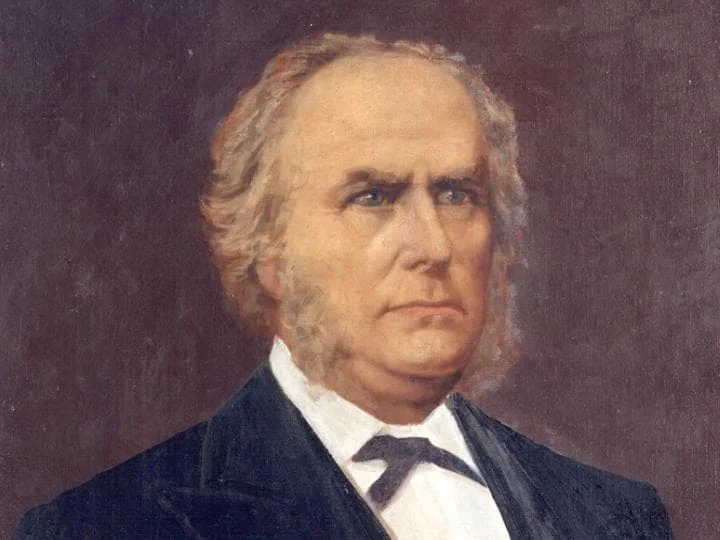
James Harrison
Born17 Apr, 1816
Died03 Sep, 1893
NationalityScottish,Australian
Age at time of death77
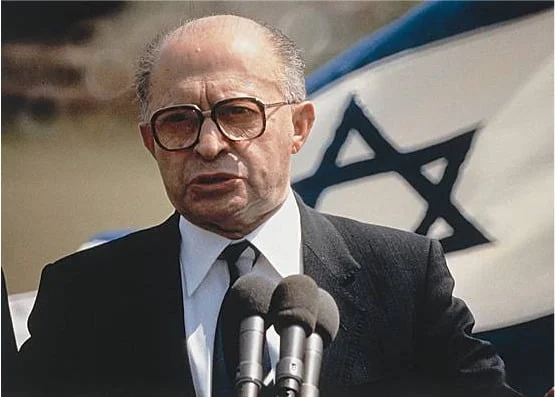
Menachem Begin
Born16 Aug, 1913
Died09 Mar, 1992
NationalityIsraeli
Age at time of death78
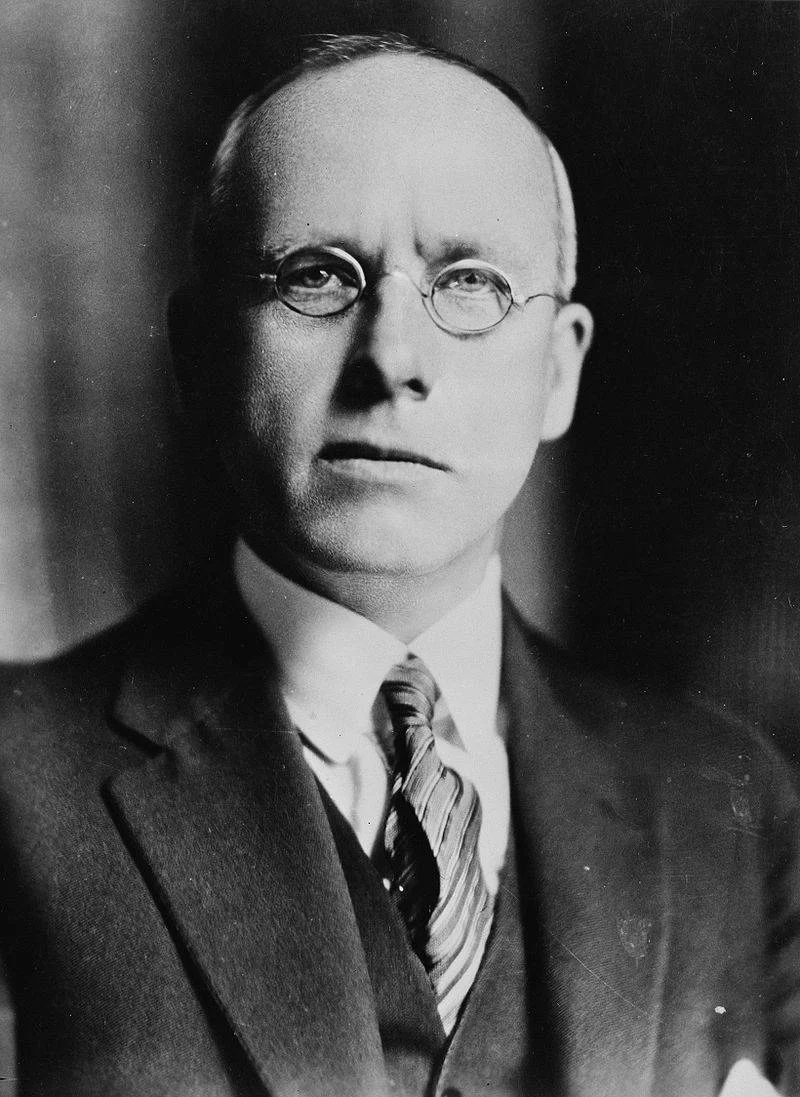
Peter Fraser
Born28 Aug, 1884
Died12 Dec, 1950
NationalityNew Zealand
Age at time of death66
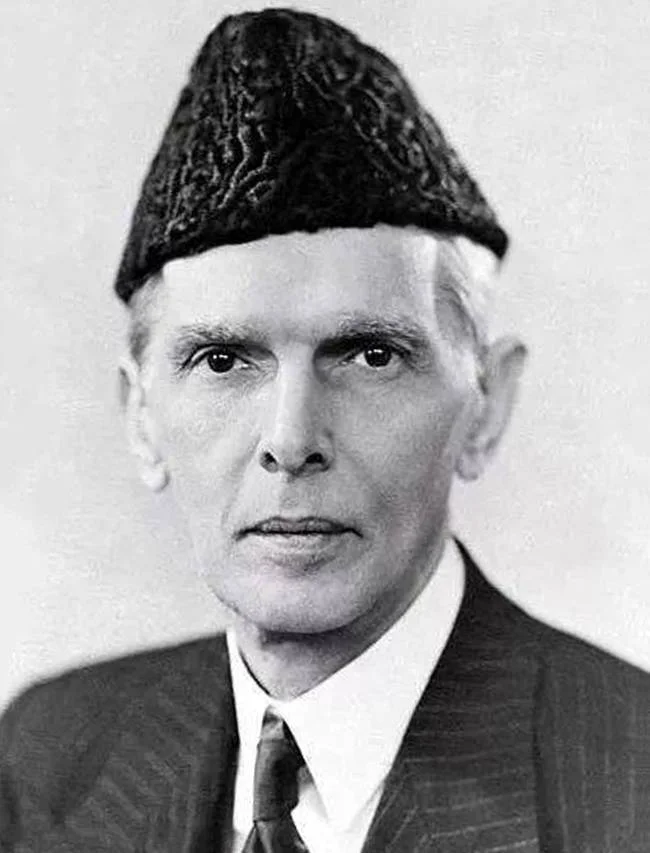
Muhammad Ali Jinnah
Born25 Dec, 1876
Died11 Sep, 1948
NationalityPakistani
Age at time of death71
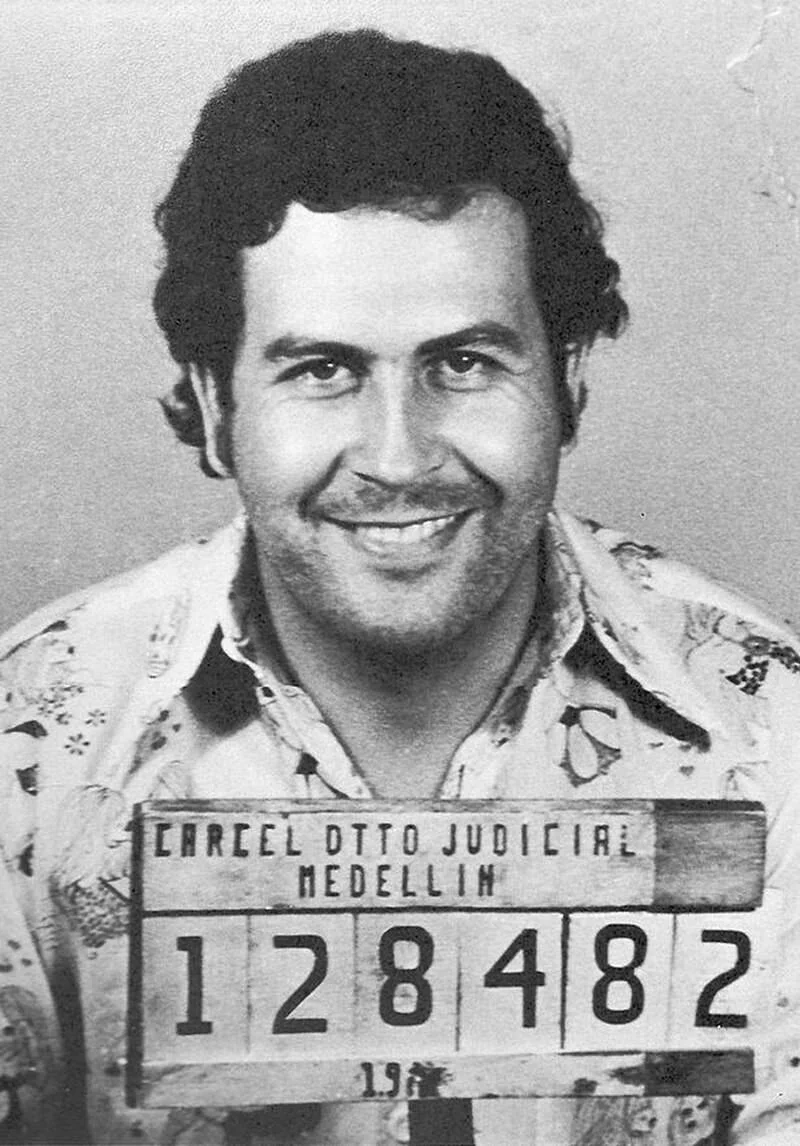
Pablo Escobar
Born01 Dec, 1949
Died02 Dec, 1993
NationalityColombian
Age at time of death44
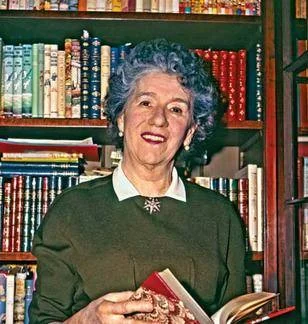
Enid Blyton
Born11 Aug, 1897
Died28 Nov, 1968
NationalityBritish
Age at time of death71
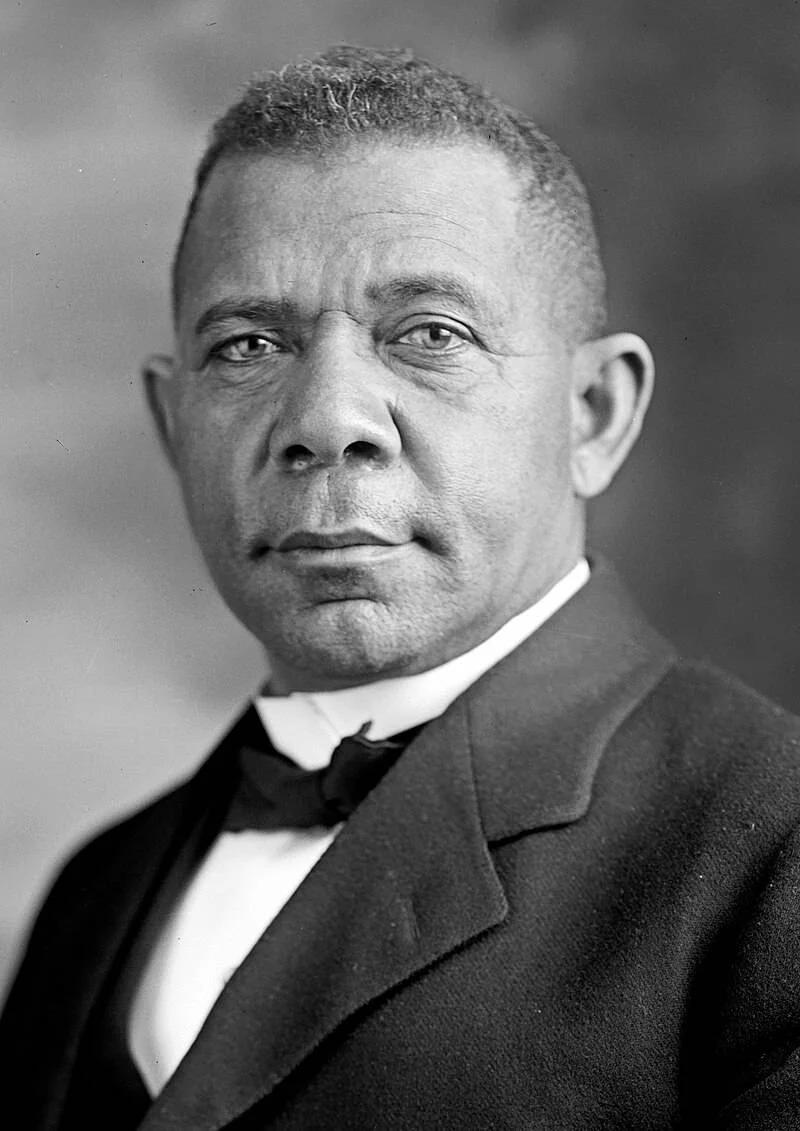
Booker T. Washington
Born05 Apr, 1856
Died14 Nov, 1915
NationalityAmerican
Age at time of death59
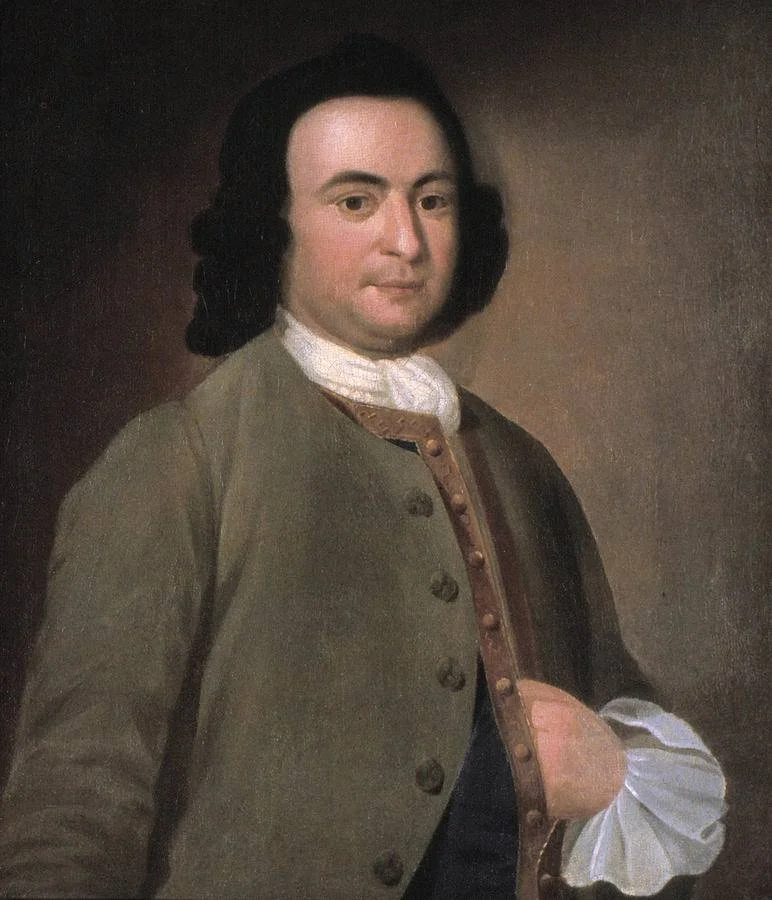
George Mason
Born11 Dec, 1725
Died07 Oct, 1792
NationalityAmerican, British
Age at time of death66
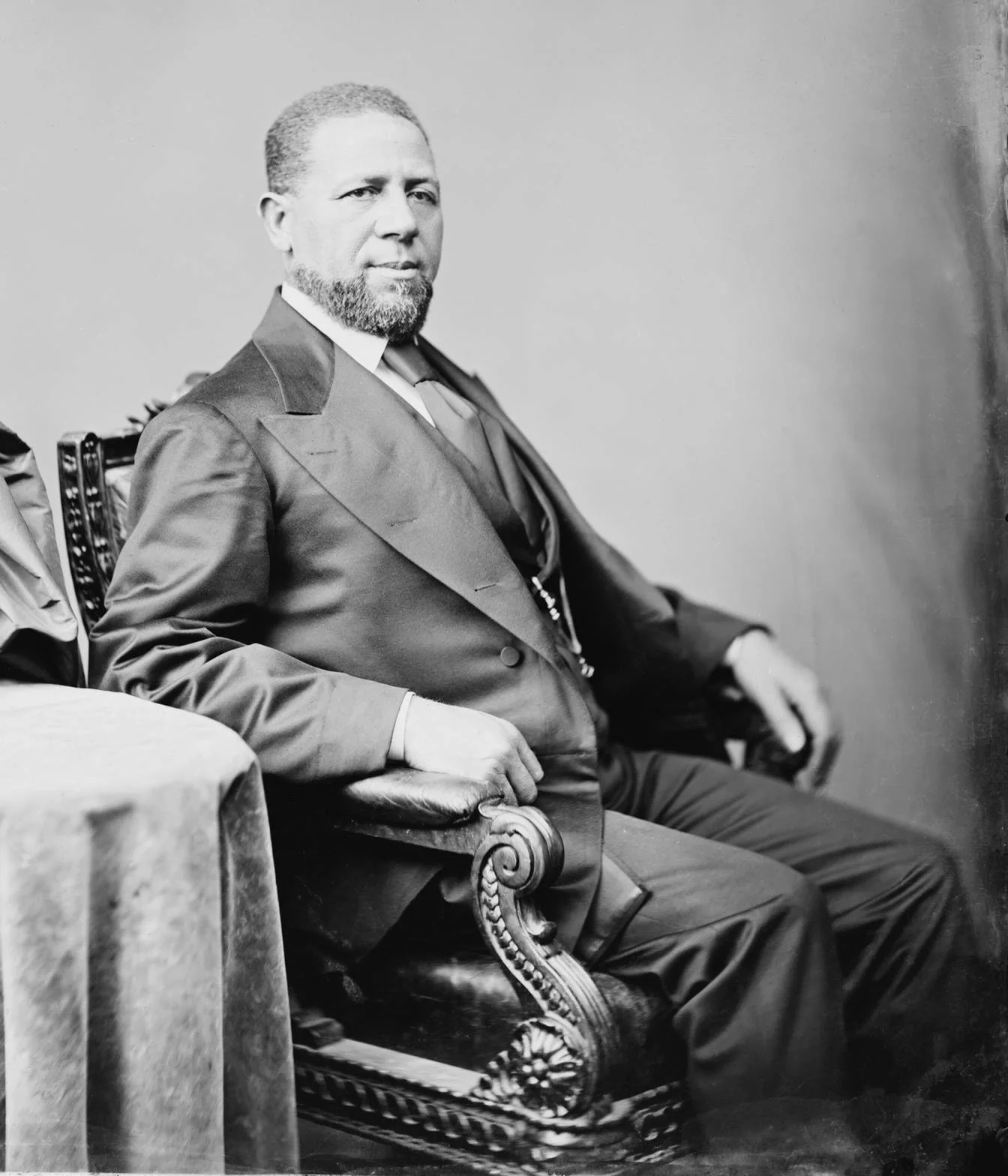
Hiram R. Revels
Born27 Sep, 1827
Died16 Jan, 1901
NationalityAmerican
Age at time of death73