Real Celebrities Never Die!
OR
Search For Past Celebrities Whose Birthday You Share
Died Age: 67
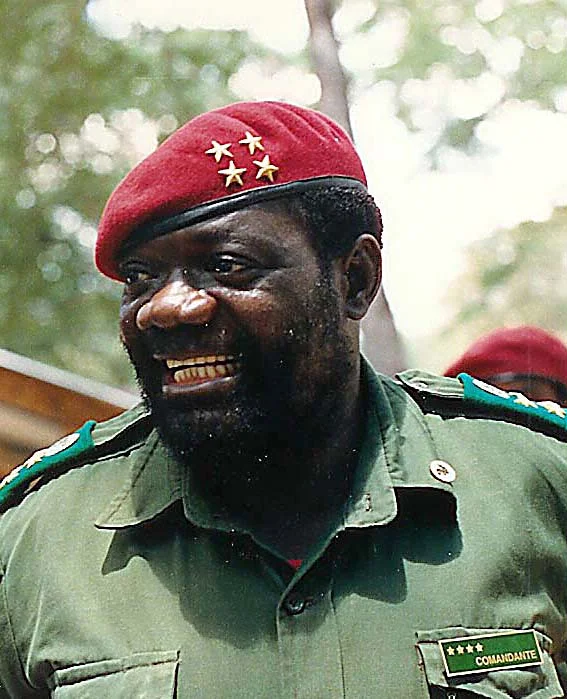
wikimedia.org
Jonas Savimbi
Birthday:
03 Aug, 1934
Date of Death:
22 Feb, 2002
Cause of death:
Gunshot
Nationality:
Angolan
Famous As:
Military Commander
Age at the time of death:
67
Jonas Malheiro Sidónio Sakaita Savimbi's Quote's

“I am not a man of peace; I am a man of justice.”
Jonas Malheiro Sidónio Sakaita Savimbi
🔗 deadcelebrityhub.com
Jonas Savimbi: Angola's Revolutionary Leader
Jonas Malheiro Savimbi came into the world on August 3, 1934, in Munhango, Moxico Province, Angola, growing up to be a magnetic yet divisive rebel leader who left a huge mark on Angola’s push for independence and its long, messy civil war. He started the National Union for the Total Independence of Angola (UNITA), and his life was all about big dreams, fierce beliefs, and a nonstop chase for control. People still argue over what he left behind—some see a brilliant fighter, others the chaos of years of war.
arly Life and Family Background
Savimbi grew up in a simple Ovimbundu family. His dad, Loth Savimbi, kept the trains running as a stationmaster and preached at the Evangelical Congregational Church of Angola. His mom, Helena Mbundu Savimbi, was the warm heart of the home. Raised with faith all around him, Jonas picked up discipline and a sense of direction early on. He went to Protestant mission schools in central Angola, shining in his studies even though most folks under Portuguese rule didn’t get much of a shot at learning. That early schooling made him stand out. In 1958, he landed a scholarship from the United Church of Christ to study in Lisbon, Portugal. There, he got fired up about politics, jumping into anti-colonial groups and pushing for Angola to break free. But his activism got him in hot water with Portugal’s secret police, who locked him up more than once. Wanting room to breathe and keep fighting, he headed to Switzerland in 1961.
Education and Formative Years
In Switzerland, Savimbi hit the books at the University of Fribourg before moving to the University of Lausanne, where he graduated with flying colors in political science and law in 1965. He’d started out aiming to be a doctor, but politics and the idea of shaking things up won him over. He rubbed shoulders with big names like Jomo Kenyatta and Tom Mboya, who lit a fire in him to throw everything into Angola’s freedom fight. School wasn’t his only training ground—he also learned guerrilla tricks from Maoists at China’s Nanking Military Academy. Those lessons stuck with him, shaping how he’d lead UNITA into battle later on.
Personal Life
Jonas Savimbi kept his personal life pretty quiet despite being a big name in the revolution. He tied the knot a few times, but he didn’t let much slip about his family. His Ovimbundu roots were a big deal to him, tying him tight to a lot of UNITA’s backers from that group. People couldn’t help but notice his charm—he had a way of pulling folks in and keeping them loyal. He built himself up as both a tough fighter and a sharp leader, someone who could guide Angola out of colonial chains and into something bigger.
Professional Career and Achievements
Savimbi kicked off his political life as secretary-general of the Union of Angolan People (UPA) in 1961. When UPA teamed up with others to form the FNLA, he took on the foreign minister gig for its exile government but walked away in 1964 after clashing with FNLA’s Holden Roberto. He wasn’t about to compromise, so he started UNITA in 1966 to chase his own vision for Angola. With Savimbi at the helm, UNITA first took on the Portuguese during the War of Independence from 1961 to 1974. Once Angola broke free in 1975, he turned his guns on the Marxist MPLA government. Backed by players like China, South Africa, and later the U.S. during the Cold War, UNITA kept one of Africa’s longest rebellions going strong. Folks admired his battlefield smarts, but plenty called him out too. He rallied rural Ovimbundu farmers and leaned on Mao-style guerrilla moves. The West, including Ronald Reagan, dubbed him a “freedom fighter,” but others saw a hard-headed leader whose wars hurt more than they helped.
Contributions and Impact
Savimbi shook Angola to its core, for better and worse. He was a key voice against colonial rule and fought hard for independence. But his drive to win through fighting dragged the civil war out for decades, leaving a trail of pain. On the war front, he was one of Africa’s sharpest guerrilla minds, rallying villages and holding his own against bigger armies. He pitched UNITA as Angola’s ticket to democracy and free markets, but all that got buried under years of violence.
Death and Legacy
Jonas Savimbi’s life ended on February 22, 2002, at 67, caught in a firefight with government troops near Lucusse in Moxico Province. An ambush left him riddled with gunshot wounds, and his death finally put the brakes on UNITA’s war, opening the door to peace talks that wrapped up Angola’s civil war later that year. He’s still a lightning rod in Angola’s story. Some look back and see a dreamer who wouldn’t quit against tyranny; others blame him for stretching out the misery. His mark keeps stirring up talk about leadership, pride, and healing in Angola today.
Profile Snapshot
Name:
Jonas Malheiro Sidónio Sakaita Savimbi
Popular Name:
Jonas Savimbi
Gender:
Male
Cause of Death:
Gunshot
Spouse:
Catarina Savimbi
Valentina Seke
Place of Birth:
Munhango, Bié Province, Angola
Place of Death:
Moxico Province, Angola
Occupation / Profession:
Military Commander
Politician
Revolutionary Leader
Personality Type
Commander Bold, imaginative and strong-willed leaders, always finding a way – or making one. Savimbi’s leadership, strategic vision, and commanding presence align with the traits, often described as “The Commander”, based on his decisive and charismatic nature.
Jonas Malheiro Sidónio Sakaita Savimbi's Interesting Facts
He was a central figure in the Angolan Civil War (1975–2002), fighting against the MPLA government with support from the United States.
He was killed in 2002 in a battle with government forces, an event that quickly led to a ceasefire and the official end of the Angolan Civil War.
Jonas Savimbi was an Angolan political and military leader, best known as the founder and longtime head of the rebel group UNITA (National Union for the Total Independence of Angola).
Savimbi spoke seven languages, including Portuguese, French, and English.
Savimbi was a skilled guerrilla strategist, often referred to as the "Black Napoleon" for his military tactics and charisma in the battlefield.
Though once seen as a freedom fighter by the West, Savimbi was later criticized for war crimes.
Achievements & Awards
Founded UNITA in 1966.
Led the fight against Portuguese colonial rule until 1974.
Negotiated the Lusaka Accord in 1994.
Received military training in China.
Recognized as a key anti-communist figure by Western conservatives.
External Links
Additional Links
https://en.wikipedia.org/wiki/UNITAhttps://reliefweb.int/report/angola/bio-sketch-dr-jonas-malheiro-savimbihttps://www.blackpast.org/global-african-history/savimbi-jonas-malheiro-1934-2002/https://www.britannica.com/biography/Jonas-Savimbihttps://www.encyclopedia.com/people/history/african-history-biographies/jonas-savimbihttps://www.sahistory.org.za/people/jonas-malheiro-savimbihttps://www.youtube.com/watch?v=mtpRziHDa7M
Latest Profiles
People also viewed
Gerald Ford
Born14 Jul, 1913
Died26 Dec, 2006
NationalityAmerican
Age at time of death93
Victor Hugo
Born26 Feb, 1802
Died22 May, 1885
NationalityFrench
Age at time of death83
George Murphy
Born04 Jul, 1902
Died03 May, 1992
NationalityAmerican
Age at time of death89
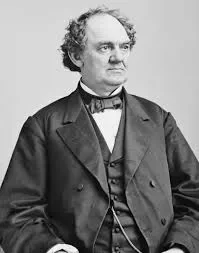
P. T. Barnum
Born05 Jul, 1810
Died07 Apr, 1891
NationalityAmerican
Age at time of death80
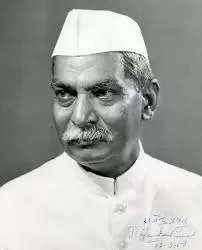
Rajendra Prasad
Born03 Dec, 1884
Died28 Feb, 1963
NationalityIndian
Age at time of death78
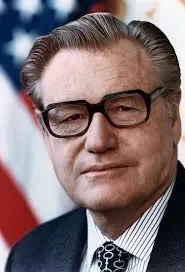
Nelson Rockefeller
Born08 Jul, 1908
Died26 Jan, 1979
NationalityAmerican
Age at time of death70

Ethan Allen
Born21 Jan, 1738
Died12 Feb, 1789
NationalityAmerican
Age at time of death51
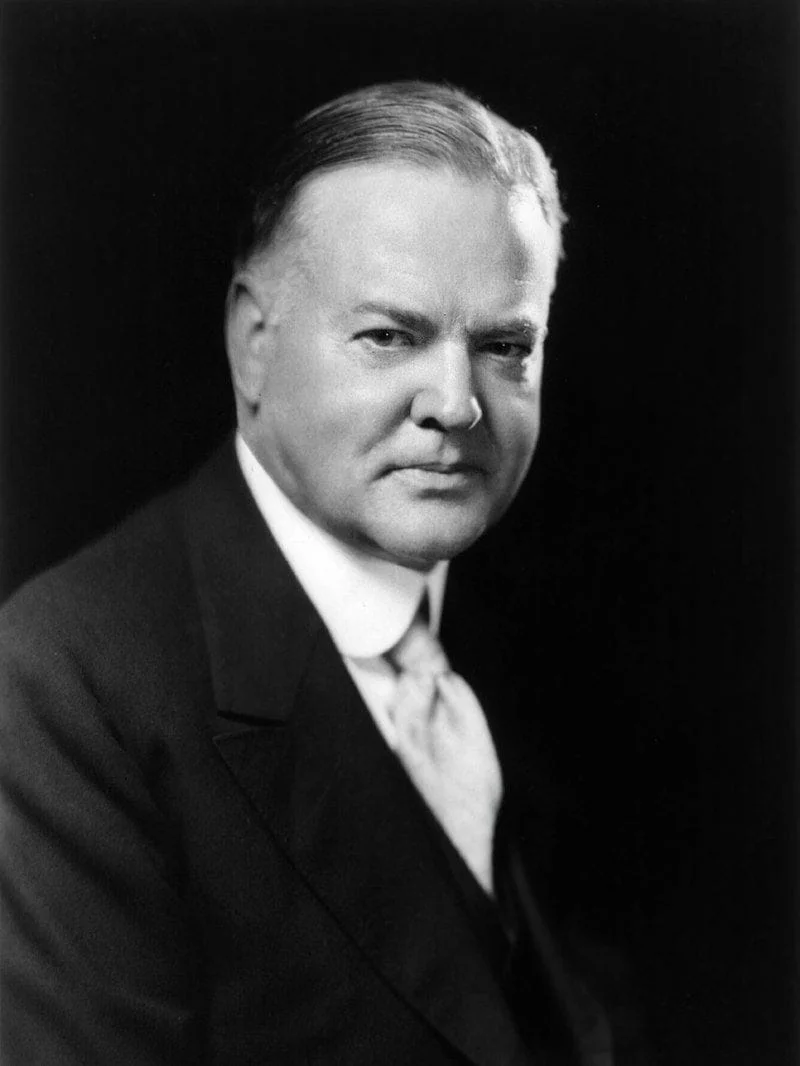
Herbert Hoover
Born10 Aug, 1874
Died20 Oct, 1964
NationalityAmerican
Age at time of death90
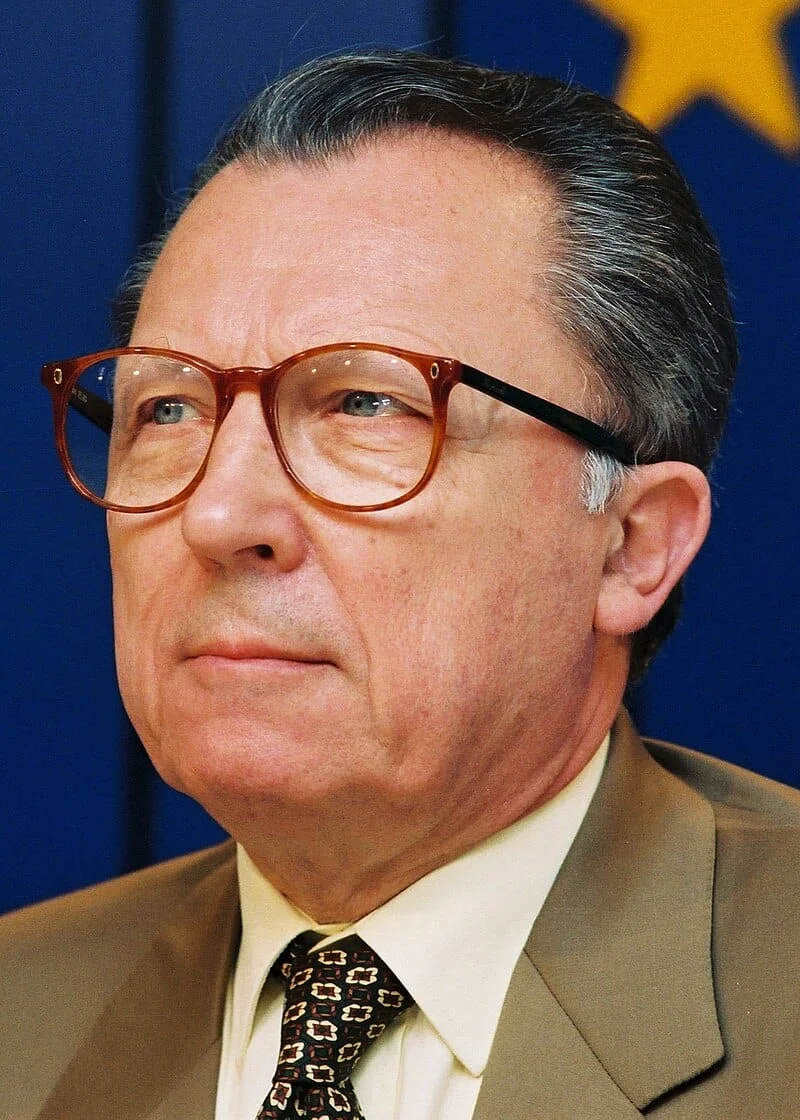
Jacques Delors
Born20 Jul, 1925
Died27 Dec, 2023
NationalityFrench
Age at time of death98
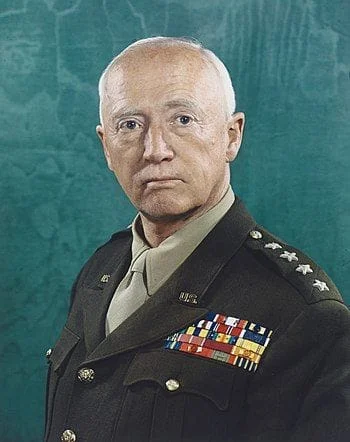
George S Patton
Born11 Nov, 1885
Died21 Dec, 1945
NationalityAmerican
Age at time of death60
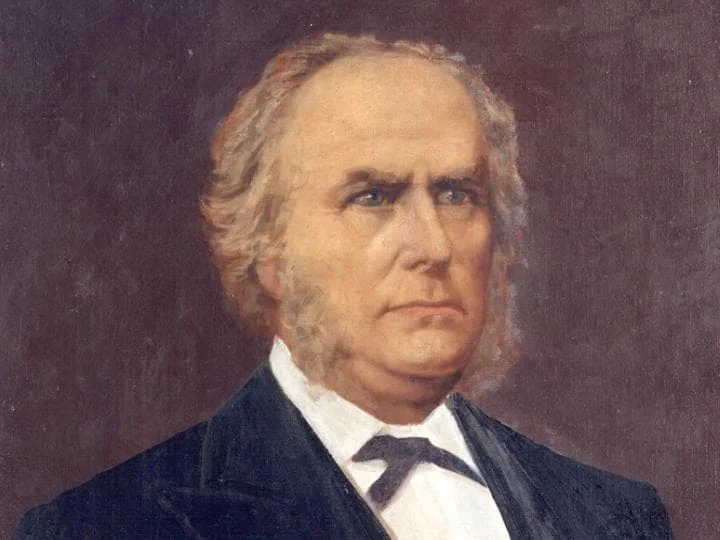
James Harrison
Born17 Apr, 1816
Died03 Sep, 1893
NationalityScottish,Australian
Age at time of death77
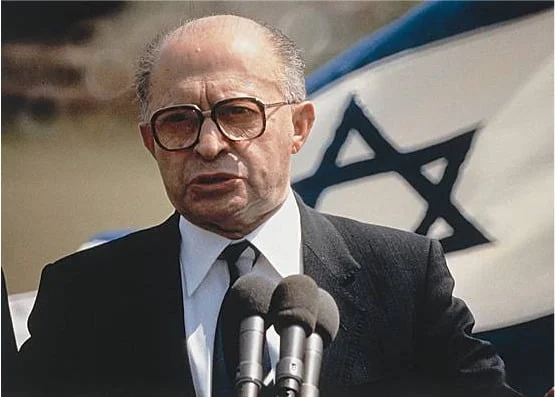
Menachem Begin
Born16 Aug, 1913
Died09 Mar, 1992
NationalityIsraeli
Age at time of death78
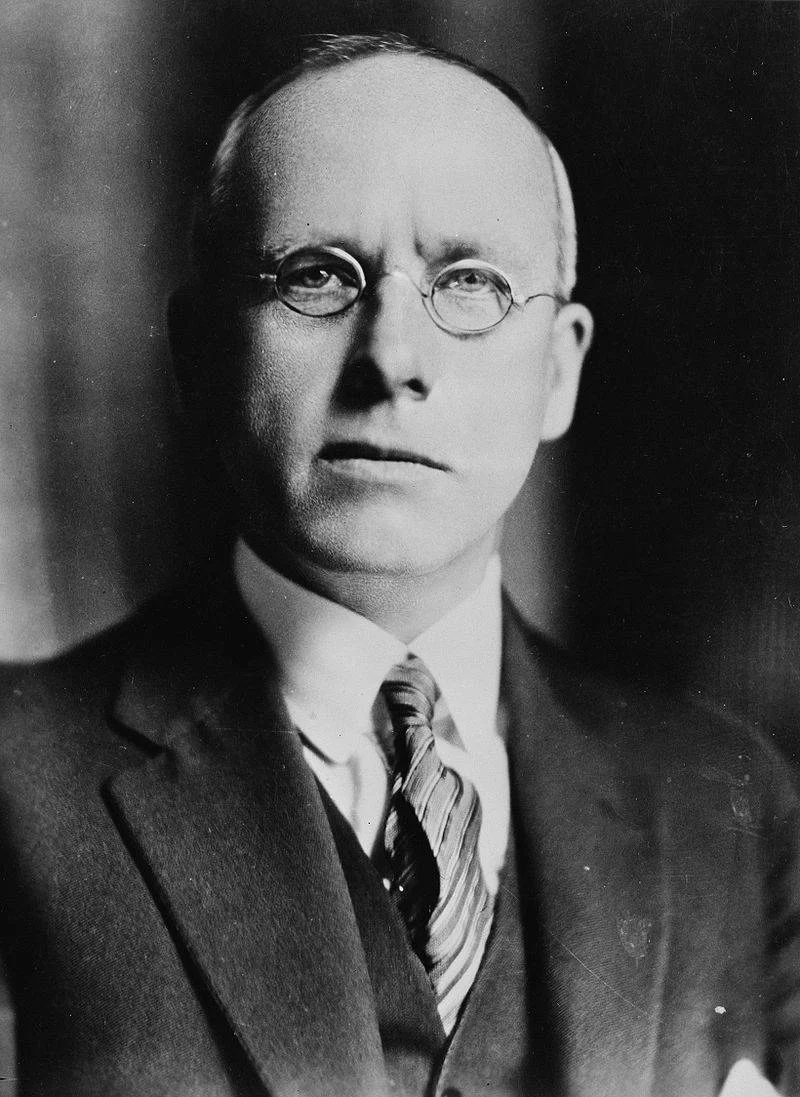
Peter Fraser
Born28 Aug, 1884
Died12 Dec, 1950
NationalityNew Zealand
Age at time of death66
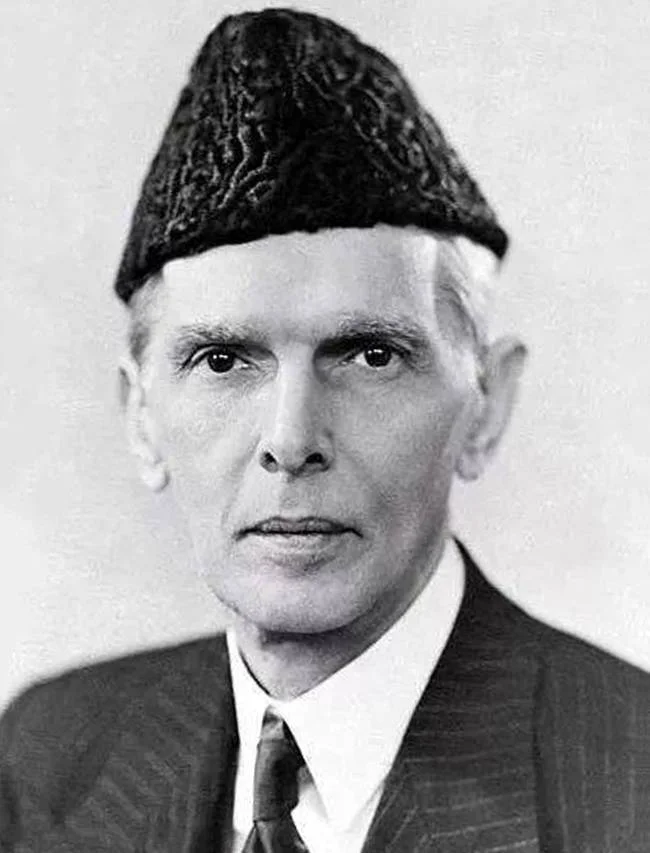
Muhammad Ali Jinnah
Born25 Dec, 1876
Died11 Sep, 1948
NationalityPakistani
Age at time of death71
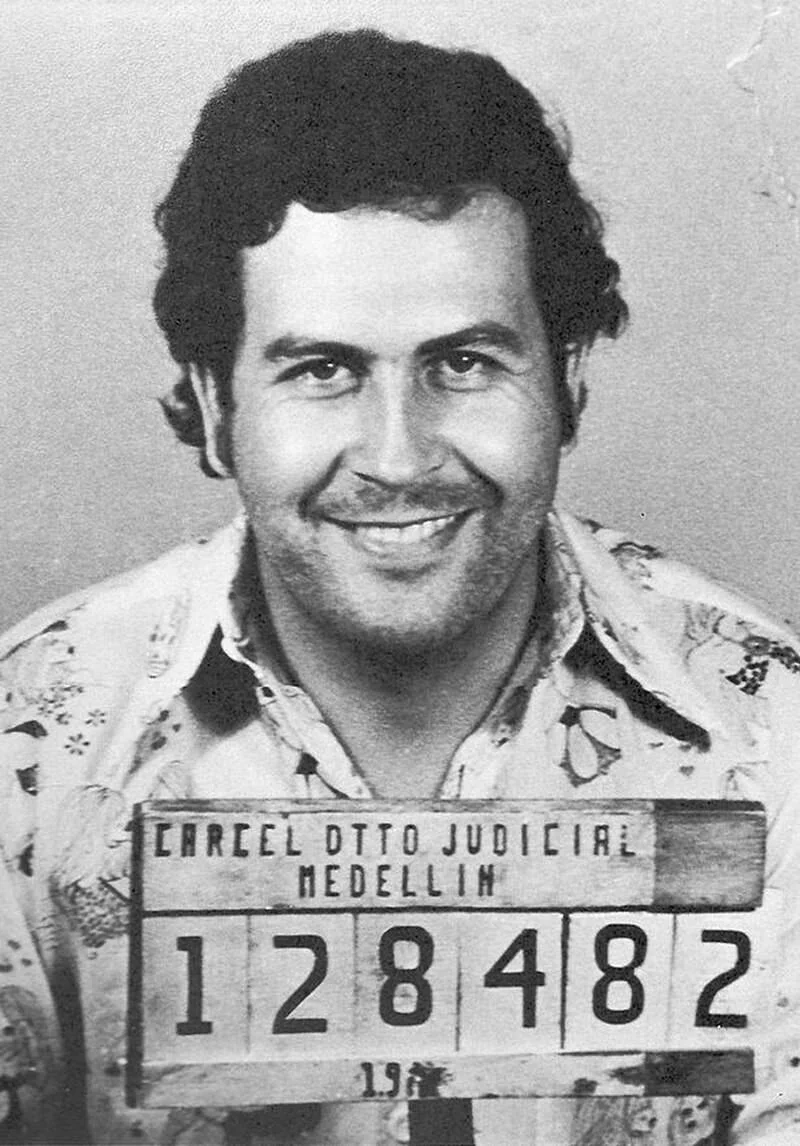
Pablo Escobar
Born01 Dec, 1949
Died02 Dec, 1993
NationalityColombian
Age at time of death44
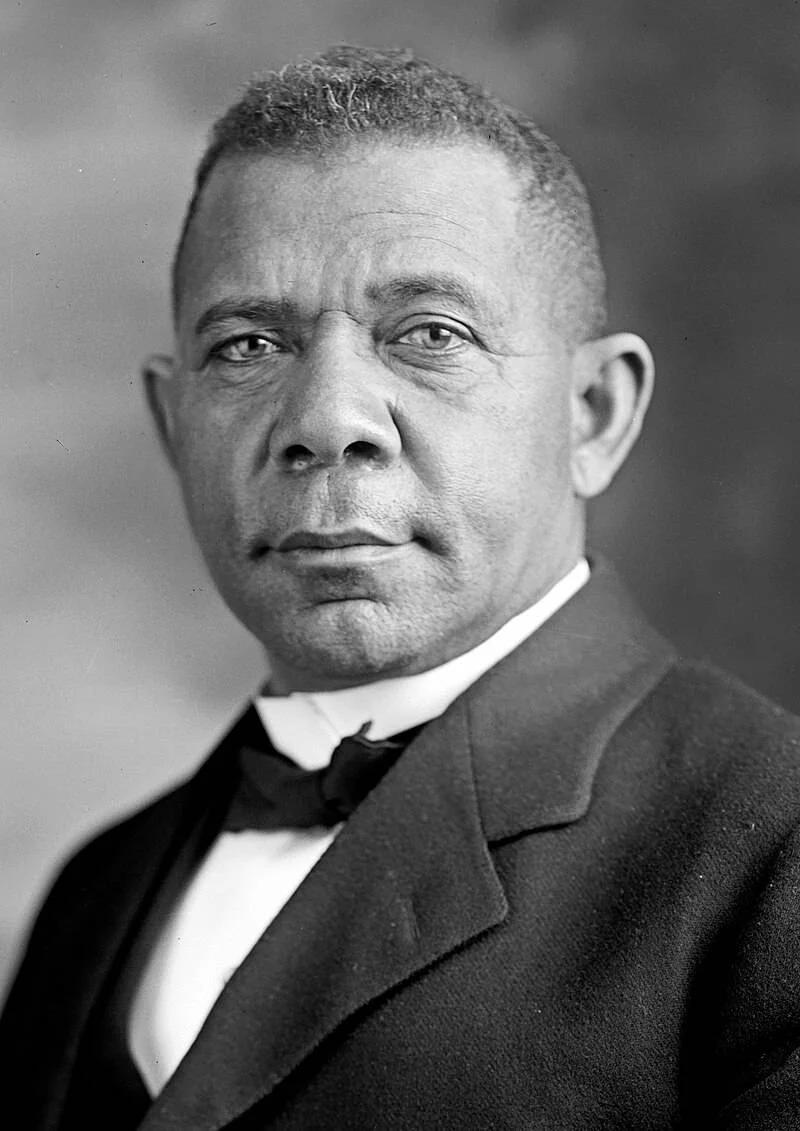
Booker T. Washington
Born05 Apr, 1856
Died14 Nov, 1915
NationalityAmerican
Age at time of death59
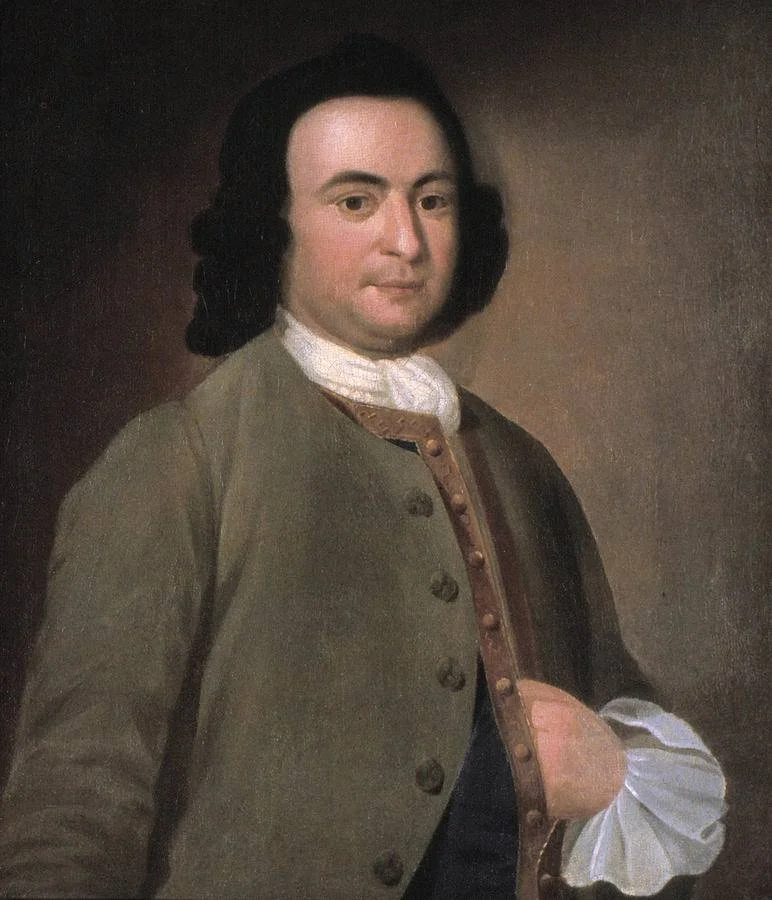
George Mason
Born11 Dec, 1725
Died07 Oct, 1792
NationalityAmerican, British
Age at time of death66
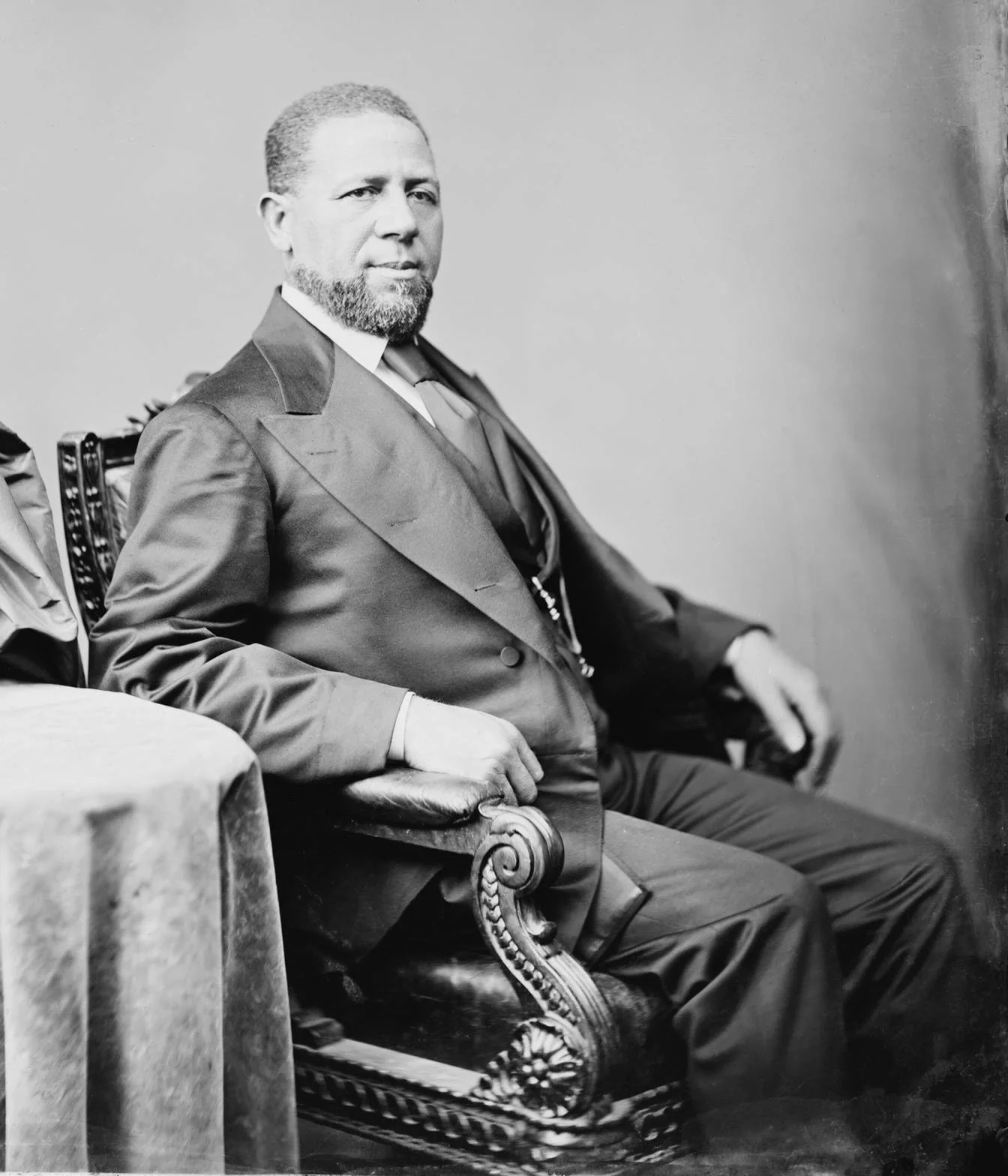
Hiram R. Revels
Born27 Sep, 1827
Died16 Jan, 1901
NationalityAmerican
Age at time of death73
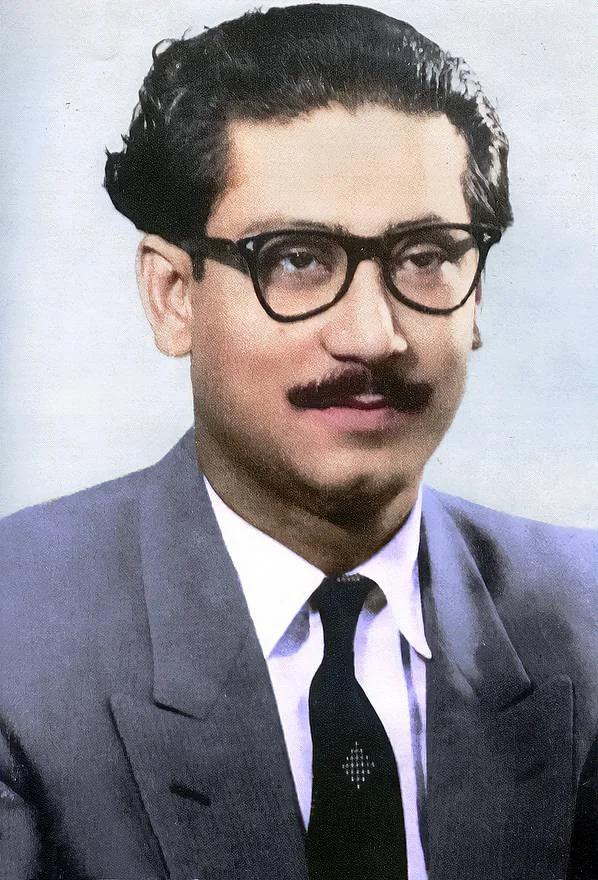
Sheikh Mujibur Rahman
Born17 Mar, 1920
Died15 Aug, 1975
NationalityIndian, Pakistani, Bangladeshi
Age at time of death55
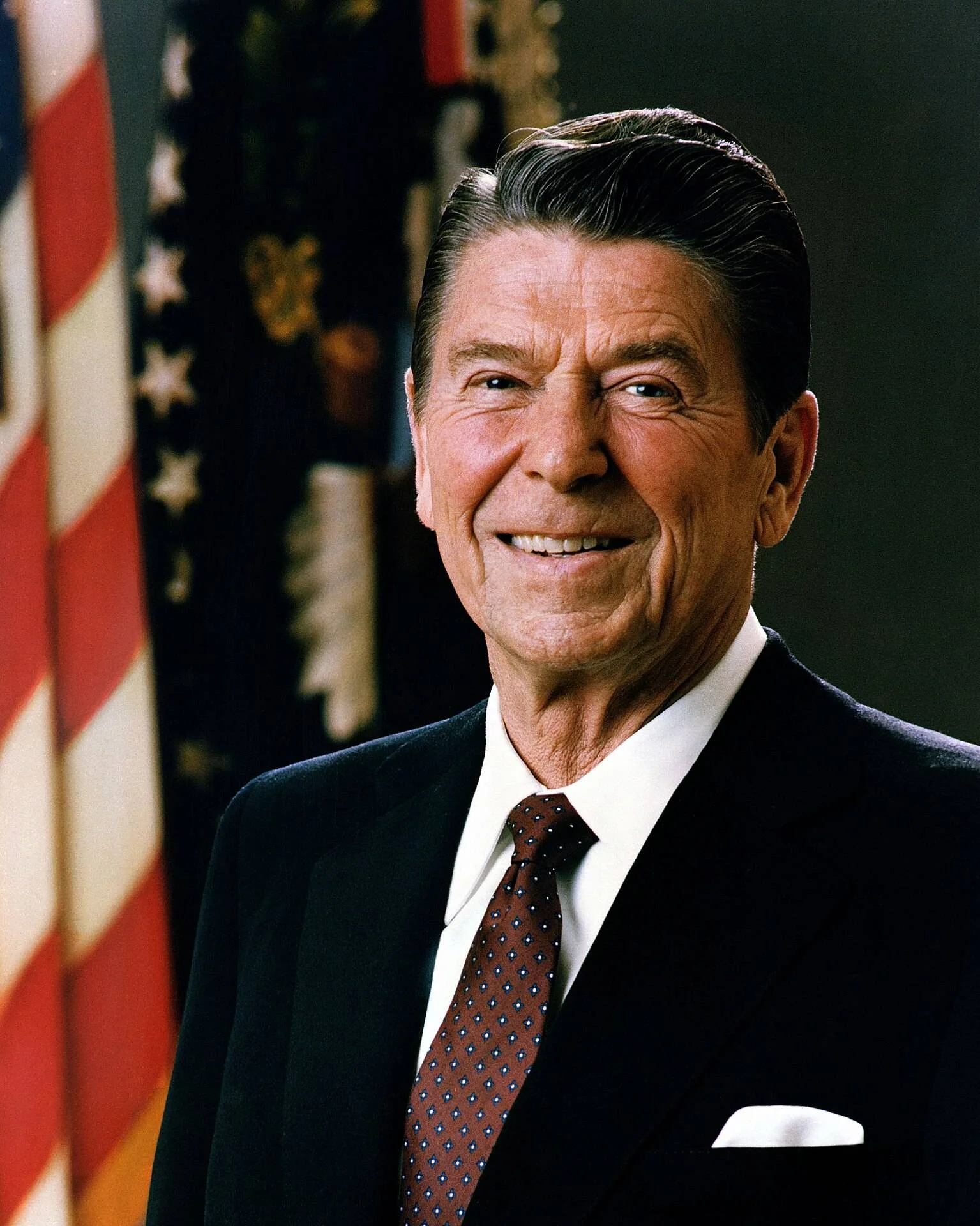
Ronald Reagan
Born06 Feb, 1911
Died05 Jun, 2004
NationalityAmerican
Age at time of death93