Real Celebrities Never Die!
OR
Search For Past Celebrities Whose Birthday You Share
Died Age: 77
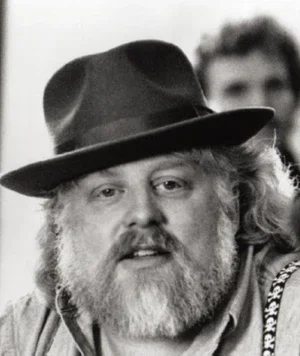
images.mubicdn.net
Jonathan Kaplan
Birthday:
24 Nov, 1947
Date of Death:
31 Jul, 2025
Cause of death:
Liver cancer
Nationality:
American
Famous As:
Film producer
Age at the time of death:
77
Jonathan Isaac Kaplan's Quote's

“Unless it's Shakespeare, there's no line of dialogue that's sacred, there's no piece of blocking that's sacred.”
Jonathan Isaac Kaplan
🔗 deadcelebrityhub.com
Early Life and Formative Years
Jonathan Kaplan was a filmmaker whose work pulsed with intensity, courage, and an unflinching eye on the human condition. Across decades of cinema and television, he carved a space where bold storytelling met social consciousness, creating films that challenged audiences and left an enduring mark on the art of directing.
Born on November 25, 1947, in Paris, Jonathan Kaplan grew up surrounded by the arts. His father, Sol Kaplan, was a distinguished film composer, and his mother, Frances Heflin, was an actress known for her stage and television work. Growing up in a household steeped in creativity, Kaplan was introduced early to the rhythms and textures of storytelling.
The family moved to New York City when Jonathan was a child, a shift prompted by his father’s blacklisting during the McCarthy era. In New York, Kaplan’s love for performance blossomed. As a young boy, he appeared on Broadway in The Dark at the Top of the Stairs, directed by Elia Kazan, an experience that cemented his fascination with the power of narrative and performance.
Education and Early Influences
Kaplan pursued higher education at the University of Chicago, earning his Bachelor of Arts before turning to film studies at New York University. There, he honed his craft under the guidance of celebrated mentors and created early work that displayed both technical skill and narrative curiosity. His short film Stanley marked the emergence of a storyteller attuned to character, tension, and social nuance.
Career Journey
Early Career
Kaplan’s professional path began in the crucible of independent and genre filmmaking. After meeting producer Roger Corman while working at New York’s Fillmore East, Kaplan directed Night Call Nurses in 1972, a project that launched a career defined by audacity and a willingness to explore provocative themes.
Throughout the 1970s, Kaplan developed a reputation for crafting films that captured the grit and energy of contemporary life. The Slams, Truck Turner, and Over the Edge revealed his fascination with outsiders and youth rebellion, often blending action and social commentary in ways that challenged conventional storytelling. Over the Edge, though initially overlooked at the box office, became a touchstone for depictions of adolescent unrest.
Breakthrough and Acclaim
The 1980s brought broader recognition. Kaplan’s Heart Like a Wheel (1983), chronicling the life of drag racing champion Shirley Muldowney, showcased his versatility and skill in translating real-life stories to the screen. Yet it was The Accused in 1988 that would define his legacy. Tackling the harrowing realities of sexual assault, the film featured a career-defining performance from Jodie Foster and marked Kaplan as a director unafraid of difficult, socially urgent stories.
The 1990s saw Kaplan balancing film and television, directing Love Field and Unlawful Entry while transitioning into episodic television work. He helmed multiple episodes of ER, earning Emmy nominations, and contributed to series like Without a Trace and Law & Order: Special Victims Unit, demonstrating a rare adaptability across mediums while maintaining a commitment to narrative depth.
Personal Life
Kaplan’s life off-screen was quieter than his cinematic ventures. He was married to Julie Selzer from 1987 to 2001, and they had one daughter, Molly. Colleagues often described him as intensely focused yet quietly generous—a director who cared as much about nurturing talent as telling compelling stories.
Legacy
Jonathan Kaplan passed away on August 1, 2025, leaving behind a body of work that resonates with honesty, courage, and empathy. His films and television episodes challenged audiences to confront uncomfortable truths, from systemic injustice to personal trauma, all while demonstrating the power of cinematic storytelling.
Kaplan’s legacy is that of a storyteller unafraid to illuminate the shadows of human experience. He reminded viewers that film could entertain, provoke, and inspire, and in doing so, he secured a place among the directors whose work transcends time, continuing to engage and move audiences long after the credits roll.
Profile Snapshot
Name:
Jonathan Isaac Kaplan
Popular Name:
Jonathan Kaplan
Gender:
Male
Cause of Death:
Liver cancer
Spouse:
Julie Selzer
Place of Birth:
Paris, France
Place of Death:
Angeles, California
Occupation / Profession:
Film producer
Film director
Personality Type
Campaigner: Jonathan Kaplan was a fearless and visionary storyteller, driven to illuminate truth and challenge audiences while forging his own path in film and television.
Jonathan Isaac Kaplan's Interesting Facts
Kaplan began his career in the entertainment industry as a child actor, appearing in the Broadway production of The Dark at the Top of the Stairs.
He studied film at New York University under the mentorship of Martin Scorsese.
Kaplan was known for his candidness and boldness in the face of studio constraints, often expressing his frustration with industry limitations.
Achievements & Awards
Jonathan Kaplan's directorial prowess earned him five Emmy nominations for his work on ER, where he directed and produced several episodes.
His film The Accused (1988) garnered critical acclaim, earning Jodie Foster an Academy Award for Best Actress.
Additionally, Kaplan's work on Love Field (1992) earned Michelle Pfeiffer an Oscar nomination, further solidifying his reputation in Hollywood.
External Links
Latest Profiles
People also viewed
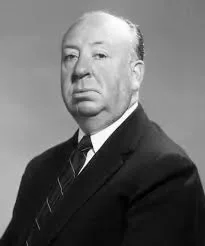
Alfred Hitchcock
Born13 Aug, 1899
Died29 Apr, 1980
NationalityAmerican, British
Age at time of death80
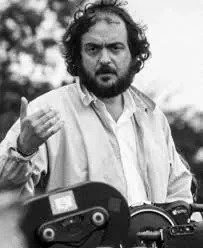
Stanley Kubrick
Born26 Jul, 1928
Died07 Mar, 1999
NationalityAmerican, British
Age at time of death70
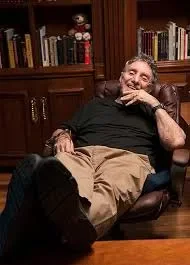
William Peter Blatty
Born07 Jan, 1928
Died12 Jan, 2017
NationalityAmerican
Age at time of death89
Andy Warhol
Born06 Aug, 1928
Died22 Feb, 1987
NationalityAmerican
Age at time of death58
Samuel Goldwyn
Born27 Jul, 1882
Died31 Jan, 1974
NationalityPolish, American
Age at time of death91

Paul Allen
Born21 Jan, 1953
Died15 Oct, 2018
NationalityAmerican
Age at time of death65
Bob Clark
Born05 Aug, 1939
Died04 Apr, 2007
NationalityAmerican
Age at time of death67
Walt Disney
Born05 Dec, 1901
Died15 Dec, 1966
NationalityAmerican
Age at time of death65
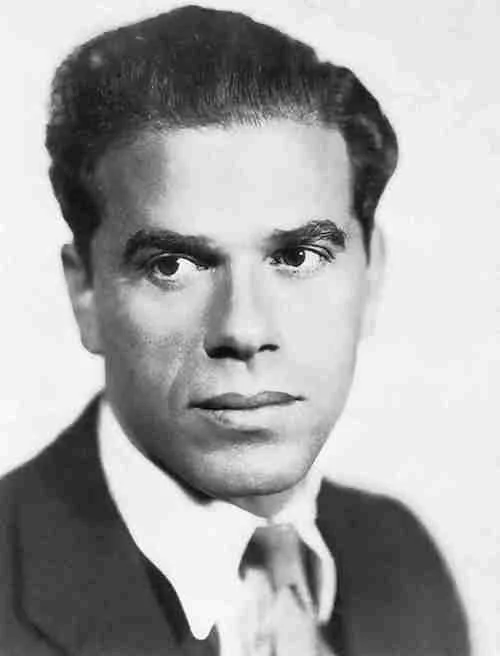
Frank Capra
Born18 May, 1897
Died03 Sep, 1991
NationalityItalian, American
Age at time of death94
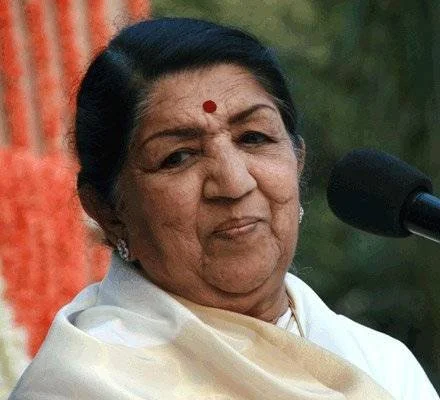
Lata Mangeshkar
Born28 Sep, 1929
Died06 Feb, 2022
NationalityIndian
Age at time of death92
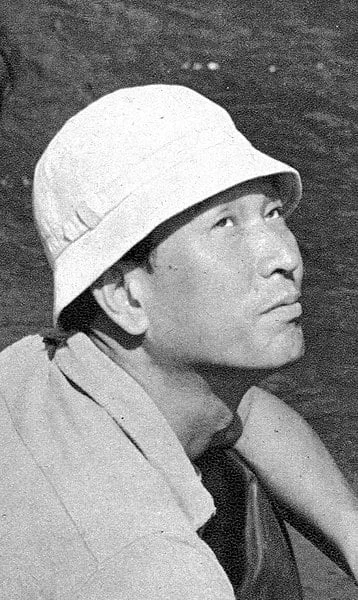
Akira Kurosawa
Born23 Mar, 1910
Died06 Sep, 1998
NationalityJapanese
Age at time of death88
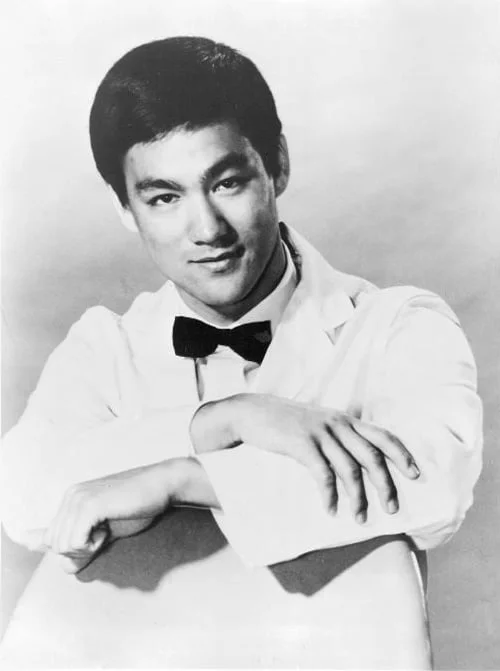
Bruce Lee
Born27 Nov, 1940
Died20 Jul, 1973
NationalityAmerican
Age at time of death32
David Lean
Born25 Mar, 1908
Died16 Apr, 1991
NationalityBritish
Age at time of death83
Paul Newman
Born26 Jan, 1925
Died26 Sep, 2008
NationalityAmerican
Age at time of death83
George Cukor
Born07 Jul, 1899
Died24 Jan, 1983
NationalityAmerican
Age at time of death83
Richard Attenborough
Born29 Aug, 1923
Died24 Aug, 2014
NationalityBritish
Age at time of death90
Jeff Baena
Born29 Jun, 1977
Died03 Jan, 2025
NationalityAmerican
Age at time of death47
Pamela Bach
Born16 Oct, 1963
Died05 Mar, 2025
NationalityAmerican
Age at time of death61
Peter Yarrow
Born31 May, 1938
Died07 Jan, 2025
NationalityAmerican
Age at time of death86
Alain Delon
Born08 Nov, 1935
Died18 Aug, 2024
NationalityFrench
Age at time of death88