Real Celebrities Never Die!
OR
Search For Past Celebrities Whose Birthday You Share
Died Age: 87
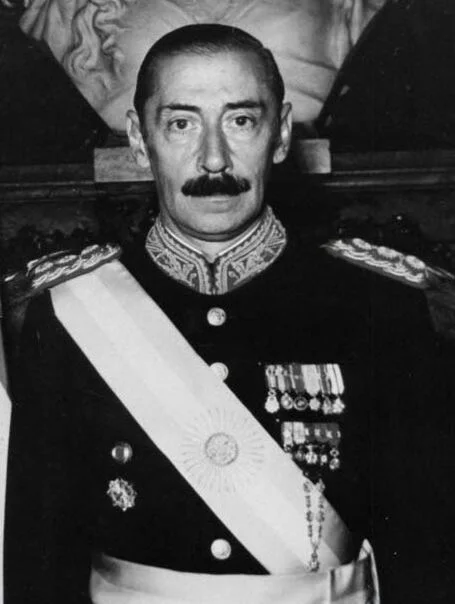
wikimedia.org
Jorge Rafael Videla
Birthday:
02 Aug, 1925
Date of Death:
17 Apr, 2013
Cause of death:
Natural causes
Nationality:
Argentine
Famous As:
De facto President of Argentina
Age at the time of death:
87
Jorge Rafael Videla Redondo's Quote's

“As many people as necessary must die in Argentina so that the country will again be secure.”
Jorge Rafael Videla Redondo
🔗 deadcelebrityhub.com
Biography of Jorge Rafael Videla
Jorge Rafael Videla, a name that echoes through Argentina’s grimmest times, came into the world on August 2, 1925, in Mercedes, Buenos Aires Province. He was the third of five boys born to Colonel Rafael Eugenio Videla Bengolea and María Olga Redondo Ojea. Military and political roots ran deep in his family—his grandfather Jacinto once governed San Luis Province, and his great-great-grandfather Blas Videla battled in Argentina’s fight for independence. That heritage nudged Videla toward a life shaped by soldiering and power.
Early Life and Education
Videla grew up in a well-off home steeped in discipline and old-school values. At 17, in 1942, he stepped into the National Military College (Colegio Militar de la Nación), where he shone brightly and walked out as a second lieutenant in 1944. Later, from 1952 to 1954, he sharpened his skills at the War College, earning a staff officer’s title. Those years molded him into a man driven by duty, setting the stage for his climb to the top of Argentina’s military ladder.
Personal Life
On April 7, 1948, Videla tied the knot with Alicia Raquel Hartridge, whose father was an English Argentine diplomat. They stayed together until his death in 2013, raising seven kids along the way. Videla kept his private life under wraps, often eclipsed by the storm of his political choices. Through thick and thin—trials and jail time—Alicia stood by him.
Professional Career and Rise to Power
Videla’s military journey unfolded over decades, with steady climbs up the ranks and a growing grip on Argentina’s armed forces. By 1975, he’d made it to lieutenant general and landed the role of General Commander of the Army under President Isabel Perón, right as the country wobbled politically. But things soured fast between her government and the military, sparking a coup on March 24, 1976. Videla took the helm of that takeover and stepped in as Argentina’s de facto president. From 1976 to 1981, he ran the military junta during what folks now call the "Dirty War." It was a brutal stretch, with his regime cracking down hard on anyone they pegged as a left-wing troublemaker. Human rights groups figure 13,000 to 30,000 people vanished—snatched up, tortured, or killed. Many ended up in hidden camps, while others were dumped from planes into the Atlantic or River Plate, their fates buried with them. Videla brushed it off as the tough stuff needed to fight terrorism and keep Argentina from falling apart amid economic woes. Still, his harsh moves drew outrage at home and abroad for their sheer ruthlessness.
Contributions and Controversies
Videla’s time in charge isn’t remembered for any grand achievements but for the wreckage it left behind. His junta teamed up with other South American dictatorships in Operation Condor, a cross-border hunt to wipe out political foes. One of the ugliest stains was the stealing of babies born to imprisoned mothers—those kids handed off to military families or officials while their parents were killed. Even after democracy swept back in 1983, Videla didn’t back down, insisting the crackdown saved the country from ruin.
Trial and Imprisonment
Once democracy took root again, Videla faced the music in the 1985 Trial of the Juntas. Found guilty of crimes against humanity, he got a life sentence. In 1990, President Carlos Menem’s pardons let him off the hook, but the Supreme Court scrapped those in 2007, hauling him back to court. In 2010, he was slapped with life again for ordering executions after his coup. Then, in 2012, he caught a 50-year term for masterminding the baby thefts during his rule.
Death and Legacy
Jorge Rafael Videla passed away on May 17, 2013, at 87, locked up in Marcos Paz prison in Buenos Aires Province. Word is he took a nasty fall in the shower days earlier, dying from broken bones and internal bleeding. Videla’s name still carries a heavy shadow. He’s seen as one of Latin America’s cruelest dictators, his actions leaving wounds Argentina still feels. Human rights folks celebrate his trials as a win for justice, though many mysteries about "the disappeared" linger on.
Profile Snapshot
Name:
Jorge Rafael Videla Redondo
Popular Name:
Jorge Rafael Videla
Gender:
Male
Cause of Death:
Natural causes
Spouse:
Alicia Raquel Hartridge
Place of Birth:
Mercedes, Buenos Aires Province, Argentina
Place of Death:
Marcos Paz Prison, Buenos Aires, Argentina
Occupation / Profession:
De facto President of Argentina
Military officer
Personality Type
Executive Excellent administrators, unsurpassed at managing things – or people. Videla exhibited traits of decisiveness, orderliness, and authoritarian control, typical of “Executives”. His focus on structure and discipline aligned with his military background and dictatorial leadership style.
Jorge Rafael Videla Redondo's Interesting Facts
Decades later, Videla was tried and convicted for human rights abuses, including kidnapping babies born to political prisoners, and was sentenced to life in prison.
He died in 2013 while serving his sentence, never expressing remorse for his actions—remaining a deeply polarizing figure in Argentina's modern history.
He was a devout Roman Catholic, often citing religious justification for his actions.
Jorge Rafael Videla was an Argentine general who led the military junta that ruled Argentina from 1976 to 1981.
The victims weren’t just rebels or militants—many were students, journalists, and ordinary citizens, making it one of Latin America's most infamous human rights crises.
Under his rule, Argentina launched the so-called Dirty War, during which thousands of suspected dissidents were kidnapped, tortured, and "disappeared" by the regime.
Videla’s nickname in the military was "Pink Panther" due to his wiry build and cunning nature.
Achievements & Awards
Convicted in historic Trial of the Juntas (1985), a landmark for human rights accountability in Latin America.
Led Argentina during the Toyota War, defeating Libyan forces (1986–1987).
Seized power in a military coup in 1976.
External Links
Latest Profiles
People also viewed
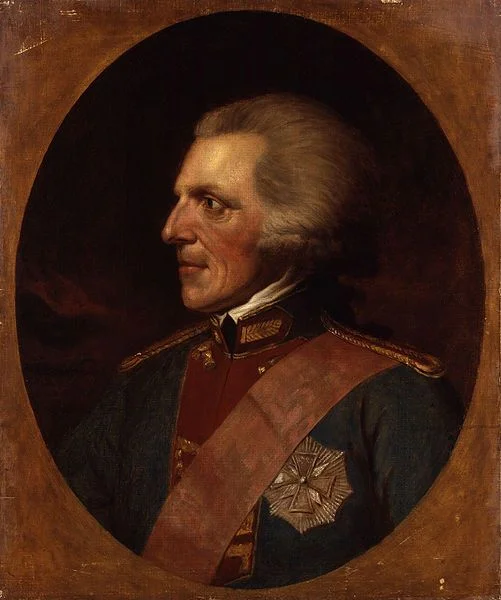
Colonel Sir Benjamin Thompson, Count Rumford
Born26 Mar, 1753
Died21 Aug, 1814
NationalityAmerican, British
Age at time of death61
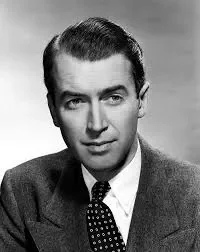
James Stewart
Born20 May, 1908
Died02 Jul, 1997
NationalityAmerican
Age at time of death89
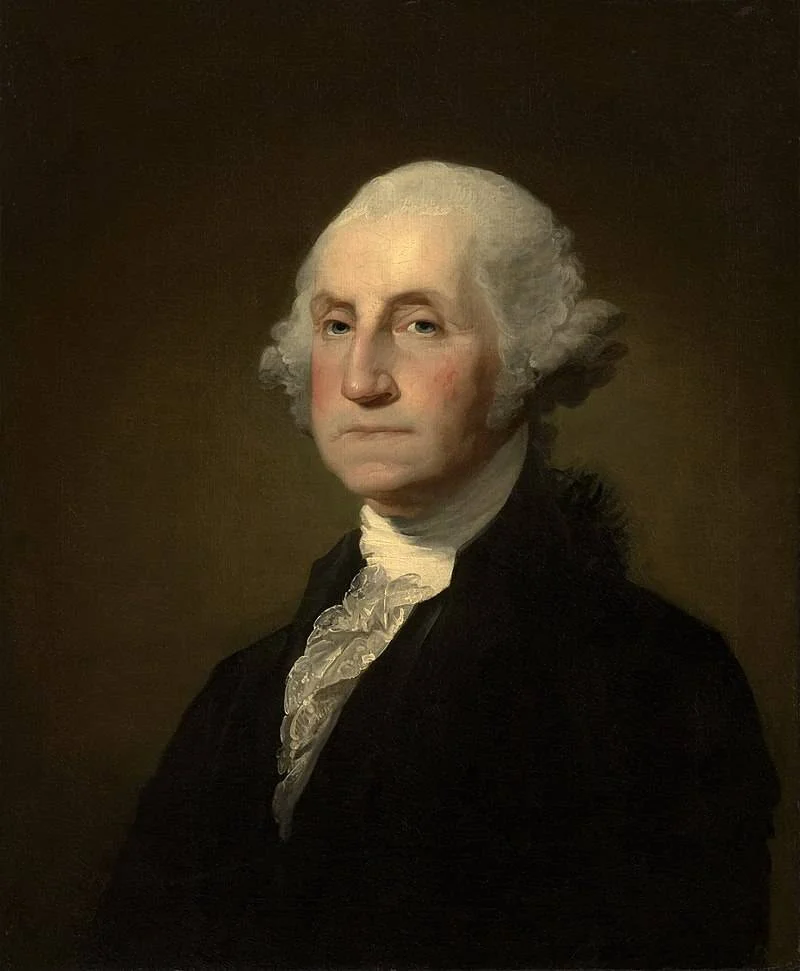
George Washington
Born22 Feb, 1732
Died14 Dec, 1799
NationalityAmerican
Age at time of death67
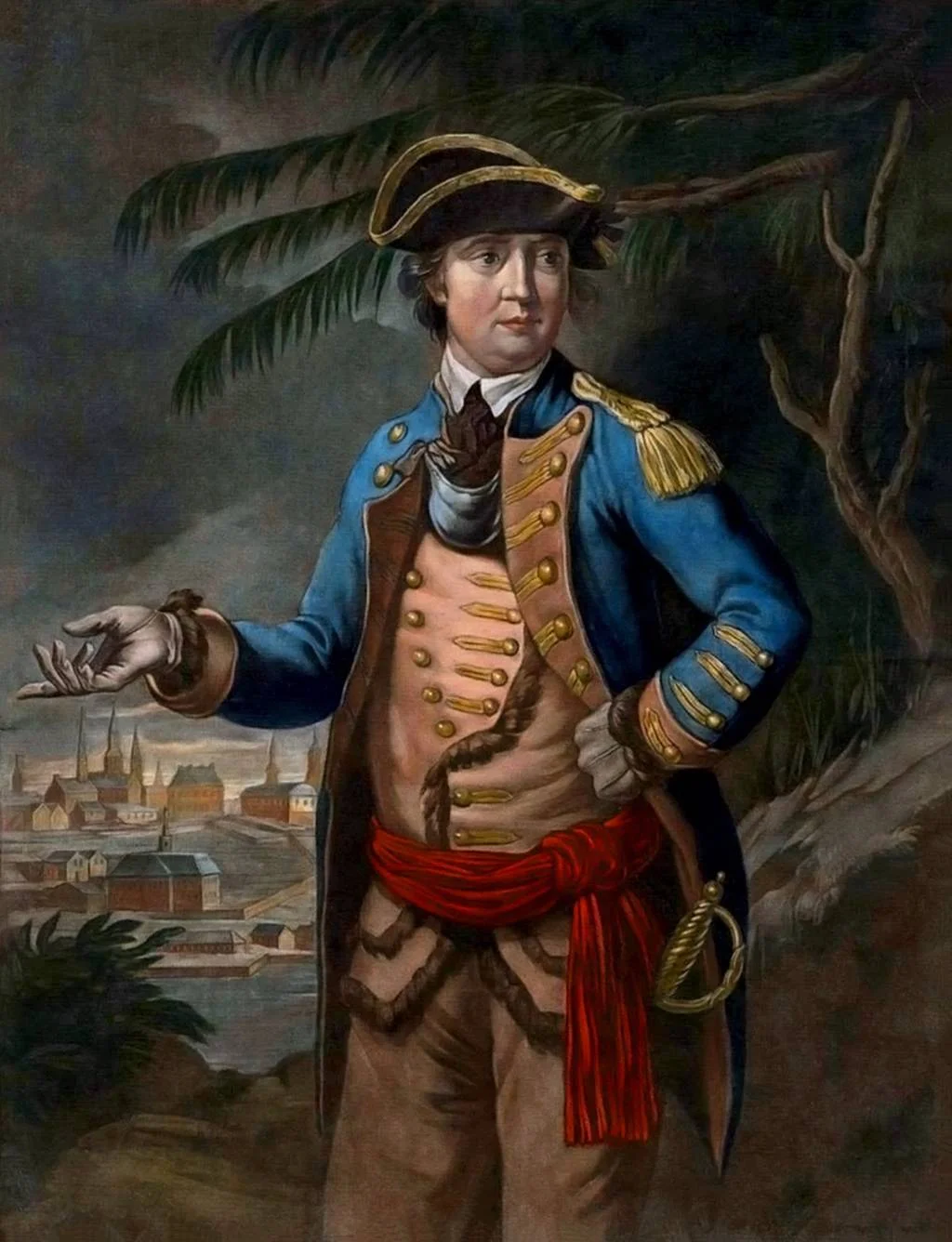
Benedict Arnold
Born14 Jan, 1741
Died14 Jun, 1801
NationalityBritish
Age at time of death60
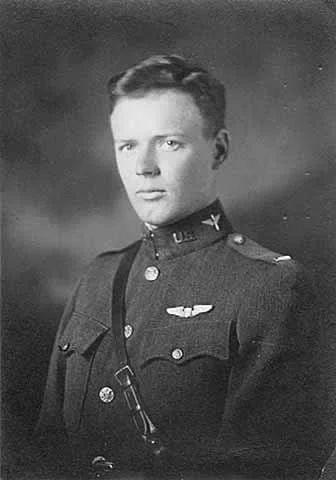
Charles Lindbergh
Born04 Feb, 1902
Died26 Aug, 1974
NationalityAmerican
Age at time of death72
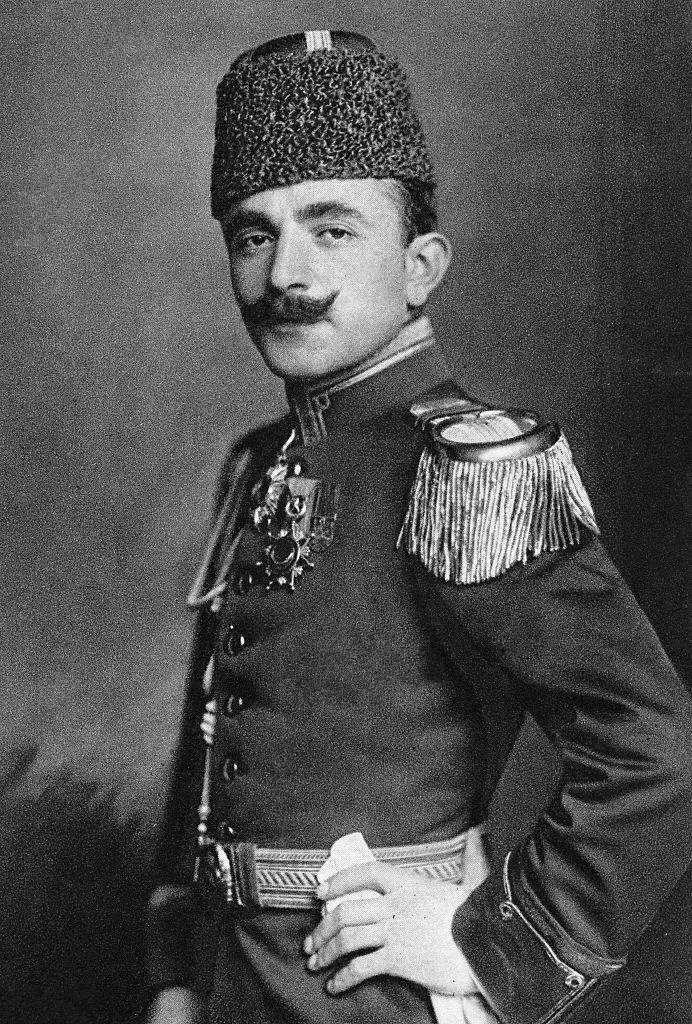
Ismail Enver
Born21 Nov, 1881
Died04 Aug, 1922
NationalityOttoman (Turkish)
Age at time of death40
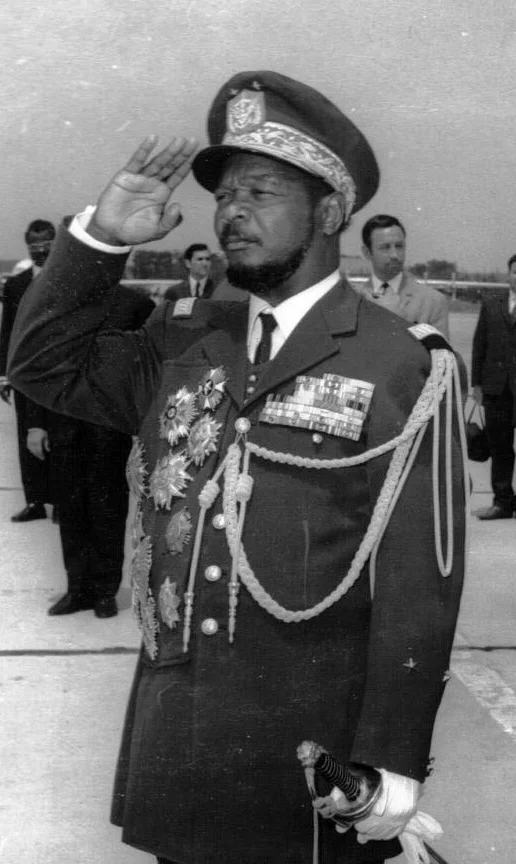
Bokassa I
Born22 Feb, 1921
Died03 Nov, 1996
NationalityCentral African
Age at time of death75
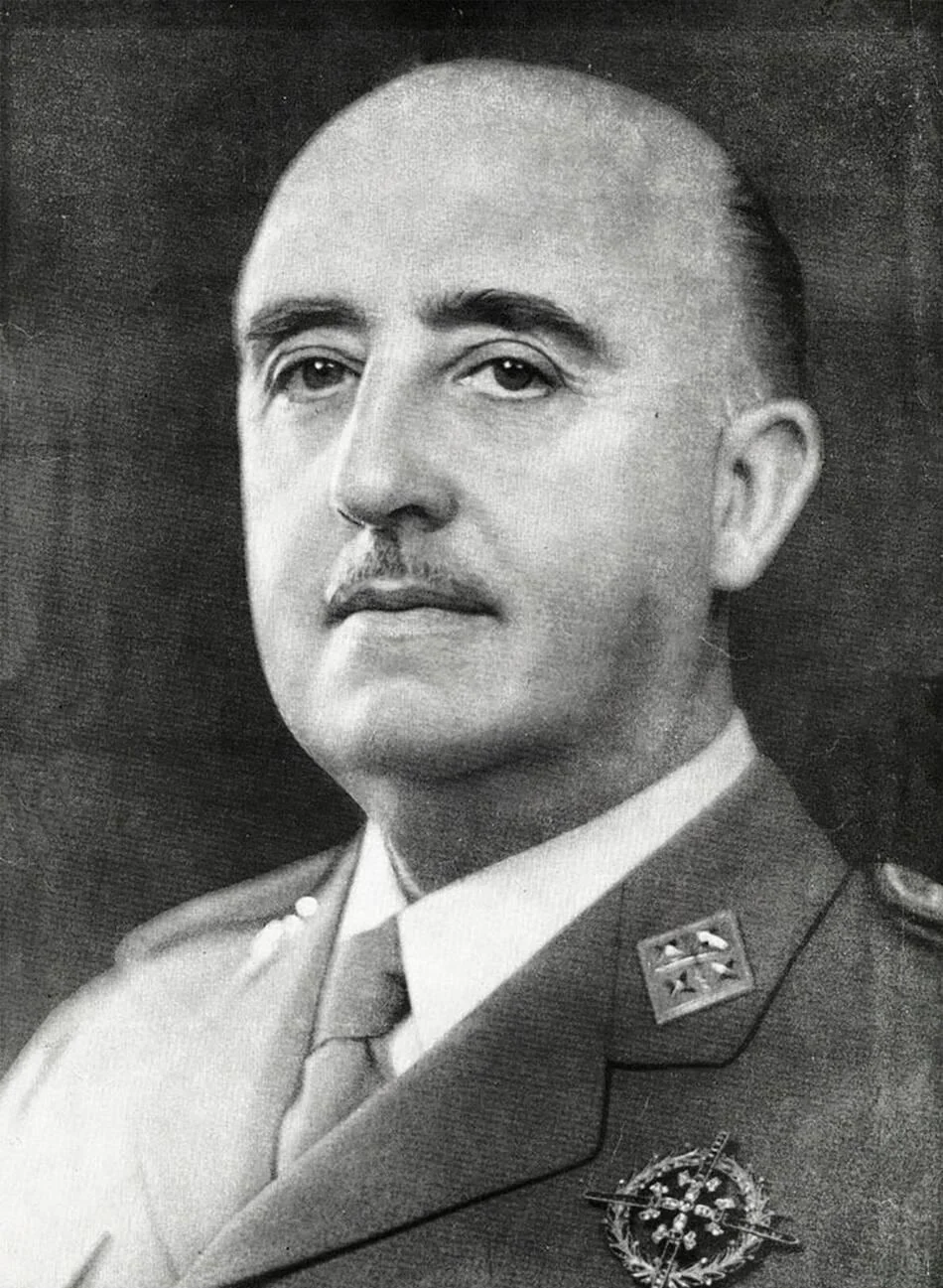
Francisco Franco
Born03 Dec, 1892
Died20 Nov, 1975
NationalitySpanish
Age at time of death82
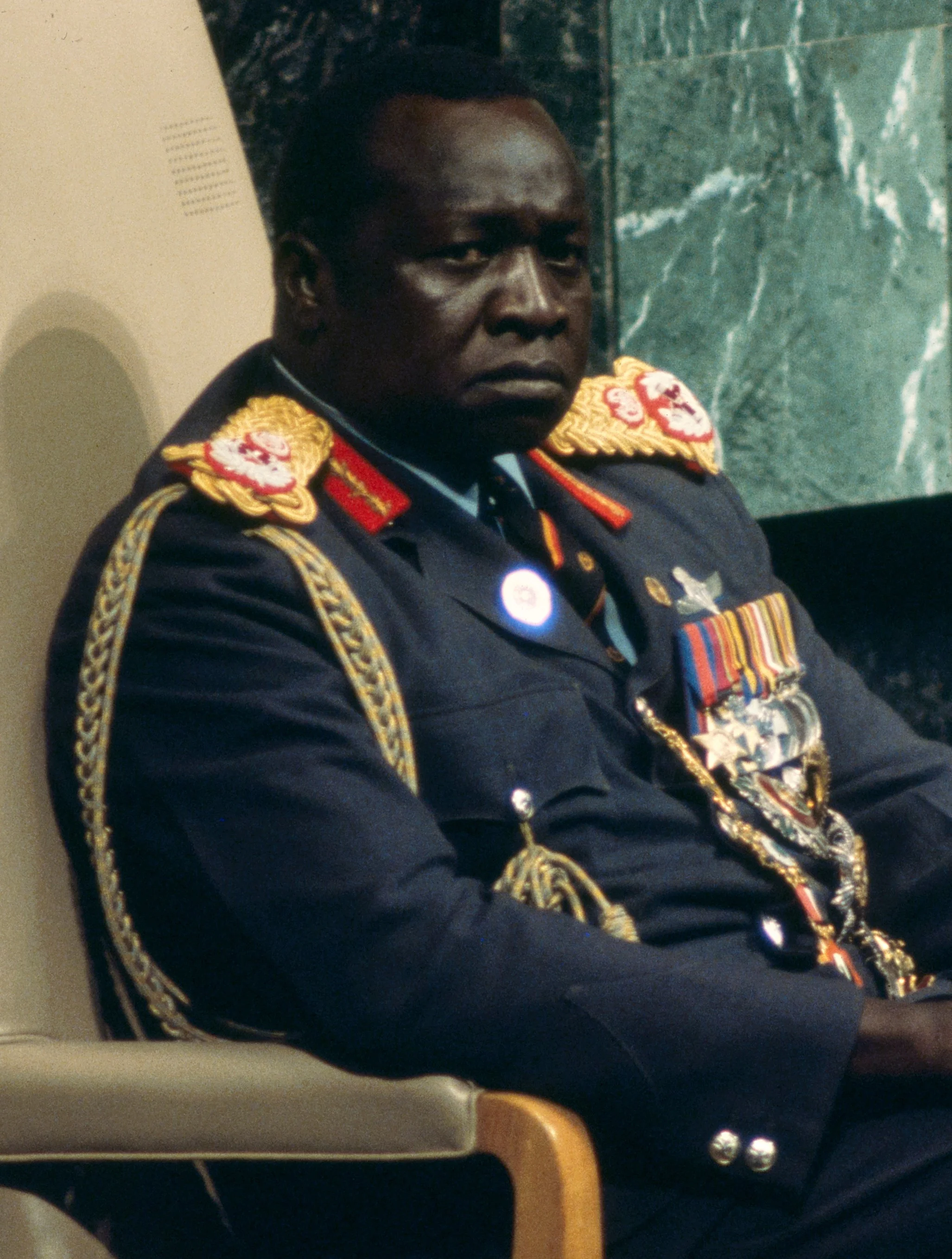
Idi Amin Dada
Born30 May, 1928
Died06 Aug, 2003
NationalityUgandan
Age at time of death75
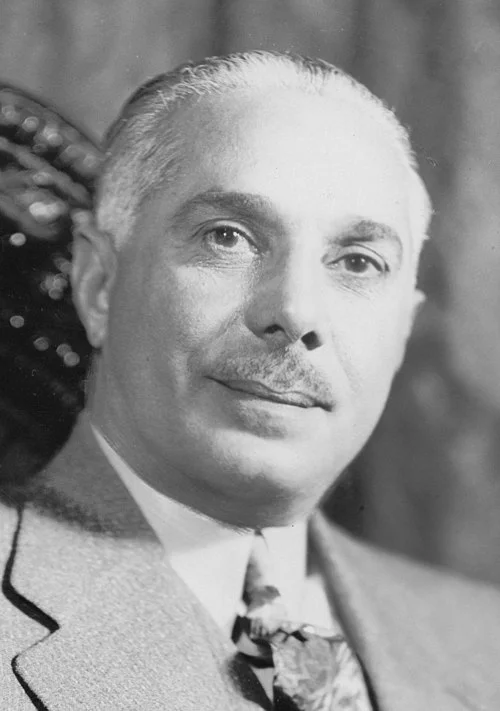
Rafael Trujillo
Born23 Oct, 1891
Died30 May, 1961
NationalityDominican
Age at time of death69
Fulgencio Batista
Born16 Jan, 1901
Died06 Aug, 1973
NationalityCuban
Age at time of death72
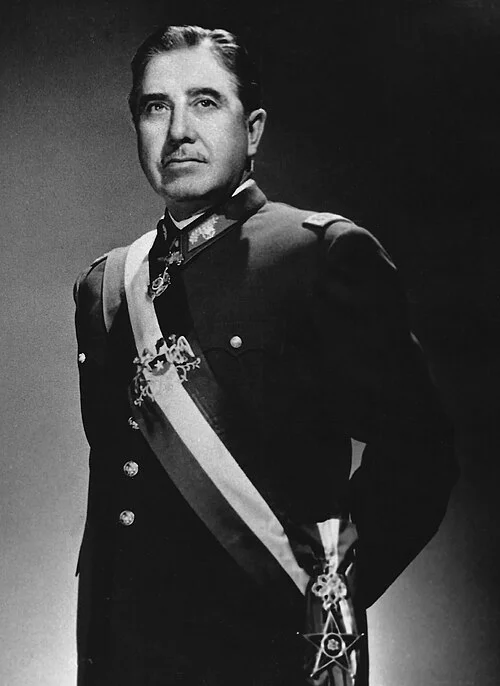
Augusto Pinochet
Born25 Nov, 1915
Died10 Oct, 2006
NationalityChilean
Age at time of death90
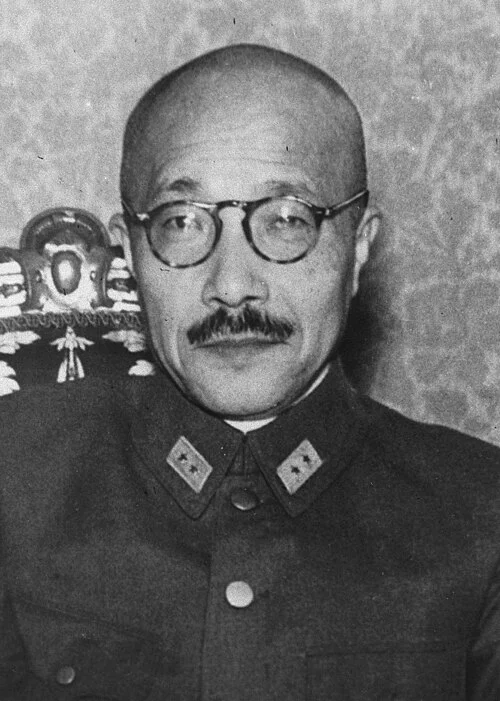
Hideki Tojo
Born29 Dec, 1884
Died23 Dec, 1948
NationalityJapanese
Age at time of death63