Real Celebrities Never Die!
OR
Search For Past Celebrities Whose Birthday You Share
Died Age: 81
mabumbe.com
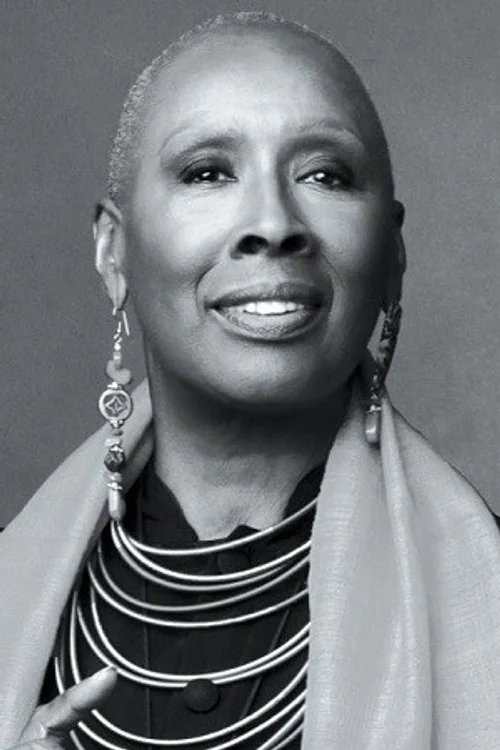
Judith Jamison
Birthday:
09 May, 1943
Date of Death:
08 Nov, 2024
Cause of death:
Brief illness
Nationality:
American
Famous As:
Choreographer
Age at the time of death:
81
Judith Ann Jamison's Quote's

“Dance is bigger than the physical body. When you extend your arm, it doesn’t stop at the fingertips because you’re dancing bigger than that; you’re dancing spirit.”
Judith Ann Jamison
🔗 deadcelebrityhub.com
Early Life: A Childhood in Motion
Judith Jamison moves like a story. Every gesture, every leap, tells a tale not just of choreography, but of courage, culture, and becoming. As the face and soul of Alvin Ailey American Dance Theatre for decades, Jamison did more than dance, she became a vessel for Black identity, artistic excellence, and emotional truth. She turned movement into memory, and memory into legacy, all while blazing a path few dared to follow and fewer still could match.
Judith Jamison was born on May 10, 1943, in Philadelphia, a city with jazz in its soul and grit in its bones. Her home was full of music and purpose. Her father was a sheet metal worker who played the piano, and her mother was a schoolteacher who instilled in young Judith the value of education and discipline. Jamison often said she danced before she could walk, as her earliest memories are laced with music, rhythm, and a need to express what words couldn’t contain.
At the tender age of six, her mother enrolled her in ballet classes at the Judimar School of Dance. There, under the stern yet visionary eye of Marion Cuyjet, one of the rare Black ballet instructors at the time, Judith was trained with rigour and precision. Her height, towering over most girls her age, could have been a disadvantage in the delicate world of ballet. But instead of being deterred, Jamison embraced her stature. She didn’t shrink herself to fit dance; she reshaped dance to suit her presence.
Education: Shaping the Artist
Jamison’s education was as eclectic as her style would one day become. After graduating from Germantown High School, she attended Fisk University, a historically Black college in Tennessee, but transferred after a year to the Philadelphia Dance Academy (now the University of the Arts). It was a bold move that prioritised passion over predictability.
Though she never sought the spotlight in school, her instructors couldn’t ignore her raw talent and striking presence. In a class of swans, she moved like a lioness: poised, powerful, and utterly unforgettable. Her time at the academy refined her technique but never dulled her individuality. That duality (discipline and defiance) would come to define her work.
Rising Star: The Early Career
In 1964, Judith Jamison’s life changed with a phone call. Alvin Ailey, already a giant in the dance world, invited her to join his company in New York. She arrived with a suitcase full of dreams and a spirit ready to soar.
Her breakout moment came in 1971 with Cry, a 15-minute solo Ailey created as a birthday gift for his mother and performed as a tribute to Black women everywhere. Wrapped in a flowing white dress and emotion, Jamison commanded the stage with fierce vulnerability. The performance was both exhale and prayer, a soul-baring odyssey that audiences felt in their bones. Cry didn’t just make her famous; it made her iconic.
The Choreographer Emerges: Expanding the Canvas
Though she left Ailey in the late 1970s to explore other avenues, including a stint on Broadway in Sophisticated Ladies, she eventually returned to the company, not just as a dancer, but as a choreographer and, later, as its artistic director.
In 1989, following Ailey’s death, Jamison stepped into the role that many feared would be impossible to fill. But she didn’t try to replace him; she honoured his legacy while boldly steering the company into the future. Under her leadership, the Alvin Ailey American Dance Theatre grew globally in stature and reach, touring across continents and premiering new works that reflected contemporary Black life with depth and nuance.
Jamison herself choreographed more than a dozen ballets, including Divining, Hymn, and Love Stories. Her style fused classical technique with African, jazz, and modern influences, an unapologetic celebration of Black culture through motion. Each piece was a dialogue between past and present, between struggle and transcendence.
Personal Life: The Woman Beyond the Stage
Offstage, Judith Jamison was regal, articulate, and warm. A spiritual person, she often speaks of dance as a calling, not a career. She married shortly without kids, but she considers the thousands of dancers she mentored her extended family. Her tall frame, once considered unconventional for a ballerina, became a symbol of breaking moulds, not fitting into boxes, but moving through them with grace and defiance.
One lesser-known detail? She has a love for bold, colourful clothing and is rarely seen without statement jewellery, which was her way of turning every moment into a stage, every outfit a performance.
A Lasting Legacy
Judith Jamison retired from leading the Ailey company in 2011, passing the torch to Robert Battle but her fingerprints are still all over its movement, mission, and memory. She didn’t just preserve Ailey’s legacy; she amplified it. Today, thanks to her stewardship, the company is a global ambassador for American dance and African American culture.
Her influence extends beyond the stage. She’s received numerous accolades, including the Kennedy Centre Honour, the National Medal of Arts, and honorary doctorates from some of the country’s top universities. Yet, perhaps her most enduring contribution is intangible: the sense of possibility she gave to generations of Black dancers who saw themselves reflected in her strength, elegance, and unapologetic presence.
Profile Snapshot
Name:
Judith Ann Jamison
Popular Name:
Judith Jamison
Gender:
Female
Cause of Death:
Brief illness
Spouse:
Miguel Godreau
Place of Birth:
Philadelphia, Pennsylvania, United States
Place of Death:
New York, New York, United States
Occupation / Profession:
Choreographer
Dancer
Personality Type
Protagonist: Charismatic and inspiring leaders, able to mesmerise their listeners. A passionate and powerful leader who uplifted others through grace, vision, and purpose.
Judith Ann Jamison's Interesting Facts
She originally wanted to be a classical violinist before fully committing to dance.
Her commanding height—six feet tall—once made her feel out of place in ballet, but it became one of her most iconic traits.
She was the first Black woman to choreograph for the American Ballet Theatre in 1988.
Achievements & Awards
Judith Jamison’s legacy includes transforming the Alvin Ailey American Dance Theatre into a globally celebrated institution during her 21-year tenure as Artistic Director.
She received numerous honours, including the National Medal of Arts, a Kennedy Centre Honour, and an Emmy Award for her choreographic excellence.
Under her leadership, the Ailey company moved into its first permanent home in New York City, fulfilling Alvin Ailey’s long-held dream.
She also published a memoir, Dancing Spirit, chronicling her remarkable journey through art and leadership.
External Links
Latest Profiles
People also viewed

Lupe Vélez
Born18 Jul, 1908
Died14 Dec, 1944
NationalityMexican
Age at time of death36

Vera-Ellen
Born16 Feb, 1921
Died30 Aug, 1981
NationalityAmerican German
Age at time of death60

Gene Kelly
Born23 Aug, 1912
Died02 Feb, 1996
NationalityAmerican
Age at time of death83

Andy Kaufman
Born17 Jan, 1949
Died16 May, 1984
NationalityAmerican
Age at time of death35

Michael Jackson
Born29 Aug, 1958
Died25 Jun, 2009
NationalityAmerican
Age at time of death50

Grace Bradley
Born21 Sep, 1913
Died21 Sep, 2010
NationalityAmerican
Age at time of death97
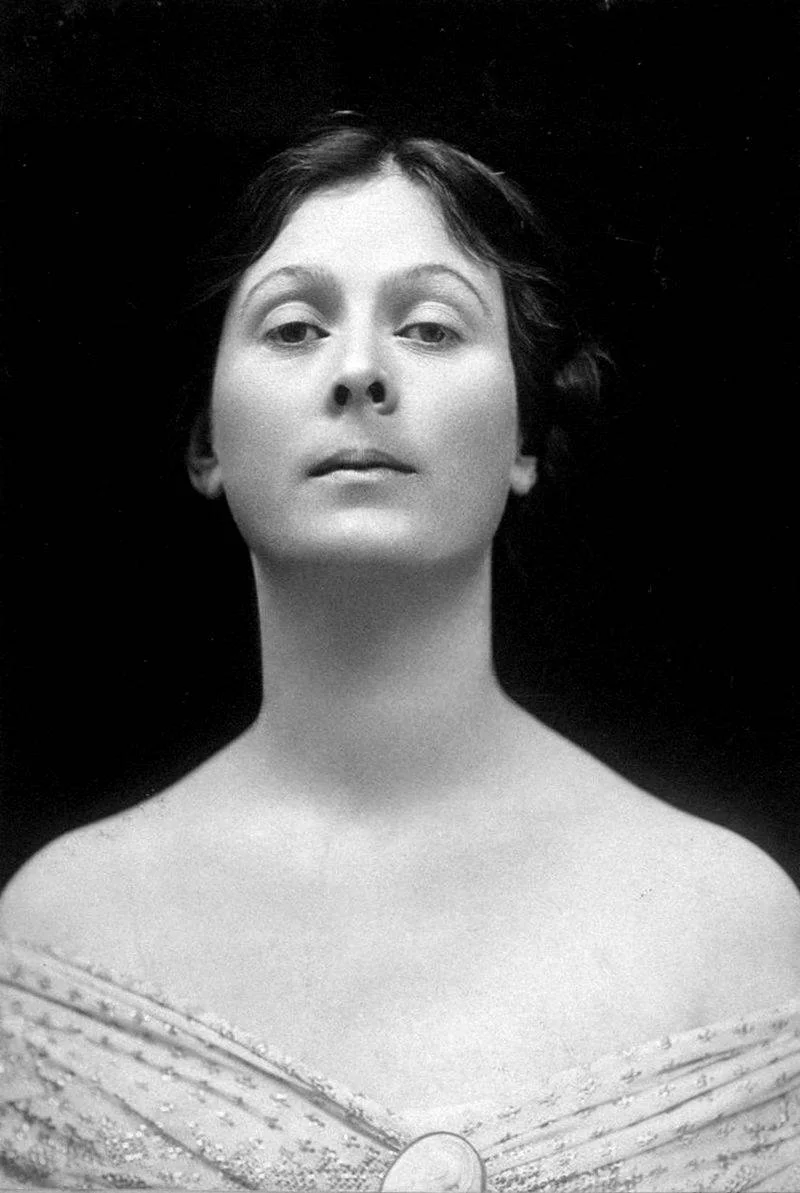
Isadora Duncan
Born26 May, 1877
Died14 Sep, 1927
NationalityAmerican, Russian, French, Soviet
Age at time of death50

Aaliyah
Born16 Jan, 1979
Died25 Aug, 2001
NationalityAmerican
Age at time of death22

Teri Garr
Born11 Dec, 1944
Died29 Oct, 2024
NationalityAmerican
Age at time of death79

Glynis Johns
Born05 Oct, 1923
Died04 Jan, 2024
NationalityBritish
Age at time of death100

James Brown
Born03 May, 1933
Died25 Dec, 2006
NationalityAmerican
Age at time of death73

Left Eye
Born27 May, 1971
Died25 Apr, 2002
NationalityAmerican
Age at time of death30
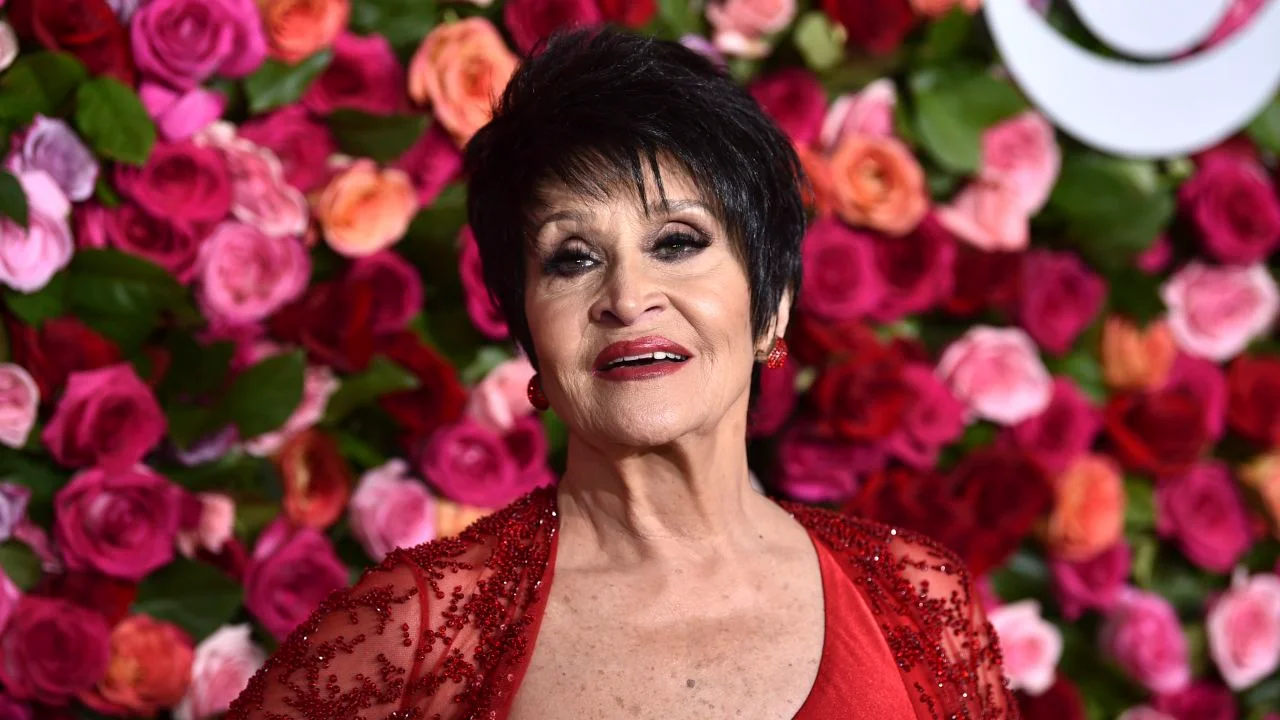
Chita Rivera
Born22 Jan, 1933
Died29 Jan, 2024
NationalityAmerican
Age at time of death91

Costa Titch
Born24 Jan, 1995
Died10 Mar, 2023
NationalitySouth African
Age at time of death28