Real Celebrities Never Die!
OR
Search For Past Celebrities Whose Birthday You Share
Died Age: 97
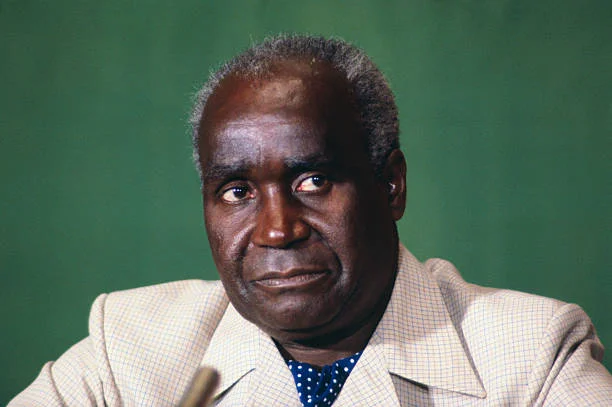
www.gettyimages.co.uk
Kenneth Kaunda
Birthday:
27 Apr, 1924
Date of Death:
16 Jun, 2021
Cause of death:
Pneumonia
Nationality:
Zambian
Famous As:
Politician
Age at the time of death:
97
Kenneth David Kaunda 's Quote's

“The inability of those in power to still the voices of their own consciences is the great force leading to change.”
Kenneth David Kaunda
🔗 deadcelebrityhub.com
Early Life: The Making of a Liberator
Before he became a president and led a liberation movement, Kenneth Kaunda was a schoolteacher who believed in the power of words, dignity, and song. He didn’t come from a palace or a wealthy lineage. He came from the soul of a colonised land, raised on ideals of compassion and justice. In time, he would become Zambia’s founding father, a towering figure whose quiet resolve reshaped not just a nation, but a continent yearning for freedom.
Kenneth David Kaunda was born on April 28, 1924, in Lubwa Mission, a small settlement nestled in what was then Northern Rhodesia (now Zambia). He was the youngest of eight children born to David and Helen Kaunda, both educators and missionaries. His father, an ordained Church of Scotland minister and teacher, passed away when Kenneth was still a child, a loss that deepened the family’s hardship but also strengthened their bond and resilience.
From an early age, Kaunda was steeped in education and Christian values. His mother, one of the first African women in the region to receive a formal education, became his first role model, teaching by example. This early exposure to teaching, paired with the colonial realities around him, ignited in Kaunda a lifelong commitment to uplift his people.
A little-known detail: Young Kenneth loved cycling. He once rode hundreds of kilometres through dusty roads as a travelling teacher, carrying chalk, books, and the dream of enlightenment in his satchel.
Education: Learning to Teach, Teaching to Lead
Kaunda’s formal education took him through Munali Training Centre in Lusaka, a pivotal institution for many African leaders of the era. There, he trained as a teacher and began to understand the broader implications of knowledge in a colonial setting. For him, education wasn’t just about personal advancement but was a tool for liberation.
He taught at several mission schools and later served as a headmaster. It was during these years that Kaunda honed two of his defining traits: a calm yet persuasive oratory style and a belief in moral leadership grounded in African identity and Christian ethics.
Even as a teacher, Kaunda’s classroom extended far beyond four walls. He was educating a generation about pride, self-worth, and the potential of a free Africa.
Career Journey: From Teacher to Father of a Nation
The Early Years: Awakening to Activism
The late 1940s saw Kaunda stepping into politics as colonial injustices deepened. He joined the African National Congress (ANC) in 1949, under the mentorship of Harry Nkumbula. But where Nkumbula favoured caution, Kaunda grew restless. By the mid-1950s, their ideological differences came to a head. In 1958, Kaunda broke away and founded the Zambian African National Congress (ZANC), which was quickly banned.
That did not deter him. The following year, Kaunda helped establish the United National Independence Party (UNIP), which would become the vanguard of Zambia’s independence movement. He was arrested in 1959 and spent nine months in prison. Rather than diminish his influence, his imprisonment elevated his status; he emerged as a symbol of the people’s struggle.
Major Achievements: The Road to Independence
In the early 1960s, Kaunda led UNIP through intense negotiations, civil resistance, and electoral contests. On October 24, 1964, Northern Rhodesia became the Republic of Zambia, and Kenneth Kaunda was sworn in as its first president.
The image of Kaunda on that historic day (a hand raised in peace, clad in his trademark safari suit) became an icon of African independence. His leadership style, dubbed “African Humanism,” fused traditional values with socialism, emphasising equality, unity, and nonviolence.
He steered Zambia through turbulent times: hosting liberation fighters from apartheid South Africa, Zimbabwe, Namibia, and Mozambique; resisting pressure from Rhodesia’s white-minority regime; and navigating Cold War allegiances while maintaining Zambia’s sovereignty.
A memorable detail: Kaunda often carried a white handkerchief as a symbol of peace and personal discipline. He’d wave it gently while addressing crowds, a simple gesture that became deeply symbolic of his pacifist convictions.
Later Years: Trials and Transformation
The 1970s brought economic hardship, partly due to Zambia’s overreliance on copper exports. Kaunda nationalised key industries and introduced one-party rule, a move he defended as necessary for unity, but which drew criticism.
By the late 1980s, facing mounting economic crises and growing political dissent, Kaunda agreed to reintroduce multiparty democracy. In 1991, he lost the election to Frederick Chiluba, marking one of Africa’s first peaceful transitions of power. It was a humbling end to his presidency, but a defining one in his legacy as a statesman who valued democracy over ego.
Personal Life: The Private Man Behind the Public Face
Behind the dignified statesman was a family man. Kaunda was married to Betty Kaunda for over 66 years. Together, they had eight children. He was a lover of music, particularly traditional Zambian songs and hymns, and often broke into song at public gatherings. He believed music could soften hearts, unify people, and carry messages that politics alone could not.
He was also known for his emotional openness, which was a rare trait among leaders. He wept publicly when tragedies struck, and spoke often of love as a political force.
Legacy: A Nation’s Conscience, A Continent’s Elder
Kenneth Kaunda is remembered not just as Zambia’s founding father, but as one of Africa’s moral compasses. He stood tall among liberation giants like Julius Nyerere and Nelson Mandela, not because he sought power, but because he wielded it with humility.
His unwavering support for southern Africa’s liberation movements earned him respect far beyond Zambia’s borders. Even after leaving office, he continued to advocate for peace, HIV/AIDS awareness, and pan-African unity.
When he passed away in June 2021, Zambia and the world mourned not just a leader, but a teacher who had never stopped teaching.
He left behind more than policies or monuments, he left a living legacy of peaceful resistance, principled leadership, and enduring hope.
Profile Snapshot
Name:
Kenneth David Kaunda
Popular Name:
Kenneth Kaunda
Gender:
Unknown
Cause of Death:
Pneumonia
Spouse:
Betty Kaunda
Place of Birth:
Chinsali, Zambia
Place of Death:
Lusaka, Zambia
Occupation / Profession:
Politician
Teacher
Personality Type
Advocate: Quiet and mystical, yet very inspiring and tireless idealists. A humble and visionary leader guided by deep values, who believed in leading with heart, purpose, and peace.
Kenneth David Kaunda 's Interesting Facts
Kaunda wrote and performed songs; he even released a music album titled “Rinaldo”, dedicated to his wife.
He was an avid badminton player and often used the sport to unwind during his presidency.
In his youth, he admired Mahatma Gandhi deeply and drew inspiration from Gandhi’s nonviolent resistance philosophy.
Achievements & Awards
Kenneth Kaunda led Zambia to independence in 1964 and served as its first president for 27 years, championing African unity and anti-colonial liberation across the continent.
He was instrumental in supporting liberation movements in South Africa, Zimbabwe, and Namibia, often at great economic and political cost to Zambia.
Kaunda received numerous international honours, including the Order of the Companions of O. R. Tambo (South Africa) and honorary degrees from several global universities.
Even in retirement, he remained active in peace missions and HIV/AIDS awareness efforts, earning global respect as a statesman.
Latest Profiles
People also viewed
Yvonne Barr
Born11 Mar, 1932
Died13 Feb, 2016
NationalityIrish
Age at time of death83
Gerald Ford
Born14 Jul, 1913
Died26 Dec, 2006
NationalityAmerican
Age at time of death93
Victor Hugo
Born26 Feb, 1802
Died22 May, 1885
NationalityFrench
Age at time of death83
George Murphy
Born04 Jul, 1902
Died03 May, 1992
NationalityAmerican
Age at time of death89
P. T. Barnum
Born05 Jul, 1810
Died07 Apr, 1891
NationalityAmerican
Age at time of death80
Rajendra Prasad
Born03 Dec, 1884
Died28 Feb, 1963
NationalityIndian
Age at time of death78
Nelson Rockefeller
Born08 Jul, 1908
Died26 Jan, 1979
NationalityAmerican
Age at time of death70

Ethan Allen
Born21 Jan, 1738
Died12 Feb, 1789
NationalityAmerican
Age at time of death51
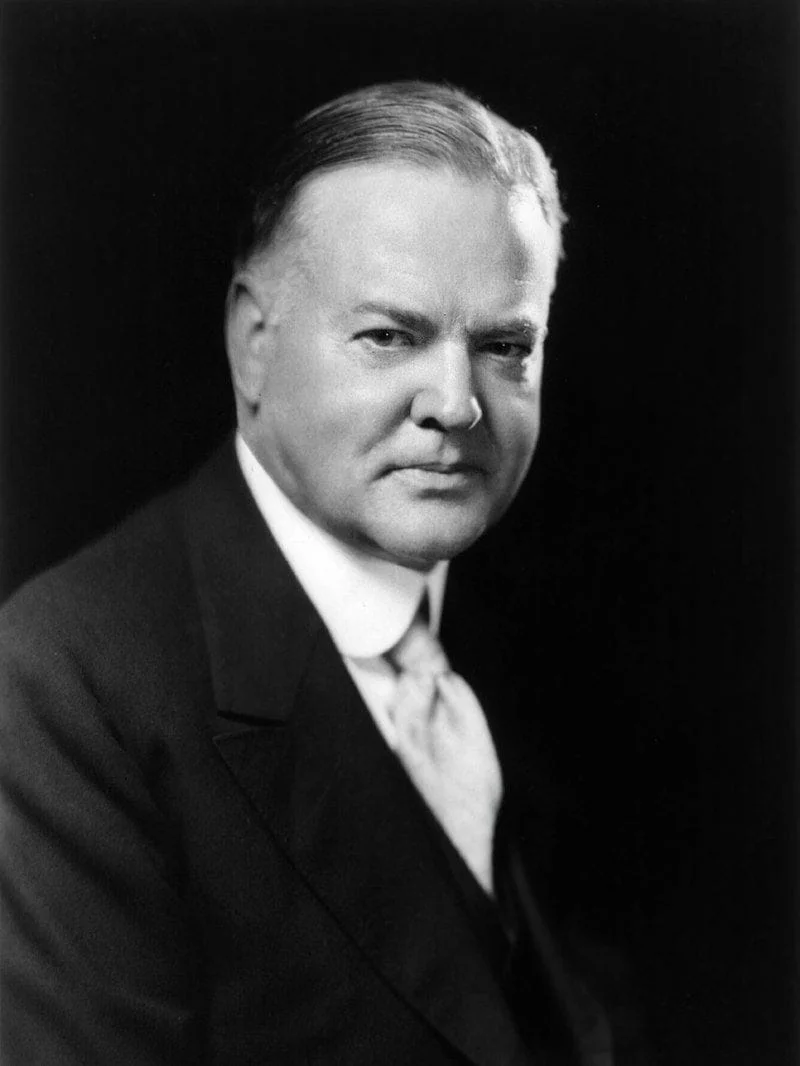
Herbert Hoover
Born10 Aug, 1874
Died20 Oct, 1964
NationalityAmerican
Age at time of death90
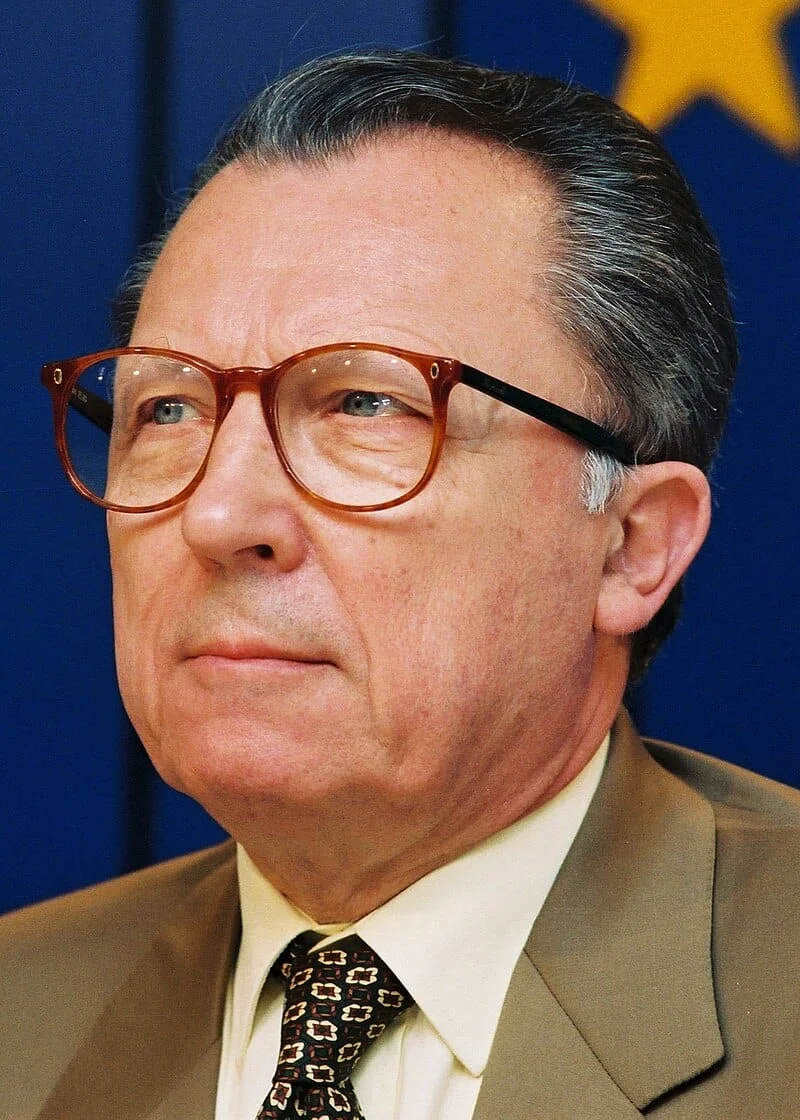
Jacques Delors
Born20 Jul, 1925
Died27 Dec, 2023
NationalityFrench
Age at time of death98
Anne Sullivan
Born14 Apr, 1866
Died20 Oct, 1936
NationalityAmerican
Age at time of death70
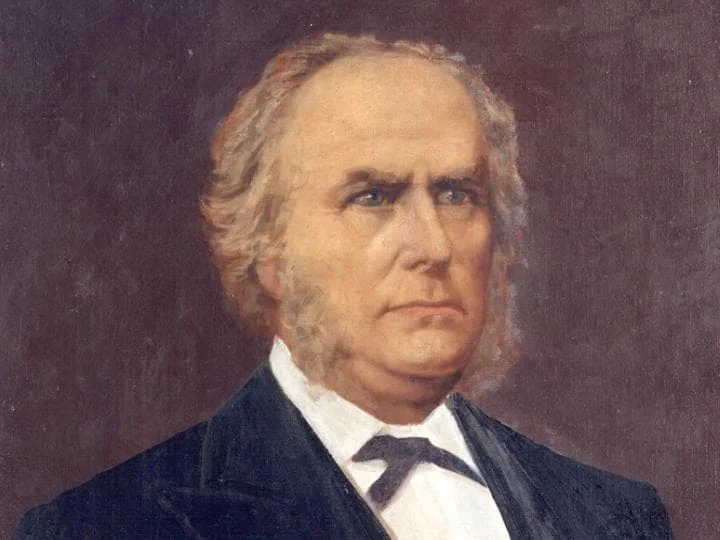
James Harrison
Born17 Apr, 1816
Died03 Sep, 1893
NationalityScottish,Australian
Age at time of death77
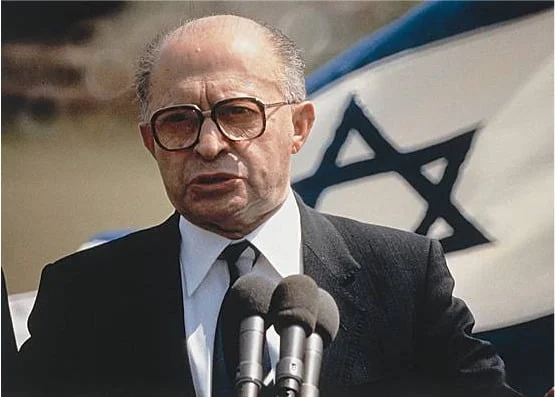
Menachem Begin
Born16 Aug, 1913
Died09 Mar, 1992
NationalityIsraeli
Age at time of death78
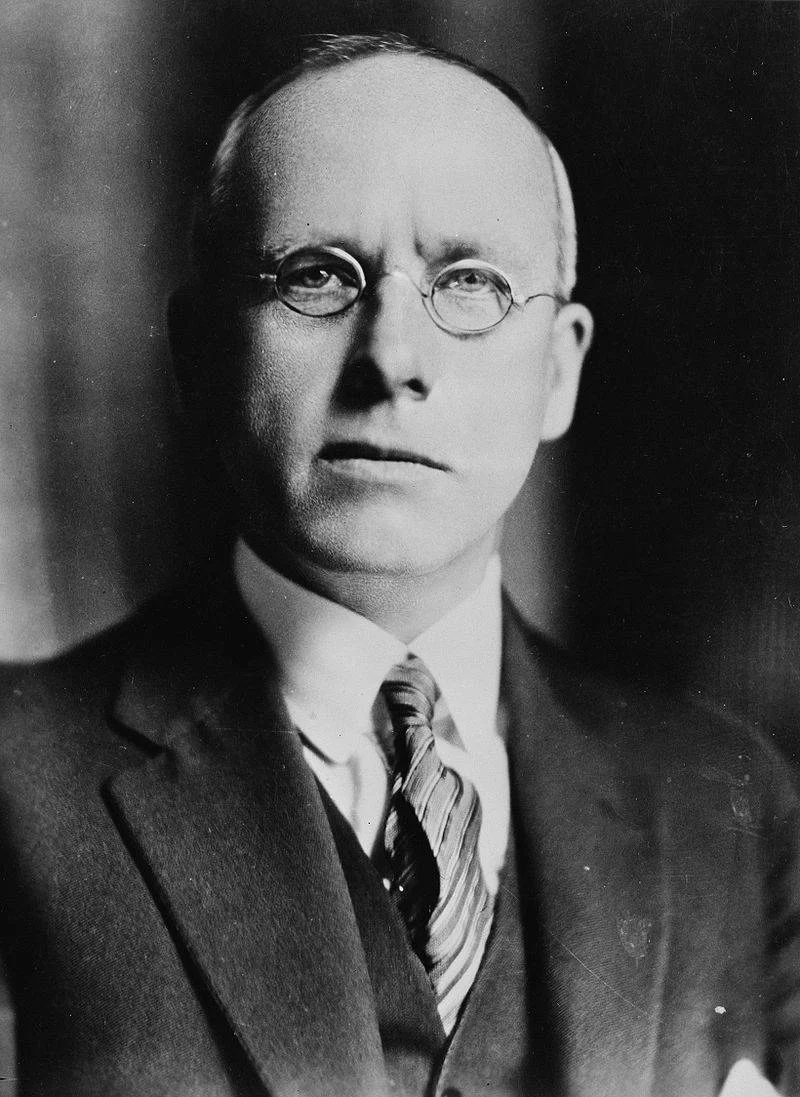
Peter Fraser
Born28 Aug, 1884
Died12 Dec, 1950
NationalityNew Zealand
Age at time of death66
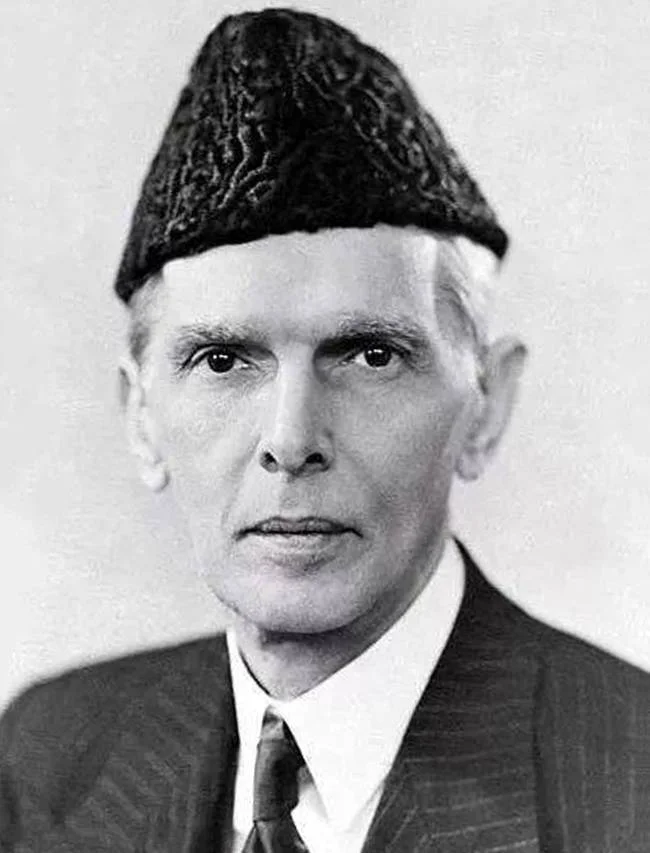
Muhammad Ali Jinnah
Born25 Dec, 1876
Died11 Sep, 1948
NationalityPakistani
Age at time of death71
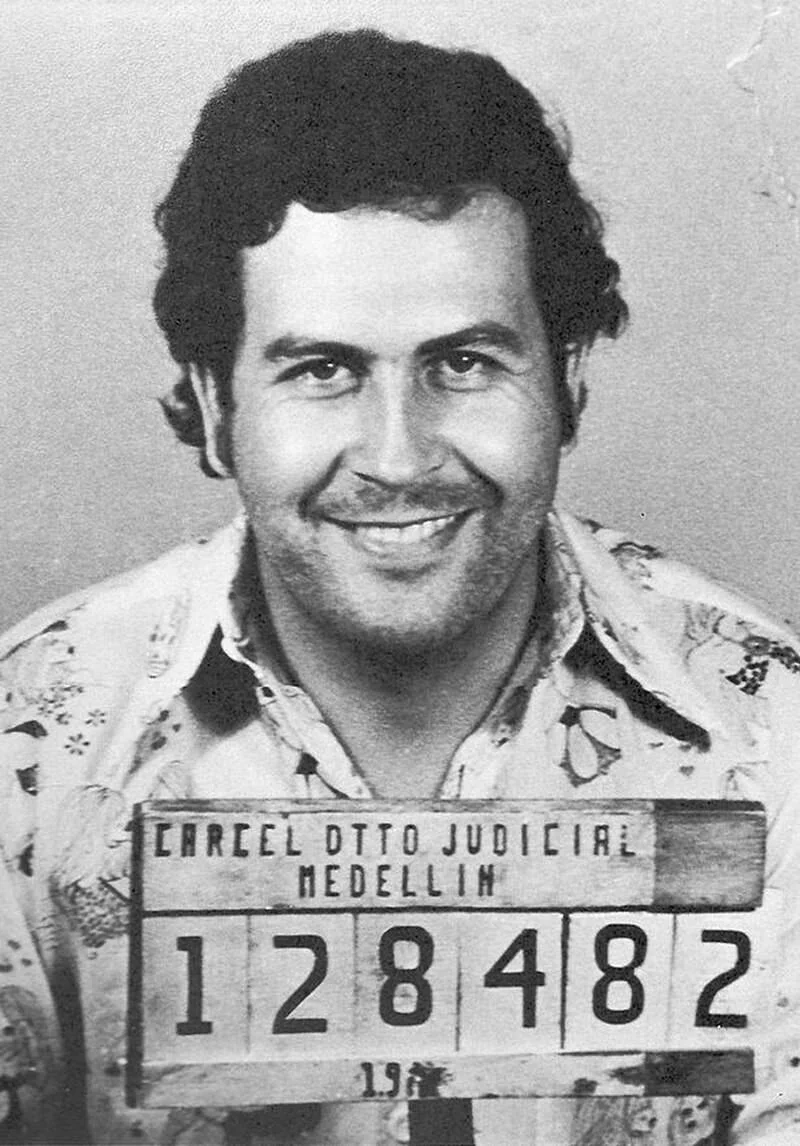
Pablo Escobar
Born01 Dec, 1949
Died02 Dec, 1993
NationalityColombian
Age at time of death44
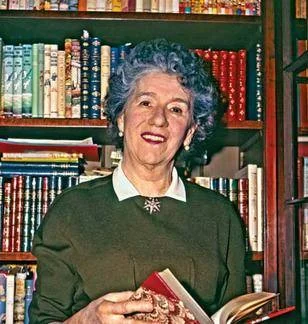
Enid Blyton
Born11 Aug, 1897
Died28 Nov, 1968
NationalityBritish
Age at time of death71
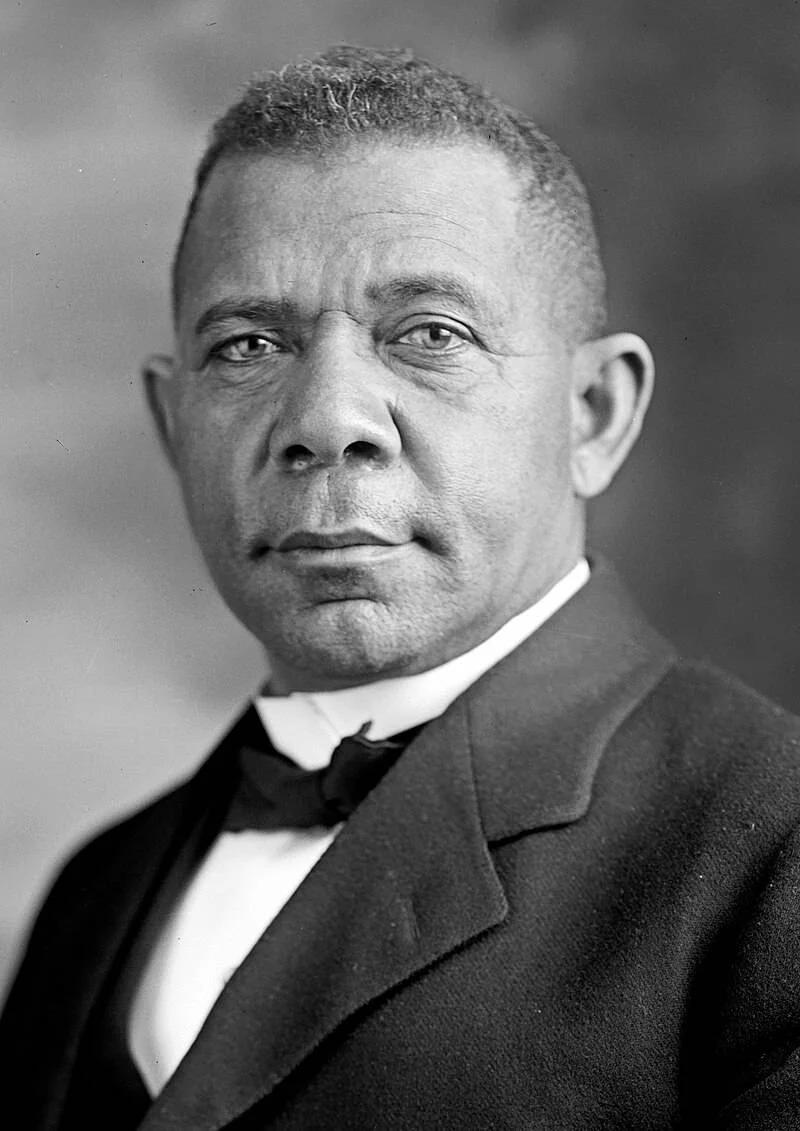
Booker T. Washington
Born05 Apr, 1856
Died14 Nov, 1915
NationalityAmerican
Age at time of death59
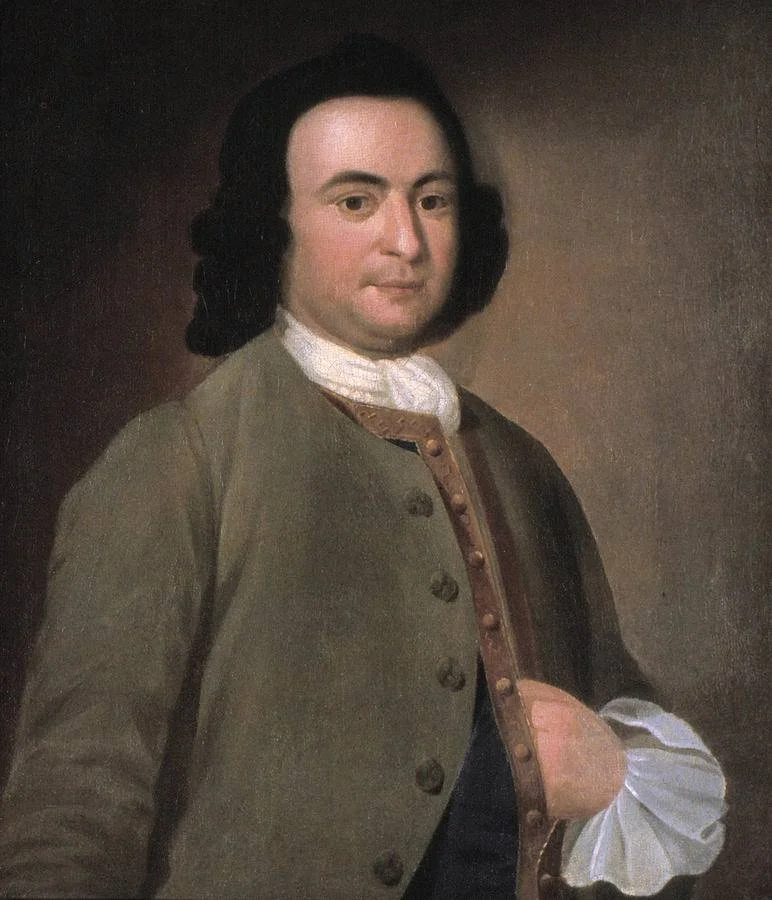
George Mason
Born11 Dec, 1725
Died07 Oct, 1792
NationalityAmerican, British
Age at time of death66
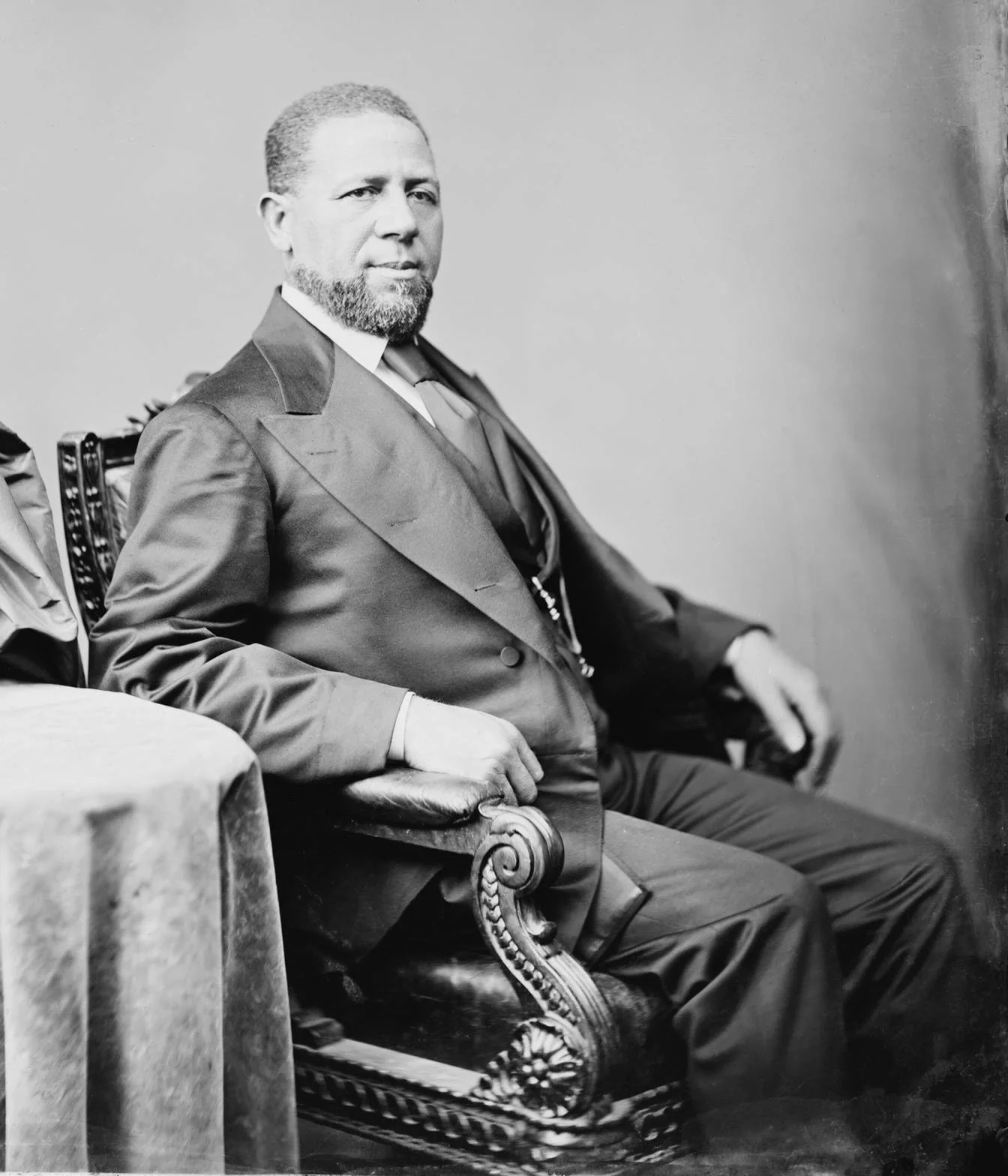
Hiram R. Revels
Born27 Sep, 1827
Died16 Jan, 1901
NationalityAmerican
Age at time of death73