Real Celebrities Never Die!
OR
Search For Past Celebrities Whose Birthday You Share
Died Age: 69
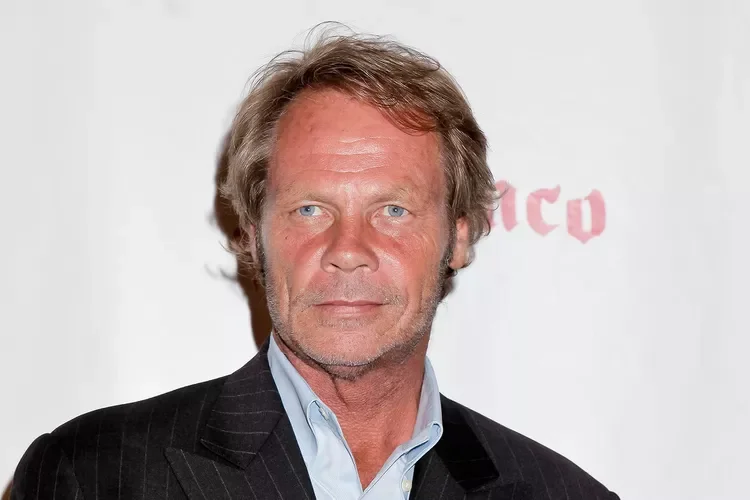
people.com
Kevyn Major Howard
Birthday:
26 Jan, 1956
Date of Death:
13 Feb, 2025
Cause of death:
Respiratory problems
Nationality:
Canadian
Famous As:
Canadian actor
Age at the time of death:
69
Early Life: A Curious Eye and a Restless Imagination
Kevyn Major Howard has lived a life shaped by dual passions: the art of performance and the precision of the lens. To many, he’s best known as Rafterman, the young combat photographer in Stanley Kubrick’s Full Metal Jacket — a role that immortalized him in one of cinema’s most haunting depictions of war. But Howard’s story extends far beyond that singular film. It’s the story of a man who transitioned from acting to photography, from being in front of the camera to mastering it from behind, turning his eye toward human truth in every frame.
Kevyn Major Howard was born in Ottawa, Canada, and from an early age, he possessed a fascination with storytelling in all its forms. Growing up amid the calm landscapes of Ontario, Howard found himself drawn to human expression — the fleeting gestures, the untold emotions that define people’s lives.
He was not from a show-business dynasty; his path was self-forged. Friends recall a boy who saw the world differently — someone who noticed the way light fell on faces, or the quiet drama in ordinary moments. That instinct for observation would become the foundation of both his acting and photographic careers.
As a teenager, he began performing in school productions, discovering in acting a way to express the inner world that words alone couldn’t capture. That sense of intensity and truth-seeking would follow him throughout his creative life.
Education and Early Acting Years: Learning by Doing
Howard’s formal education was less about traditional schooling and more about immersion — learning from experience, trial, and the unpredictable rhythms of performance work. He moved to Los Angeles in his early twenties, determined to carve a space for himself in the film industry.
The late 1970s and early 1980s were years of grit and perseverance. Like many actors of his generation, Howard spent countless hours auditioning, taking bit parts, and observing everything around him. He learned early that the industry rewarded not just talent but tenacity. He took every opportunity as a masterclass in human behavior — a theme that would later inform his photographic vision.
Career Breakthrough: Becoming Rafterman
Howard’s big break came in 1987 when he was cast by Stanley Kubrick in Full Metal Jacket, the director’s uncompromising masterpiece about the Vietnam War.
Playing Rafterman, the earnest combat photographer who documents the horrors around him, Howard delivered a performance that balanced vulnerability with quiet moral resolve. He became the audience’s window into Kubrick’s chaotic, chilling vision of war.
The irony of that role — portraying a man behind the camera — would not be lost on him later in life. As Rafterman captured war through a lens, Howard himself would go on to do the same, though through the lens of empathy rather than violence.
Critics and fans alike noted the depth he brought to the role. Despite sharing the screen with commanding presences like Matthew Modine and R. Lee Ermey, Howard carved his own space — understated yet unforgettable.
But in Hollywood, fame is rarely a straight line. While Full Metal Jacket made him recognizable, it also became a towering reference point — a performance so defining that it risked overshadowing everything that followed.
Beyond the Spotlight: Finding Purpose Behind the Camera
After a series of television and film appearances — including roles in Death Wish II, Alien Nation, Miami Vice, and The Twilight Zone — Howard began to feel the pull of another kind of artistry. Acting had taught him to see emotion; photography allowed him to capture it.
He transitioned into portrait and commercial photography, and soon established himself as one of Hollywood’s most respected image-makers. His studio, Kevyn Major Howard Photography, became a go-to for actors, models, and public figures seeking authenticity rather than artifice. His photographs were known for their honesty — the same quality that had defined his performances.
Howard once described photography as “truth frozen in a frame.” It was, in many ways, a continuation of his work as an actor — another method of storytelling, only now he could control not just the performance, but the light, the timing, and the narrative.
Personal Life: The Humanitarian Behind the Lens
Away from the set and studio, Kevyn Major Howard found meaning in service. Deeply moved by stories of veterans and public servants, he founded Fueled by the Fallen, a nonprofit organization that honors fallen soldiers, firefighters, and law enforcement officers through memorial displays and community events.
Through this work, Howard fused art and compassion — using photography, design, and public tribute to give names and faces to those often remembered only as numbers. It was an extension of his lifelong belief that storytelling can heal, dignify, and connect.
Those who know him personally describe him as focused yet warm — a man of quiet conviction who values purpose over glamour. While his life has intersected with Hollywood fame, his heart has always belonged to the people whose stories might otherwise go untold.
Legacy: From Rafterman to Real Life Storyteller
Kevyn Major Howard’s legacy transcends the screen. As an actor, he gave us one of cinema’s most human portrayals of war’s moral complexity. As a photographer, he has spent decades capturing the courage, pain, and resilience that define real human stories.
In an industry often obsessed with celebrity, Howard has built a career centered on authenticity — both in art and in life. His journey from a Canadian kid with a camera to a Kubrick actor, and then to a humanitarian photographer, reads like a full-circle story of artistic evolution.
He remains a reminder that creative expression need not be confined to a single medium. Whether through a film reel or a camera lens, Kevyn Major Howard continues to pursue the same truth he sought as a young artist: that every story, every face, and every frame holds a piece of the human soul.
Profile Snapshot
Name:
Kevyn Major Howard
Popular Name:
Kevyn Major Howard
Gender:
Male
Cause of Death:
Respiratory problems
Spouse:
Tiffanie
Place of Birth:
Montreal, Quebec, Canada
Place of Death:
Las Vegas, Nevada, U.S.
Occupation / Profession:
Canadian actor
Photographer
Personality Type
Campaigner: Kevyn Major Howard was a quietly resourceful and technically adept creator — skilled with his craft, flexible in his choices, and committed to real-world impact beyond the spotlight.
Kevyn Major Howard's Interesting Facts
Kevyn Major Howard is best known for his role as "Rafterman" in Stanley Kubrick’s Full Metal Jacket (1987).
In addition to acting, he later became a successful professional photographer, known as the “Headshot Photographer to the Stars.”
He founded the charity event “Fuel for the Fighters,” which provides support to police officers and first responders.
Kevyn Major Howard began his acting career in the late 1970s and appeared in several popular TV shows before his breakout film role.
Achievements & Awards
He achieved notable recognition for founding the nonprofit Fueled By The Fallen, which supports military, first-responder, and veteran causes — a significant achievement in his philanthropic work.
External Links
Additional Links
Latest Profiles
People also viewed
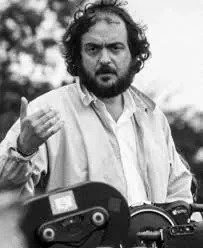
Stanley Kubrick
Born26 Jul, 1928
Died07 Mar, 1999
NationalityAmerican, British
Age at time of death70
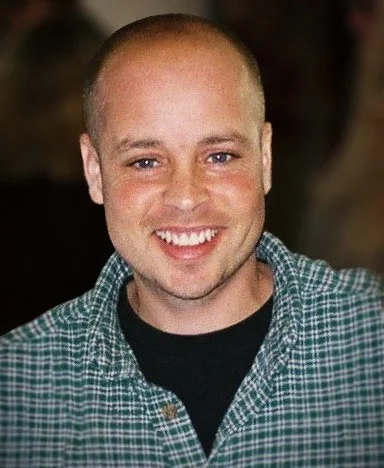
Aron Eisenberg
Born06 Jan, 1969
Died21 Sep, 2019
NationalityAmerican
Age at time of death50
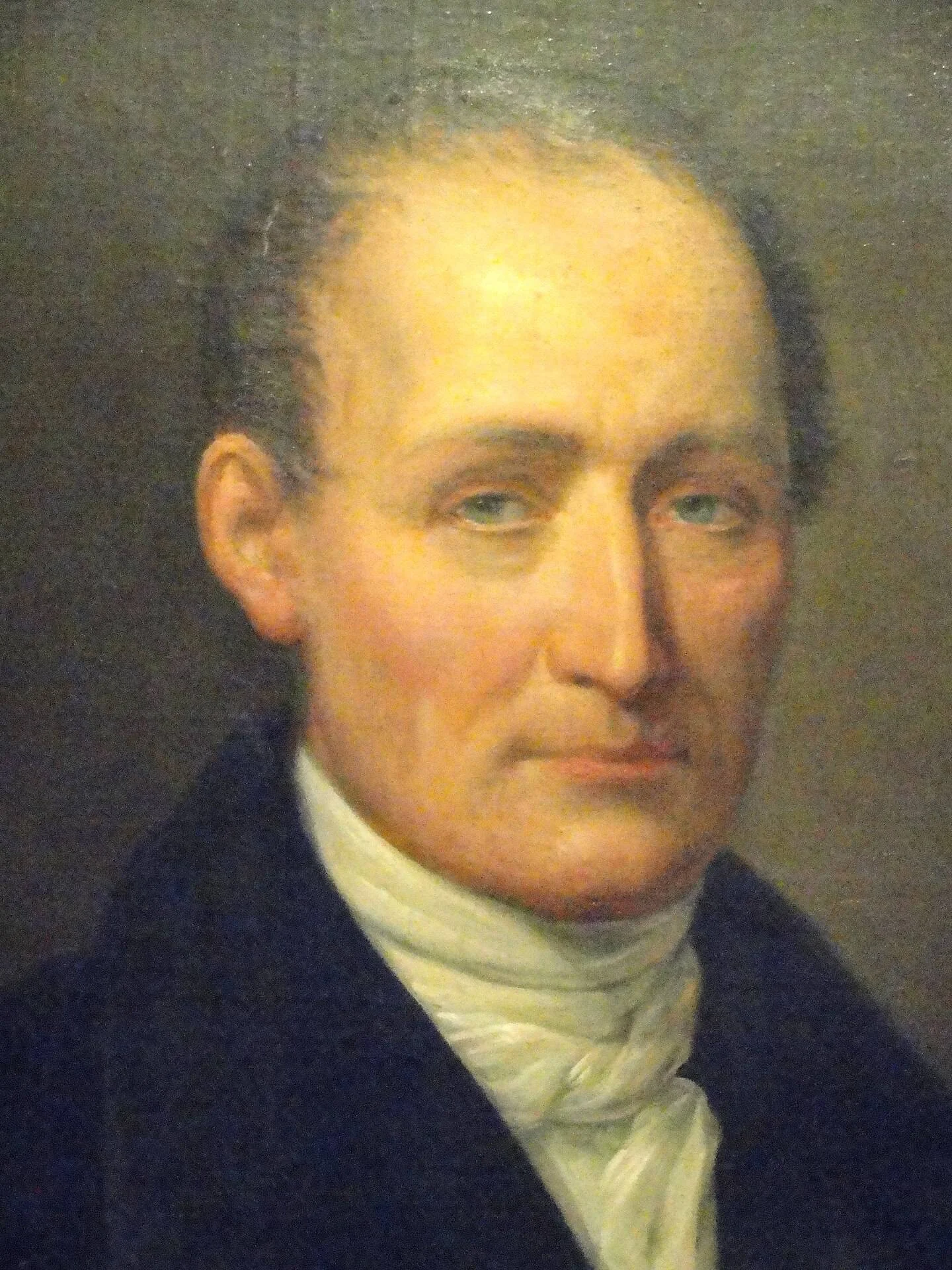
Nicéphore Niépce
Born07 Mar, 1765
Died05 Jul, 1833
NationalityFrench
Age at time of death68
Edgar Cayce
Born18 Mar, 1877
Died03 Jan, 1945
NationalityAmerican
Age at time of death67
Corey Ian Haim
Born23 Dec, 1971
Died10 Mar, 2010
NationalityCanadian
Age at time of death38