Real Celebrities Never Die!
OR
Search For Past Celebrities Whose Birthday You Share
Died Age: 70
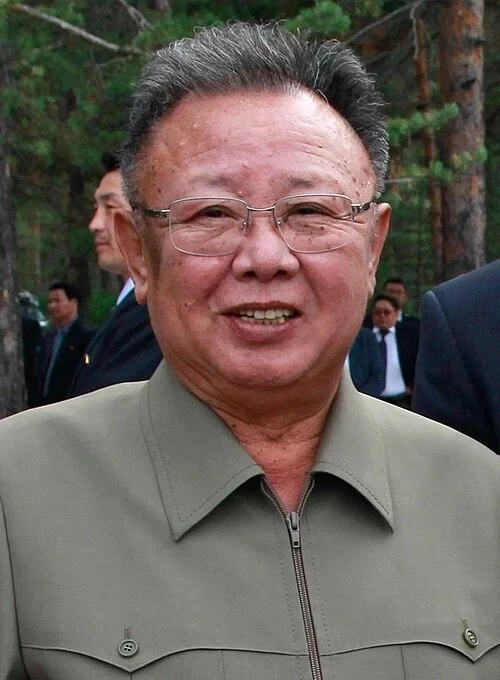
wikipedia.org
Kim Jong Il
Birthday:
16 Feb, 1941
Date of Death:
17 Dec, 2011
Cause of death:
Heart attack
Nationality:
North Korean
Famous As:
Dictator
Age at the time of death:
70
Kim Jong Il 's Quote's

“A strong military is the backbone of our nation.”
Kim Jong Il
🔗 deadcelebrityhub.com
Early Life and Birth Controversy
Kim Jong Il, the prominent North Korean leader, was born on February 16, 1941, in Siberia, Russia, during a time of great upheaval. Kim Il Sung, his father, led a revolution against Japanese colonial rule, later becoming North Korea’s first Supreme Leader. Kim Jong Il’s birthplace is shrouded in controversy. North Korean sources say he was born in a guerrilla camp on Mount Paektu; however, many historians believe he was born in the Soviet Union.
Growing Up in a Politically Charged Environment
Growing up in a politically charged environment, Kim Jong Il was the eldest son of Kim Il Sung and his first wife, Kim Jong Suk. His early life was defined by the turmoil of World War II and the Korean War that followed. The Korean War led to his being sent to the safety of northeastern China in 1950. His worldview and political ideology would be shaped by this experience. Following the war, he and his family went back to North Korea, adapting to their father’s new regime.
Education and Political Ideology
Kim Jong Il’s education began in earnest in Pyongyang and continued in China. He attended Kim Il Sung University, where he graduated in 1964. His academic pursuits were not merely about acquiring knowledge; they were intertwined with his political upbringing. He became actively involved in student organizations that promoted Marxist-Leninist ideals and the concept of Juche, or self-reliance, which would later define North Korea’s policies.
Personal Life and Family
In his personal life, Kim Jong Il was known to have had multiple relationships but is most notably linked to Ko Yong-hui, who became his consort. They had three children together: Kim Jong Un, Kim Jong Chul, and Kim Yo-jong. His family life was characterized by secrecy and control, mirroring the broader governance style he would adopt as a leader.
Rise to Power
Professionally, Kim Jong Il rose through the ranks of the Korean Workers’ Party (KWP) from a young age. By the late 1970s, he was firmly positioned as his father’s successor. In 1994, following Kim Il Sung’s death, Kim Jong Il officially assumed leadership of North Korea. His rule lasted until December 2011 and was marked by significant achievements as well as grave challenges.
Emphasis on Military Power and Nuclear Development
One of Kim Jong Il’s most notable contributions was his emphasis on military power and nuclear development. He believed that a strong military was essential for national security and international standing. Under his leadership, North Korea conducted its first nuclear tests in 2006 and 2009, which drew widespread condemnation but also solidified his reputation as a formidable leader willing to defy international norms.
Economic Challenges and Famine
Despite these military advancements, Kim’s regime faced severe economic difficulties and widespread famine during the 1990s. His policies often prioritized military spending over agricultural development, exacerbating the plight of ordinary North Koreans. The stark contrast between the opulence enjoyed by the ruling elite and the struggles faced by the general populace became a hallmark of his leadership.
Death and Succession
Kim Jong Il passed away on December 17, 2011, from a heart attack while traveling on a train in Pyongyang. His death marked the end of an era and triggered a dynastic succession to his youngest son, Kim Jong Un.
Legacy and Impact
The legacy of Kim Jong Il is complex; he is remembered both for his role in solidifying North Korea’s nuclear ambitions and for perpetuating a regime characterized by repression and isolationism. His life was defined by political intrigue and familial loyalty within a tightly controlled regime. His impact on North Korea continues to resonate today as his son carries forward many of his policies while navigating an increasingly complex global landscape.
Profile Snapshot
Name:
Kim Jong Il
Popular Name:
Kim Jong Il
Gender:
Male
Cause of Death:
Heart attack
Spouse:
Kim Young-sook
Place of Birth:
Vyatskoye, Khabarovsk Krai, Russian SFSR, Soviet Union
Place of Death:
Pyongyang, North Korea
Occupation / Profession:
Dictator
Politician
Film Producer
Personality Type
Commander: Bold, imaginative and strong-willed leaders, always finding a way – or making one. He was known for leadership, decisiveness, and a commanding presence.
Kim Jong Il 's Interesting Facts
He claimed to have scored 11 holes-in-one in a single golf game.
He was a known cinephile with a collection of over 20,000 films.
His birth year is disputed due to propaganda adjustments.
Kim reportedly kidnapped South Korean director Shin Sang-ok to boost North Korea’s film industry.
Achievements & Awards
Authored propaganda works like On the Art of the Cinema.
Became Supreme Leader of North Korea in 1994.
Expanded the Songun (military-first) policy.
Oversaw the development of North Korea’s nuclear weapons program.
Received numerous titles, including "Dear Leader" and "Generalissimo" posthumously.
External Links
Additional Links
https://kids.britannica.com/students/article/Kim-Jong-Il/574248https://study.com/academy/lesson/kim-jong-il-biography-leadership-legacy.htmlhttps://www.britannica.com/biography/Kim-Jong-Eunhttps://www.britannica.com/biography/Kim-Jong-Ilhttps://www.ebsco.com/research-starters/biography/kim-jong-ilhttps://www.marxists.org/archive/kim-jong-il/bio/biography-vol3.pdfhttps://www.vedantu.com/biography/kim-jong-ii
Latest Profiles
People also viewed
Gerald Ford
Born14 Jul, 1913
Died26 Dec, 2006
NationalityAmerican
Age at time of death93
Victor Hugo
Born26 Feb, 1802
Died22 May, 1885
NationalityFrench
Age at time of death83
George Murphy
Born04 Jul, 1902
Died03 May, 1992
NationalityAmerican
Age at time of death89
P. T. Barnum
Born05 Jul, 1810
Died07 Apr, 1891
NationalityAmerican
Age at time of death80
Rajendra Prasad
Born03 Dec, 1884
Died28 Feb, 1963
NationalityIndian
Age at time of death78
Samuel Goldwyn
Born27 Jul, 1882
Died31 Jan, 1974
NationalityPolish, American
Age at time of death91

Paul Allen
Born21 Jan, 1953
Died15 Oct, 2018
NationalityAmerican
Age at time of death65
Nelson Rockefeller
Born08 Jul, 1908
Died26 Jan, 1979
NationalityAmerican
Age at time of death70

Ethan Allen
Born21 Jan, 1738
Died12 Feb, 1789
NationalityAmerican
Age at time of death51
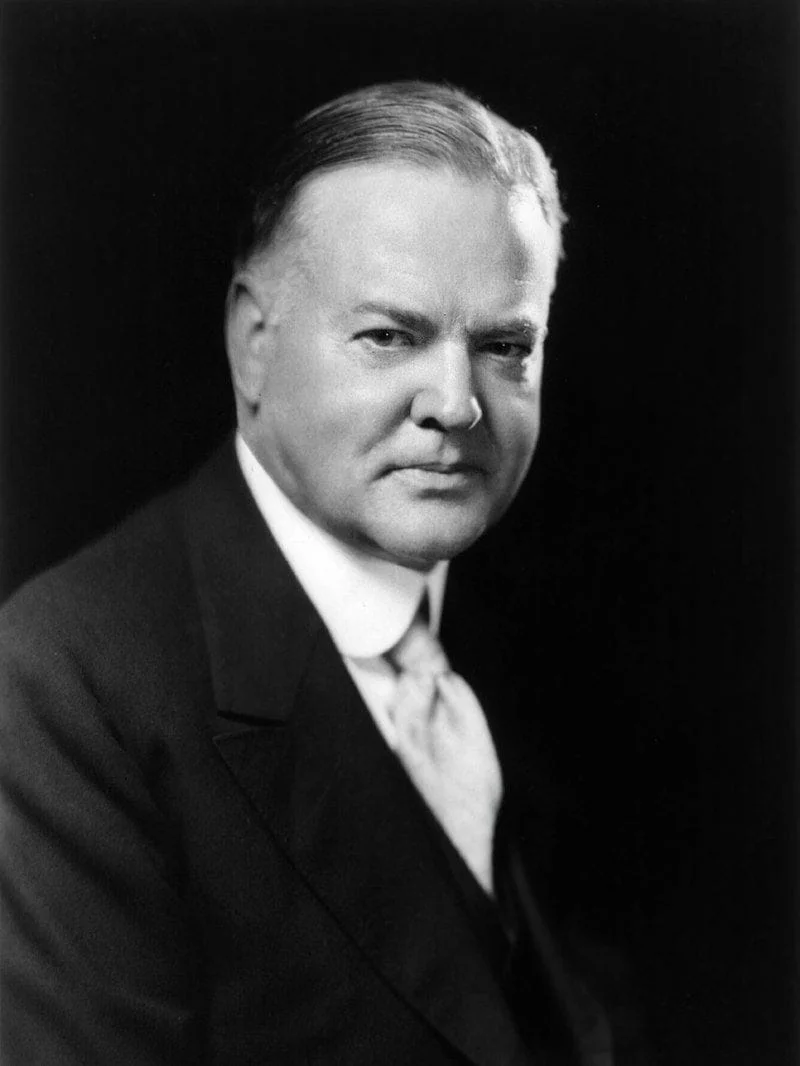
Herbert Hoover
Born10 Aug, 1874
Died20 Oct, 1964
NationalityAmerican
Age at time of death90
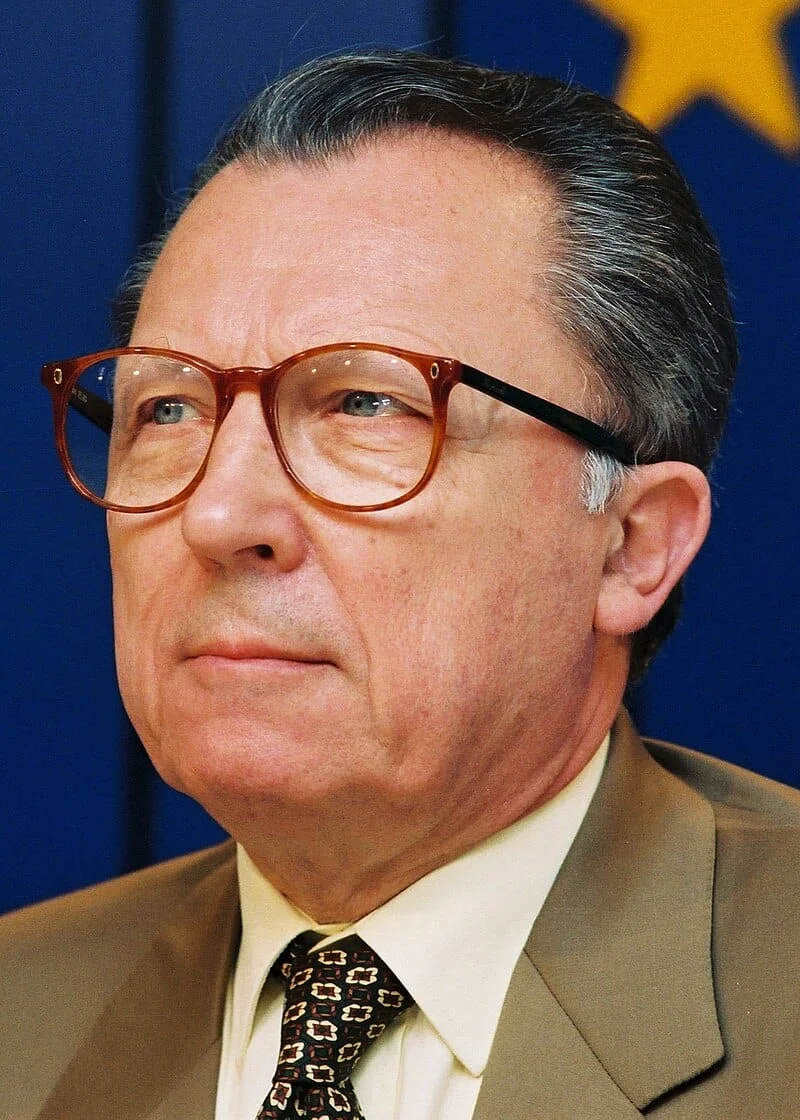
Jacques Delors
Born20 Jul, 1925
Died27 Dec, 2023
NationalityFrench
Age at time of death98
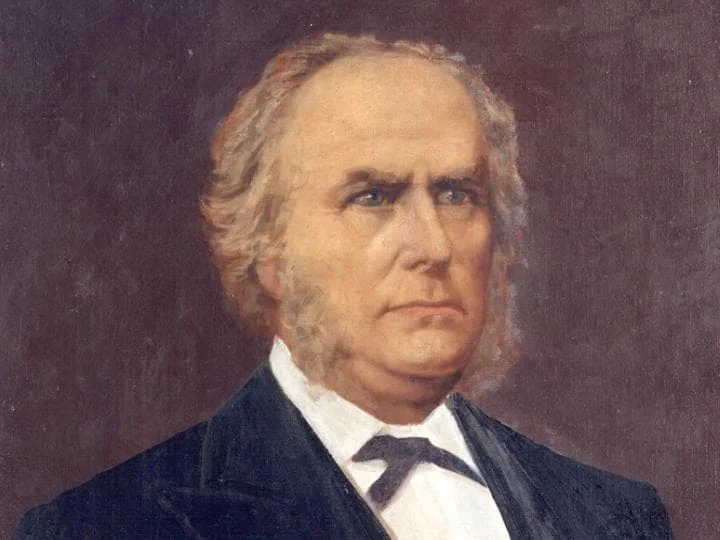
James Harrison
Born17 Apr, 1816
Died03 Sep, 1893
NationalityScottish,Australian
Age at time of death77
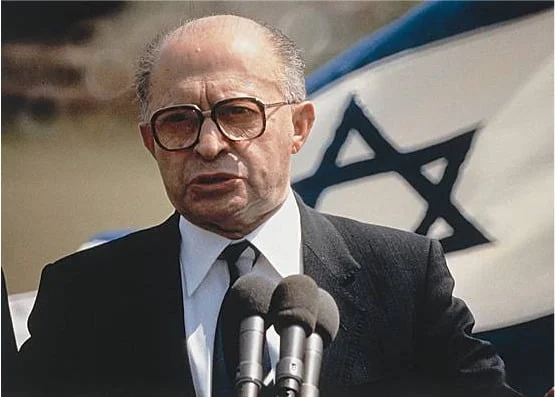
Menachem Begin
Born16 Aug, 1913
Died09 Mar, 1992
NationalityIsraeli
Age at time of death78
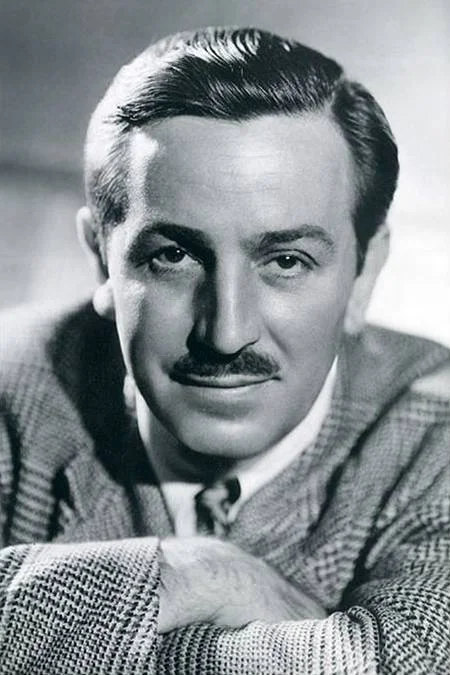
Walt Disney
Born05 Dec, 1901
Died15 Dec, 1966
NationalityAmerican
Age at time of death65
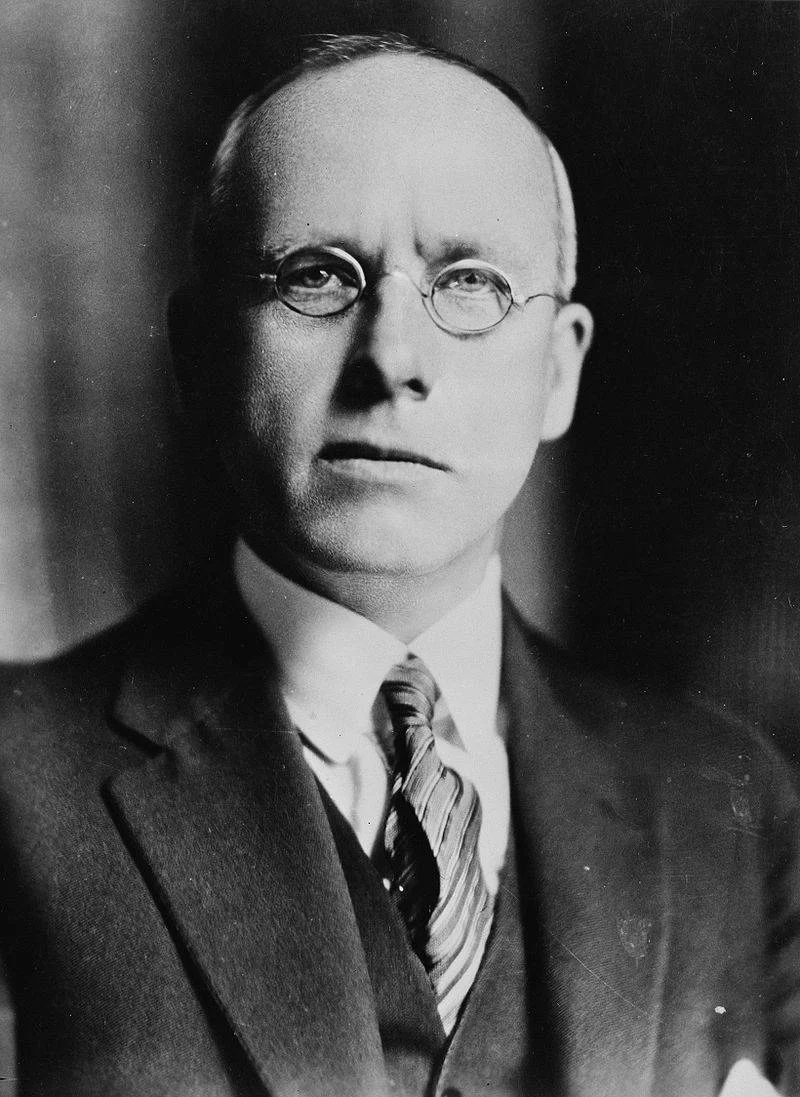
Peter Fraser
Born28 Aug, 1884
Died12 Dec, 1950
NationalityNew Zealand
Age at time of death66
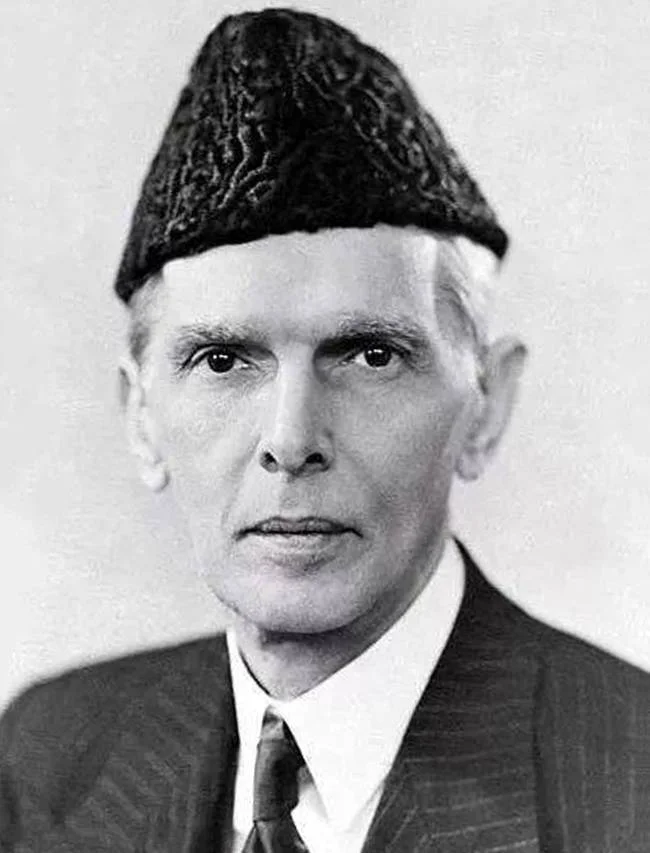
Muhammad Ali Jinnah
Born25 Dec, 1876
Died11 Sep, 1948
NationalityPakistani
Age at time of death71
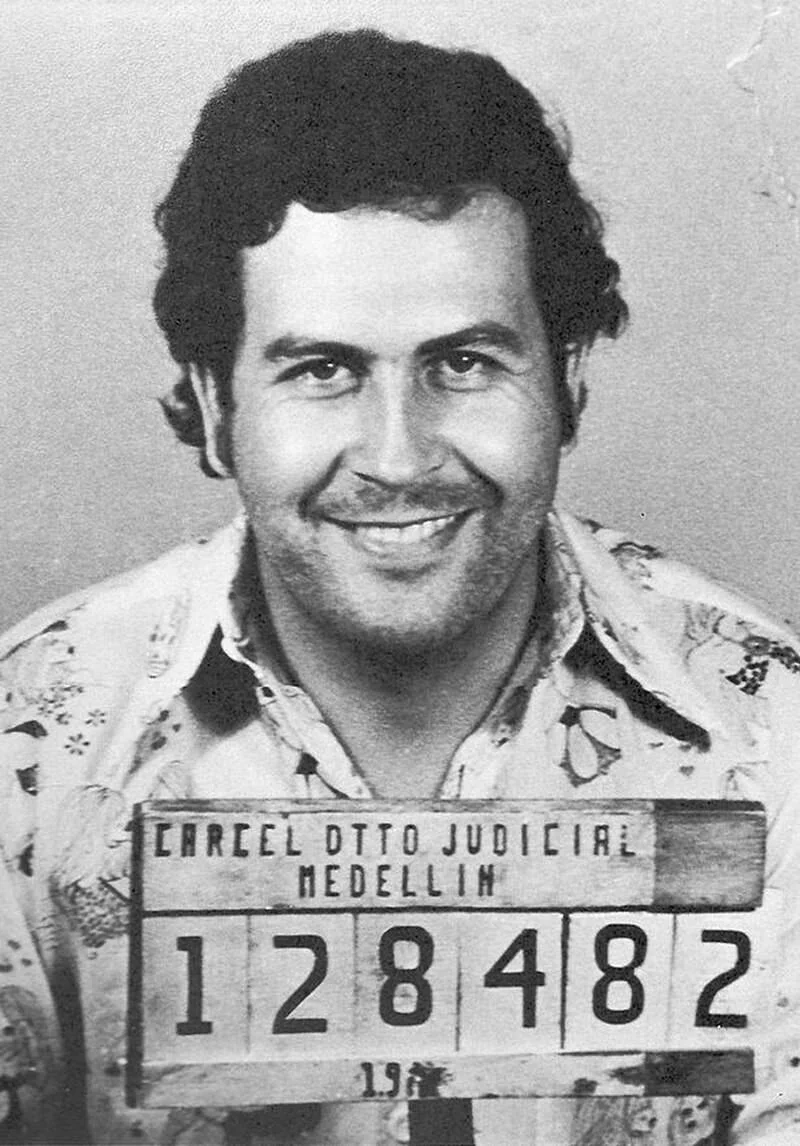
Pablo Escobar
Born01 Dec, 1949
Died02 Dec, 1993
NationalityColombian
Age at time of death44
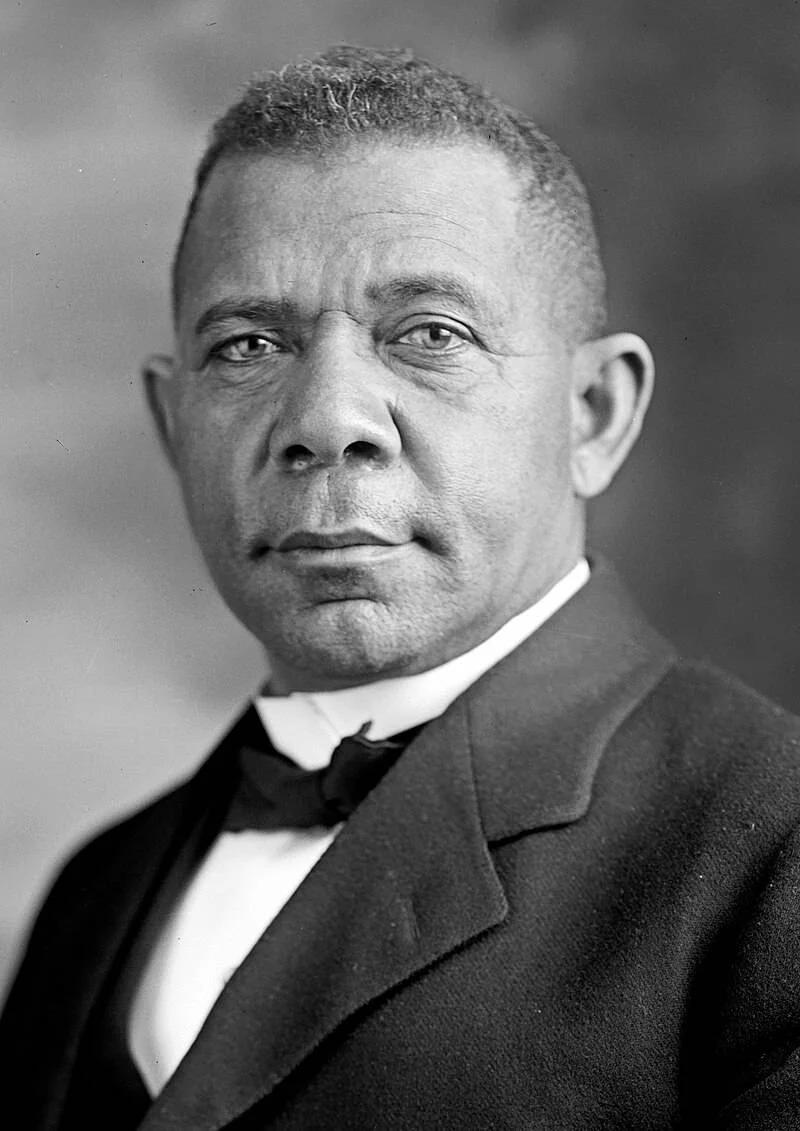
Booker T. Washington
Born05 Apr, 1856
Died14 Nov, 1915
NationalityAmerican
Age at time of death59
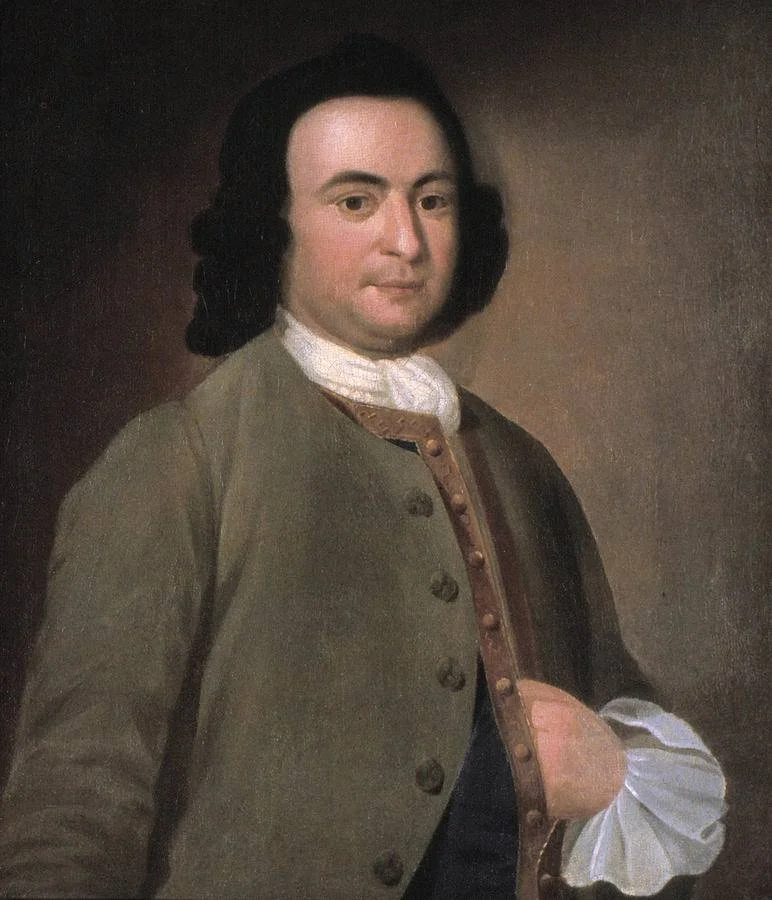
George Mason
Born11 Dec, 1725
Died07 Oct, 1792
NationalityAmerican, British
Age at time of death66
Lata Mangeshkar
Born28 Sep, 1929
Died06 Feb, 2022
NationalityIndian
Age at time of death92