Real Celebrities Never Die!
OR
Search For Past Celebrities Whose Birthday You Share
Died Age: 72
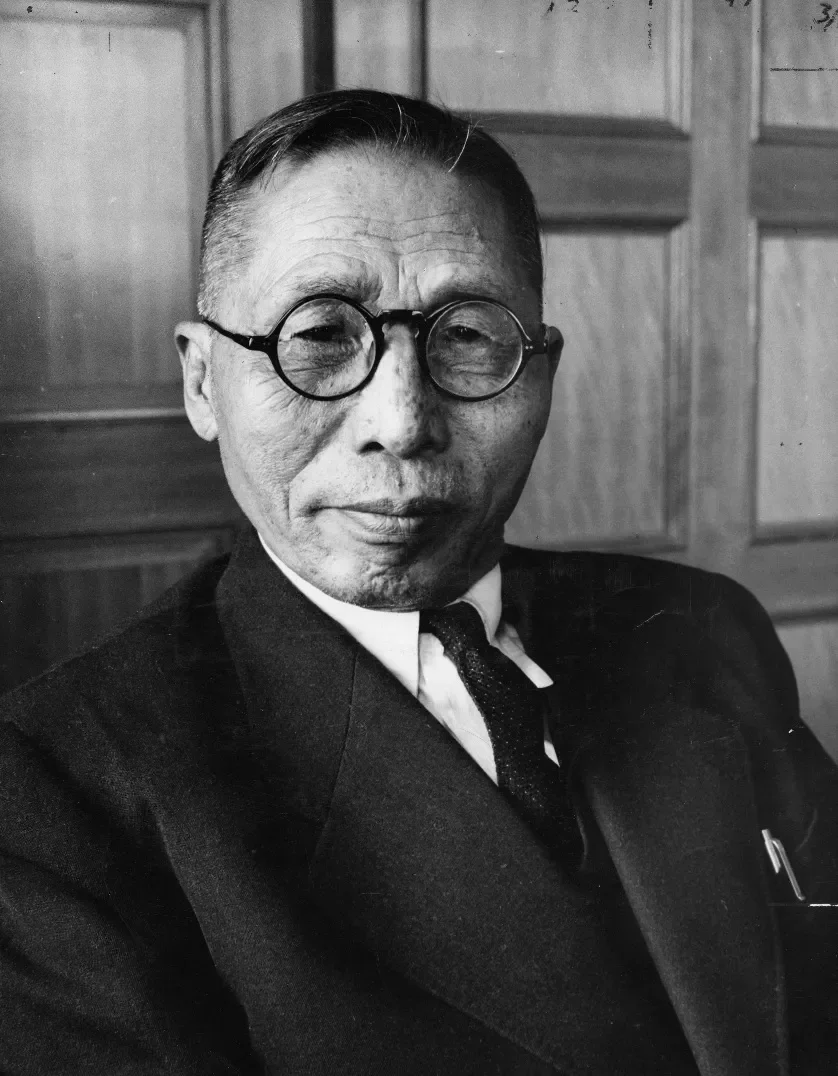
namu.wiki
Kim Koo
Birthday:
28 Aug, 1876
Date of Death:
26 Jun, 1949
Cause of death:
Assassination
Nationality:
Korean
Famous As:
Educator
Age at the time of death:
72
Kim Chang-soo Kim Changahm's Quote's

“Love for one’s country must begin with love for justice.”
Kim Chang-soo Kim Changahm
🔗 deadcelebrityhub.com
Early Life: From Humble Fields to Fierce Convictions
Kim Koo was the beating heart of Korea’s independence movement, a man who carried the hopes of a colonised people in his chest like a flame that refused to die. To his enemies, he was a revolutionary. To his compatriots, he was "Baekbeom", the white-bearded sage of integrity, courage, and unbreakable resolve. His life was a journey of exile, resistance, and spiritual leadership that left an indelible mark on Korea’s path to sovereignty.
Born on August 29, 1876, in a modest farming village in Hwanghae Province, Kim Chang-soo (his birth name) came into the world during a time of turbulence. Korea was teetering on the edge of foreign domination, and young Kim’s world was marked by poverty, Confucian tradition, and deep-rooted patriotism.
At the age of 16, a pivotal moment forever altered his trajectory. After witnessing the cruelty of Japanese influence in Korea, most tragically the murder of Queen Min, Kim was galvanised by a profound sense of injustice. This early spark of nationalism was not an abstract ideal; it was a visceral, moral calling.
As a teenager, Kim joined a Buddhist monastery briefly, searching for spiritual guidance, before turning to activism. That brief monastic interlude became a lifelong influence. He would later lead not with weapons alone, but with a moral compass steeped in reflection and ethics.
Education: A Self-Taught Scholar of Patriotism
Though formal education eluded him in his early years, Kim Koo was an avid self-learner. He immersed himself in Chinese classics, Korean history, and political philosophy, often reading by candlelight in the dead of night. His real education came not from schools but from prison cells, exile, and underground resistance—places where theory collided with lived experience.
During his later years in Shanghai and Chongqing, he worked closely with scholars and reformists, absorbing ideas that would shape the ideological backbone of the Korean Provisional Government. His writings reveal a man deeply versed in both Confucian loyalty and democratic ideals.
Career Journey: Fire and Resolve Across Three Eras
The Revolutionary Awakening (1896–1910)
Kim’s early activism took a dramatic turn in 1896 when he assassinated a Japanese military officer whom he believed was connected to Queen Min’s murder. Arrested and imprisoned, he escaped execution—a harrowing chapter that only deepened his commitment. From then on, Kim lived as a marked man, walking a tightrope between survival and resistance.
Leader in Exile (1919–1945)
Following the March 1st Movement in 1919, Kim fled to Shanghai, where he joined and eventually led the Korean Provisional Government. It was here he adopted the pen name Baekbeom, meaning “plain man,” reflecting his desire to represent the common Korean. As president of the Provisional Government, Kim was a tireless diplomat, rallying international support and forging alliances with Chinese and Western leaders.
Despite limited resources and growing internal divisions, he remained a unifying figure, organising the Korean Liberation Army and pushing for coordinated resistance during World War II. His moral leadership was often in contrast to the more pragmatic or militant approaches of his contemporaries, yet his vision of a just, unified Korea never wavered.
Post-Liberation Struggles and Assassination (1945–1949)
After Korea’s liberation in 1945, Kim returned home to a country divided by ideology and foreign interests. He passionately opposed the division of Korea into North and South, advocating for a united, independent nation free from external manipulation.
Tragically, on June 26, 1949, Kim was assassinated by a South Korean military officer under suspicious political circumstances. This act shocked the nation and silenced one of its most principled voices.
A curious detail: Kim carried with him a calligraphy brush more often than a weapon. Even in his later years, he believed that ideas and not just arms were the real battleground of national destiny.
Personal Life: The Stoic Flame
Though consumed by the national cause, Kim was not without warmth. Known for his ascetic lifestyle, he rejected personal luxury and lived simply, often in shared quarters with fellow exiles. His marriage was shortlived, dedicating his life entirely to the pursuit of Korean independence. Yet, he was deeply affectionate toward his comrades, often referring to younger activists as his “children.”
One of his most cherished activities was writing. His autobiography, Baekbeom Ilji (The Diary of Baekbeom), is both a historical chronicle and a soul-searching meditation. It was a rare window into the heart of a man both burdened and uplifted by his mission.
Legacy: Korea’s Moral Compass
To this day, Kim Koo is remembered not just as a revolutionary, but as Korea’s conscience. Streets, schools, and memorials bear his name, but his truest monument is the moral example he left behindwhich is a blueprint for leadership rooted in conviction, humility, and justice.
Perhaps his most quoted words summarise his legacy best:
“I do not want my country to be strong in war. I want it to be beautiful, just, and full of culture.”
In a time of division, Kim Koo envisioned unity. In a time of violence, he believed in dignity. And in a time when many chose compromise, he chose integrity. His story endures because it reminds us that patriotism is not just about borders but character.
Profile Snapshot
Name:
Kim Chang-soo Kim Changahm
Popular Name:
Kim Koo
Gender:
Male
Cause of Death:
Assassination
Spouse:
Ch'oe Chun-rye
Place of Birth:
Haeju, North Korea
Place of Death:
Gyeonggyojang House, Seoul, South Korea
Occupation / Profession:
Educator
Politician
Personality Type
Advocate: Kim Koo was a principled leader whose unwavering moral vision and inner strength made him the spiritual heart of Korea’s independence movement.
Kim Chang-soo Kim Changahm's Interesting Facts
Despite being a revolutionary, he was deeply influenced by Eastern philosophy and often quoted Confucian texts in his speeches.
He narrowly escaped assassination attempts multiple times throughout his life, including one by poison.
Kim Koo was an excellent calligrapher, and his brushwork is still displayed in Korean cultural exhibitions.
Achievements & Awards
He was a key figure in uniting resistance efforts and advocating for Korea's independence on the international stage. Posthumously, he was awarded the Republic of Korea Medal of Merit for National Foundation, the country’s highest honour.
His writings, especially Baekbeom Ilji, continue to influence generations with their moral clarity and patriotic fervour.
Kim Koo served as the President of the Korean Provisional Government in exile and played a pivotal role in organising the Korean Liberation Army during the Japanese occupation.
External Links
Latest Profiles
People also viewed
Xie Xide
Born19 Mar, 1921
Died04 Mar, 2000
NationalityChinese
Age at time of death78
Ursula Franklin
Born16 Sep, 1921
Died22 Jul, 2016
NationalityGerman, Canadian
Age at time of death94
Gerald Ford
Born14 Jul, 1913
Died26 Dec, 2006
NationalityAmerican
Age at time of death93
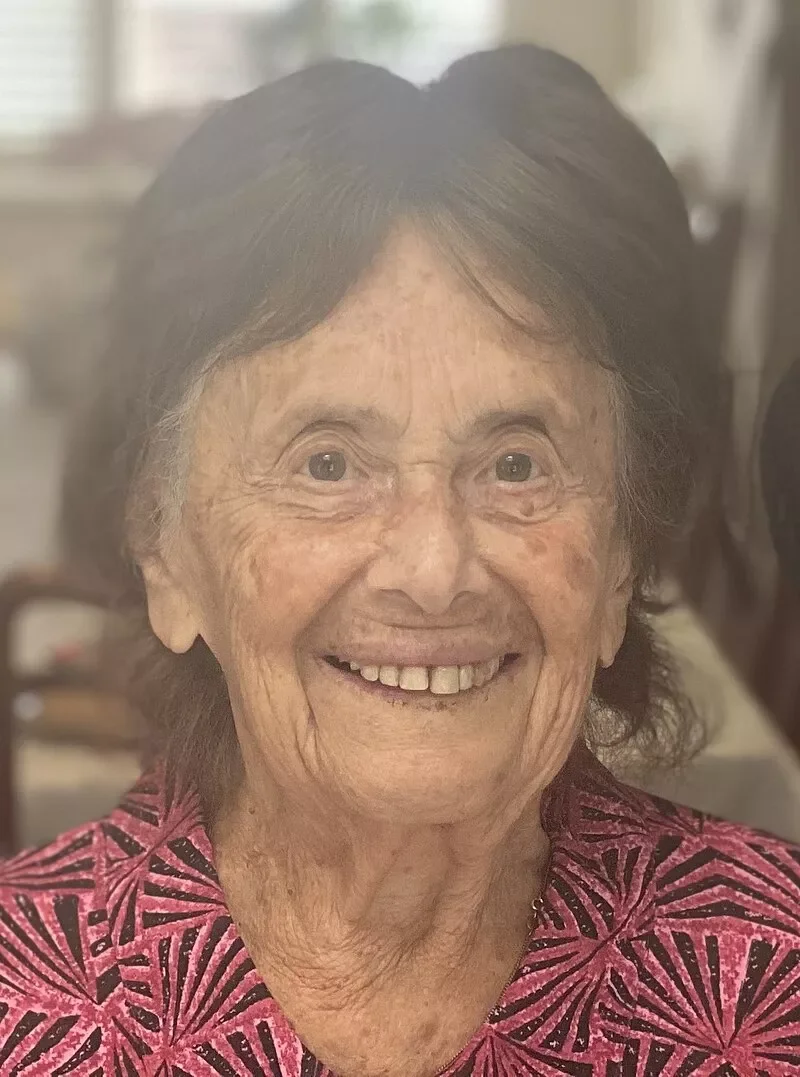
Lily Ebert
Born29 Dec, 1923
Died09 Oct, 2024
NationalityHungarian, British
Age at time of death100
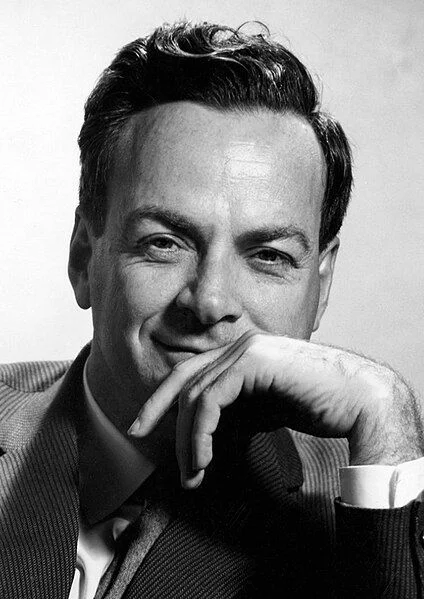
Richard Feynman
Born11 May, 1918
Died15 Feb, 1988
NationalityAmerican
Age at time of death69
Victor Hugo
Born26 Feb, 1802
Died22 May, 1885
NationalityFrench
Age at time of death83
George Murphy
Born04 Jul, 1902
Died03 May, 1992
NationalityAmerican
Age at time of death89
P. T. Barnum
Born05 Jul, 1810
Died07 Apr, 1891
NationalityAmerican
Age at time of death80
Rajendra Prasad
Born03 Dec, 1884
Died28 Feb, 1963
NationalityIndian
Age at time of death78
Nelson Rockefeller
Born08 Jul, 1908
Died26 Jan, 1979
NationalityAmerican
Age at time of death70

Ethan Allen
Born21 Jan, 1738
Died12 Feb, 1789
NationalityAmerican
Age at time of death51
Alice Mary Robertson
Born02 Jan, 1854
Died01 Jul, 1931
NationalityAmerican
Age at time of death77
Herbert Hoover
Born10 Aug, 1874
Died20 Oct, 1964
NationalityAmerican
Age at time of death90
Kiyoshi Shiga
Born07 Feb, 1871
Died25 Jan, 1957
NationalityJapanese
Age at time of death85
Jacques Delors
Born20 Jul, 1925
Died27 Dec, 2023
NationalityFrench
Age at time of death98
James Harrison
Born17 Apr, 1816
Died03 Sep, 1893
NationalityScottish,Australian
Age at time of death77
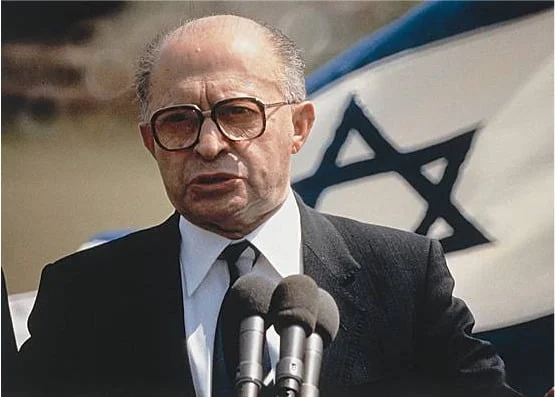
Menachem Begin
Born16 Aug, 1913
Died09 Mar, 1992
NationalityIsraeli
Age at time of death78
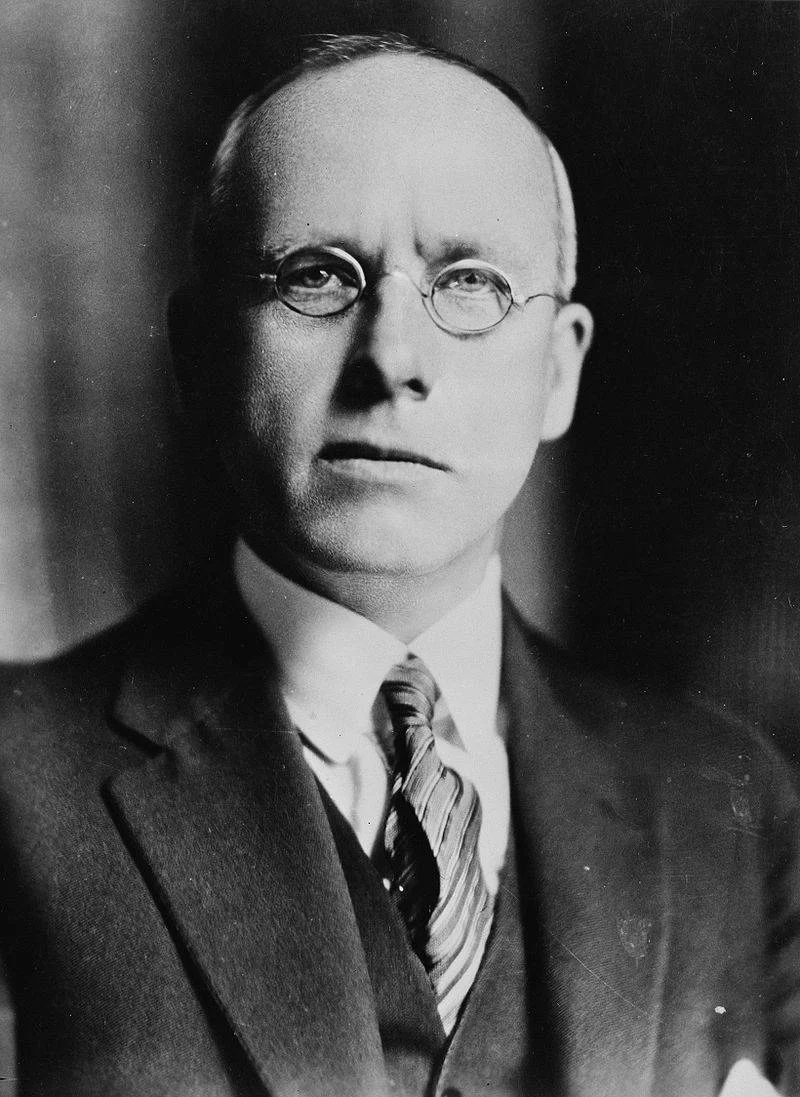
Peter Fraser
Born28 Aug, 1884
Died12 Dec, 1950
NationalityNew Zealand
Age at time of death66
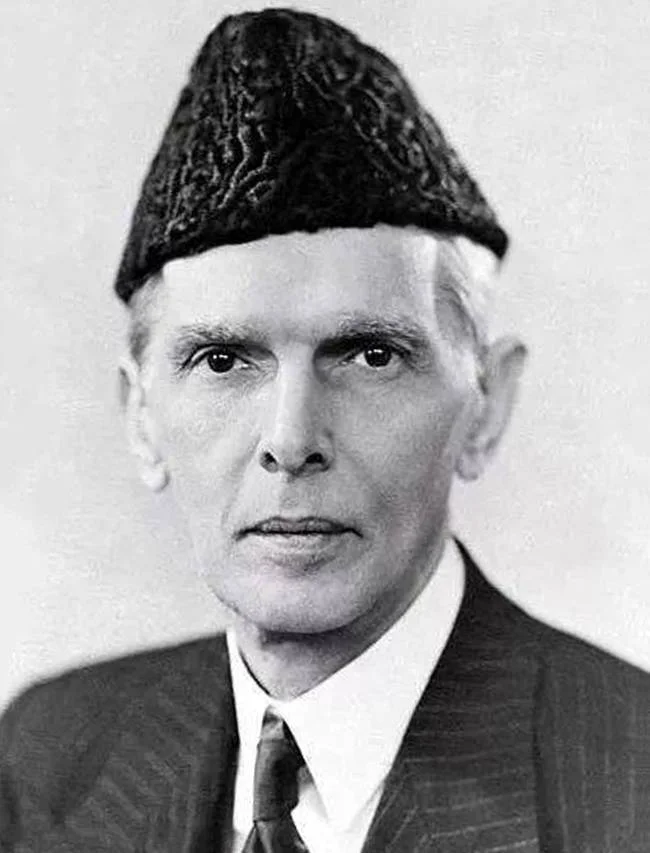
Muhammad Ali Jinnah
Born25 Dec, 1876
Died11 Sep, 1948
NationalityPakistani
Age at time of death71
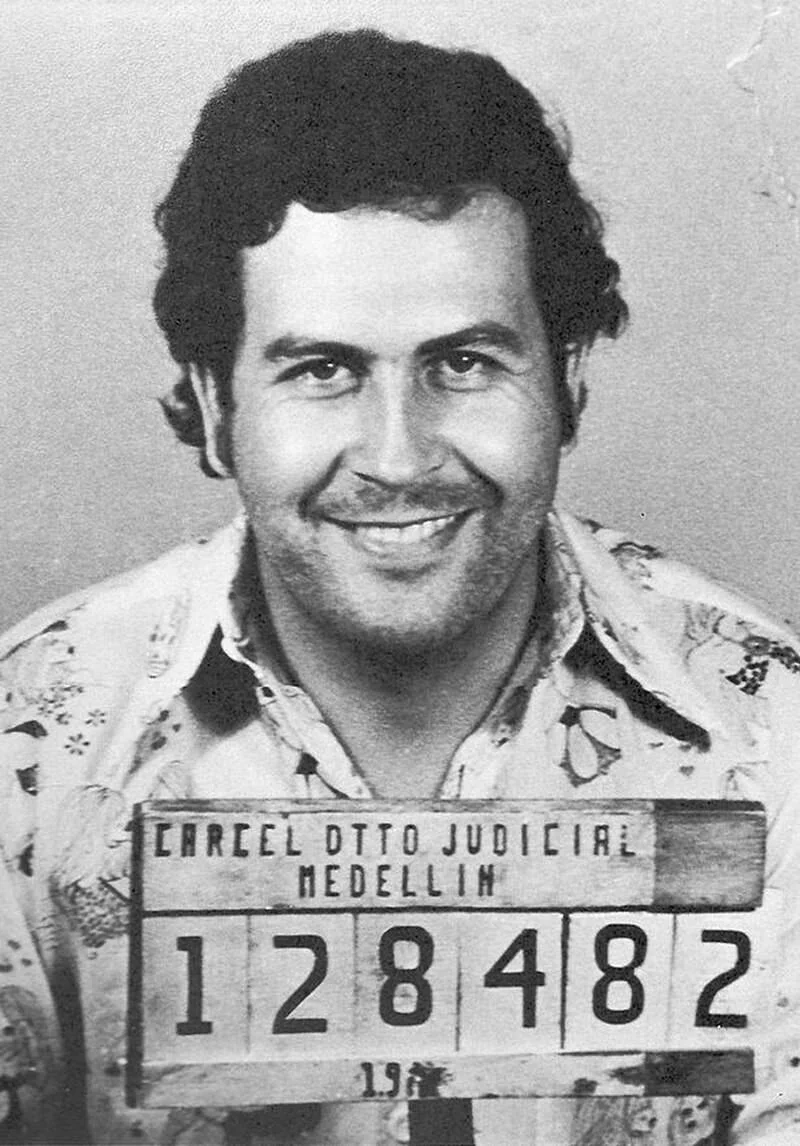
Pablo Escobar
Born01 Dec, 1949
Died02 Dec, 1993
NationalityColombian
Age at time of death44