Real Celebrities Never Die!
OR
Search For Past Celebrities Whose Birthday You Share
Died Age: 62
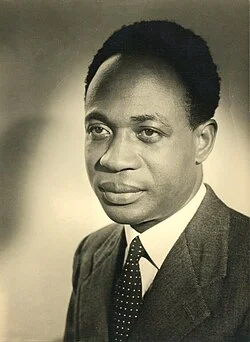
wikipedia.org
Kwame Nkrumah
Birthday:
21 Sep, 1909
Date of Death:
27 Apr, 1972
Cause of death:
Cancer
Nationality:
Ghanaian
Famous As:
Politician
Age at the time of death:
62
Francis Nwia-Kofi Ngonloma's Quote's

“Seek ye first the political kingdom, and all other things shall be added unto you.”
Francis Nwia-Kofi Ngonloma
🔗 deadcelebrityhub.com
Early Life: Roots of Resolve
Kwame Nkrumah was the heartbeat of a continent yearning for self-determination. A fiery orator with a philosopher’s mind, Nkrumah fused Pan-African dreams with grassroots activism, forging a movement that rippled far beyond the borders of his homeland. To many, he was the man who lit the torch of African independence in the 20th century. To others, he was a relentless idealist whose ambitions sometimes outran the political winds. But above all, Nkrumah was a man possessed by a singular, uncompromising vision: a free and united Africa.
Born on September 21, 1909, in Nkroful, a small village nestled along the Gold Coast (modern-day Ghana), Nkrumah’s origins were unassuming. He was the only child of his mother, Nyaniba, a fishmonger of the Nzema ethnic group, and his father, a goldsmith whose name history did not preserve. Raised in a matrilineal society, young Nkrumah was nurtured by a close-knit extended family steeped in traditional values but increasingly influenced by Western missionary education.
Even as a child, Nkrumah was deeply contemplative. Locals would recall how he could sit for hours, seemingly lost in thought, while others played. His first spark of political consciousness ignited during British colonial rule, when racial discrimination and economic disparity were everyday realities. In an odd twist of fate, his name—Kwame, meaning “born on a Saturday”—would become synonymous with Monday morning revolutions.
Education as a Weapon: Books, Battles, and Blackboards
Education was Nkrumah’s ladder out of poverty, and he climbed it with determination. He attended the Roman Catholic elementary school in Half Assini before moving on to the revered Achimota School in Accra. But it was at the Prince of Wales College (now University of Sierra Leone), where he trained as a teacher, that his intellectual curiosity truly began to burn.
Yet Ghana was too small for the dreams swelling inside him. In 1935, with little money but enormous ambition, he sailed to the United States to study at Lincoln University, a historically Black college in Pennsylvania. Working odd jobs, including mopping floors and washing dishes. He paid his way through school, eventually earning multiple degrees in theology, philosophy, and education.
His time in America was transformational. There, he absorbed the writings of Karl Marx, Marcus Garvey, and W.E.B. Du Bois, forming a potent blend of socialism and Black nationalism. He even formed the African Students Association, which became a hub for anti-colonial dialogue. Nkrumah’s political awakening was no accident—it was the product of study, struggle, and sleepless nights spent wrestling with the contradictions of empire and liberation.
The Road to Independence: From Organiser to Liberator
When Nkrumah returned to the Gold Coast in 1947, the air was thick with unrest. He joined the United Gold Coast Convention (UGCC) as general secretary but quickly clashed with its moderate leadership. In 1949, he broke away and founded the Convention People's Party (CPP), promising “self-government now.” His charisma and connection to the common people, often calling himself the “voice of the voiceless”, ignited a populist movement unlike any other in colonial Africa.
British authorities, alarmed by his influence, jailed him in 1950. Ironically, that only amplified his stature. While still behind bars, he was elected to parliament in a landslide. In 1957, Nkrumah stood at the podium of a newly independent Ghana, proclaiming: “At long last, the battle has ended, and Ghana, our beloved country, is free forever.”
The Pan-African Vision
Ghana's independence was just the beginning. Nkrumah believed political freedom was hollow without economic independence, and national liberation incomplete without continental unity. He poured resources into education, infrastructure, and industrialisation—building the Akosombo Dam, expanding healthcare, and promoting science and technology.
He also invited revolutionaries and thinkers from across the African diaspora, including Malcolm X and Che Guevara, to Accra, transforming the city into an intellectual mecca. In 1963, he helped found the Organization of African Unity (OAU), laying the groundwork for what would eventually become the African Union.
Yet his dreams came at a cost. Massive government spending strained the economy, and his increasingly autocratic tendencies, which included a one-party state and preventive detention laws, eroded domestic support. In 1966, while on a peace mission to Vietnam, his government was overthrown in a military coup.
Exile and the Echoes of Revolution
Nkrumah never returned to Ghana. He lived the rest of his life in Conakry, Guinea, as a guest of President Sékou Touré, who named him honorary co-president. He continued to write, penning influential books like Neo-Colonialism: The Last Stage of Imperialism, and advising other liberation movements from afar.
Despite isolation and illness, his vision for Africa never dimmed. He died on April 27, 1972, in Bucharest, Romania, of cancer. He was 62 years old.
Personal life: The Man Behind the Mission
Away from the podium and parades, Nkrumah was a complex, philosophical, driven, and deeply private. He married Fathia Rizk, an Egyptian Coptic Christian, in a politically symbolic union that represented his dream of African unity from Cairo to Cape Town. They had three children together, though political turmoil eventually separated them.
A lesser-known fact? He was a fan of jazz and often retreated into the rhythms of African-American music, which he said helped him think more clearly. He also kept a meticulously organized bookshelf, with works ranging from Plato to Tagore.
Legacy: A Flame That Refused to Die
Kwame Nkrumah's legacy is a paradox, marked by both triumph and tragedy. He is remembered as the father of Ghanaian independence, the architect of modern Pan-Africanism, and one of the most influential African leaders of the 20th century. His portrait hangs in African Union headquarters, and his speeches are still taught in classrooms from Accra to Addis Ababa.
In recent years, Ghana has sought to reconcile with its past, honouring Nkrumah with statues, holidays, and a mausoleum in Accra that draws thousands of visitors. His ideas, once dismissed as utopian, now resonate anew as Africa grapples with unity, neocolonialism, and the meaning of true independence.
In life, Kwame Nkrumah dared to dream of an Africa that stood tall and together. In death, he remains its eternal symbol of defiance, dignity, and destiny.
Profile Snapshot
Name:
Francis Nwia-Kofi Ngonloma
Popular Name:
Kwame Nkrumah
Gender:
Male
Cause of Death:
Cancer
Spouse:
Fathia Nkrumah
Place of Birth:
Nkroful, Ghana
Place of Death:
Bucharest, Romania
Occupation / Profession:
Politician
Teacher
Personality Type
Commander: Kwame Nkrumah was a bold, visionary leader with a strategic mind, relentlessly pursuing the goal of a united, independent Africa, never deterred by obstacles and always focused on making his grand vision a reality.
Francis Nwia-Kofi Ngonloma's Interesting Facts
He was so passionate about African unity that he carried a map of a unified Africa everywhere he went.
His autobiography, "Ghana: The Autobiography of Kwame Nkrumah," was written while he was in prison.
Nkrumah once studied under and was heavily influenced by Dr. W.E.B. Du Bois, whom he later invited to live and be buried in Ghana.
Achievements & Awards
He was instrumental in founding the Organization of African Unity in 1963, laying the groundwork for today's African Union.
In 2000, he was posthumously named “Africa’s Man of the Millennium” by BBC World Service listeners for his role in Africa’s liberation movements.
Kwame Nkrumah led Ghana to become the first sub-Saharan African country to gain independence from colonial rule in 1957, marking a historic milestone for the continent.
Under his leadership, Ghana saw major infrastructure development, including the Akosombo Dam, which transformed the country’s energy and industrial capacity.
Latest Profiles
People also viewed
Yvonne Barr
Born11 Mar, 1932
Died13 Feb, 2016
NationalityIrish
Age at time of death83
Gerald Ford
Born14 Jul, 1913
Died26 Dec, 2006
NationalityAmerican
Age at time of death93
Victor Hugo
Born26 Feb, 1802
Died22 May, 1885
NationalityFrench
Age at time of death83
George Murphy
Born04 Jul, 1902
Died03 May, 1992
NationalityAmerican
Age at time of death89
P. T. Barnum
Born05 Jul, 1810
Died07 Apr, 1891
NationalityAmerican
Age at time of death80
Rajendra Prasad
Born03 Dec, 1884
Died28 Feb, 1963
NationalityIndian
Age at time of death78
Nelson Rockefeller
Born08 Jul, 1908
Died26 Jan, 1979
NationalityAmerican
Age at time of death70

Ethan Allen
Born21 Jan, 1738
Died12 Feb, 1789
NationalityAmerican
Age at time of death51
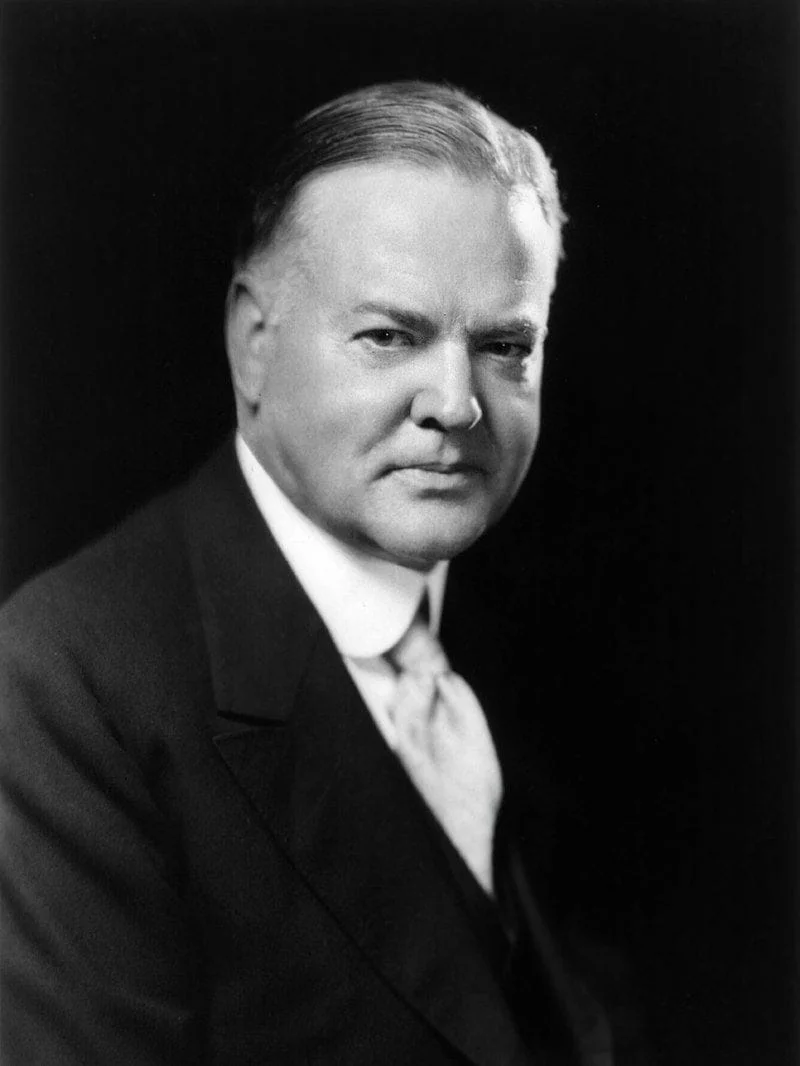
Herbert Hoover
Born10 Aug, 1874
Died20 Oct, 1964
NationalityAmerican
Age at time of death90
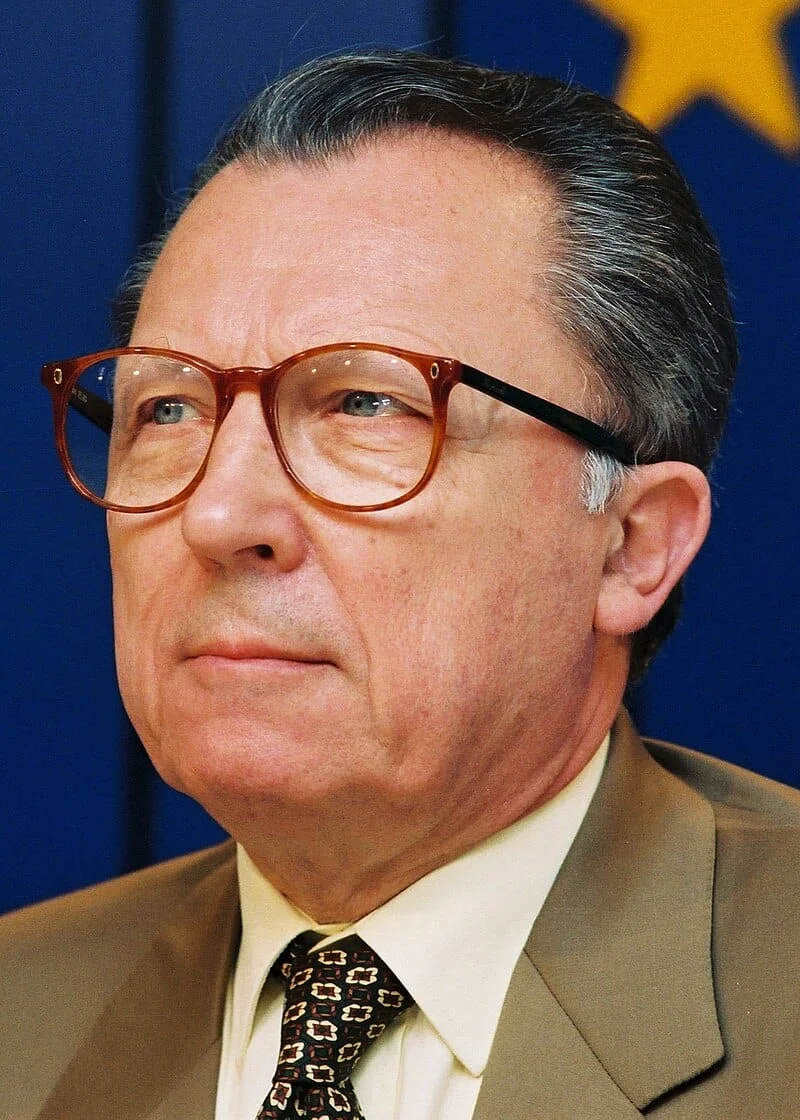
Jacques Delors
Born20 Jul, 1925
Died27 Dec, 2023
NationalityFrench
Age at time of death98
Anne Sullivan
Born14 Apr, 1866
Died20 Oct, 1936
NationalityAmerican
Age at time of death70
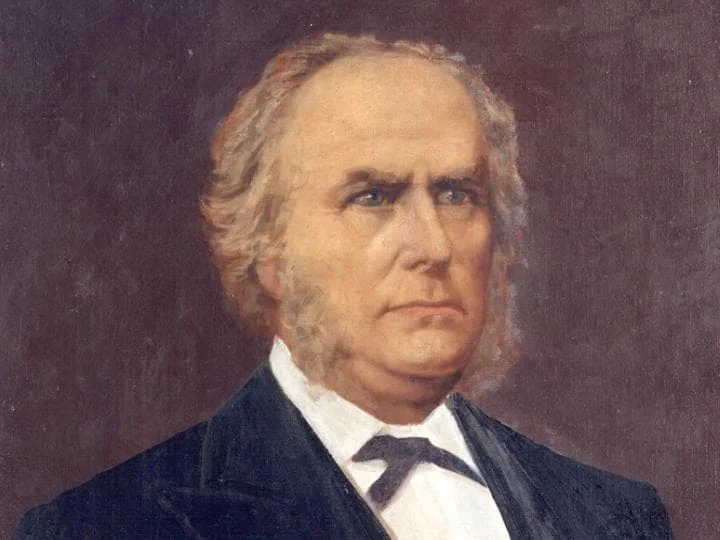
James Harrison
Born17 Apr, 1816
Died03 Sep, 1893
NationalityScottish,Australian
Age at time of death77
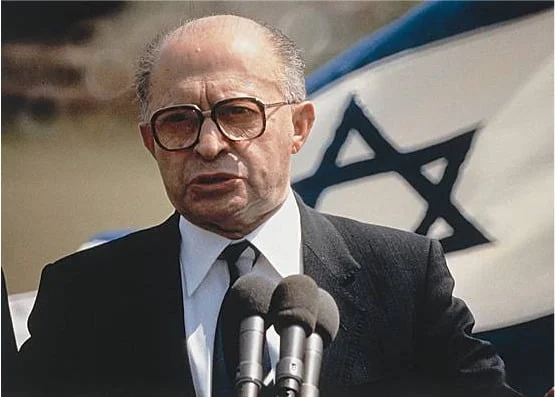
Menachem Begin
Born16 Aug, 1913
Died09 Mar, 1992
NationalityIsraeli
Age at time of death78
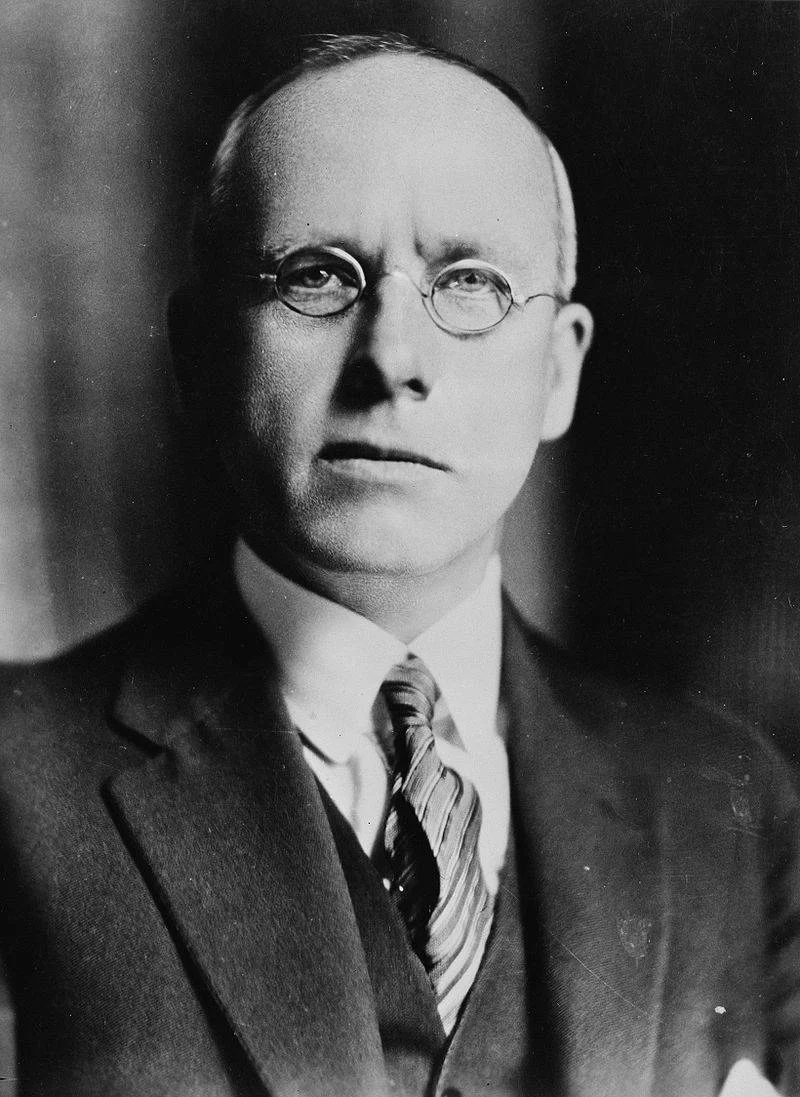
Peter Fraser
Born28 Aug, 1884
Died12 Dec, 1950
NationalityNew Zealand
Age at time of death66
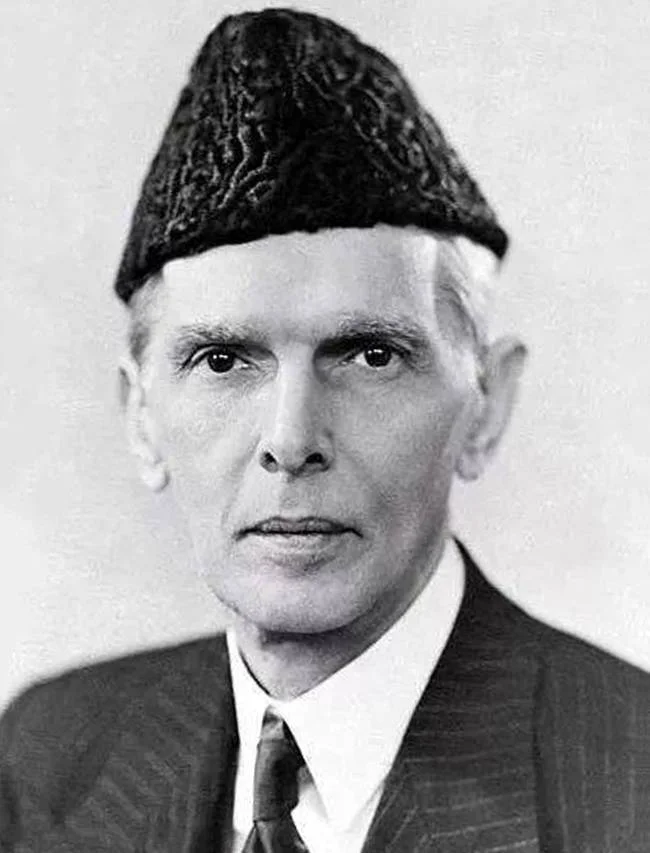
Muhammad Ali Jinnah
Born25 Dec, 1876
Died11 Sep, 1948
NationalityPakistani
Age at time of death71
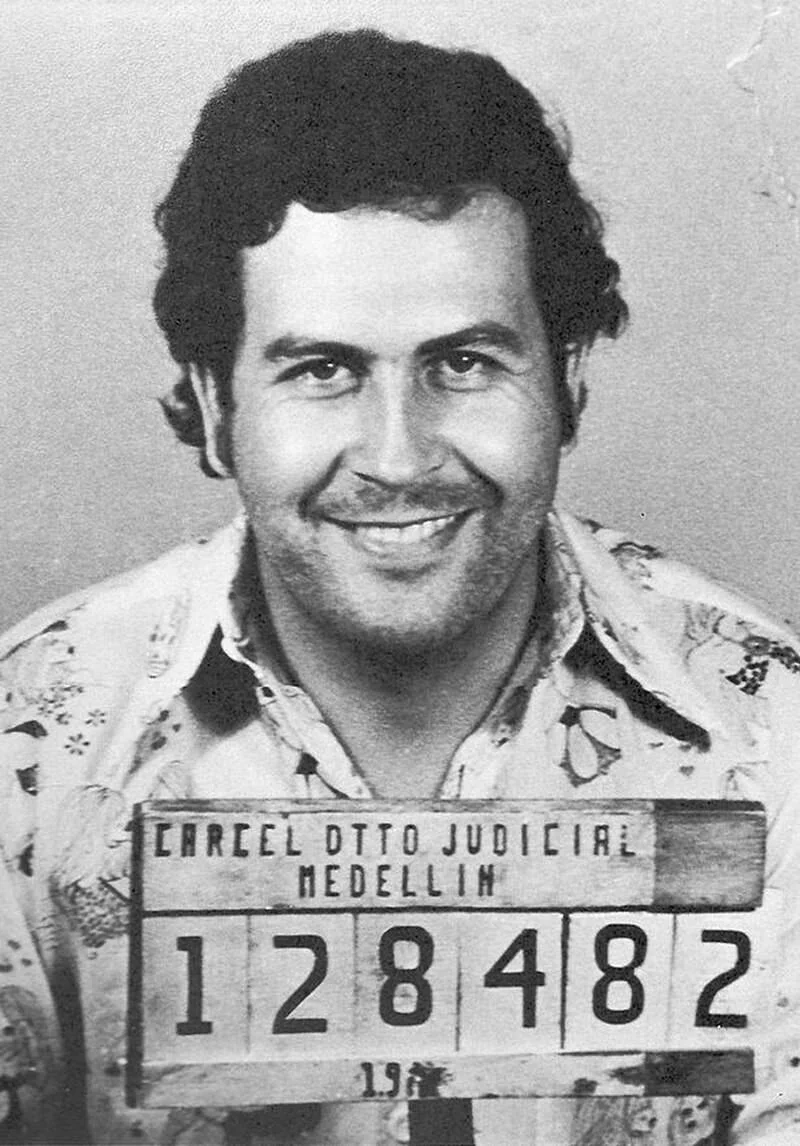
Pablo Escobar
Born01 Dec, 1949
Died02 Dec, 1993
NationalityColombian
Age at time of death44
Enid Blyton
Born11 Aug, 1897
Died28 Nov, 1968
NationalityBritish
Age at time of death71
Booker T. Washington
Born05 Apr, 1856
Died14 Nov, 1915
NationalityAmerican
Age at time of death59
George Mason
Born11 Dec, 1725
Died07 Oct, 1792
NationalityAmerican, British
Age at time of death66
Hiram R. Revels
Born27 Sep, 1827
Died16 Jan, 1901
NationalityAmerican
Age at time of death73