Real Celebrities Never Die!
OR
Search For Past Celebrities Whose Birthday You Share
Died Age: 91
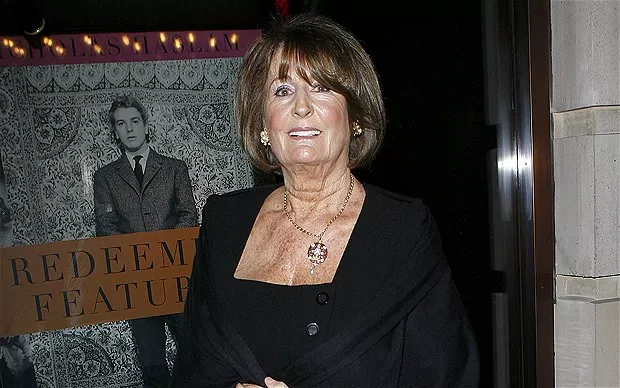
alchetron.com
Lady Annabel Goldsmith
Birthday:
10 Jun, 1934
Date of Death:
17 Oct, 2025
Cause of death:
Died in her sleep
Nationality:
British
Famous As:
English socialite
Age at the time of death:
91
Annabel Vane-Tempest-Stewart's Quote's

“I have always believed that good manners are the key to a civilised world.”
Annabel Vane-Tempest-Stewart
🔗 deadcelebrityhub.com
Early Life: A Childhood of Heritage and Contrast
Lady Annabel Goldsmith has long embodied a rare blend of elegance, resilience, and quiet influence. Known to the world as the muse behind one of London’s most famous clubs, yet remembered by those close to her for her warmth and wit, she is a woman whose story is deeply intertwined with Britain’s postwar social transformation. To many, she is the grande dame of an era—an enduring figure who bridged the worlds of tradition and change with poise and unmistakable charm.
Born Annabel Vane-Tempest-Stewart on June 11, 1934, she came into a world defined by privilege and old English lineage. Her father, the 8th Marquess of Londonderry, and her mother, the glamorous socialite Romaine Combe, gave her a childhood steeped in aristocratic tradition. Yet even within the grandeur of estates like Wynyard Park and Mount Stewart, Annabel’s early life was marked by contrasts—between duty and freedom, appearance and authenticity.
World War II cast a long shadow over her childhood, as it did for so many of her generation. The war years introduced her to resilience at an early age, and behind the glamour of her upbringing was a deep curiosity about the world beyond privilege. Her poise was inherited; her empathy, earned.
Education and Early Influences
Lady Annabel’s education reflected the expectations of her class—private schooling and lessons in the arts, languages, and etiquette. But what set her apart was not formal schooling; it was her keen observation of people and an intuitive sense of diplomacy. From an early age, she developed a sharp eye for human behaviour, something that would later make her both a beloved hostess and a confidante to some of the most influential figures of her time.
Becoming Lady Annabel: From Society Debutante to Club Muse
In 1954, Annabel married entrepreneur Mark Birley, a union that would not only change her life but also shape London’s social scene. Their marriage produced three children—Robin, Rupert, and India Jane—and a partnership that would leave an indelible mark on British nightlife.
In 1963, Mark Birley founded Annabel’s, naming the exclusive Mayfair nightclub after his wife. The club—discreet, sumptuous, and utterly different from the boisterous nightspots of the era—became an instant sensation. It was a place where royalty, artists, and aristocrats mingled, where Princess Diana and Frank Sinatra could share the same dance floor. And though Lady Annabel herself preferred quieter pursuits, her grace and taste were woven into the fabric of the club’s identity. Annabel’s was, in spirit and in name, a tribute to her.
Behind the glittering façade of 1960s London, Lady Annabel managed to maintain a rare equilibrium—balancing public fascination with private dignity. In an age of social revolution, she remained both modern and timeless.
A Life of Love and Reinvention
Lady Annabel’s personal life, like her public one, was not without complexity. Her marriage to Birley ended in 1975, and soon after, she married financier and politician Sir James Goldsmith, a man as bold and charismatic as she was composed. Their relationship, though often in the spotlight, was marked by deep mutual respect and affection. Together, they had three children—Jemima, Zac, and Ben—each of whom would go on to make their own mark in journalism, politics, and philanthropy.
The Goldsmith home became a hub of intellect and lively debate, filled with politicians, writers, and thinkers. Yet despite the bustle, Lady Annabel remained the steady heart of the household—known for her sense of humour, her kindness, and her steadfast belief in family loyalty.
Later Years and Quiet Strength
In later years, Lady Annabel turned increasingly toward writing and philanthropy. Her memoir, Annabel: An Unconventional Life (2004), revealed her characteristic candour and grace. Far from a mere recounting of social adventures, it offered an honest portrait of a woman who had navigated privilege, heartbreak, and reinvention with dignity.
A lesser-known fact about Lady Annabel is her enduring love of animals and the countryside. She has long been an advocate for animal welfare, finding solace in her gardens and rural retreats. Friends often describe her as possessing the quintessential English mix of understatement and steel—a woman who can host a dinner for dignitaries one evening and tend to her dogs the next morning without missing a beat.
Legacy: Grace, Influence, and Timeless Charm
Today, Lady Annabel Goldsmith stands as a symbol of enduring grace in a changing world. Her life traces the arc of postwar Britain—from the twilight of the aristocracy to the rise of modern social culture. She has inspired institutions, shaped family dynasties, and defined an era not by seeking attention but by embodying elegance and authenticity.
Her legacy is not only in Annabel’s, the legendary club that bears her name, but also in the values she represents: discretion, kindness, and quiet strength. In a century that celebrated spectacle, Lady Annabel Goldsmith reminded the world that true influence often resides in understatement.
Profile Snapshot
Name:
Annabel Vane-Tempest-Stewart
Popular Name:
Lady Annabel Goldsmith
Gender:
Female
Cause of Death:
Died in her sleep
Spouse:
James Goldsmith
Mark Birley
Place of Birth:
London, United Kingdom
Place of Death:
London, United Kingdom
Occupation / Profession:
English socialite
Author
Political activist
Personality Type
Campaigner: A woman of quiet strength and timeless elegance, Lady Annabel Goldsmith embodies the grace of tradition balanced with the courage to live life entirely on her own terms.
Annabel Vane-Tempest-Stewart's Interesting Facts
She is an accomplished gardener and spends much of her time tending to her gardens in the English countryside.
Lady Annabel is also a dedicated dog lover—she has often said she feels “most herself” when surrounded by her animals.
Though known for hosting London’s elite, she prefers simple home-cooked meals and family gatherings to grand social events.
Achievements & Awards
Lady Annabel Goldsmith’s greatest achievements lie in her lasting cultural and philanthropic influence.
Beyond lending her name and spirit to the world-famous Annabel’s club, she became a respected author with her memoir Annabel: An Unconventional Life and the novel The Switch.
She has been widely admired for her charitable work, particularly in animal welfare and children’s causes, and remains a central matriarch of one of Britain’s most prominent philanthropic families.
Her quiet diplomacy and social grace earned her recognition as one of Britain’s most enduring society figures.
External Links
Latest Profiles
People also viewed
Eva Crane
Born12 Jun, 1912
Died06 Sep, 2007
NationalityBritish
Age at time of death95
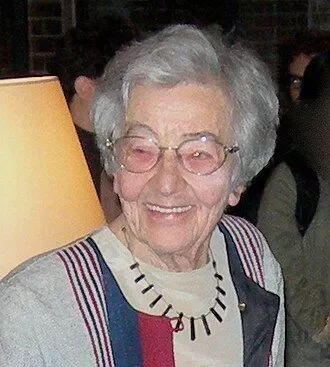
Ursula Franklin
Born16 Sep, 1921
Died22 Jul, 2016
NationalityGerman, Canadian
Age at time of death94
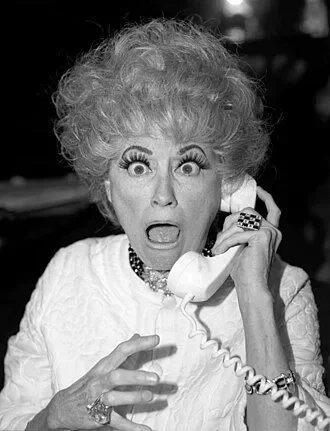
Phyllis Diller
Born17 Jul, 1917
Died20 Aug, 2012
NationalityAmerican
Age at time of death95
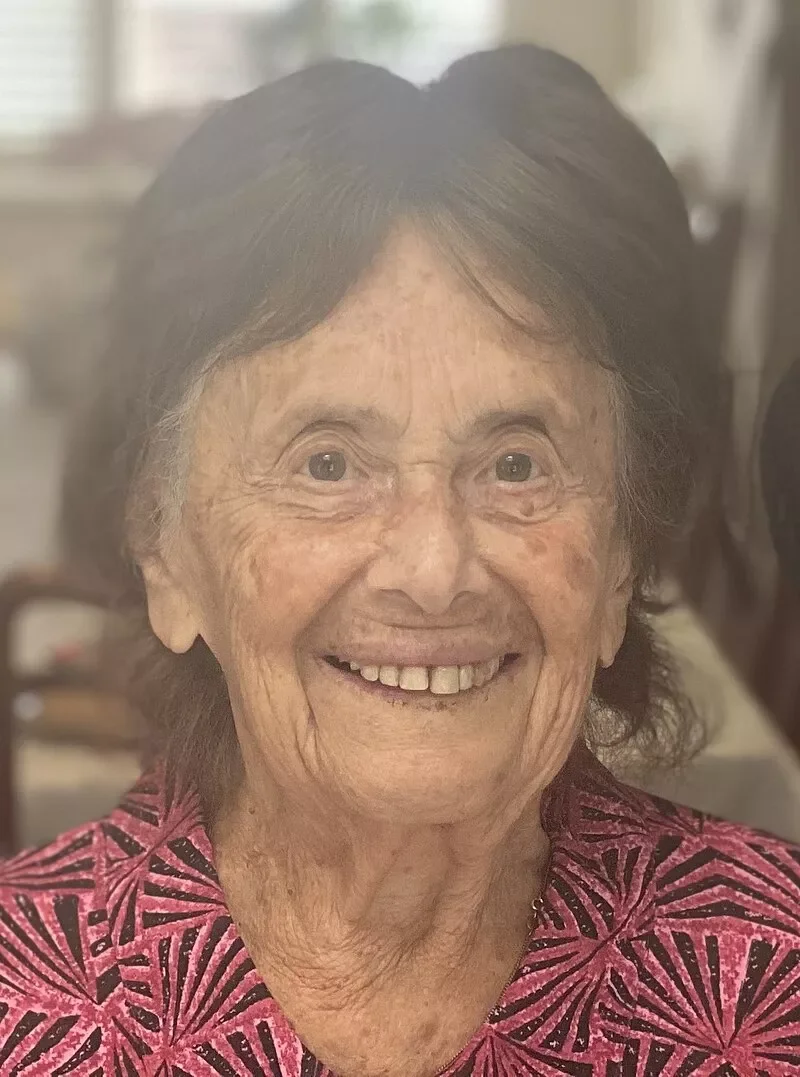
Lily Ebert
Born29 Dec, 1923
Died09 Oct, 2024
NationalityHungarian, British
Age at time of death100
Jonas Cohn
Born01 Dec, 1869
Died28 Jan, 1947
NationalityGerman
Age at time of death77
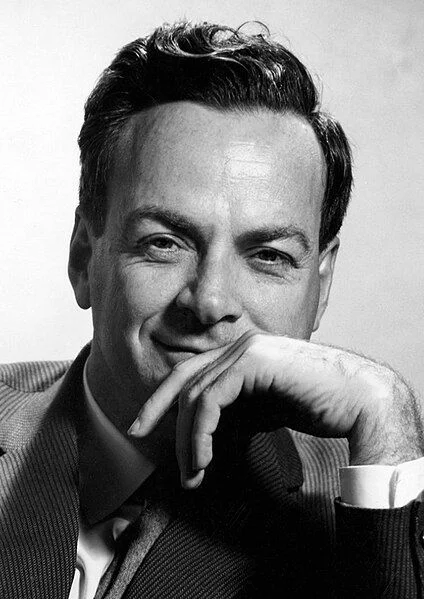
Richard Feynman
Born11 May, 1918
Died15 Feb, 1988
NationalityAmerican
Age at time of death69
Marshall Brain
Born17 May, 1961
Died20 Nov, 2024
NationalityAmerican
Age at time of death63
Tina Turner
Born26 Nov, 1939
Died24 May, 2023
NationalityAfrican, American
Age at time of death83
Eric Morecambe
Born14 May, 1926
Died28 May, 1984
NationalityBritish
Age at time of death58
A. W. Tozer
Born21 Apr, 1897
Died12 May, 1963
NationalityAmerican, Canadian
Age at time of death66
P. T. Barnum
Born05 Jul, 1810
Died07 Apr, 1891
NationalityAmerican
Age at time of death80
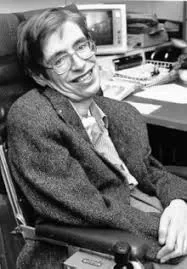
Stephen Hawking
Born08 Jan, 1942
Died14 Mar, 2018
NationalityEnglish
Age at time of death76
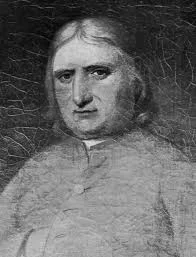
George Fox
Born04 Jul, 1624
Died13 Jan, 1691
NationalityEnglish
Age at time of death66
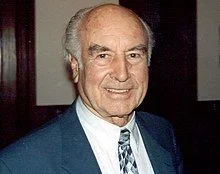
Albert Hofmann
Born11 Jan, 1906
Died29 Apr, 2008
NationalitySwiss
Age at time of death102
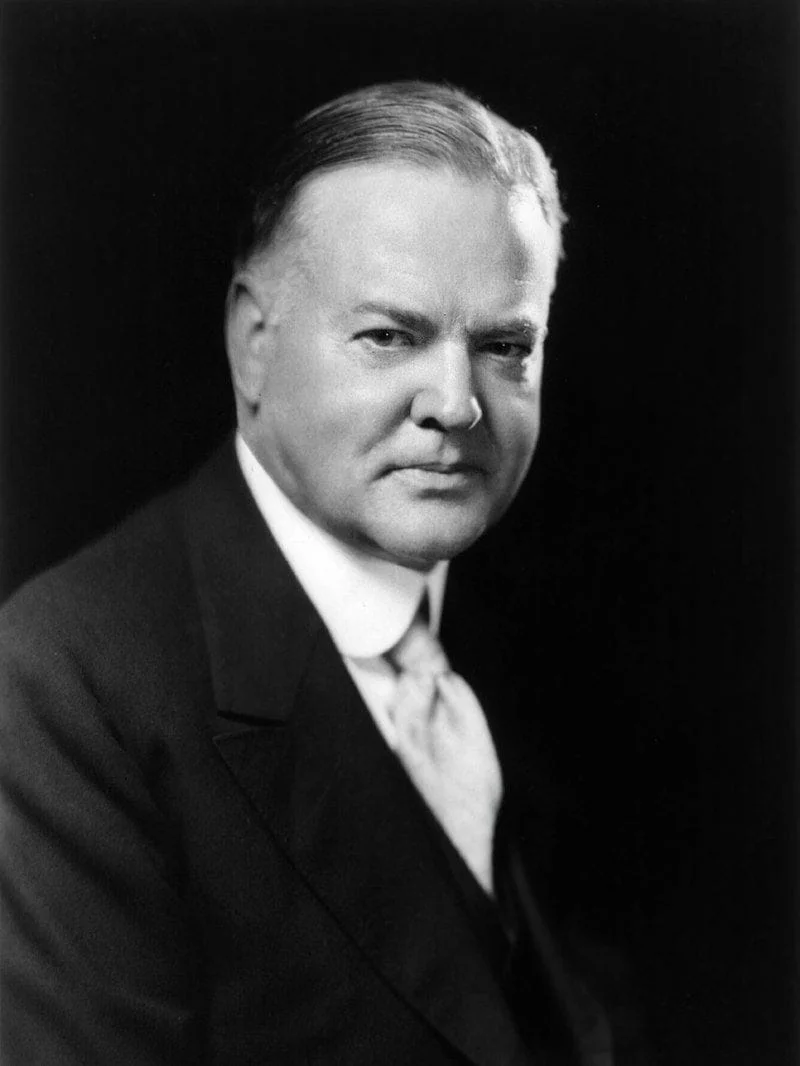
Herbert Hoover
Born10 Aug, 1874
Died20 Oct, 1964
NationalityAmerican
Age at time of death90

Jade Goody
Born05 Jun, 1981
Died22 Mar, 2009
NationalityBritish
Age at time of death27
Dave Myers
Born08 Sep, 1967
Died28 Feb, 2024
NationalityBritish
Age at time of death56

Larry King
Born19 Nov, 1933
Died23 Jan, 2021
NationalityAmerican
Age at time of death87
Ruth Wakefield
Born17 Jun, 1903
Died10 Jan, 1977
NationalityAmerican
Age at time of death73
Carolyn Keene
Born20 Oct, 1925
Died28 May, 2002
NationalityAmerican
Age at time of death76