Real Celebrities Never Die!
OR
Search For Past Celebrities Whose Birthday You Share
Died Age: 74
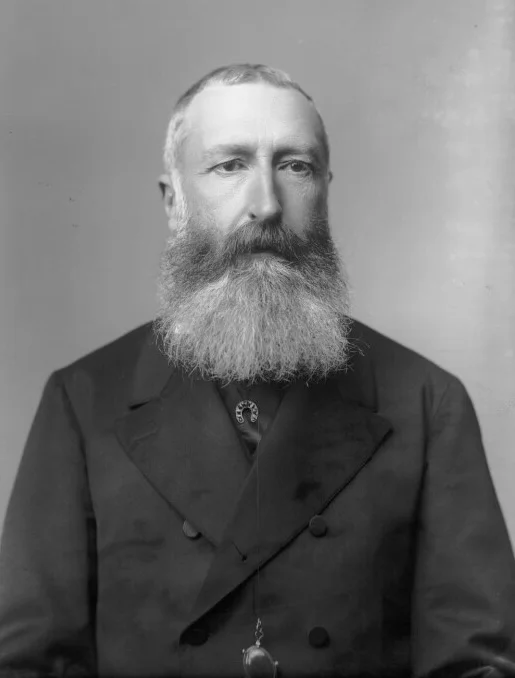
wikimedia.org
Leopold II
Birthday:
08 Apr, 1835
Date of Death:
17 Dec, 1909
Cause of death:
Heart failure
Nationality:
Belgian
Famous As:
Colonial Administrator
Age at the time of death:
74
Léopold Louis Philippe Marie Victor's Quote's

“I do not want to miss a good chance of getting us a slice of this magnificent African cake.”
Léopold Louis Philippe Marie Victor
🔗 deadcelebrityhub.com
Leopold II: The Ruthless King of Belgium
Leopold II, born Léopold Louis Philippe Marie Victor on April 9, 1835, in Brussels, Belgium, stepped into history as the second King of the Belgians and one of the most debated monarchs of modern times. He ruled from 1865 to 1909, chasing big colonial dreams that piled up riches for Belgium while leaving a trail of ruin in the Congo Free State. His life mixed royal perks, a hunger for power, and a cold-hearted grab for wealth.
Early Life and Family Background
Leopold II came into the world as part of the House of Saxe-Coburg and Gotha, the second kid and the oldest son to survive past infancy of King Leopold I and Louise of Orléans, who was the daughter of France’s King Louis-Philippe. His big brother didn’t make it out of babyhood, so Leopold was next in line for the crown from day one. Growing up in a fancy but stiff household, he didn’t get much warmth from his folks. His mom passed away from tuberculosis when he was just 15, a loss that left him quieter and more guarded. At five, they gave him the title Duke of Brabant and stuck him in the Belgian army as a sub-lieutenant. His schooling was all about soldiering and running a country, gearing him up to wear the crown someday. But it was watching Europe’s political games and colonial grabs that really lit a fire in him to push Belgium out into the wider world.
Personal Life
On August 22, 1853, Leopold tied the knot with Marie Henriette of Austria, a horse-loving archduchess with a wild streak. They didn’t click—her passion for riding clashed with his big ideas, and things stayed rocky. She threw herself into her horses and their four kids—Louise-Marie, Prince Leopold (who sadly died at nine), Stéphanie, and Clémentine—while he got lost in plans for colonies. Eventually, they drifted apart; she holed up in Spa, and he roamed far and wide. Later on, Leopold got tangled up with Caroline Lacroix, a young French woman he took as a mistress and wed in a low-key way right before he died. That fling stirred up plenty of gossip and didn’t do his image any favors with Belgium’s high society or regular folks.
Professional Career and Achievements
Leopold took the throne on December 17, 1865, after his dad passed. He stepped into a gig where the king didn’t have much say, but that didn’t stop him from dreaming big for Belgium on the world stage. Annoyed by his country’s small size and lack of overseas turf, he set his sights on Africa. In 1885, he pulled some slick moves at the Berlin Conference and sent explorer Henry Morton Stanley to scout Central Africa, landing him the Congo Free State—a chunk of land 76 times bigger than Belgium. He pitched it as a do-gooder mission to help the locals, but really, he ran it like his own private cash cow. First, he raked in money from ivory, then switched to rubber when the world went crazy for it in the 1890s. His Congo setup was brutal. He forced people to work, and if they didn’t hit rubber quotas, they’d lose hands or worse—sometimes their lives. Word got out that anywhere from five to ten million Congolese died under his watch from violence, hunger, sickness, and sheer exhaustion.
Contributions and Impact
Leopold spruced up Belgium with the Congo cash, building railways, canals, parks, and fancy landmarks. But all that shine got drowned out by the world flipping out over what he did in Africa. The ugly truth spilled out with things like the Casement Report in 1904, shining a light on the Congo’s horrors. Groups like the Congo Reform Association kicked up a fuss, pushing Belgium to take over in 1908. They ditched the “Free State” tag and called it the Belgian Congo after the government stepped in.
Death and Legacy
Leopold II checked out on December 17, 1909, at 74, after gut troubles took him down at Laeken Palace near Brussels. They buried him at the Church of Our Lady of Laeken. He’d ruled longer than any Belgian king but left no sons to take over—his nephew Albert I stepped up instead. Leopold II’s still a hot-button name. Some Belgians tip their hats to him for spiffing up the country with colonial loot, but plenty more call him out for running one of history’s worst human rights messes in the Congo. His story’s tied tight to the millions who suffered there, keeping the talk alive about colonialism and owning up to the past.
Profile Snapshot
Name:
Léopold Louis Philippe Marie Victor
Popular Name:
Leopold II
Gender:
Male
Cause of Death:
Heart failure
Spouse:
Marie Henriette
Place of Birth:
Brussels, Belgium
Place of Death:
Laeken, Brussels, Belgium
Occupation / Profession:
Colonial Administrator
Monarch
Personality Type
Architect Imaginative and strategic thinkers, with a plan for everything. Leopold’s strategic planning, ambition, and detached ruthlessness align with “Architect” type, reflecting his calculated pursuit of power and wealth.
Achievements & Awards
Became King of the Belgians in 1865.
Built the Royal Greenhouses of Laeken.
Founded the Congo Free State in 1885.
Initiated major urban projects in Brussels.
Received the Order of the Golden Fleece.
External Links
Additional Links
https://aaregistry.org/story/king-leopold-ii-tyrant-born/https://aaregistry.org/story/king-leopold-ii-tyrant-born/]https://simple.wikipedia.org/wiki/Leopold_II_of_Belgiumhttps://www.astro.com/astro-databank/Leopold_IIhttps://www.ebsco.com/research-starters/history/leopold-iihttps://www.ebsco.com/research-starters/history/leopold-ii]_King_of_Belgium
Latest Profiles
People also viewed
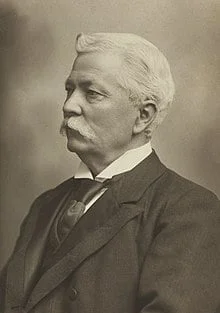
Henry Morton Stanley
Born28 Jan, 1841
Died10 May, 1904
NationalityAmerican, British
Age at time of death63